
Shrubs
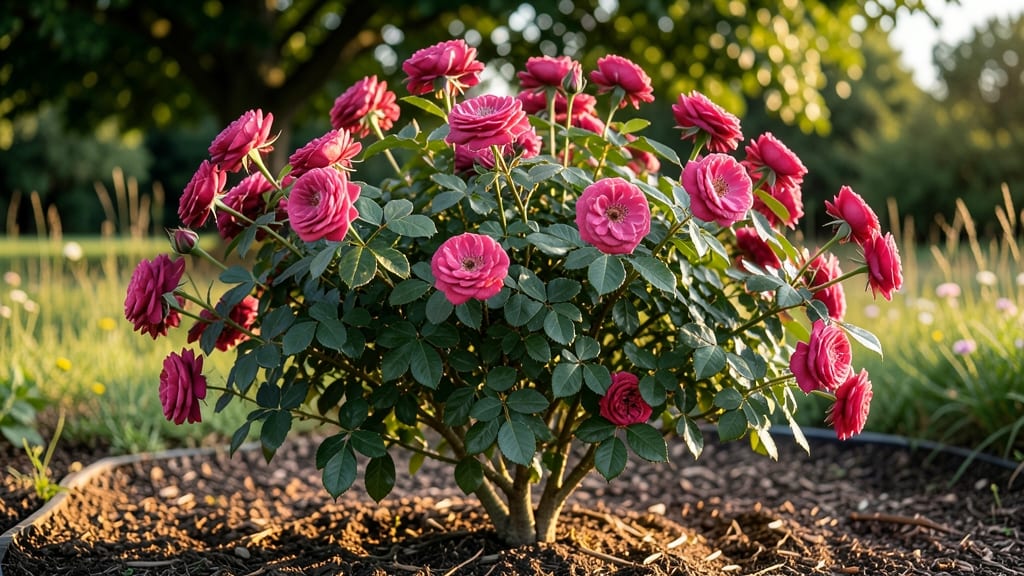
Transform your yard with Knock Out rose shrubs—the thorn-free, blooming powerhouses that turn "I'll do it next year" into "why didn't I plant these sooner?" 🌹 These roses don't just survive; they thrive with minimal fuss, delivering nonstop blooms from spring until frost.
I've had mine push through drought, resist deer, and outlast every other shrub in my yard—all while looking effortlessly polished.
The secret to their success? Three simple cuts a year keep them compact, healthy, and packed with buds. No fancy pruning skills needed—just a pair of shears and 20 minutes in late winter or early spring.
My first pruning attempt was so messy I almost gave up, but after that, the blooms came thicker than ever. They handle full sun to partial shade, adapt to almost any soil (as long as it drains), and their glossy leaves stay disease-resistant when you follow a few basic rules.
By summer, you'll have a lush, thorn-free canopy that hummingbirds can't resist, with blooms in shades of pink, red, or yellow depending on the variety. My neighbors now ask how I keep my yard looking so "expensive" when I'm really just letting these roses do the work.
The best part? They grow 3-5 feet tall in just a few years, making them perfect for hedges, privacy screens, or standalone statement plants.
Whether you're replacing an old, finicky rose bush or adding color to a new landscape, these shrubs deliver foolproof results with almost no effort. Let's get yours growing—and blooming—like the rest of mine.
📚 In This Guide
- What you need
- Instructions
- Tips and common mistakes
- Wrapping up and next steps
What you need
- ● Pruning shears: Bypass pruners (4–6-inch blades) for clean cuts—one sharp pair per shrub to avoid disease spread.
- ● Loppers: 8–10-inch bypass loppers for thicker stems (2–3 inches in diameter).
- ● Gloves: Heavy-duty, thorn-proof gloves (leather or reinforced fabric) for all cuts.
- ● Disinfectant: 70% isopropyl alcohol or a 10% bleach solution (1 part bleach to 9 parts water) to clean tools between cuts.
- ○ Pruning sealant (optional): Wound paint for cuts larger than ½ inch (controversial but useful in humid climates).
- ● Trash bags: Heavy-duty, 30–50 gallon size for debris (or a wheelbarrow if hauling far).
- ● Ladder or step stool: Sturdy, 6–8 feet tall (for shrubs over 5 feet).
- ● Sharpie or marker: Permanent marker to label pruned branches if grafting/propagating later.
- ● Weather: Prune on a dry, overcast day (avoid rain for 24 hours before/after).
- ● Timing: Late winter/early spring (before new growth) or post-bloom (June–July).
- ● Safety gear: Long sleeves/pants, closed-toe shoes, and eye protection (just in case!).
- ● Water & snacks: Hydration breaks are non-negotiable—pruning is hard work!
Instructions: prune Knock Out roses for a full, thorn-free canopy
Here's how I shape these tough shrubs in just three straightforward cuts—no fancy tools or botanical degrees required.
✂️ Step 1: Cut Back Dead or Crossing Branches First
Start by removing any branches that are completely brown and brittle—they won’t come back, so get them out of the way. I always scan the shrub first and grab those with my left hand while holding pruners in my right. This keeps me from accidentally cutting off healthy growth.
Next, look for branches rubbing against each other. These create wounds that invite disease. Cut the weaker of the two branches all the way back to the main stem, making the cut at a 45-degree angle about ¼ inch above an outward-facing bud. This ensures new growth heads outward, filling in the canopy.
Real talk: If you see a branch that’s thinner than a pencil, it’s probably not worth keeping. Knock Out roses send energy to the strongest stems, so thin branches rarely recover well.
✂️ Step 2: Shape the Canopy with Strategic Cuts
Now for the fun part—giving your rose its signature rounded shape. I like to start at the bottom and work my way up, cutting back branches that are growing inward or downward. Aim to create an open center so air circulates and sunlight reaches all parts of the shrub.
Make your cuts just above a leaf node or bud, always at that 45-degree angle. For branches thicker than ½ inch, I use my pruners to make the initial cut, then step on the branch to snap it cleanly. This prevents tearing the bark. You’ll know you’re doing it right when the cuts look smooth, not jagged.
Here’s the thing—don’t worry about perfect symmetry. Knock Out roses are forgiving. Just focus on removing about ⅓ of the oldest wood from the previous year. This encourages fresh, vigorous growth from the base.
✂️ Step 3: Clean Up and Encourage New Growth
After shaping, take a moment to inspect the shrub for any suckers—those are the little shoots growing at the base from the rootstock. Knock Out roses don’t like competition, so snip these off at the ground level. I use my pruners for thick suckers and my fingers for the skinny ones.
Finally, remove all the pruned branches and rake up any fallen leaves or debris. I toss everything in the compost bin unless it’s diseased, in which case it goes straight to the trash. A clean workspace prevents pests and diseases from moving in.
This is the moment that matters: After pruning, give your rose a deep drink of water. The fresh cuts will drink up moisture as they heal, and the roots will thank you for the boost. Within 4-6 weeks, you’ll see new growth popping out—thick, thorn-free stems that’ll fill in that canopy beautifully.
Tips & tricks for perfect Knock Out rose shrubs
Here's what nobody tells you about transforming your roses into lush, thorn-free beauties.
Timing Secret: The best time to prune Knock Out roses is right after the first hard frost in late fall or early winter, when the plant is dormant. This lets you see the structure clearly without worrying about new growth. If you missed that window, late winter or early spring works too—just avoid pruning when buds are swelling or blooms are forming. The 4-6 week regrowth timeline in Step 3 assumes you're pruning in late winter, so adjust expectations if you prune later.
Tool Technique: I learned this the hard way after ruining three batches—always sterilize your pruners between cuts, especially if you're working with diseased branches. Use rubbing alcohol or a 10% bleach solution to wipe them down. For thicker branches over ½ inch, I make the initial cut about 6 inches from the main stem, then step on the branch to snap it cleanly. This prevents tearing the bark and creates a smoother wound that heals faster.
The Shape Factor: Knock Out roses thrive when you create an open center rather than a dense ball. Think of it like a rounded dome with space in the middle—this allows sunlight to reach all parts of the plant and air to circulate, preventing fungal diseases. When shaping in Step 2, imagine you're creating a lacy effect rather than a solid wall of branches. The ⅓ oldest wood removal rule in Step 2 works because it forces the plant to focus energy on new growth from the base.
Post-Pruning Care: After you've finished pruning, don't just walk away! Give your rose a deep drink of water right away—this helps the fresh cuts heal and prevents stress on the plant. I also recommend applying a thin layer of mulch around the base to retain moisture and protect roots from temperature fluctuations. This isn't in the instructions because it's optional, but trust me on this—your roses will thank you with thicker, healthier growth.
Pro Tips for Knock Out Rose Shrubs
- Here's what nobody tells you about transforming your roses into lush, thorn-free beauties.
- Timing Secret: The best time to prune Knock Out roses is right after the first hard frost in late fall or early winte...
- Tool Technique: I learned this the hard way after ruining three batches—always sterilize your pruners between cuts, e...
Frequently asked questions
Got questions about keeping your Knock Out® rose shrubs thriving with minimal fuss? You’re in the right place! Here are answers to the most common queries—because even low-maintenance roses need a little TLC now and then.
When is the best time to prune Knock Out rose shrubs?
Prune your Knock Out roses twice a year: late winter/early spring (just before new growth starts) and mid-summer (after the first flush of blooms). This keeps them bushy, blooming, and disease-free. Avoid heavy pruning in fall—it can stimulate tender growth that won’t survive winter.
How do I know if I’m pruning too much or too little?
Knock Out roses are forgiving, but aim to remove 1/3 of the plant’s height in spring and just light trimming in summer. Look for dead, crossing, or weak stems—cut those first! If you’re left with bare branches or sparse foliage, you’ve likely pruned too aggressively. Pro tip: Always leave at least 3–5 buds on each stem for new growth.
Why aren’t my Knock Out roses blooming as much as they used to?
Less blooming often signals over-pruning, underwatering, or poor nutrition. Check your pruning habits—if you’re cutting back too late in the season, blooms may suffer. Ensure they get 1–2 inches of water weekly (deep soaks, not frequent shallow watering) and feed with a balanced rose fertilizer in spring and summer. Bonus: Deadhead spent blooms to encourage more flowers!
Can I prune Knock Out roses in winter?
Light pruning (removing dead or damaged branches) is fine in mild winters, but avoid heavy cuts. Cold snaps can stress fresh cuts, making them vulnerable to disease. Wait until late winter (when temps consistently stay above freezing) for your main pruning session. If you’re in a Zone 6 or colder, hold off until spring!
What’s the easiest alternative if I don’t want to prune at all?
Knock Out roses are low-maintenance by design, but if you want zero pruning, consider these thorn-free, drought-tolerant alternatives:
- Butterfly Bush (Buddleia): Blooms all summer with minimal care.
- Dwarf Lilac: Fragrant, compact, and only needs occasional trimming.
- Abelia: Evergreen-like foliage and continuous blooms.
- Spirea (e.g., ‘Goldflame’): Thrives with almost no pruning.
Wrapping up and next steps
Growing thorn-free Knock Out® rose shrubs is easier than you think—just three simple cuts can transform your garden into a fragrant, low-maintenance paradise! 🌹 With the right tools, timing, and techniques, you’ll enjoy blooms all season long while keeping pests and diseases at bay.
Whether you’re a seasoned gardener or a beginner, these shrubs are your ticket to effortless beauty.
Ready to level up your landscape?
Start by planting your Knock Out® roses in a sunny spot, then follow the pruning guide to keep them thriving. Your next step? Grab your pruners, mark your calendar, and give these resilient shrubs the care they deserve—your garden will thank you with vibrant blooms for years to come!