
Shrubs
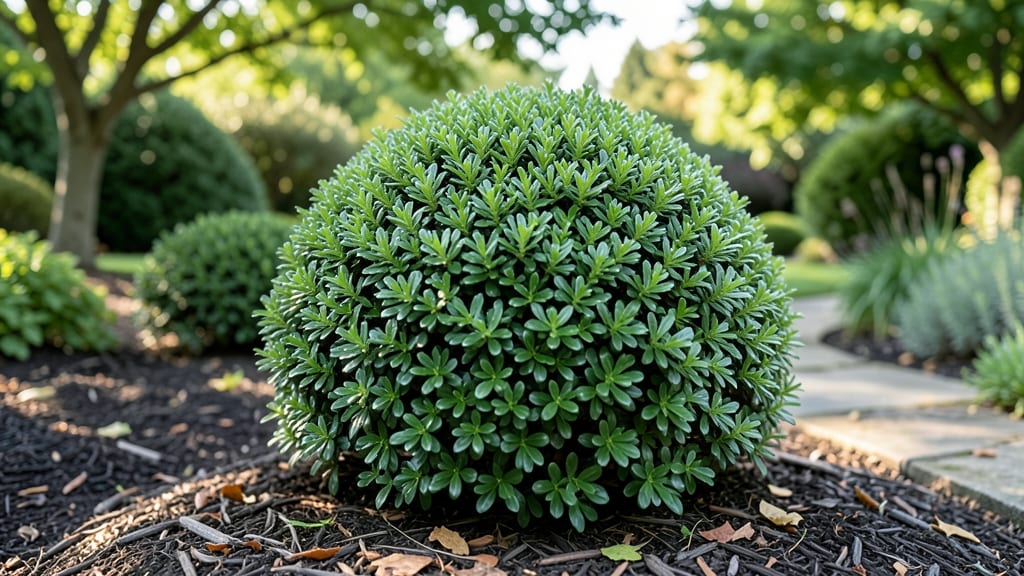
Korean boxwood shrubs (Buxus microphylla) bring nearly indestructible greenery to your yard—thriving where other shrubs falter. 🌿 I’ve grown them for years, and their disease resistance and dense foliage make them the backbone of my foundation plantings.
Unlike fussy boxwoods, these handle heat, humidity, and even urban pollution without breaking a sweat. The secret starts with the right spot: partial shade to full sun, well-draining soil, and consistent moisture (but no soggy roots).
Plant in early spring or fall, spacing them 3–5 feet apart for that lush, manicured look. A slow-release fertilizer in spring kickstarts growth, and you’ll see compact, glossy leaves within weeks. Pruning isn’t just for shaping—it’s how you control size and density.
Trim lightly after flowering (late spring) and again in early summer and fall to maintain that structured, formal look. The key? Never cut into old wood—always leave a leaf bud to encourage fresh growth. What sets Korean boxwoods apart is their low-maintenance resilience.
Deer avoid them, pests rarely touch them, and they bounce back from winter damage like champions. For a foolproof hedge or accent shrub, these are the workhorses of the garden.
📚 In This Guide
- What you need
- Instructions
- Tips and common mistakes
- Wrapping up and next steps
What you need
- ● Korean boxwood shrubs: 1–3 nursery-grown plants (3–4 ft tall, Buxus microphylla ‘Korean’ variety)
- ● Check for healthy, vibrant green foliage and firm stems.
- ● Soil: 50–100 lbs of well-draining, slightly acidic soil (pH 6.0–7.0)
- ○ Optional: Mix in 10–20% compost or peat moss for moisture retention.
- ● Fertilizer: Balanced 10-10-10 NPK fertilizer (1 lb per shrub, applied twice yearly)
- ● Slow-release organic granular fertilizer (e.g., fish emulsion) for extra nutrients.
- ● Pruning tools: 1 pair of sharp bypass pruners (for clean cuts)
- ● 1 hand pruner (for smaller branches)
- ● 1 hedge shears (if shaping into topiary)
- ● Mulch: 2–3 inches of organic mulch (e.g., pine bark or wood chips)
- ● Watering supplies: Garden hose with adjustable nozzle or drip irrigation system
- ● Plant supports: Stakes or cages (if planting in windy areas).
- ● Pest control: Neem oil or horticultural soap (for aphids/spider mites).
- ● Topiary kit: Wire frames or coping saw (for advanced shaping).
- ● Soil test kit: To monitor pH and nutrient levels.
- ● Sunlight: Full sun to partial shade (4–6 hours of sunlight daily).
- ● Spacing: Plant shrubs 3–5 feet apart for mature growth.
- ● Climate: Hardy in USDA Zones 5–9 (cold-hardy to -15°F!).
Step-by-Step guide to growing and pruning Korean boxwood shrubs
Here's how to cultivate these hardy evergreens into a lush, disease-resistant focal point with minimal fuss.
🌱 Step 1: Select and Prepare the Planting Site
Korean boxwood (Buxus microphylla 'Korean') thrives in partial shade to full sun, making it versatile for gardens with varying light conditions. Choose a location with well-draining soil—these shrubs hate soggy roots. If your soil is heavy clay, amend with 2-3 inches of compost mixed into the top 12 inches of soil to improve aeration and moisture retention.
Dig a hole twice as wide as the root ball but only as deep. The top of the root ball should sit 1 inch above ground level to prevent waterlogging during heavy rains. Gently loosen the roots if they're circling tightly in the container—this encourages outward growth instead of root-bound stress.
☀️ Step 2: Plant and Establish for Year-Round Health
Backfill the hole with native soil, pressing lightly to eliminate air pockets but avoiding compaction. Water deeply immediately after planting to settle the soil and eliminate gaps. Korean boxwoods need 1-1.5 inches of water per week, either from rainfall or supplemental irrigation. Mulch with 2-3 inches of organic mulch (like shredded bark) to retain moisture and suppress weeds—just keep it 3 inches away from the trunk to prevent rot.
These shrubs establish best in cool spring or fall when temperatures hover between 50-70°F. Avoid planting in extreme heat or cold, as stress slows root development. You'll know they're settled when new growth appears within 4-6 weeks—look for bright green, glossy leaves along the stems.
✂️ Step 3: Prune for Structure in Three Key Seasons
The secret to Korean boxwood's dense, disease-resistant canopy lies in three strategic pruning sessions: late winter (before buds swell), mid-summer (after flowering), and light shaping in early fall. Start by removing dead, diseased, or crossing branches first—these compete with healthy growth and invite pests. Use clean, sharp pruners to make cuts at a 45-degree angle just above a leaf node or bud.
For shaping, prune no more than one-third of the plant's height in a single season. Korean boxwoods respond well to shearing for formal hedges, but for a natural look, focus on thinning out interior branches to improve airflow. You'll see the difference in 3-4 weeks—healthier foliage with fewer brown spots or fungal issues.
🌿 Step 4: Maintain Soil and Fertility for Long-Term Vigor
Feed Korean boxwoods once a year in early spring with a balanced, slow-release fertilizer (10-10-10 or similar). Apply it 6 inches away from the trunk and water deeply to help nutrients reach the roots. These shrubs are drought-tolerant once established, but wilting leaves signal it's time to water—soak the soil 6-8 inches deep until runoff appears.
Watch for yellowing leaves, which often indicate iron deficiency or overwatering. Korean boxwoods prefer slightly acidic to neutral soil (pH 6.0-7.0)—test your soil and amend with elemental sulfur if needed. A healthy plant will have dark green, leathery leaves year-round, even in winter.
Tips & tricks for perfect Korean boxwood shrubs
Transforming your garden into a lush, low-maintenance landscape starts with these essential strategies for thriving Korean boxwoods.
Soil Preparation: Before planting, test your soil's drainage by digging a hole and filling it with water. If it drains slower than 4 hours, amend with 10% sand or perlite mixed into the top 12 inches of soil. Korean boxwoods despise waterlogged roots—this simple test prevents future stress. The 2-3 inches of compost mentioned in Step 1 should be well-mixed to avoid clumping, which can suffocate roots.
Pruning Precision: When you're removing dead or crossing branches in Step 3, look for branches that are darker brown or shriveled—these are prime candidates for removal. For the 45-degree angle cut, imagine slicing just above a leaf node where new growth will emerge. This technique encourages bushier growth and prevents unsightly stubs. I always sterilize my pruners with rubbing alcohol between cuts to prevent spreading disease.
Watering Wisdom: The 1-1.5 inches of water per week guideline in Step 2 assumes average rainfall. In hotter months, you may need to supplement with deep watering every 5-7 days—check soil moisture by sticking your finger 2 inches deep. If it's dry, water until it's moist at that depth. Mulching with 2-3 inches of organic mulch (as instructed) helps retain this moisture while keeping roots cool.
Fertilizer Timing: The early spring feeding in Step 4 is non-negotiable, but here's what I've learned: apply fertilizer when you see new shoots emerging—this signals the plant is ready to use nutrients. If your soil test shows a pH below 6.0, add elemental sulfur gradually over 2-3 months to avoid shocking the roots. A healthy plant will show its gratitude with dark green, leathery leaves that stay vibrant even in winter.
Pro Tips for Korean Boxwood Shrubs
- Transforming your garden into a lush, low-maintenance landscape starts with these essential strategies for thriving Korean boxwoods.
- Soil Preparation: Before planting, test your soil's drainage by digging a hole and filling it with water.
- Pruning Precision: When you're removing dead or crossing branches in Step 3, look for branches that are darker brown or shriveled—these are prime candidates for removal.
Frequently asked questions
Got questions about Korean boxwood shrubs?
Here are some of the most common ones—plus quick, practical answers to help you grow a thriving, disease-resistant hedge with ease.
How fast do Korean boxwood shrubs grow, and when will they reach maturity?
Korean boxwoods grow at a moderate pace, averaging 6–12 inches per year. With proper care, they typically reach mature height (3–5 feet) in 3–5 years and full width (4–6 feet) in 5–7 years. Patience pays off—their slow growth makes them easier to shape than faster-growing shrubs! Pro tip: Prune lightly in early spring to encourage bushier growth without stressing the plant.
Are Korean boxwoods cold-hardy? What zones do they tolerate?
Yes! These shrubs are highly cold-resistant, thriving in USDA Zones 5–9. They handle winter temps down to -20°F (-29°C) once established, making them ideal for northern gardens. Young plants may need mulch protection in harsh winters, but mature shrubs bounce back resiliently. Bonus: Their evergreen foliage adds year-round structure to your landscape.
What pests or diseases should I watch for, and how do I prevent them?
Korean boxwoods are disease-resistant, but watch for:
- Boxwood leafminer: Tiny white larvae tunnel through leaves. Solution: Spray with neem oil or introduce parasitic wasps (natural predators).
- Powdery mildew: White fungal spots? Improve airflow and water at the base (avoid overhead sprinkling).
- Root rot: Overwatering is the enemy. Ensure well-draining soil and space plants 3–4 feet apart for ventilation.
When and how should I prune Korean boxwoods for a neat hedge?
Prune 3 times a year for a polished look:
- Early spring (March–April): Shape lightly before new growth sprouts.
- Mid-summer (July): Trim to encourage dense foliage.
- Late fall (October–November): Light cleanup to remove dead branches (avoid heavy cuts—wait until spring for major reshaping).
What are some low-maintenance alternatives to Korean boxwoods?
If Korean boxwoods don’t fit your climate or style, try these drought-tolerant, disease-resistant shrubs:
Shrub
Key Traits
Zones
Dwarf English Boxwood (Buxus sempervirens 'Suffruticosa')
Compact, deer-resistant, great for borders
5–9
Inkberry Holly (Ilex glabra)
Native, evergreen, thrives in wet soil
4–9
Dwarf Fountain Grass (Pennisetum 'Little Bunny')
Ornamental grass, drought-proof, adds texture
5–10
Wrapping up and next steps
Transforming your garden into a lush, disease-resistant oasis with Korean boxwood shrubs is totally within reach! 🌿 These hardy beauties thrive with the right care—whether it’s mastering seasonal pruning, choosing the perfect soil, or troubleshooting common issues.
With patience and a little green thumb love, you’ll soon enjoy a vibrant, low-maintenance canopy that stands out in any landscape.
Ready to elevate your gardening game? Start small—plant one or two Korean boxwoods today and watch your outdoor space flourish! For even more inspiration, explore pruning techniques or companion plants that pair perfectly with these resilient shrubs.