
Shrubs
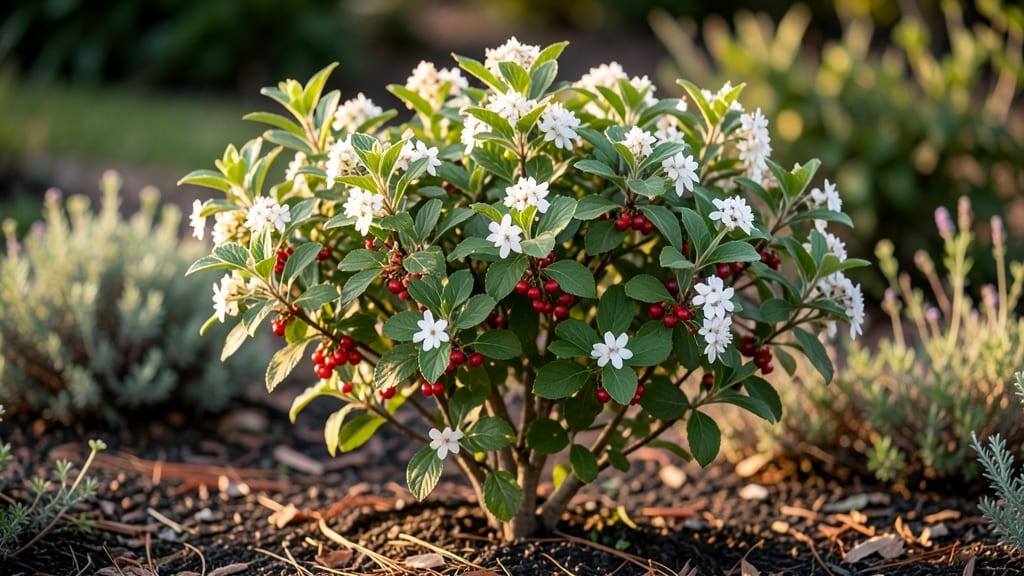
The Korean Spice Viburnum (Viburnum carlesii) transforms your garden into a fragrant sanctuary with its spicy-scented leaves and showy spring blooms. 🌿 I’ve grown this shrub for years, and its unique aroma—like a mix of cloves and cinnamon—makes it a standout in any landscape.
Unlike ordinary viburnums, this one doubles as a culinary asset, with leaves and berries used in traditional fermented condiments. Planting is straightforward: it thrives in partial shade to full sun and tolerates most well-drained soils, though it rewards you best with 6+ hours of sunlight daily.
Water consistently the first year to establish roots, then let nature take over—this shrub is drought-tolerant once established. Prune in late winter to shape it and encourage dense growth, but avoid heavy cuts that remove next year’s flowers.
By mid-spring, you’ll be rewarded with clusters of fragrant white blooms that attract pollinators, followed by red berries that ripen to black. The foliage’s spicy scent lingers when brushed against, making it a sensory delight.
Pair it with dwarf conifers or hostas for contrast, or let it shine as a standalone specimen in borders. For gardeners in USDA Zones 4-8, this shrub is a low-maintenance superstar.
Start with a 2-gallon container plant for the fastest results, and watch it grow into a 6-8 foot tall aromatic powerhouse over time.
📚 In This Guide
- What you need
- Instructions
- Tips and common mistakes
- Wrapping up and next steps
What you need
- ● Fresh Viburnum Berries: 2 cups (packed) – Look for Viburnum opulus (also called cranberry bush). Ensure they’re fully ripe and free of mold.
- ● Apple Cider Vinegar: 1 cup (raw, unfiltered preferred for extra probiotics).
- ● Filtered Water: 1 cup (sterile to avoid contamination).
- ● Granulated Sugar: ½ cup (organic cane sugar works best for fermentation).
- ● Korean Red Pepper Flakes (GoChuGa): 2 tablespoons (adjust to taste for heat lovers!).
- ● Fresh Garlic: 3 cloves, minced (for depth and antimicrobial properties).
- ● Fresh Ginger: 1-inch piece, grated (adds warmth and zing!).
- ● Salt: 1 teaspoon (non-iodized, like sea salt or kosher).
- ○ Optional Fermentation Starter: 1 tablespoon (store-bought or homemade whey, kimchi juice, or sauerkraut brine for faster fermentation).
- ● Clean Mason Jar (or Fermentation Vessel): 1 quart-sized jar with an airtight lid (wide-mouth jars work best for stirring).
- ● Cheesecloth or Fermentation Lid: 1 (to allow airflow during fermentation while keeping pests out).
- ● Wooden Spoon or Non-Reactive Utensil: 1 (sterilized to avoid introducing bacteria).
- ● Measuring Cups and Spoons: Set (for precision!).
- ○ Blender or Food Processor: 1 (optional, for smoother texture if desired).
- ● Small Saucepan: 1 (for sterilizing jars and tools if needed).
- ● 💡 Sterilize everything! Wash jars, utensils, and berries thoroughly to prevent mold or bad bacteria.
- ● 🌡️ Fermentation Space: Choose a cool, dark spot (65–75°F) for your jar—like a pantry or cellar.
- ● ✨ Patience is key: Ferment for 3–7 days, tasting daily. The longer it sits, the tangier it gets!
How to grow and care for Korean spice viburnum shrubs
This hardy, aromatic shrub thrives with minimal fuss—here’s how to cultivate its fragrant foliage and vibrant berries.
🌱 Step 1: Select the Right Location and Prepare the Soil
Korean spice viburnum (Viburnum carlesii) loves full sun to partial shade, ideally 6+ hours of sunlight daily for best fragrance and berry production. Choose a spot with well-draining soil—this shrub hates soggy roots. If your soil is heavy clay, amend it with 2-3 inches of compost mixed into the top 12 inches of soil.
Dig a hole twice as wide as the root ball but only as deep. Loosen the roots gently if they’re circling—this encourages outward growth. The shrub tolerates USDA zones 4-8, so check your hardiness zone before planting. I always test soil pH (aim for 6.0-7.0)—too acidic, and the plant struggles to absorb nutrients.
🪴 Step 2: Plant and Water for Initial Establishment
Place the shrub in the hole so the top of the root ball sits 1 inch above ground level—this prevents rot during heavy rains. Backfill with native soil, pressing gently to remove air pockets. Water deeply right after planting to settle the soil and eliminate gaps.
Keep the soil consistently moist for the first 4-6 weeks, but avoid waterlogging. You’ll know it’s right when the top 2 inches of soil feel damp but not soggy. Mulch around the base with 2-3 inches of organic mulch (like shredded bark) to retain moisture and suppress weeds—just keep mulch 3 inches away from the trunk to prevent rot.
☀️ Step 3: Prune for Shape and Encourage Blooms
Prune in late winter or early spring before new growth appears. Remove dead, crossing, or weak branches first—this improves airflow and reduces disease risk. Then, shape the shrub by cutting back overly long branches by ⅓ to encourage bushier growth. Korean spice viburnum blooms on old wood, so avoid heavy pruning after summer.
Watch for new growth flushes in spring—they’ll signal when to stop pruning. If you notice leggy growth, trim back tips of branches to promote denser foliage. I always sterilize pruners with rubbing alcohol between cuts to prevent bacterial spread.
💧 Step 4: Maintain Through Seasons for Fragrant Foliage
Once established, water deeply once a week during dry spells, aiming for 1-1.5 inches of water. The shrub’s fragrant leaves peak in late spring to early summer, so avoid heavy fertilizing—it can reduce scent. A light application of balanced fertilizer (10-10-10) in early spring is enough unless your soil is nutrient-poor.
In fall, remove spent flower clusters to tidy the shrub, but leave seed heads if you want birds to enjoy the berries. The vibrant red berries appear in late summer to fall and add winter interest. If pests like spider mites appear (common in dry conditions), spray with neem oil—it’s gentle but effective.
⏰ Step 5: Winter Care for Long-Term Health
Korean spice viburnum is highly cold-hardy, but young plants benefit from a 2-3 inch layer of mulch in winter to protect roots. In zones 4-5, wrap the base with burlap if extreme winds are expected—this prevents desiccation. Prune out any winter-damaged branches in early spring before new growth starts.
Here’s the thing—this shrub rewards patience. The intense lemony scent of the foliage (strongest when crushed) and the showy blooms make it worth the wait. After 3-4 years, it’ll establish fully and require minimal care beyond occasional pruning and watering.
Tips & tricks for perfect Korean spice viburnum shrub care
These little-known tricks will help you coax the most fragrant foliage and vibrant berries from your Korean spice viburnum—without the common pitfalls that frustrate new growers.
Soil Preparation Secret: When amending heavy clay soil with compost in Step 1, don't just mix it in—create a "soil sandwich." Dig down 12 inches, then layer 2-3 inches of compost at the bottom of the hole, followed by native soil, then more compost at the top. This creates ideal drainage while still providing nutrients right where the roots need them most. The shrub's delicate roots will thank you by thriving rather than struggling.
Watering Wisdom: That "consistently moist" advice in Step 2 means you should be able to push your finger 2 inches deep and feel dampness—not dripping wet. I've learned this the hard way: soggy soil leads to root rot, while bone-dry soil causes leaf scorch. Use a moisture meter if you're unsure—it's worth the investment for this finicky but rewarding shrub. The key is that top 2 inches should feel like a wrung-out sponge, not a swamp.
Pruning Precision: When shaping the shrub in Step 3, always cut at a 45-degree angle just above a leaf node or bud. This prevents water from pooling on the cut and reduces disease risk. I also recommend pruning on a dry, sunny day when the shrub is dormant—this gives any small cuts time to heal before the next growth flush. And remember: those old wood blooms? They'll reward your patience with spectacular spring fragrance.
Seasonal Maintenance Tip: In Step 4, when you remove spent flower clusters in fall, don't toss them! Dry them out and crush the petals to make a natural, fragrant sachet. The lemony scent of Korean spice viburnum is perfect for linen closets or drawers. This simple trick turns your garden maintenance into a home fragrance solution—what better way to enjoy your plant year-round?
Pro Tips for Korean Spice Viburnum Shrub
- These little-known tricks will help you coax the most fragrant foliage and vibrant berries from your Korean spice viburnum—without the common pitfalls that frustrate new growers.
- Soil Preparation Secret: When amending heavy clay soil with compost in Step 1, don't just mix it in—create a "soil sandwich."
- Watering Wisdom: That "consistently moist" advice in Step 2 means you should be able to push your finger 2 inches deep and feel dampness—not dripping wet.
Frequently asked questions
Got questions about making or using Korean Spice Viburnum Shrub?
You’re not alone! Here are some of the most common queries—and their answers—to help you master this zesty, fermented condiment like a pro.
How long does it take for Korean Spice Viburnum Shrub to ferment?
The fermentation process typically takes 4–6 weeks in a cool, dark place (like a pantry or cellar). Taste it weekly—once the flavors mellow and the vinegar tang develops (but isn’t overpowering), it’s ready! Pro tip: Strain and bottle it when bubbles slow down.
Can I refrigerate the shrub to speed up fermentation?
Nope! Fermentation thrives in warmth (60–75°F), not cold. Refrigerating halts the process entirely. If your kitchen is too hot, place the jar in a slightly cooler spot (like a basement) or wrap it in a towel to buffer temperature swings. Patience is key!
What’s the best way to use this shrub in recipes?
This shrub shines as a marinade for grilled meats (try it on bulgogi or pork belly!), a kimchi ferment booster (add 1–2 tbsp per batch), or a cocktail mixer (drop 1 oz into gin or whiskey). For heat, add it to spicy dips or stir-fries—just 1 tsp packs a punch!
What if my shrub smells “off” or grows mold?
If you spot fuzzy mold or a rotten smell, toss it—fermentation gone wrong can be unsafe. To prevent this, sterilize jars, use clean tools, and ensure the fruit/vinegar mix is fully submerged. Never save moldy shrub; trust your nose!
Can I substitute other fruits or spices?
Swap viburnum berries for hawthorn berries, cranberries, or even gooseberries for a tangier twist. For spices, try star anise, fennel seeds, or a pinch of cinnamon instead of cloves. Just keep the 50/50 fruit-to-vinegar ratio for balance. Experiment!
How long will homemade shrub last once opened?
Once opened, store it in the fridge and use within 3–4 months. The flavors deepen over time, but the acidity may mellow. For longer shelf life, pasteurize it (heat to 160°F for 10 mins) before bottling—this extends freshness to 6+ months.
Wrapping up and next steps
Ready to elevate your dishes with a burst of Korean-inspired flavor? The Korean Spice Viburnum Shrub is your secret weapon—bright, tangy, and packed with aromatic depth. Whether you’re fermenting kimchi, basting grilled meats, or brightening up marinades, this condiment brings a bold, refreshing twist to your cooking.
Now that you’ve got the know-how, roll up your sleeves and experiment! Start small—ferment a batch, taste as you go, and let your creativity shine. Share your creations with friends or save them for your next BBQ—your kitchen (and taste buds) will thank you! 🌿✨