
Aphids
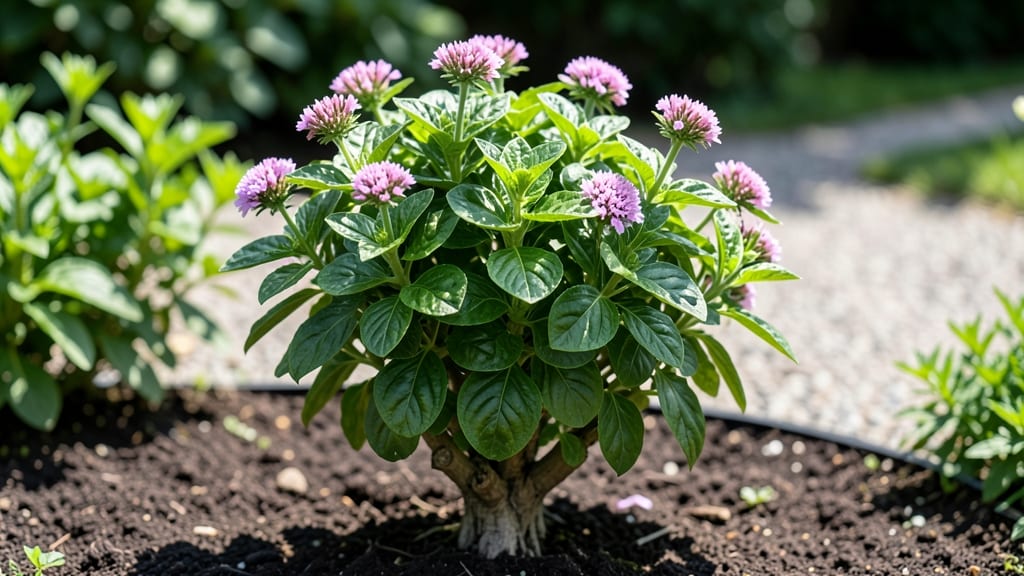
Growing a lemon-scented shrub like Murraya paniculata brings sunshine to your garden with its fragrant foliage and delicate white flowers. 🌿 I’ve learned that this evergreen treasure thrives in warm climates but can also adapt to containers if you live in cooler zones—just bring it indoors before frost.
The secret to success lies in well-draining soil and bright, indirect light. Plant in spring after the last frost, spacing shrubs 6-10 feet apart to allow airflow. Water deeply but infrequently—overwatering is the fastest way to kill these drought-tolerant plants.
Prune lightly after flowering to maintain shape, and watch for pests like spider mites. Aphids occasionally visit, but a strong spray of water usually sends them packing. With minimal care, your shrub will reward you with that signature citrusy aroma year-round.
Perfect for hedges, borders, or as a standalone specimen, this shrub’s versatility makes it a garden workhorse. Once established, it’s nearly maintenance-free and drought-resistant—ideal for busy gardeners.
📚 In This Guide
- What you need
- Instructions
- Tips and common mistakes
- Wrapping up and next steps
What you need
- ● 1 cup fresh lemon juice (about 4-6 lemons, juiced)
- ● 1 cup granulated sugar (adjust to taste for sweetness)
- ● 1 cup apple cider vinegar (or white vinegar for a lighter flavor)
- ● 1 tbsp lemon zest (from about 2-3 lemons, finely grated)
- ● A clean glass jar (16-24 oz, with an airtight lid)
- ● A fine-mesh strainer or cheesecloth
- ● A wooden spoon or silicone spatula for stirring
- ○ Optional: A food processor (for zesting if you prefer)
- ○ Optional: A small funnel (to avoid spills when transferring liquid)
- ● A pinch of cinnamon or cardamom (for warmth)
- ● Fresh rosemary or thyme sprigs (for herbal depth)
- ● A splash of vanilla extract (for complexity)
Step-by-step guide to growing lemon-scented shrub (melissa officinalis)
Here's how to cultivate this fragrant herb—perfect for culinary uses and natural remedies.
🌱 Step 1: Choose and Prepare Your Planting Site
Select a location with partial shade to full sun—this shrub thrives in 4-6 hours of sunlight daily. I always test the soil first with a simple pH test kit; lemon-scented shrub prefers 6.0-7.0 pH. Amend the soil with 2-3 inches of compost to ensure good drainage while retaining moisture.
This herb spreads aggressively, so I recommend planting it in a 12-inch deep container if space is limited. For in-ground planting, space shrubs 3-4 feet apart to prevent overcrowding. Dig a hole twice as wide as the root ball but only as deep—planting too deep can suffocate the roots.
💧 Step 2: Plant and Establish Your Lemon-Scented Shrub
Remove the plant from its container and gently loosen the roots if they're circling. Place it in the prepared hole, ensuring the top of the root ball sits 1 inch below soil level. This helps prevent stem rot while encouraging root growth. Backfill with native soil, tamping lightly to remove air pockets.
Water deeply right after planting—1 gallon per plant—to settle the soil and eliminate air gaps. Mulch with 2-3 inches of organic mulch (like shredded bark) to retain moisture and suppress weeds. The mulch should never touch the stem; keep it 2 inches away to prevent rot.
☀️ Step 3: Maintain Watering and Light Conditions
Keep the soil consistently moist but never soggy—water when the top 1-2 inches feel dry. This shrub is drought-tolerant once established, but young plants need regular moisture. I water mine in the morning to allow foliage to dry before evening, which reduces fungal risks.
Monitor sunlight exposure closely—too much direct sun can scorch the leaves, while too little shade weakens the plant. You'll notice ideal growth when leaves are bright green and glossy, with a strong lemon scent when crushed. If leaves yellow, it's often a sign of overwatering or poor drainage.
✂️ Step 4: Prune for Bushier Growth and Harvesting
Prune in early spring to shape the plant and encourage bushier growth. Cut back leggy stems by one-third to promote new shoots. I always use clean, sharp shears to avoid damaging the stems. Harvest leaves regularly—before flowering—for the strongest lemon flavor. Pinch back new growth to keep the plant compact.
Never harvest more than one-third of the plant at a time. Over-harvesting weakens the shrub and reduces its ability to regenerate. The best time to harvest is in the morning after the dew has dried but before the sun is too intense—this preserves the essential oils and scent.
Tips & tricks for perfect lemon-scented shrub cultivation
Here's what nobody tells you about growing this versatile herb that'll transform your kitchen game.
Sunlight Strategy: While lemon-scented shrub thrives in 4-6 hours of sunlight daily, I've found that morning sun (before 10 AM) gives the best flavor development. The plant's essential oils are most potent when exposed to gentle sunlight rather than harsh afternoon rays. If you're in a hot climate, provide afternoon shade to prevent leaf scorch—this is especially critical during summer months when temperatures exceed 85°F.
Soil Science: The 6.0-7.0 pH range is non-negotiable for optimal growth, but here's the secret: mix in a handful of crushed eggshells when amending with compost. The calcium helps prevent blossom end rot and keeps leaves vibrant. I also add a thin layer of sand to improve drainage if your native soil is heavy clay—this prevents those dreaded yellow leaves that signal poor drainage.
Harvesting Hack: The instructions mention harvesting before flowering, but here's the pro move: focus on the youngest leaves. They contain the highest concentration of lemon-scented compounds. I harvest by pinching off individual leaves rather than cutting stems—this encourages bushier growth and prevents shock to the plant. Always harvest in the morning when essential oils are at their peak concentration.
Container Advantage: If you're using that 12-inch deep container I recommended, add a layer of gravel at the bottom for improved drainage. The shrub's aggressive root system will appreciate this extra space, and you'll avoid the common problem of waterlogged roots. For container gardening, I use a well-draining potting mix blended with perlite—this keeps roots happy while maintaining moisture retention.
Pro Tips for Lemon Scented Shrub
- Here's what nobody tells you about growing this versatile herb that'll transform your kitchen game.
- Sunlight Strategy: While lemon-scented shrub thrives in 4-6 hours of sunlight daily, I've found that morning sun (before 10 AM) gives the best flavor development.
- Soil Science: The 6.0-7.0 pH range is non-negotiable for optimal growth, but here's the secret: mix in a handful of crushed eggshells when amending with compost.
Frequently asked questions
Got questions about making your own lemon-scented shrub?
Here are answers to the most common ones—from troubleshooting to timing—so you can craft the perfect zesty infusion every time!
What’s the best type of lemon for shrub?
Use organic lemons when possible—their thicker skins hold more oils, giving your shrub a brighter, more aromatic flavor. Conventional lemons work too, but organic reduces pesticide residue. Avoid overly ripe or moldy fruit, as it can spoil the vinegar’s tang.
How long does shrub last in the fridge?
Properly stored in an airtight jar, your lemon-scented shrub will keep for 6–12 months in the fridge. The vinegar’s acidity acts as a natural preservative, but flavor may mellow over time. If you notice cloudiness or an off smell, it’s time to toss it!
Can I substitute white vinegar for apple cider vinegar?
While apple cider vinegar adds a subtle sweetness and depth, white vinegar works perfectly for a crisp, bright shrub. For extra complexity, try a 50/50 mix of both. Just ensure the vinegar is 5% acidity or higher for optimal preservation.
Why did my shrub turn cloudy?
Cloudiness is normal if you’re using organic ingredients (like lemon peels), but if it’s thick or smells funky, it may be spoiling. To prevent this, sterilize jars and tools, and ensure lemons are fully submerged in vinegar. If it’s just slightly cloudy, strain it before using—it’s still safe!
How do I use shrub in cocktails vs. desserts?
| Cocktails | Desserts |
|---|---|
| Dilute 1:1 with sparkling water or soda for a shrub soda. Add to gin or vodka for a tangy twist (try a Shrub Spritz with prosecco!). | Reduce shrub with simple syrup (1:1 ratio) for glaze over cakes or pancakes. Fold into whipped cream or yogurt for a zesty topping. |
Pro tip: Strain out solids for cocktails; leave them in for desserts to boost texture and flavor!
Wrapping up and next steps
Transforming your kitchen into a fragrant hub with lemon-scented shrub is easier—and more rewarding—than you think! This versatile infusion adds a zesty twist to cocktails, desserts, and even savory dishes, all while keeping pests like aphids at bay.
Start small, experiment with flavors, and soon you’ll be the go-to host for vibrant, homemade creations.
Ready to elevate your culinary game? Grab your lemons, herbs, and vinegar today—your taste buds (and your garden) will thank you! 🌿✨ Try it out now!