
Aphids
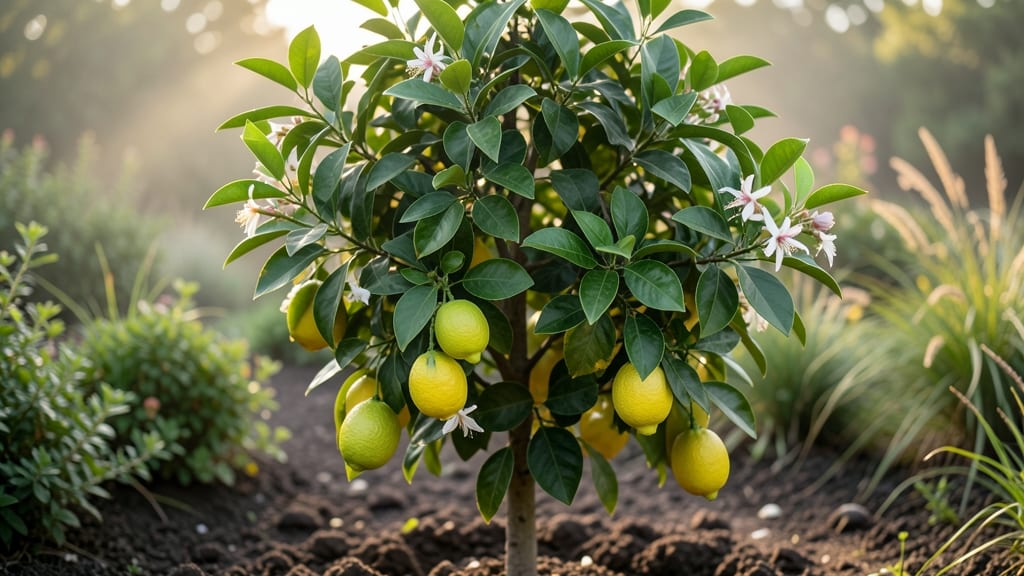
Your garden just got a natural pest-repelling powerhouse with this lemon-smelling shrub—the kind that makes your yard smell like sunshine while keeping aphids away. 🌿 I’ve grown Lemon Verbena for years, and nothing beats the bright citrus scent that lingers on your hands after brushing the leaves.
This isn’t just a pretty plant; it’s a functional one that doubles as a fragrant addition to teas, cocktails, or homemade potpourri.
The secret to growing it successfully is simple: full sun, well-draining soil, and occasional watering—never soggy roots. It thrives in USDA zones 8-11, but you can grow it in pots and bring it indoors during winter if you live in cooler climates.
Prune lightly after flowering to encourage bushier growth, and watch it reward you with year-round fragrance that aphids can’t stand.
By summer’s end, you’ll have a shrub so lush it looks like a lemony cloud in your garden, while also keeping pests at bay. The leaves make a refreshing tea or a zesty garnish for dishes, and the scent alone makes every walk through your yard feel like a vacation.
Plus, it’s one of those plants that gets easier with age—once established, it’s nearly foolproof.
Whether you’re planting it as a border, a container specimen, or near your veggie patch, this shrub delivers dual-purpose beauty and function. Start with one, and you’ll likely end up with three—it’s that addictive. Ready to bring some citrusy magic to your garden?
📚 In This Guide
- What you need
- Instructions
- Tips and common mistakes
- Wrapping up and next steps
What you need
- ● Seeds or a young plant: 1 packet of seeds (50-100 seeds) or 1-2 nursery-grown plants (4-6 inches tall). Pro tip: 💡 Seeds may take 2-3 weeks to germinate, so starting with a young plant saves time!
- ● Well-draining potting mix: 1 bag (5-10 gallons) of cactus/succulent mix or regular potting soil amended with perlite or sand (for drainage).
- ○ Containers or garden bed: For containers: 1-2 pots (5-7 inches in diameter) with drainage holes. Optional: Decorative pots with saucers to catch excess water.
- ● For in-ground planting: A sunny spot with loose, well-draining soil (full sun to partial shade, 6+ hours of light daily).
- ● Watering can or hose: With a gentle spray nozzle for even moisture.
- ○ Fertilizer (optional but helpful): A balanced, water-soluble fertilizer (10-10-10 or 20-20-20) or organic options like compost tea or fish emulsion.
- ○ Gloves (optional): To protect hands from prickly stems when pruning.
- ● Pruning shears: Sharp, clean pair for trimming and shaping.
- ○ Spray bottle (optional): For misting seedlings or young plants.
- ○ Mulch (optional): 1-2 inches of organic mulch (straw, wood chips) to retain moisture and suppress weeds.
- ● Knowledge of your climate: Lemon verbena thrives in USDA Zones 9-11 but can be grown as an annual in cooler zones.
Step-by-Step guide to growing lemon verbena for fragrant gardens
This fragrant, citrusy shrub thrives with minimal fuss and keeps pests away naturally.
🌱 Step 1: Choose the Right Location and Planting Time
Lemon verbena loves warmth and needs full sun to partial shade—at least 6 hours of sunlight daily. I plant mine in spring after the last frost when soil warms to 60°F or above, but it can handle light frost once established. Pick a spot with well-draining soil—this plant hates soggy roots.
If you're starting from seeds (which takes longer), begin indoors 8-10 weeks before the last frost55°F. You'll know the timing is right when nearby plants like basil or rosemary are already thriving in your garden.
🪴 Step 2: Prepare Soil and Plant with Proper Spacing
Mix compost or aged manure into the soil to improve drainage and fertility—lemon verbena isn't fussy but rewards rich soil with stronger fragrance. Dig a hole twice as wide as the root ball but only as deep. Place the plant so the top of the root ball sits just below soil level.
Space plants 2-3 feet apart—they grow bushy and can spread. If you're planting multiple shrubs, arrange them in a loose cluster rather than a straight line. This encourages air circulation, which prevents fungal diseases. Water deeply right after planting to settle the soil around the roots.
☀️ Step 3: Water and Maintain for Optimal Growth
Water lemon verbena once a week during the first growing season, letting 1-2 inches of water soak into the soil. Once established, it's drought-tolerant but still needs water every 10-14 days in dry climates. You'll know it's thirsty when the leaves start curling slightly at the edges.
Fertilize lightly in spring with a balanced organic fertilizer (10-10-10 ratio). Too much nitrogen makes the plant grow fast but weakens its fragrance. Prune lightly after flowering to encourage bushier growth—just snip back 1/3 of the new growth with clean shears. This keeps the plant compact and fragrant.
✂️ Step 4: Harvest and Preserve the Fragrance
Harvest leaves anytime for their lemony scent, but the best flavor comes just before flowering. Snip stems with 4-6 inches of growth and hang them upside-down in a dry, dark place to dry. You'll know they're ready when the leaves crumble easily between your fingers.
Use dried leaves in sachets, teas, or potpourri. For fresh use, store cut stems in water like flowers—they'll stay fragrant for 1-2 weeks. If aphids appear nearby, crush a few leaves and rub them on affected plants. The strong citrus scent repels pests naturally.
Tips & tricks for perfect lemon verbena growth
Let me share the secrets that'll turn your lemon verbena into the most fragrant, pest-repelling plant in your garden.
Sunlight Strategy: The 6 hours of sunlight mentioned in Step 1 is non-negotiable for maximum fragrance. I've found that positioning your plants near a south-facing window or fence actually gives them an extra 1-2 hours of indirect light during summer months. If you notice leaves losing their vibrant green color, they're not getting enough sun—move them closer to that sunny spot.
Soil Secret: When mixing compost or aged manure into the soil as directed in Step 2, don't skimp! I use about 2-3 inches of compost mixed into the top 6 inches of soil. This creates the perfect balance of drainage and fertility that lemon verbena craves. The stronger the soil, the more intense that lemony aroma becomes.
Watering Wisdom: That once-a-week watering in Step 3 is perfect, but there's a trick: water in the morning so the leaves have all day to dry. Wet foliage at night can lead to fungal issues. I also check the soil moisture by sticking my finger about 2 inches down—if it's dry, that's when to water. This prevents overwatering while keeping roots happy.
Harvesting Hack: For the most potent flavor, harvest just before flowering as mentioned in Step 4, but here's the bonus: if you need fresh leaves quickly, you can harvest smaller amounts more frequently without harming the plant. Just snip a few leaves at a time rather than taking whole stems. The plant will keep producing new growth and fragrance all season long.
Pro Tips for Lemon Smelling Shrub
- Let me share the secrets that'll turn your lemon verbena into the most fragrant, pest-repelling plant in your garden.
- Sunlight Strategy: The 6 hours of sunlight mentioned in Step 1 is non-negotiable for maximum fragrance. I've found th...
- Soil Secret: When mixing compost or aged manure into the soil as directed in Step 2, don't skimp! I use about 2-3 inc...
Frequently asked questions
Got questions about the lemon-smelling shrub (aka Lippia citriodora)? You’re not alone! Here are answers to the most common queries to help you grow and enjoy this fragrant, aphid-repelling powerhouse with confidence.
How fast does lemon-smelling shrub grow, and when will it be ready to use?
The lemon-smelling shrub grows at a moderate pace, typically adding 6–12 inches per year under ideal conditions. In 1–2 years, it’ll reach maturity (3–5 feet tall) and produce abundant leaves for pest control or culinary use. Prune lightly to encourage bushier growth—just avoid cutting into woody stems!
Does it really keep aphids away, and how often should I replant it?
Yes! Its citral and limonene oils disrupt aphid feeding and reproduction. Plant it near vulnerable plants (like roses or veggies) for best results. Replant every 3–5 years or when growth slows—it’s a perennial, so it’ll come back yearly in warm climates (USDA zones 8–11).
Can I grow lemon-smelling shrub in containers, or does it need a garden bed?
It thrives in 5–10 gallon pots with drainage holes and well-draining soil. Use a terracotta or fabric pot to prevent root rot. Place it in full sun to partial shade (6+ hours of sunlight daily). Just know: container-grown shrubs may need annual repotting to accommodate root expansion.
Are there non-toxic alternatives if I don’t want to use this shrub?
If you prefer other aphid deterrents, try these natural options:
- Herbs: Basil, mint, or thyme (plant near aphid-prone plants).
- Essential oils: Neem oil or diluted peppermint oil (spray on leaves weekly).
- Ladybugs: Release beneficial insects—they eat aphids!
- Soap spray: Mix 1 tbsp mild castile soap + 1 quart water (reapply every 5 days).
Why are my lemon-smelling shrub leaves turning yellow or dropping?
Yellowing or dropping leaves usually signal overwatering, underwatering, or poor drainage. Check these fixes:
- Water deeply but infrequently—let soil dry between waterings.
- Ensure pots have drainage holes or amend garden soil with perlite.
- Move to more sunlight if leaves are pale (it’s sun-loving!).
- Prune dead leaves to encourage new growth.
Wrapping up and next steps
The lemon-smelling shrub isn’t just a fragrant addition to your garden—it’s a natural, chemical-free ally against aphids and other pests! 🌿 With its easy-to-grow nature and low-maintenance care, this herb brings beauty, utility, and a zesty aroma to your outdoor space.
Ready to transform your garden into a thriving, pest-resistant paradise?
Start small—plant a few stems or propagate from cuttings—and watch your garden flourish without harsh pesticides. Your next step? Grab your gardening tools, pick up a few lemon-smelling shrub plants, and give your garden the fresh, citrusy boost it deserves! 🌱