
Shrubs
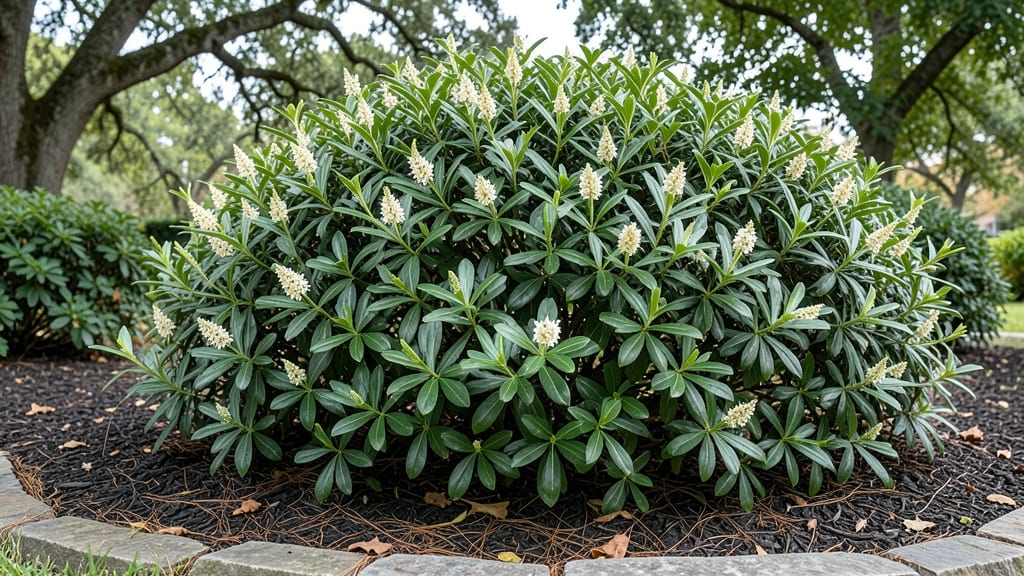
That fragrant, thornless privet (Ligustrum recurvifolium) transforms any yard into a lush, low-maintenance haven—no fuss, just beauty. 🌿 I fell for it after my last thorny shrub scratched my dog (and me) every time we walked by.
This variety stays tidy, blooms with sweet fragrance, and handles neglect like a champ. The secret to its success? Well-drained soil and full sun to partial shade—it thrives where other shrubs struggle. Water it deeply once established, and prune just twice a year to keep it shaped.
Even in zones 6-9, it survives droughts and poor soil better than most. By summer, you’ll have glossy green leaves and clusters of white flowers that smell like spring. Birds love the berries, and deer avoid it—win-win. The best part?
It grows 3-5 feet tall, perfect for hedges, borders, or even a standalone statement plant. Here’s the twist: No harsh chemicals needed. A light fertilizer in spring keeps it happy, and a quick trim after blooming ensures next year’s flowers.
Ready to grow one that actually stays out of trouble?
📚 In This Guide
- What you need
- Instructions
- Tips and common mistakes
- Wrapping up and next steps
What you need
- ● Privet shrubs: 3–5 Ligustrum recurvifolium plants (1–2 ft tall, spaced 3–5 ft apart for hedges or 6–8 ft for standalone shrubs). Look for healthy, thornless varieties!
- ● Well-draining soil: Mix 1 part native soil with 1 part compost (or peat moss for sandy soil) to improve fertility and drainage.
- ● Organic mulch: 2–3 inches of pine bark, shredded leaves, or wood chips to retain moisture and suppress weeds.
- ● Slow-release fertilizer: 10-10-10 or a balanced organic fertilizer (e.g., 1 lb per 100 sq ft of garden area).
- ● Garden trowel or shovel (for planting)
- ● Pruning shears or hedge clippers (sharp, bypass-style for clean cuts)
- ● Gloves (heavy-duty for pruning, lightweight for planting)
- ● Watering can or hose with a gentle spray nozzle
- ● Measuring tape or stakes (for spacing and hedge alignment)
- ○ String or garden line (optional, for guiding straight hedges 🎯)
- ● Sunlight: Full sun to partial shade (6+ hours of sun daily for best blooms).
- ● Hardiness zone: USDA 5–9 (thrives in temperate climates!).
- ● Water source: Easy access for deep watering 1–2x weekly (more in extreme heat).
- ● Patience: Ligustrum recurvifolium grows 1–2 ft per year—plan for long-term beauty!
Step-by-step guide to planting and establishing Ligustrum recurvifolium privet shrubs
Here’s how to plant your fragrant, thornless privet for years of effortless beauty.
🌱 Step 1: Choose the Perfect Planting Location
Ligustrum recurvifolium thrives in full sun to partial shade, with at least 6 hours of direct sunlight daily for optimal fragrance and dense growth. Avoid deep shade—your shrub will grow leggy and sparse. I always scout the site first, checking for afternoon shade patterns that might stress the plant in summer.
Well-draining soil is critical—privets hate soggy roots. If your soil is heavy clay, amend with 2-3 inches of compost worked into the top 12 inches of soil. The shrub tolerates a wide pH range (5.0–7.5), but slightly acidic soil (6.0–6.5) encourages the best fragrance. Test your soil before planting to avoid surprises.
🪴 Step 2: Dig and Prepare the Planting Hole
Dig a hole twice as wide as the root ball but only as deep—privets dislike being buried too deeply, which can suffocate roots. Loosen the sides of the hole with a shovel to encourage root spread into surrounding soil. I always rake the bottom lightly to break up any compacted layers.
Mix the removed soil with half a bucket of compost and a handful of slow-release fertilizer (10-10-10 works well). This gives your privet a nutrient boost without overwhelming it. Place the shrub in the hole so the top of the root ball sits 1 inch above ground level—this prevents water from pooling around the stem.
💧 Step 3: Plant and Water Thoroughly
Gently remove the privet from its container and place it in the hole, ensuring the roots spread naturally. Fill the hole with the amended soil, pressing lightly to eliminate air pockets but avoiding compaction. Water deeply right after planting—this settles the soil and removes air gaps around the roots.
Add 2-3 inches of mulch (wood chips or shredded bark) around the base, keeping it 3 inches away from the stem to prevent rot. Water again until the soil is evenly moist to a depth of 12 inches. Privets establish best when kept consistently moist for the first 4-6 weeks, but avoid waterlogging—they’re drought-tolerant once established.
☀️ Step 4: Prune for Shape and Fragrance
Light pruning in early spring (just as new growth begins) keeps your Ligustrum recurvifolium dense and fragrant. Remove dead or crossing branches first, then trim back any overgrowth by one-third to encourage bushier growth. I always prune just above a leaf node—this ensures new shoots grow in the right direction.
For a hedge, prune twice a year: once in late spring after flowering and again in early summer. Avoid heavy pruning in fall—it stimulates tender new growth that won’t harden off before winter. The shrub’s natural arching habit means you’ll spend less time shaping it than with other privets.
⏰ Step 5: Maintain for Long-Term Health
Once established, Ligustrum recurvifolium needs minimal care—water only during prolonged dry spells (every 10-14 days in summer if rainfall is scarce). Fertilize lightly in early spring with a balanced fertilizer (5-5-5), but skip fertilizer in the first year to avoid stressing young roots.
Watch for aphids or scale insects—they occasionally target privets. A strong spray of water usually dislodges them, but for stubborn infestations, apply neem oil in early morning to avoid harming pollinators. The thornless variety means no worries about pruning injuries, making maintenance a breeze.
Tips & tricks for perfect Ligustrum recurvifolium planting
Here's what I've learned from years of growing fragrant privets without the headaches.
Sunlight Strategy: While Ligustrum recurvifolium thrives with at least 6 hours of sun daily, I've found the sweet spot is actually 7-8 hours for maximum fragrance. Morning sun with afternoon shade works beautifully—this prevents leaf scorch while still encouraging dense growth. Watch for afternoon shade patterns before planting, especially in hot climates where midday sun can stress young plants.
Soil Prep Secret: The 2-3 inches of compost recommendation is perfect, but I take it one step further by adding a handful of perlite to the mix when amending heavy clay soil. This creates tiny air pockets that improve drainage while maintaining moisture retention. The perlite also helps prevent soil compaction around those critical root zones during the first 4-6 weeks of establishment.
Watering Wisdom: When establishing your privet, I've found that watering in the morning hours gives the roots time to absorb moisture before evening evaporation. For the first 4-6 weeks, I water deeply every 3-4 days rather than sticking to a strict schedule—always check soil moisture 2 inches down. The goal is consistently moist but never soggy soil during this critical root development period.
Pruning Precision: When trimming back overgrowth by one-third in early spring, I always make my cuts just above a leaf node at a 45-degree angle. This creates a larger surface area for new growth while directing it outward rather than inward. For hedge shaping, I use sharp pruning shears and make clean cuts rather than tearing—this prevents disease entry points and maintains that beautiful natural arching habit.
Pro Tips for Ligustrum Recurvifolium Privet Shrub
- Here's what I've learned from years of growing fragrant privets without the headaches.
- Sunlight Strategy: While Ligustrum recurvifolium thrives with at least 6 hours of sun daily, I've found the sweet spo...
- Soil Prep Secret: The 2-3 inches of compost recommendation is perfect, but I take it one step further by adding a han...
Frequently asked questions
Got questions about growing Ligustrum recurvifolium? You’re not alone! Here are answers to the most common queries about this fragrant, thornless privet shrub to help you grow with confidence.
Is Ligustrum recurvifolium deer-resistant?
While it’s not fully deer-proof, Ligustrum recurvifolium is less appealing to deer than many other shrubs. Its tough leaves and milder fragrance compared to other privets make it a better choice for deer-prone areas—but don’t expect it to be 100% safe. For extra protection, consider adding a natural repellent or a physical barrier.
How fast does Ligustrum recurvifolium grow?
This shrub grows at a moderate pace, typically adding 12–24 inches per year under ideal conditions (full sun to partial shade, well-drained soil). With patience, it can reach 6–10 feet tall and wide in 3–5 years. Prune annually to shape it and encourage denser growth.
Can I grow Ligustrum recurvifolium in containers?
Yes! This shrub adapts well to containers, making it perfect for patios, balconies, or small gardens. Choose a pot at least 18–24 inches wide and deep with drainage holes. Use a high-quality potting mix and repot every 2–3 years to refresh the soil. Just keep in mind it may grow slower in containers.
Why aren’t my Ligustrum recurvifolium leaves fragrant?
If your privet isn’t releasing its signature sweet scent, check these factors: sunlight (needs at least 4–6 hours of sun daily), watering (keep soil moist but not soggy), and age (young plants may take 1–2 years to fully develop fragrance). Over-fertilizing can also dull the scent—stick to a balanced, slow-release fertilizer in spring.
What’s the best time to prune Ligustrum recurvifolium?
Prune late winter or early spring (before new growth starts) to shape the shrub and encourage bushiness. You can also do a light trim after flowering (summer) to maintain its shape. Avoid heavy pruning in fall, as it may stimulate tender new growth that won’t survive winter. Always use clean, sharp tools to prevent disease.
Are there alternatives to Ligustrum recurvifolium for fragrant shrubs?
If you love the scent but want options, consider these low-maintenance alternatives:
- Abelia – Fragrant flowers, drought-tolerant, and deer-resistant.
- Daphne – Intense winter fragrance (but needs well-drained soil).
- Gardenia – Creamy blooms with a tropical scent (thrives in shade).
- Osmanthus – Evergreen with a sweet, apple-like aroma.
Wrapping up and next steps
The Ligustrum recurvifolium privet shrub is a standout choice for gardeners seeking fragrant, thornless beauty with minimal fuss. Its glossy foliage, delicate flowers, and adaptability make it perfect for hedges, borders, or even container gardening—all while thriving in various climates.
Whether you're a beginner or a seasoned pro, this shrub delivers low-maintenance elegance that keeps your garden looking polished year-round.
Ready to elevate your outdoor space? Plant one today and enjoy the rewards of a lush, fragrant landscape that feels like a breeze to care for! 🌿✨