
Shrubs
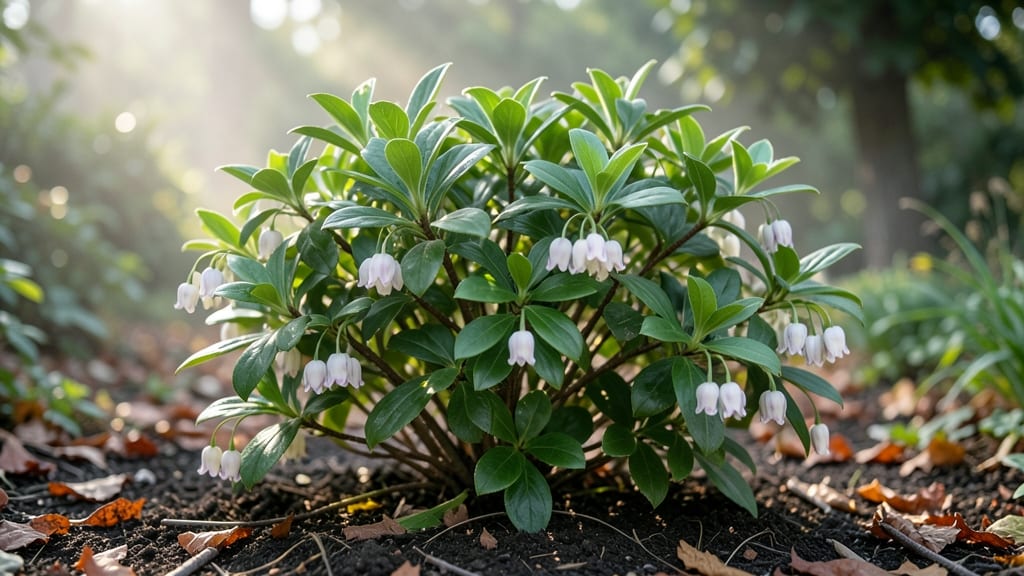
Pieris japonica isn't the fragrant ground cover you're used to calling "lily of the valley"—it's a fragrant evergreen shrub with cascading white blooms that smell like spring in a bottle. 🌿 I've been growing these for years, and they've become the backbone of my shade garden, offering year-round structure and that intoxicating fragrance that wafts through my yard every spring.
The key to their success lies in moist, acidic soil and dappled shade—conditions that mimic their native Japanese forests. Plant them in well-draining soil with a pH between 4.5 and 6.0, and choose a spot where they'll get morning sun and afternoon shade.
These shrubs thrive in USDA zones 5-8, making them versatile for cool to mild climates.
With proper pruning, you'll transform Pieris japonica into a neat, layered masterpiece that blooms prolifically for decades. The secret is light shaping after flowering—never cutting into old wood—and removing any leggy growth to maintain that lush, compact form.
I've seen mine reach 6 feet tall with careful attention to their natural shape.
These shrubs are perfect for foundation plantings, woodland gardens, or as a fragrant backdrop for perennials. The bonus? They're deer-resistant and attract pollinators early in the season. Once established, they're low-maintenance, but that first year demands consistent moisture to help roots spread.
📚 In This Guide
- What you need
- Instructions
- Tips and common mistakes
- Wrapping up and next steps
What you need
- ● Pruning shears: Bypass pruners (sharp, clean, and sterilized with rubbing alcohol or bleach to prevent disease). Quantity: 1 pair.
- ● Loppers: For thicker branches (1–2 inches in diameter). Quantity: 1 pair.
- ● Hand pruners: For delicate trimming (e.g., shaping small branches). Quantity: 1 pair.
- ● Gloves: Heavy-duty gardening gloves (cut-resistant for safety). Quantity: 1 pair.
- ○ Disposable pruning bags: For collecting clippings (optional but helpful for cleanup). Quantity: 1–2 bags.
- ● Rake or broom: To clear fallen leaves/debris. Quantity: 1.
- ● Pruning sealant: (e.g., tree wound dressing) for large cuts to prevent disease. Quantity: Small tube.
- ● Spray bottle with water: To dampen clippings and reduce dust.
- ● Notebook & pen: To jot down notes on your shrub’s growth habits.
- ● Safety glasses: If working with thick branches or debris.
- ● Know your Pieris japonica variety—some prefer lighter pruning than others!
- ● Check the weather: Aim for a dry, mild day (avoid pruning in frost or extreme heat).
- ● Gather inspiration: Sketch or reference photos of your desired shrub shape.
Step-by-step guide to pruning Pieris japonica for a fragrant canopy
Mastering the art of pruning this evergreen shrub ensures lush growth and those signature fragrant blooms.
✂️ Step 1: Time Your Pruning for Optimal Growth
Pieris japonica thrives when pruned immediately after flowering, typically in late May or early June. This timing allows the plant to focus energy on new growth rather than seed production. I always wait until the last blooms fade completely—you'll notice the flower clusters turning brown and dropping naturally.
Never prune in fall or winter, as cold stress weakens the plant. If you miss the spring window, a light shaping trim in early spring before buds swell is better than no pruning at all. Just avoid heavy cuts that could stress the shrub before its growing season kicks in.
✂️ Step 2: Remove Dead or Damaged Wood First
Start by inspecting the shrub for any branches that are dead, diseased, or crossing. Dead wood appears grayish-brown and snaps easily when bent, while diseased branches may show black spots or oozing sap. Use clean, sharp pruners to make 45-degree cuts just above a healthy bud or lateral branch.
If you spot any branches rubbing against each other, remove the weaker of the two. Pieris japonica has a naturally dense growth habit, so eliminating these potential wounds prevents future infections. I always sanitize my pruners with rubbing alcohol between cuts to prevent spreading any pathogens.
✂️ Step 3: Shape the Shrub for Airflow and Light Penetration
Pieris japonica benefits from an open, vase-like shape that allows light and air to reach the center. Start by thinning out the interior branches—remove about one-third of the oldest stems at ground level to encourage new growth from the base. This rejuvenation step prevents the shrub from becoming woody and leggy over time.
For the remaining branches, cut back the longest stems by about one-third of their length to maintain a balanced silhouette. Focus on creating a natural taper, with the widest part at the base narrowing toward the top. You'll know you've achieved good airflow when you can see light filtering through the center of the shrub.
✂️ Step 4: Refine the Canopy for Dense Foliage
Now focus on the outer branches to create a lush, dense canopy. Trim back any stems that are growing inward or downward, as these create a messy appearance and block light from reaching the interior. Make your cuts just above a set of leaves or a healthy bud facing outward to encourage new growth in the right direction.
For a more formal look, you can lightly shape the outer edges with small, precise cuts. Remember, Pieris japonica responds well to gradual shaping—avoid removing more than 25% of the plant's total foliage in one season. The goal is to maintain that signature fragrant display while keeping the shrub healthy and vigorous.
💧 Step 5: Post-Pruning Care for Rapid Recovery
After pruning, water the shrub deeply to help it recover from the stress of cutting. Pieris japonica prefers well-draining, acidic soil, so a layer of organic mulch around the base helps retain moisture and regulate soil temperature. Keep the mulch 2-3 inches thick but avoid piling it against the trunk.
In the weeks following pruning, monitor the shrub for new growth. You should see fresh, vibrant foliage emerging from the pruned areas within 4-6 weeks. If the plant looks stressed, a light application of balanced fertilizer in early spring can encourage robust regrowth. Just avoid fertilizing immediately after pruning, as it can stimulate tender new growth that may be damaged by late-season frosts.
Tips & tricks for pruning Pieris japonica
These subtle adjustments will transform your pruning from routine maintenance to a technique that truly enhances your shrub's fragrant beauty.
Timing is Everything: The critical window of late May to early June isn't just about avoiding seed production—it's when your shrub's energy naturally shifts toward new growth. I've seen firsthand how plants pruned outside this window often produce fewer blooms the following spring. If you must prune later, that early spring shaping trim before buds swell is your safety net, but it won't stimulate the same vigorous regrowth as the post-bloom timing.
Tool Preparation Matters: Your pruners are more important than you might think. I always sterilize my tools with rubbing alcohol between cuts—not just to prevent disease spread, but because I've noticed that clean tools actually make the cutting process smoother. Dull blades tear tissue instead of making clean cuts, which slows healing. For larger branches, consider using loppers with a 45-degree cutting angle—they make those precise cuts above healthy buds much easier to execute accurately.
Visual Cues for Perfect Cuts: When shaping, look for the natural taper your shrub wants to create. The widest part should be at the base, gradually narrowing upward. A good test is to stand back and see if light filters through the center—if it doesn't, you need to thin more interior branches. For the one-third reduction of oldest stems, I find it helpful to mark the stems I'll remove with a piece of twine before making any cuts. This prevents over-thinning and gives me a clear visual target.
Post-Pruning Observation: That 4-6 week window for new growth isn't just a guess—it's when Pieris japonica's cambium layer (the growth-producing tissue) becomes most active. I mark my calendar and check for fresh green growth at the cut edges. If you don't see new shoots emerging within this time, it might indicate stress from either too aggressive pruning or poor soil conditions. The mulch thickness matters here too—2-3 inches is perfect for moisture retention without suffocating the roots.
Pro Tips for Lily Of The Valley Shrub Pieris Japonica
- These subtle adjustments will transform your pruning from routine maintenance to a technique that truly enhances your...
- Timing is Everything: The critical window of late May to early June isn't just about avoiding seed production—it's wh...
- Tool Preparation Matters: Your pruners are more important than you might think. I always sterilize my tools with rubb...
Frequently asked questions
about Pieris japonica (Lily of the Valley Shrub) can help you care for this stunning plant with ease. Here are answers to common queries:How often should I prune my Pieris japonica?
Prune your Pieris japonica once a year, ideally right after flowering (late spring). Light shaping can be done in early summer, but avoid heavy pruning—this shrub thrives on its natural, lush form. Never prune in fall or winter to prevent frost damage.
When do Pieris japonica flowers bloom, and how long do they last?
These fragrant blooms appear in early to mid-spring (March–May, depending on climate). Flowers last 3–4 weeks, offering a stunning display before the lush foliage takes center stage. For extended blooms, deadhead spent flowers (but avoid heavy pruning—it reduces next year’s flowers!).
Can Pieris japonica grow in full sun? What’s the ideal light?
Pieris japonica prefers partial shade (morning sun + afternoon shade) but tolerates full shade in hot climates. Avoid harsh afternoon sun—it can scorch leaves. In cooler regions, it handles morning sun + light afternoon exposure beautifully.
Why are my Pieris japonica leaves turning yellow or brown?
Yellowing leaves often signal overwatering or poor drainage. Brown edges or crispy leaves usually mean underwatering or sunburn. Check soil moisture (it should stay lightly damp but not soggy) and adjust watering. Fungal issues (like powdery mildew) can also cause yellowing—improve airflow and avoid wetting foliage.
What’s a good alternative if I want a fragrant shrub but Pieris japonica is too high-maintenance?
Try Daphne odora (Winter Daphne) for winter blooms and fragrance, or Abelia grandiflora for year-round interest with minimal pruning. Camellia sasanqua also offers winter flowers and glossy leaves, though it prefers warmer climates.
Pro Tip: Mulch around your Pieris japonica to retain moisture and protect roots—this shrub rewards consistency with vibrant blooms and lush growth for decades!
Wrapping up and next steps
Mastering the art of pruning your Pieris japonica—or lily of the valley shrub—transforms it from a simple plant into a fragrant, show-stopping centerpiece. With the right tools, timing, and techniques, you’ll encourage vibrant blooms, lush foliage, and years of beauty. Your green thumb is ready to shine!
Ready to elevate your garden? Start small: pick one pruning task this season—whether it’s shaping, rejuvenating, or deadheading—and watch your Pieris japonica thrive. Happy gardening! 🌿✨