
Shrubs
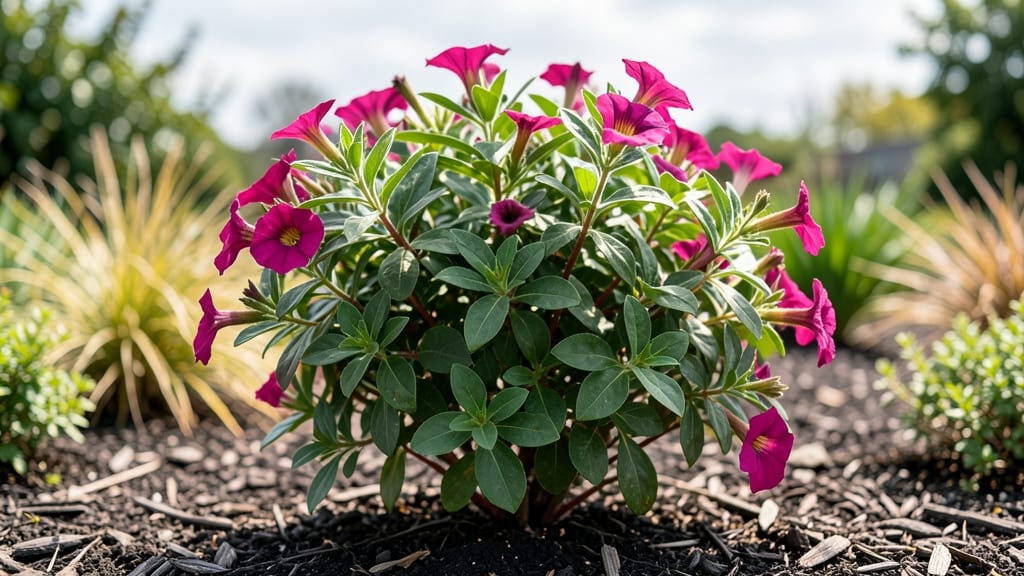
Growing the Little Devil shrub means year-round color without the thorns or hassle of traditional lantanas. 🌿 I’ve watched this compact beauty transform bare spots in my garden with its velvety foliage and clusters of tiny, vibrant blooms—even when everything else has gone dormant.
The secret lies in its sunlight love and drought tolerance, but don’t let that fool you into neglect. This shrub thrives in full sun to partial shade and well-draining soil, making it perfect for borders, containers, or even as a low-maintenance hedge.
Just avoid soggy roots, and it’ll reward you with nonstop blooms from spring through frost. Pruning is where the magic happens—shearing back in early spring keeps it dense and bushy, while deadheading spent flowers encourages even more blooms.
Propagation is a breeze too: simply snip a healthy stem, dip it in rooting hormone, and watch new plants take hold in 4-6 weeks. Whether you’re filling a sunny corner or adding texture to a mixed border, this shrub delivers low-maintenance beauty with zero fuss.
Let’s get those roots in the ground!
📚 In This Guide
- What you need
- Instructions
- Tips and common mistakes
- Wrapping up and next steps
What you need
- ● Little Devil shrub: 1 nursery-grown plant (3–6 inches tall) or seeds (if propagating from scratch).
- ● Well-draining potting mix: 5–10 gallons (for containers) or amend garden soil with compost and perlite (for in-ground planting).
- ○ Container (optional but recommended): 1 large pot (12–18 inches in diameter) with drainage holes, or
- ● Direct garden bed in full sun (6+ hours daily).
- ● Slow-release fertilizer: 1 packet (10–15–10 NPK ratio) for potted plants.
- ● Pruning shears: Sharp, sterilized pair for trimming.
- ● Gloves: Heavy-duty (thorns are not as fierce as the name suggests, but they’re still sneaky! 😉).
- ● Watering can or hose: With a gentle spray nozzle.
- ○ Mulch (optional): 2–3 inches of pine bark or gravel to retain moisture.
- ○ Stakes (optional): For young plants in windy areas.
How to grow and maintain Little Devil shrubs for a lush, thorn-free landscape
Here's my foolproof method for cultivating these stunning, low-maintenance shrubs that thrive year-round.
🌱 Step 1: Select the Perfect Planting Site
The Little Devil shrub thrives in full sun to partial shade, making it versatile for most landscapes. I always choose a location with at least 6 hours of direct sunlight daily—this ensures vibrant foliage and robust growth. Well-draining soil is critical; these shrubs hate soggy roots, so avoid low spots where water pools.
Test your soil by digging a 6-inch hole—if water drains within 30 minutes, your site is ideal. Amend heavy clay with compost or sand to improve drainage. I like to plant mine in groups of 3-5 for a natural, fuller appearance, spacing them 4-6 feet apart to allow for mature growth.
🪴 Step 2: Plant with Care for Strong Root Establishment
Dig a hole twice as wide as the root ball but no deeper—this prevents burying the shrub too deeply, which can suffocate roots. Gently loosen the roots if they’re circling the container, then place the shrub in the hole so the top of the root ball sits 1 inch above ground level. This slight elevation helps prevent rot during heavy rains.
Backfill with native soil mixed with compost (about 1/3 compost to 2/3 soil) to give your Little Devil a nutrient boost. Water deeply right after planting to settle the soil and eliminate air pockets. You’ll know it’s done when the soil looks firm and no gaps remain around the roots.
☀️ Step 3: Water and Mulch for Thriving Growth
Water your new shrubs deeply once a week during the first year, ensuring the soil is moist 6 inches down. After establishment, they’re drought-tolerant, but consistent moisture in the first year encourages strong root development. I use a soaker hose or drip irrigation to deliver water slowly at the base, avoiding wetting the leaves to prevent fungal issues.
Apply a 2-3 inch layer of mulch around the base, keeping it 3 inches away from the trunk to prevent rot. Organic mulch like shredded bark or pine straw breaks down slowly, improving soil structure over time. Replenish mulch annually to maintain its insulating properties and suppress weeds.
✂️ Step 4: Prune for Shape and Health
Prune your Little Devil shrubs in late winter or early spring before new growth begins. Remove any dead, damaged, or crossing branches first—this keeps the shrub open and airy, reducing disease risk. For shaping, cut back 1/3 of the oldest growth each year to encourage fresh, vibrant foliage and maintain a compact form.
Use clean, sharp pruners to make cuts at a 45-degree angle just above a leaf node or outward-facing bud. Avoid heavy pruning in fall, as new growth won’t harden off before winter. You’ll notice a burst of new growth within 4-6 weeks of pruning—this is your signal that the shrub is responding well.
🌿 Step 5: Monitor and Maintain Year-Round
Little Devil shrubs are remarkably low-maintenance, but I still check them monthly for pests like spider mites or aphids. A strong spray of water usually dislodges soft-bodied pests, but for stubborn infestations, I use neem oil as a natural remedy. Fertilize lightly in early spring with a balanced, slow-release fertilizer to support steady growth.
In colder climates, these shrubs handle frost well, but a thick layer of mulch (up to 4 inches) insulates roots during harsh winters. Watch for signs of stress like yellowing leaves or stunted growth—these usually indicate overwatering or poor drainage. Adjust your care routine accordingly, and you’ll enjoy a thriving, thorn-free shrub for years.
Tips & tricks for perfect Little Devil shrub landscaping
These little-known secrets will help you cultivate a thriving, thorn-free Little Devil shrub that stands out in any landscape.
Sunlight Strategy: While the shrub thrives in full sun to partial shade, I've found that morning sun with afternoon shade creates the most vibrant foliage. The 6 hours of sunlight mentioned in Step 1 should be the brightest part of the day to prevent leaf scorch. If planting in hot climates, provide afternoon shade during the first growing season until roots establish.
Root Ball Preparation: Before planting, soak the root ball for 15-20 minutes to help reduce transplant shock. This pre-watering ensures the roots are hydrated when you place them in the hole. In Step 2, when you're loosening circling roots, be gentle—tearing can damage the delicate root tips that need to establish quickly. A simple fork works better than your hands for this delicate task.
Mulching Mastery: The 2-3 inch mulch layer in Step 3 is perfect, but here's what I do differently: I always add a handful of mycorrhizal fungi granules to the planting hole before backfilling. These beneficial fungi help establish a stronger root system. Then, when I apply mulch, I create a small well around the base to direct water straight to the roots during those first critical weeks.
Pruning Precision: When you're pruning in late winter or early spring, focus on removing branches that grow inward first—they're the ones that create that dense, thorny mess we're trying to avoid. For shaping cuts, I recommend using a bypass pruner instead of anvil pruners, as they create cleaner cuts that heal faster. The 4-6 week growth response mentioned in Step 4 is your reward for precise pruning—watch for those fresh green shoots as your signal of success.
Pro Tips for Little Devil Shrub
- These little-known secrets will help you cultivate a thriving, thorn-free Little Devil shrub that stands out in any landscape.
- Sunlight Strategy: While the shrub thrives in full sun to partial shade, I've found that morning sun with afternoon shade creates the most vibrant foliage.
- Root Ball Preparation: Before planting, soak the root ball for 15-20 minutes to help reduce transplant shock.
Frequently asked questions
Is the Little Devil shrub really thorn-free?
The Little Devil shrub (Lantana camara 'Little Devil') is prized for its lack of thorns, making it a safer choice for gardens with kids or pets. While some Lantana varieties have spiny stems, this cultivar is bred to be smooth—perfect for touch-friendly landscaping! Just double-check your plant’s tag to confirm.
How long does it take for a Little Devil shrub to mature?
With proper care, your Little Devil shrub can reach 3–5 feet tall and wide within 2–3 years. Growth speed depends on sunlight, soil, and watering consistency. Prune regularly to encourage bushier growth—think of it like sculpting a living masterpiece!
Can I grow Little Devil in containers, or does it need a garden bed?
This shrub thrives in containers (15+ gallons) with drainage holes, making it ideal for patios or balconies. Use well-draining potting mix and place it in full sun. Just repot every 2–3 years to refresh the soil—container plants love a little TLC!
Are Little Devil shrubs toxic to bees or butterflies?
Great news for pollinators! While Lantana flowers are non-toxic to bees and butterflies, they’re also not a primary food source like milkweed. Plant it alongside pollinator favorites (e.g., coneflowers) to create a buzz-worthy garden. Plus, its vibrant blooms add a splash of color that attracts beneficial insects!
Why are my Little Devil leaves turning yellow or dropping?
Yellowing leaves often signal overwatering or poor drainage. Let the top 1–2 inches of soil dry out between waterings, and ensure your pot or bed has excellent drainage. Little Devil shrubs are drought-tolerant once established—soak the roots deeply but infrequently. If pests like spider mites are to blame, hose them off or use neem oil.
Does Little Devil need winter protection?
In USDA Zones 8–11, this shrub handles winters well, but light frost can damage tender new growth. Mulch the base with 2–3 inches of organic matter (like shredded bark) to insulate roots. In colder zones (7 or below), grow it as an annual or overwinter indoors with bright light. Brrr—better safe than sorry!
Wrapping up and next steps
The Little Devil shrub is a game-changer for gardeners craving low-maintenance, thorn-free beauty with year-round appeal! Its vibrant foliage, resilience, and adaptability make it a standout choice for borders, hedges, or even containers.
With the right care—sunlight, well-draining soil, and occasional pruning—you’ll enjoy its lush greenery (or fiery hues!) for seasons to come.
Ready to transform your space? Start small: Grab a cutting or seedling, follow the tips above, and watch your Little Devil thrive! 🌿✨ Happy gardening!