
Pests
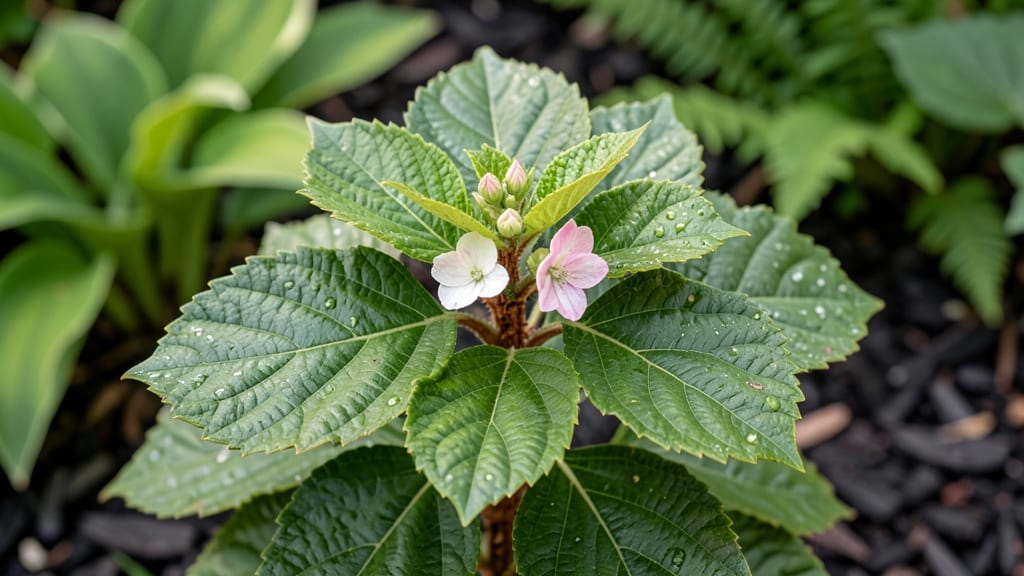
Deer-resistant shade shrubs are the secret to a lush, low-fuss garden. 🌿 After years of battling hungry deer and struggling with high-maintenance plants, I finally found shade-loving shrubs that thrive with minimal care—and keep those four-legged pests at bay.
The key is choosing plants that naturally repel deer while handling shade well. Think boxwoods, inkberry hollies, or pieris—they stay green year-round, grow at a steady pace, and rarely need pruning. Most only require a single trim per year, and their dense foliage blocks deer while creating privacy.
You’ll end up with a garden that stays vibrant without constant upkeep. The shrubs grow tall enough to block views but stay manageable, and their glossy leaves add texture without needing extra water or fertilizer. Perfect for woodland edges, formal hedges, or mixed borders.
Here’s how to pick the right ones for your space!
📚 In This Guide
- What you need
- Instructions
- Tips and common mistakes
- Wrapping up and next steps
What you need
- ● Deer-resistant shade shrubs (5–10 plants, depending on coverage needs): Boxwood (Buxus) – 3–5 plants (slow-growing, dense, and deer-deterrent)
- ● Oakleaf Hydrangea (Hydrangea quercifolia) – 3 plants (fragrant, shade-tolerant, and deer-unappealing)
- ● Inkberry Holly (Ilex glabra) – 4–6 plants (evergreen, drought-tolerant, and deer-resistant)
- ● Dwarf Fothergilla (Fothergilla gardenii) – 2–3 plants (compact, fall foliage, and deer-proof)
- ● High-quality potting soil or native soil mix: 2–3 cubic yards (depending on planting area)
- ● Organic mulch (pine bark or shredded leaves): 1–2 bags (3–4 inches thick)
- ● Slow-release fertilizer (10-10-10 or organic option): 1–2 bags (follow package instructions)
- ● Basic gardening tools: Trowel or hand shovel
- ● Garden gloves (1 pair)
- ● Pruners (bypass pruners for clean cuts)
- ● Measuring tape (for spacing plants 3–6 feet apart)
- ○ Optional (but helpful!): Wheelbarrow (for hauling soil/mulch)
- ● Hose with nozzle (for watering)
- ○ Deer repellent spray (optional, for extra protection)
- ● Soil pH test kit (to ensure acidic to neutral soil (pH 5.0–7.0))
- ● Prerequisites: Sunlight assessment (partial to full shade, <6 hours of direct sun)
- ● Well-draining soil (amend with compost if needed)
- ● Local nursery or online order for deer-resistant shrubs
Step-by-Step guide to planting low-maintenance deer-resistant shade shrubs
Here's how to create a lush, private shade garden that deer won't touch—and requires minimal upkeep.
🌱 Step 1: Choose the Right Shrubs for Your Space
Start with four proven varieties that thrive in shade and repel deer: inkberry holly, dappled willow, boxwood, and pieris. I like to mix textures—inkberry's glossy leaves contrast beautifully with dappled willow's delicate foliage. All four tolerate partial to full shade and grow well in USDA zones 5-9.
Check your soil type first. These shrubs prefer well-draining, slightly acidic soil (pH 5.0-6.5). If your soil is heavy clay, amend with 2-3 inches of compost when planting. I always test pH before planting—alkaline soil will stunt growth and make leaves yellow.
🪴 Step 2: Prepare Planting Holes and Transplant Carefully
Dig holes twice as wide as the root ball but only as deep—planting too deep suffocates roots. Space shrubs 3-5 feet apart depending on mature size (closer for boxwood, farther for inkberry). Remove plants from containers and loosen roots gently if they're circling.
Set each shrub in its hole so the top of the root ball sits just below soil level. Backfill with native soil mixed with 1 part compost to improve drainage. Water deeply to settle the soil—you'll see roots spread within a week if moisture is right.
☀️ Step 3: Mulch and Water for Establishment
Spread 2-3 inches of mulch (pine bark or shredded leaves) around each plant, keeping it 3 inches away from stems to prevent rot. Mulch conserves moisture and blocks weeds—exactly what you want for low-maintenance shade gardens. I use pine straw because it acidifies the soil slightly over time.
Water deeply once a week for the first 6-8 weeks until roots establish. You'll know they're settled when leaves stay firm and green, not wilting. After that, these shrubs tolerate drought once established—just 1 inch of water every 2 weeks in dry spells.
✂️ Step 4: Prune Strategically for Year-Round Privacy
Prune only when necessary—these shrubs handle neglect beautifully. Cut back leggy growth in early spring before new shoots appear. Remove no more than 1/3 of the plant at a time to avoid stress. I shape inkberry holly lightly to encourage dense growth, while dappled willow gets minimal trimming to maintain its natural form.
Deadhead spent flowers in late summer to redirect energy to root growth. Deer-resistant shrubs like these rarely need heavy pruning—just occasional cleanup of dead branches. If you see yellowing leaves, it's usually overwatering or poor drainage, not deer damage.
🌿 Step 5: Maintain Soil Health for Long-Term Growth
Apply 1-2 inches of compost around the base annually in early spring. This feeds roots without encouraging weeds. I top-dress with slow-release fertilizer (10-10-10) only if growth stalls after 2-3 years. Most years, these shrubs thrive without extra feeding.
Monitor for pests occasionally—aphids might visit new growth, but deer stay away. Aphids wash off with water; no chemicals needed. These shade shrubs grow steadily without fuss, forming a dense privacy screen in 3-5 years with proper spacing and care.
Tips & tricks for perfect deer-resistant shade plantings
Here's what I learned after years of trial and error with shade gardens that actually thrive.
Soil Prep Secret: Don't skip the pH test! These shrubs thrive in slightly acidic soil (pH 5.0-6.5). If your soil tests higher, mix in 2-3 inches of compost with a little peat moss at planting time. I've seen alkaline soil turn leaves yellow within weeks—better to fix it before planting than struggle later. The 2-3 inches of compost mentioned in Step 1 is your best insurance against poor drainage too.
Planting Depth Matters: That "just below soil level" guideline in Step 2 is crucial. I once buried inkberry holly too deep and it struggled for two years. The root flare (where roots meet the trunk) should be visible above ground. For container-grown plants, the top of the root ball should sit about an inch below finished soil level. This prevents suffocation while keeping stems stable.
Mulching Strategy: The 2-3 inches of mulch recommendation in Step 3 is perfect, but here's the pro move: use a 3-inch mulch ring around each plant, then taper to 1 inch at the drip line. This creates a moisture reservoir while preventing rot at the stems. Pine straw is ideal because it slowly acidifies the soil over time—just refresh it annually in early spring.
Watering Wisdom: Those first 6-8 weeks of weekly deep watering are non-negotiable. I learned this the hard way when my first planting wilted during a heatwave. After establishment, the 1 inch every 2 weeks guideline works, but check soil moisture first—stick your finger in 2 inches deep. If it's dry, water more frequently. These shrubs are drought-tolerant once established, but they need proper watering to get there.
Pro Tips for Low Maintenance Deer Resistant Shade Shrubs
- Here's what I learned after years of trial and error with shade gardens that actually thrive.
- Soil Prep Secret: Don't skip the pH test! These shrubs thrive in slightly acidic soil (pH 5.0-6.5). If your soil test...
- Planting Depth Matters: That "just below soil level" guideline in Step 2 is crucial. I once buried inkberry holly too...
Frequently asked questions
Got questions about low-maintenance, deer-resistant shade shrubs?
You’re not alone! Here are answers to the most common concerns to help you make the best choices for your yard.
What are the best low-maintenance deer-resistant shrubs for full shade?
Top picks include Oakleaf Hydrangea, Inkberry Holly, Boxwood, and Dwarf Fothergilla. These thrive in shade, require minimal pruning, and deer typically avoid them due to their tough foliage or strong scent. For extra resilience, opt for cultivars like 'Annabelle' Hydrangea or 'Winter Red' Boxwood.
How long does it take for these shrubs to grow enough to block deer?
Most deer-resistant shade shrubs take 2–3 years to reach maturity and provide full coverage. Faster-growing options like Eastern Red Cedar (yes, it’s a shrub!) or 'Green Giant' Arborvitae (partial shade) can offer quicker privacy, while slower growers like Inkberry Holly may take 4+ years. Plan ahead and space plants 3–5 feet apart for denser growth.
Will deer eventually stop eating my "deer-resistant" shrubs?
No shrub is 100% deer-proof, but these varieties are highly deterrent. If deer nibble, try repellents (like Rotten Egg spray), fencing, or physical barriers (e.g., chicken wire). Hungry deer in harsh winters may test boundaries, but consistent maintenance of their preferred food sources (like clover or hostas) reduces temptation.
Can I plant these shrubs in clay soil or poor-draining areas?
Many deer-resistant shrubs tolerate clay or moist soil, but amend the soil first with compost or sand for better drainage. Inkberry Holly and Witch Hazel handle wet conditions well, while Boxwood prefers well-draining soil. If your yard is soggy, consider raised beds or mounding soil around roots. Always check the specific plant’s care guide!
What’s a good alternative if deer keep destroying my yard?
If deer are relentless, try ornamental grasses (like 'Karl Foerster' Feathertop Grass), evergreen ground covers (e.g., Creeping Juniper), or spiny plants like Barberry or Russian Olive. For height, 'Emerald Green' Arborvitae (partial shade) or Thuja varieties are tougher. Pair these with deer-proof mulch (gravel or pine straw) to discourage browsing.
Wrapping up and next steps
Transforming your shady yard into a lush, low-maintenance haven is easier than you think! With deer-resistant shade shrubs, you get year-round privacy and beauty—without the endless pruning or pest battles. These hardy plants thrive with minimal effort, making them the perfect solution for busy homeowners.
Ready to take the next step? Start small—pick one or two shrubs from our list, plant them in well-draining soil, and watch your space flourish. Before you know it, your yard will be the envy of the neighborhood! 🌿✨