
Shrubs
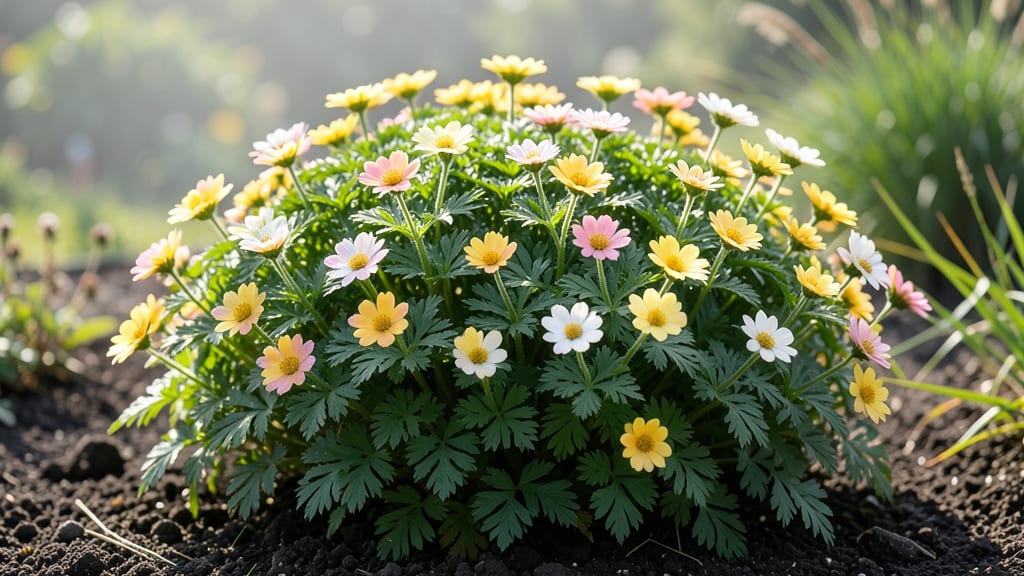
Low-maintenance shrubs for Zone 6 that thrive with minimal effort—this is the dream team for gardeners who want beauty without the fuss. 🌿 I’ve planted and pruned enough struggling shrubs to know that the right choices make all the difference, and these six varieties need barely any attention to look stunning year after year. They handle Zone 6 winters like a breeze, from the first snow to the last frost, and most don’t even need regular pruning. Picture boxwoods with their glossy green leaves staying neat all season or inkberry hollies that stay compact without a single trim. These shrubs are the backbone of a low-stress landscape, offering color, texture, and structure with minimal effort. By mid-summer, you’ll have a garden that looks like it belongs in a magazine—fragrant lilacs in spring, deep purple smoke bush blooms in summer, and evergreen winterberry berries that last until the birds eat them. The best part? No deadheading, no fertilizing, and no worrying about pests. Whether you’re lining a walkway, creating a privacy screen, or just filling a corner, these shrubs deliver four-season interest with almost no work. Let’s dive into the easiest, most reliable picks for your Zone 6 garden.
📚 In This Guide
- What you need
- Instructions
- Tips and common mistakes
- Wrapping up and next steps
What you need
- ● Shrubs: Choose 3–5 cold-hardy varieties (e.g., Boxwood, Butterfly Bush, or Dwarf Lilac). Quantities depend on spacing (check plant tags for mature size).
- ● Soil amendments: 1–2 bags compost (50 lb each) for nutrient-rich soil.
- ● 1 bag perlite or sand (for drainage, if soil is heavy).
- ● Tools: 1 garden shovel (for digging holes).
- ● 1 pruning shears (sharp, bypass-style for clean cuts).
- ● 1 garden hose or watering can (with a spray nozzle).
- ● 1 gloves (heavy-duty for protection).
- ● Mulch: 2–3 bags organic mulch (e.g., shredded bark or pine straw, 3–4 inches deep).
- ● Slow-release fertilizer: 1–2 lbs of 10-10-10 or 5-10-5 (apply once in early spring).
- ● Soil test kit: To check pH and nutrient levels (ideal pH for most shrubs: 6.0–7.0).
- ● Plant stakes or labels: For tracking varieties (especially useful for larger gardens).
- ● Drip irrigation system: For automated watering (great for busy gardeners!).
Step-by-Step guide to planting low maintenance shrubs in Zone 6
Here’s how to build a resilient, fuss-free shrub border that thrives through winters and summers alike.
🌱 Step 1: Choose the Right Shrubs for Zone 6
Pick cold-hardy, drought-tolerant varieties like boxwood, holly, or serviceberry—they handle freezing temps and minimal care. I always check the USDA database for exact zone matches, but these three are my go-tos. Avoid anything labeled "tender" or "semi-hardy" unless you’re willing to winter-protect them.
Look for 3-5 gallon container-grown plants at nurseries—they establish faster than bare-root. If buying bare-root, soak roots in water for 2-3 hours before planting to revive them. You’ll know they’re ready when the roots feel plump and flexible, not dry or brittle.
🪴 Step 2: Prepare the Planting Site
Test your soil’s drainage—shrubs rot if water pools around roots. Dig a hole twice as wide as the root ball but only as deep as the container’s base. Amend heavy clay with 2-3 inches of compost mixed into the bottom of the hole, but avoid overdoing it—too much organic matter can burn roots.
Space plants 3-5 feet apart, depending on their mature width. Check the plant tag for exact spacing—crowding leads to weak growth and disease. I like to mark planting spots with wooden stakes so I don’t accidentally dig in the wrong place.
☀️ Step 3: Plant and Mulch for Winter Readiness
Place the shrub in the hole so the top of the root ball sits 1 inch above ground level—this prevents soil from settling and smothering the stem. Backfill with native soil (no amendments here), tapping gently to remove air pockets. Water deeply until moisture reaches 6 inches down—you’ll see it soak into the hole.
Spread 2-3 inches of mulch (wood chips or shredded bark) over the root zone, keeping it 6 inches away from the stem. This mimics natural forest floors and protects roots from freeze-thaw cycles. Replenish mulch annually in late winter—it breaks down fast.
💧 Step 4: Water and Fertilize Strategically
Water once a week for the first 4-6 weeks, giving 1-2 gallons per plant each time. After that, let nature take over—these shrubs thrive on neglect. You’ll know they’re happy when new growth appears in early spring without you prompting it.
Skip fertilizer the first year—new plants need to establish roots. In year two, apply a slow-release, balanced fertilizer (10-10-10) in early spring, following label rates. Over-fertilizing stresses shrubs and makes them vulnerable to pests. I swear by organic options like fish emulsion for a gentle boost.
✂️ Step 5: Prune for Shape and Health
Prune once a year in late winter (before buds swell) to remove dead wood and shape the shrub. Cut back overgrown branches by ⅓ of their length, always making cuts just above an outward-facing bud. Avoid "heading back" (cutting into old wood)—it stresses the plant.
If a branch dies completely, remove it at the base. You’ll spot dead branches by their brown, brittle wood and lack of leaves. Pruning now keeps the shrub looking tidy and encourages dense, healthy growth. I use clean, sharp shears—dull tools tear bark, inviting disease.
Tips & tricks for planting low-maintenance shrubs in Zone 6
These simple strategies will help your cold-resistant shrubs thrive with minimal effort once they're planted.
Root Revival Tip: When soaking bare-root shrubs for those 2-3 hours before planting, use room-temperature water—not cold tap water. Cold water can shock the roots, while room temp helps them absorb moisture more effectively. I like to add a pinch of seaweed fertilizer to the water for an extra boost of nutrients during this critical step.
Planting Depth Secret: The 1-inch elevation above ground level for the root ball in Step 3 is crucial—it prevents soil from settling and smothering the stem as it grows. I always use a level tool to double-check this, especially on sloped planting areas where soil can shift. This small adjustment makes a huge difference in long-term plant health.
Mulch Placement: Keeping mulch 6 inches away from the stem prevents rot and pests while still protecting roots. I use a flat-edged tool to create a small mulch-free circle around each stem—it's worth the extra minute to do this right. Over time, you'll notice fewer issues with crown rot in your shrubs.
Watering Wisdom: Those 1-2 gallons per plant during the first 4-6 weeks should be applied slowly to allow water to soak deeply. I use a watering wand with a gentle spray setting to avoid disturbing the soil around the roots. This method mimics natural rainfall and helps establish strong root systems faster.
Pro Tips for Low Maintenance Shrubs Zone 6
- These simple strategies will help your cold-resistant shrubs thrive with minimal effort once they're planted.
- Root Revival Tip: When soaking bare-root shrubs for those 2-3 hours before planting, use room-temperature water—not cold tap water.
- Planting Depth Secret: The 1-inch elevation above ground level for the root ball in Step 3 is crucial—it prevents soil from settling and smothering the stem as it grows.
Frequently asked questions
Got questions about keeping your Zone 6 garden thriving with minimal effort? We’ve got answers! Here are some of the most common queries about low-maintenance shrubs—plus expert tips to make your green space shine with almost no work.
What are the easiest shrubs to grow in Zone 6 with almost no upkeep?
Top picks include boxwoods (evergreen and drought-tolerant), butterfly bush (hardy and pollinator-friendly), spirea (low-water, colorful blooms), and inkberry holly (disease-resistant and shade-loving). These thrive in Zone 6 with minimal pruning and occasional watering once established.
How do I protect low-maintenance shrubs from harsh Zone 6 winters?
Most cold-hardy shrubs (like potentilla or sumac) handle Zone 6 winters just fine, but young plants may need a light mulch layer (2-3 inches) around the base. Avoid heavy mulch, which can suffocate roots. Evergreens (e.g., juniper) benefit from a burlap wrap if winds are brutal.
How often should I water low-maintenance shrubs in Zone 6?
Newly planted shrubs need weekly watering (1 inch per week) for the first year. After that, most low-maintenance varieties (like dwarf ninebark) only require watering during prolonged dry spells. Mulch helps retain moisture, so apply a 2-3 inch layer around the base to reduce evaporation.
Do low-maintenance shrubs still need pruning, and when?
Most low-maintenance shrubs only need light pruning (1-2 times per year), typically in late winter/early spring (before new growth) and right after flowering (for spring bloomers). Dead or diseased branches should be removed anytime. Skip heavy pruning—it stresses plants and encourages invasive growth.
What’s the best way to deal with pests on low-maintenance shrubs?
Prevention is key! Healthy soil and proper spacing deter pests. For occasional issues (like aphids or spider mites), spray with neem oil or a soapy water solution. Avoid chemical pesticides—they can harm beneficial insects. Resistant varieties (e.g., inkberry holly) rarely need treatment.
Can I replace high-maintenance shrubs with low-maintenance ones in my existing garden?
Transplant in early spring or fall
when soil is workable. Choose shrubs with similar size, light, and soil needs (e.g., swap hydrangeas for dwarf ninebark). Water deeply after planting and mulch to reduce stress. Most low-maintenance shrubs adapt well with minimal fuss!
Wrapping up and next steps
Transforming your Zone 6 garden into a lush, low-maintenance oasis is easier than you think! With the right shrubs—like boxwood, butterfly bush, or potentilla—you’ll enjoy vibrant blooms and resilience without the hassle.
These cold-hardy beauties thrive with minimal care, giving you more time to relax and enjoy your outdoor space.
Ready to get started? Pick one or two shrubs from our list, grab your gardening gloves, and plant with confidence! 🌱 Your future self (and your garden) will thank you.