
Shrubs
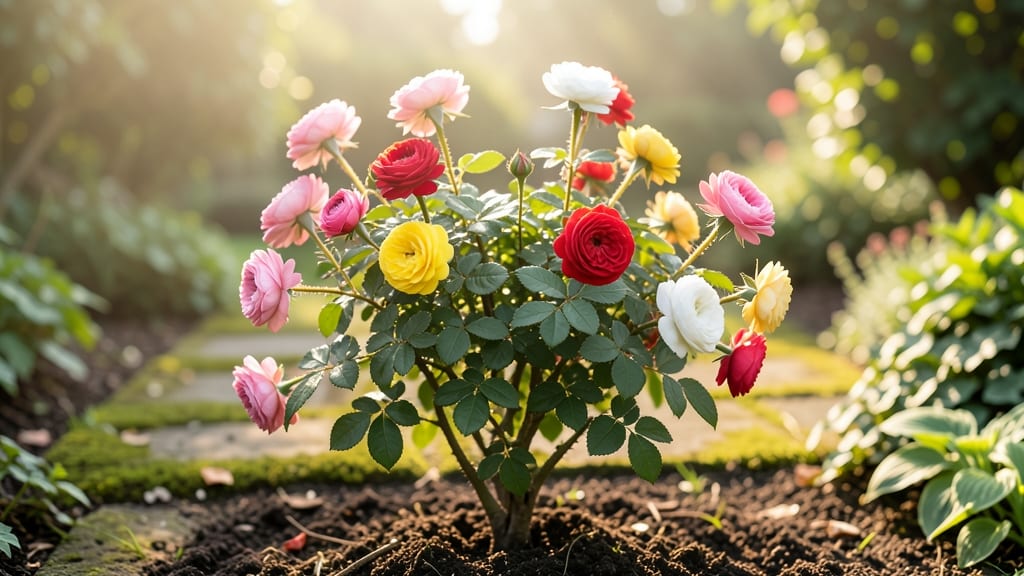
Growing miniature rose shrubs gives you old-fashioned charm without the space demands. 🌹 These tiny powerhouses pack the same fragrant blooms into shrubs that fit patios, window boxes, or even containers—perfect for small yards, balconies, or urban gardens where full-size roses would sprawl.
The secret to their success is simple: well-draining soil, 6+ hours of sun daily, and consistent moisture (but never soggy roots). Unlike their larger cousins, miniature roses thrive in 2-3 gallon pots or planted 18-24 inches apart in garden beds, making them ideal for tight spaces.
Varieties like 'Fairy' or 'Bonica' bloom continuously from spring to frost with minimal fuss. You’ll love how they stay compact naturally—pruning just once a year keeps them bushy and encourages more flowers.
The blooms arrive in classic rose colors, often with a sweet, old-fashioned scent that fills small areas beautifully. Even beginners can master them; they’re forgiving when watered right and pruned lightly. Best of all, these shrubs attract pollinators and resist many pests that plague larger roses.
For city gardens or small backyards, they’re the easiest way to add romance without the upkeep of traditional roses. Let’s get your miniature rose garden started!
📚 In This Guide
- What you need
- Instructions
- Tips and common mistakes
- Wrapping up and next steps
What you need
- ● Miniature rose plants: Choose disease-resistant varieties like 'Fairy’ or 'Angel Face’ (3–5 plants for a full look).
- ● Well-draining potting mix: 5–10 gallons (for containers) or amend garden soil with compost and perlite.
- ○ Containers (optional but ideal): 12–18" pots with drainage holes (1–2 plants per container).
- ● Slow-release fertilizer: 10–10–10 or rose-specific granules (follow package rates).
- ● Mulch: 1–2 inches of organic mulch (e.g., bark or straw) to retain moisture.
- ● Gloves & pruning shears: Sharp, sterilized shears for trimming (disinfect with rubbing alcohol).
- ● Trowel or spade: For planting and soil prep.
- ● Watering can or hose with a gentle nozzle: Avoid overwatering—aim for 1–1.5 inches per week.
- ○ Stakes or cages (optional): Small decorative stakes (3–4" tall) to support delicate stems.
- ● Sunlight: At least 6–8 hours of full sun daily (partial shade tolerates 4–6 hours).
- ● Climate: Hardy to USDA Zones 5–10 (check your rose’s specific needs).
- ● Drainage: Ensure no standing water—miniature roses hate soggy roots!
Step-by-step guide to planting and maintaining miniature rose shrubs
These delicate beauties thrive with the right care—here’s how to nurture them into lush, fragrant shrubs.
🌱 Step 1: Choose the Right Location and Prepare the Soil
Miniature roses need at least 6 hours of direct sunlight daily, though morning sun with afternoon shade works in hotter climates. I always test the spot by placing a small board where the plant will go—if it’s shaded for more than 2 hours after noon, choose a sunnier area. These roses tolerate a range of soil types but perform best in well-draining, slightly acidic soil (pH 6.0-6.5).
Before planting, loosen the soil to a depth of 12 inches with a garden fork. Amend heavy clay with 2-3 inches of compost or sand, and mix in 1 tablespoon of balanced fertilizer (10-10-10) per planting hole. Avoid fresh manure—it can burn delicate roots. The goal is loose, airy soil that won’t compact around the roots as they establish.
🪴 Step 2: Plant at the Correct Depth and Stake for Support
Dig a hole twice as wide as the root ball but only as deep—the top of the root ball should sit just below soil level when planted. Miniature roses often come in 4-inch pots, so a 6-inch-wide hole works perfectly. Gently remove the plant from its container and tease the roots outward if they’re circling. This prevents root-bound stress later.
Place the rose in the hole and backfill with native soil mixed with compost, pressing lightly to eliminate air pockets. Install a 3-inch decorative stake next to each plant and loosely tie the main stem with soft plant ties—never too tight, or you’ll restrict growth. Water deeply right after planting to settle the soil and encourage root contact.
☀️ Step 3: Water and Fertilize for Healthy Growth
Keep the soil consistently moist but never soggy for the first 4-6 weeks—this is when roots establish. I water deeply every 2-3 days until the top 2 inches of soil feel dry to the touch. Overwatering leads to black spot disease, so avoid wetting the foliage. Once established, reduce watering to once a week unless your climate is extremely hot or dry.
Fertilize every 4-6 weeks during the growing season (spring to fall) with a rose-specific fertilizer or half-strength balanced formula. I skip winter feeding—these shrubs need a rest period. You’ll know you’re doing it right when new growth appears within 2-3 weeks of fertilizing, and buds form along the stems by mid-summer.
✂️ Step 4: Prune for Shape and Encourage Blooms
Prune miniature roses twice a year: late winter (just before new growth starts) and right after blooming. In late winter, remove dead, diseased, or crossing branches at the base, then cut back remaining stems by one-third to encourage bushier growth. Always make cuts just above an outward-facing bud—this directs energy outward for a fuller shape.
After blooming, trim spent flowers back to the first healthy leaf below the bloom. This prevents seed formation and redirects the plant’s energy into producing more buds. Deadhead regularly throughout the season to keep your shrubs looking tidy and encourage continuous blooms. Avoid heavy pruning in fall—it stimulates new growth that won’t harden off before winter.
🌿 Step 5: Protect and Maintain Through Seasons
In winter, mound 2-3 inches of mulch around the base of each plant to insulate roots from freezing temperatures. I use straw or shredded bark—never leaves, as they can compact and trap moisture. If your climate drops below 10°F, cover the entire shrub with burlap or frost cloth to prevent dieback. Remove the cover in early spring once temperatures stabilize above 40°F.
Watch for aphids or spider mites, which love miniature roses. I spray affected plants with neem oil or insecticidal soap at the first sign of pests—these shrubs are too small to tolerate harsh chemicals. With proper care, your miniature roses will reward you with continuous blooms from spring to fall and a compact, elegant shape that fits even the smallest garden.
Tips & tricks for perfect miniature rose shrubs
Here's what I've learned after years of growing these delicate beauties—small details make all the difference.
Sunlight Strategy: The 6 hours of direct sunlight requirement is non-negotiable, but I've found that positioning your shrubs slightly east of full sun prevents afternoon leaf scorch in hot climates. If you're planting near a window, rotate the pots every few days so all sides get equal light exposure. This creates more uniform growth and prevents lopsided shrubs.
Soil Preparation Insight: When amending heavy clay with 2-3 inches of compost or sand, I recommend mixing in 1 part perlite to the existing soil for even better drainage. This prevents waterlogging while maintaining moisture retention. The 12-inch deep loosening is crucial—it gives roots room to spread without competing with compacted soil.
Pruning Precision: For the late winter pruning, I mark each stem with a small flag before cutting back by one-third. This helps me visualize the original shape when new growth appears. When deadheading, I always look for the first healthy leaf below the bloom—this ensures the plant has energy reserves to produce new flowers rather than just leaves. Use sharp, clean shears to prevent tearing stems.
Winter Protection: The 2-3 inches of mulch around the base acts like a thermal blanket, but I've found that adding a 1-inch layer of straw directly on top of the mulch provides extra insulation during extreme cold snaps. When covering with burlap, leave the top open to prevent moisture buildup that could encourage fungal diseases. Remove covers gradually in spring to avoid shocking the plants when temperatures rise above 40°F.
Pro Tips for Miniature Rose Shrubs
- Here's what I've learned after years of growing these delicate beauties—small details make all the difference.
- Sunlight Strategy: The 6 hours of direct sunlight requirement is non-negotiable, but I've found that positioning your...
- Soil Preparation Insight: When amending heavy clay with 2-3 inches of compost or sand, I recommend mixing in 1 part p...
Frequently asked questions
Got questions about growing and caring for miniature rose shrubs?
Here are some of the most common ones—plus quick, practical answers to help you cultivate these charming little beauties with confidence!
How often should I water miniature rose shrubs?
Miniature roses need consistent moisture, especially during their first year. Water them deeply 2-3 times per week (or daily in extreme heat) to encourage strong root growth. Avoid overhead watering—use drip irrigation or water at the base to prevent fungal diseases. Pro tip: Let the top inch of soil dry out before watering again!
When is the best time to prune miniature rose shrubs?
Prune your miniature roses twice a year: once in late winter or early spring (before new growth starts) to shape the shrub and remove dead wood, and again in summer (after flowering) to promote bushier growth. Use clean, sharp pruners and cut at a 45-degree angle just above a leaf bud.
Can miniature rose shrubs grow in containers?
Miniature roses thrive in containers, making them perfect for patios, balconies, or small gardens. Choose a pot with drainage holes and use a high-quality potting mix blended with perlite or sand for aeration. Repot every 2-3 years to refresh the soil and roots. Bonus: Containers let you move them to optimize sunlight!
What pests or diseases should I watch for?
Miniature roses are generally hardy, but keep an eye out for aphids, spider mites, or powdery mildew. Treat pests with neem oil or insecticidal soap, and prevent mildew by ensuring good airflow and avoiding wet foliage. If you spot yellow leaves or black spots, prune affected areas immediately and adjust watering habits. Prevention tip: Mulch around the base to deter soil-borne issues!
Why aren’t my miniature roses blooming?
Blooming issues often stem from over-pruning, poor sunlight, or nutrient deficiencies. Ensure your shrubs get 6+ hours of direct sunlight daily and feed them with a balanced rose fertilizer every 4-6 weeks during growing season. If blooms are sparse, check for dead or overcrowded canes—thin them out to redirect energy to flowering. Remember: Some varieties bloom once (spring/summer) while others repeat-bloom!
Wrapping up and next steps
Miniature rose shrubs bring timeless beauty and charm to even the smallest gardens or containers—proving that big impact doesn’t require big space! 🌸 Whether you’re a seasoned gardener or just starting out, these compact wonders offer low-maintenance elegance and endless color options. Ready to transform your outdoor (or indoor!) oasis?
Your next step? Pick your favorite variety, grab your gardening tools, and get planting! With the right care, you’ll soon enjoy fragrant blooms and lush foliage that’ll make neighbors green with envy. Happy gardening! 🌱