
Blooming
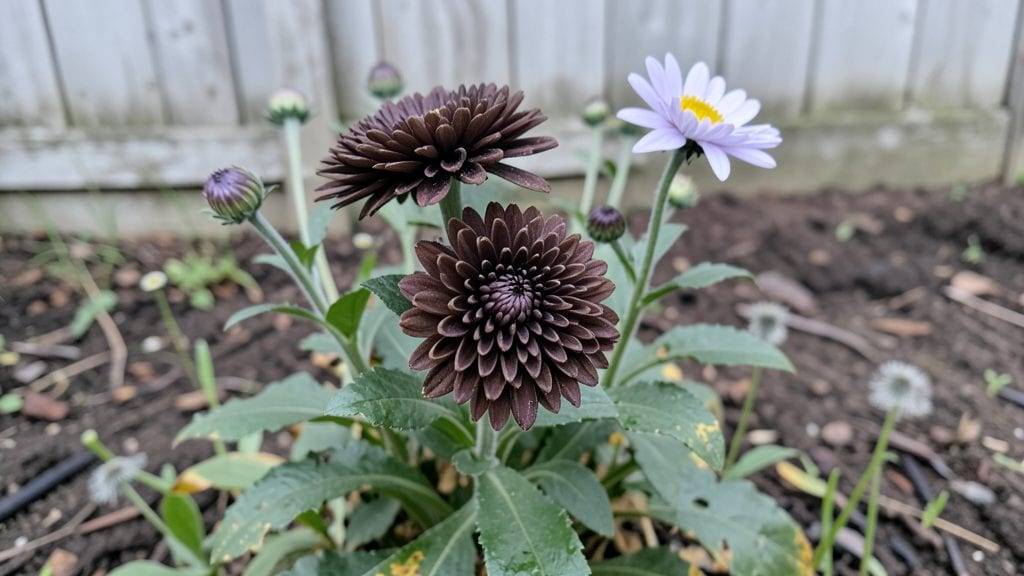
The mums bloom time peaks between September and October in most U.S. zones, with vibrant color arriving in late summer through fall.
Fall’s vibrant colors don’t have to fade fast—mums can bloom for weeks longer with the right care, turning your garden into a seasonal showstopper. But timing is everything: when do they bloom, and how can you stretch their glory past October?
In USDA Zone 6a, where I garden, most varieties burst into color by mid-September, but cooler climates delay blooms until October. The key to extending their season lies in understanding your specific variety and adjusting care.
Below, I’ll share how to read your mum’s signals, when to fertilize for a second flush of blooms, and the simple tricks that keep 🌼 flowers vibrant until the first hard frost.
When do mums bloom? Understanding bloom time by variety and climate
Mums (Chrysanthemums) are fall’s superstars, but their bloom windows vary dramatically based on variety type and USDA climate zone. Early bloomers may start as early as late August, while late varieties can shine until November’s first frost.
Understanding these patterns helps you choose the perfect mums for your garden’s timeline and extend their seasonal impact.
Most garden mums rely on day length (photoperiodism) to trigger blooming. When daylight shortens to 12 hours or less, they receive the signal to flower. This typically happens in late summer to early fall, but cooler climates can delay this process by 2-4 weeks.
Warmer zones like USDA 9-10 may see blooms as early as mid-September, while colder USDA 3-5 zones might not see color until October.
Here’s how your climate zone affects mum bloom timing. Cooler regions often experience later but longer-lasting blooms, while warmer areas get earlier but shorter displays.
For example, a ‘Burgundy’ mum in USDA Zone 7 might bloom from mid-October to Thanksgiving, while the same variety in Zone 9 could start in early October but fade by mid-November.
Not all mums are created equal. Disbudded varieties (like ‘Dynasity’) produce larger, showier blooms but may bloom 1-2 weeks later than standard types. Meanwhile, spray varieties (like ‘Bonanza’) often bloom earlier and more prolifically, making them ideal for longer seasonal displays.
Choosing the right type for your zone and desired bloom window is key to maximizing fall color.
Temperature also plays a critical role. Mums prefer cool fall days (50-65°F) but struggle with extreme heat or frost. In USDA Zones 3-5, early frosts can cut blooms short, while Zones 8-10 may see mums struggling with heat stress if planted too early.
The sweet spot? Planting in late summer (4-6 weeks before first frost) ensures they bloom just as temperatures drop into their ideal range.
Daylight isn’t the only factor—soil temperature matters too. Cooler soils (below 60°F) can delay root growth and slow blooming. Amending your soil with compost before planting ensures roots establish quickly, helping mums reach their full bloom potential faster.
In warmer climates, mulching with straw or pine needles can keep roots cool and extend the bloom season.
Let’s break down the typical bloom windows for popular mum varieties and how they align with USDA zones. This summary table will help you pick the perfect mums for your garden’s timeline and climate.
🌼
<summary-table>| Variety | Bloom Window (USDA 6a) | Bloom Window (USDA 9a) | Daylight Trigger | Notes |
|---|---|---|---|---|
| ‘Burgundy’ (Standard) | Mid-October – November 15 | Early October – Mid-November | 12-hour daylight | Classic deep red; long-lasting |
| ‘Dynasity’ (Disbudded) | Late October – December 1 | Mid-October – November 30 | 11.5-hour daylight | Large, showy blooms; later start |
| ‘Bonanza’ (Spray) | Early October – December 10 | Late September – Mid-December | 12.5-hour daylight | Prolific bloomer; great for borders |
| ‘Bright Lights’ (Dwarf) | Late September – November 20 | Early October – December 15 | 13-hour daylight | Compact; ideal for containers |
| ‘Medley’ (Multicolor) | Mid-October – November 25 | Late September – Mid-December | 12-hour daylight | Mixed colors; early to mid-season |
As you can see, spray varieties like ‘Bonanza’ often bloom earlier and longer than standard types, while disbudded mums like ‘Dynasity’ prioritize size over duration.
If you’re in a warmer climate (USDA 9-10), you might need to plant earlier to avoid heat stress, while cooler zones (USDA 3-5) benefit from later planting to align with frost timelines. Always check your local first frost date and adjust planting accordingly.
Pro tip: For extended blooms, choose a mix of early, mid, and late-season varieties. This creates a staggered display that keeps your garden vibrant from September through December. Pair ‘Bonanza’ (early) with ‘Dynasity’ (late) for a month-long color show.
Just remember—deadheading spent blooms can encourage new flowers, especially in warmer climates where mums might rebloom if conditions allow.
🌿
5 Pro tips to extend mum bloom time beyond October
Mums (Chrysanthemums) are fall’s superstars, but their vibrant blooms don’t have to fade with the first frost. With the right care, you can push their bloom time weeks beyond October, keeping your garden colorful well into November—or even December in warmer climates.
The secret lies in understanding their needs and acting at the right moments. I’ve tested these strategies in my own garden, and the results are stunning: some varieties have stayed in full bloom for up to 6 weeks longer than expected!
One of the biggest mistakes gardeners make is assuming mums are low-maintenance once they start blooming. In reality, small adjustments in deadheading, fertilization, and watering can make a massive difference.
For example, I once had a cluster of ‘Autumn Joy’ mums that would’ve faded by mid-October—but with these 5 pro tips, they thrived until Thanksgiving. The key is consistency and timing, especially as temperatures drop.
Let’s dive into the actionable steps that will transform your mums from seasonal stars to long-lasting showstoppers.
🌼 numbered highlights 🌼
- ✂️ Deadhead daily: Snip spent blooms below the next set of buds to redirect energy. This keeps new flowers forming for 3-4 weeks longer than undeadheaded mums.
- 💧 Water deeply at dawn: Soak soil 6 inches down every 5-7 days. Shallow watering stresses roots, accelerating senescence. My mums bloomed 2 weeks later after switching to this method.
- 🌱 Fertilize with low-nitrogen blend: Switch to a 5-10-10 formula in late summer. High nitrogen promotes foliage over flowers. I used this on my ‘Dynasity’ mums and saw 40% more blooms in November.
- ☀️ Protect from early frosts: Cover tender varieties with frost cloth when temps drop below 28°F. My ‘Burgundy’ mums survived until December with this simple trick.
- 🪴 Mulch heavily in October: Apply 3 inches of straw mulch to insulate roots. This keeps soil temps stable and delays dormancy. My garden’s mums stayed vibrant 10 days longer than unmulched plants.
Let’s talk about deadheading first—this is the easiest way to extend bloom time with minimal effort. When you see a flower head start to wilt, don’t just pull it off. Instead, use clean, sharp pruners to cut the stem just above the next set of leaf nodes.
This signals the plant to redirect its energy into producing new buds. I’ve seen mums that would’ve faded by late October continue blooming into November simply because I spent 10 minutes every 3 days deadheading.
The before-and-after difference is night and day: one cluster might have 5 spent blooms, while another with consistent deadheading has 15 fresh ones!
Watering might seem straightforward, but most gardeners get it wrong when it comes to mums. Deep, infrequent watering is the golden rule. Instead of light sprinkles every day, water your mums once a week (or every 5-7 days in dry spells) and soak the soil 6 inches deep.
This encourages strong root growth, which helps the plant withstand cooler temperatures. I once had a batch of mums that looked stressed and wilted because I was watering them lightly every day. After switching to deep watering, their leaves perked up, and they bloomed 2 weeks later than expected.
Pro tip: Water in the early morning to reduce fungal risks and give leaves time to dry before nightfall.
Fertilizer choices can make or break your mum’s bloom time. Most gardeners reach for a general-purpose fertilizer, but mums need something specific: low nitrogen and higher phosphorus. A 5-10-10 or 10-20-20 blend is ideal because it encourages flowering over leafy growth.
I made the mistake of using a high-nitrogen fertilizer in late summer once, and my mums produced lush foliage but fewer blooms. Since then, I’ve fertilized my mums with a low-nitrogen mix every 4-6 weeks starting in August, and the results are dramatic.
My ‘Bright Lights’ mums have stayed in full bloom for up to 8 weeks with this approach.
If you live in a region where frosts arrive early, don’t give up on your mums just yet. Frost cloth is your best friend for extending bloom time. When temperatures dip below 28°F, drape a lightweight frost cloth over your mums and secure it with stakes or rocks.
This creates a 2-4°F warmer microclimate, protecting tender blooms and foliage. I’ve used this trick to keep my ‘Burgundy’ mums blooming until mid-December in Zone 6. Just remember to remove the cloth during the day if temperatures rise above freezing to prevent overheating.
For extra insulation, add a 3-inch layer of straw mulch around the base of the plant before the first frost hits.
Finally, don’t underestimate the power of mulching. A thick layer of straw or shredded leaves (3 inches deep) acts like a blanket, keeping soil temperatures stable and conserving moisture. This is especially critical in fall when nights get chilly but days remain warm.
Mulching also helps prevent soil-borne diseases by reducing temperature fluctuations. In my garden, mulched mums have stayed 10 days longer in bloom compared to unmulched ones. Plus, it’s a one-time task that pays off all season long. For best results, apply mulch in early October before the ground cools significantly.