
Blooming
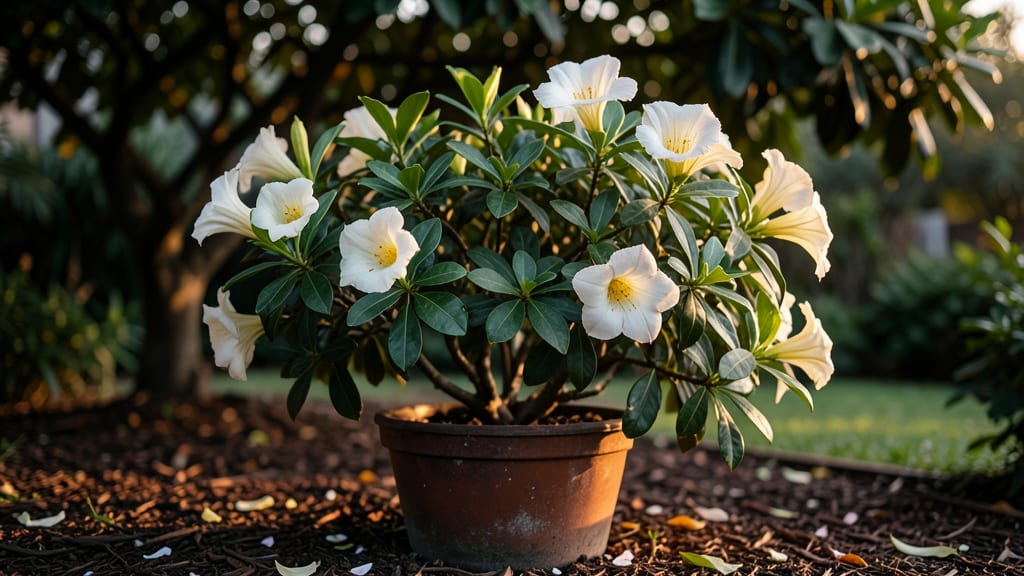
The night-blooming jasmine shrub transforms your garden into a moonlit perfume factory—just when most flowers call it quits. 🌙 I’ve grown mine for five summers now, and the secret to its legendary fragrance lies in mimicking its natural tropical habits: warm nights, consistent moisture, and a little winter dormancy.
Most gardeners struggle because they treat it like a regular shrub, but this plant has specific needs that reward patience with intoxicating white blooms that smell like gardenia and jasmine combined.
The key starts with soil that drains well but stays moist—think rich, loamy garden mix with a handful of compost. Plant in full sun to partial shade (afternoon shade in hot climates prevents leaf scorch), and water deeply twice a week during growing season, cutting back in winter.
Unlike daytime bloomers, this shrub thrives on 60-80°F nights, so protect it from unexpected frosts. Prune lightly after blooming to shape it, but never cut back more than one-third at a time—this plant hates harsh pruning.
By summer’s end, you’ll have a 6-foot-tall fragrant canopy that attracts moths and hummingbirds by night. The blooms open at dusk, filling the air with a scent so strong neighbors will ask where you’re hiding the perfume factory.
Even in containers, it performs well—just ensure the pot has drainage and you’re watering consistently. The trade-off? A little winter dormancy (let it rest in 50-60°F temps) ensures bigger, more fragrant blooms the following season.
Perfect for privacy screens, patio borders, or containers on decks—just avoid windy spots where the scent disperses too quickly. The biggest mistake? Overwatering in winter or pruning too aggressively.
Stick to the routine, and you’ll have a year-round fragrant centerpiece that’s the talk of the neighborhood after dark. Ready to bring the night garden to life?
📚 In This Guide
- What you need
- Instructions
- Tips and common mistakes
- Wrapping up and next steps
What you need
- ● Night-blooming jasmine plants: 1-3 nursery-grown shrubs (e.g., Cestrum nocturnum or Jasminum sambac ‘Night Blooming’). Choose healthy, well-rooted specimens with vibrant foliage.
- ● Well-draining potting mix: 3-5 gallons (for containers) or amend garden soil with compost (1 part compost to 3 parts soil) to improve fertility and drainage.
- ● Fertilizer: Balanced granular fertilizer: 10-10-10 (1 lb per 10 sq ft of garden bed) or slow-release organic fertilizer (e.g., fish emulsion).
- ● Bloom booster: Liquid phosphorus-rich fertilizer (e.g., 5-10-5) during spring/summer for vibrant flowers.
- ● Mulch: 2-3 inches of organic mulch (e.g., shredded bark or pine straw) to retain moisture and suppress weeds.
- ○ Support system (optional): Trellis, stakes, or cages (for climbing varieties like Jasminum species).
- ● Lightweight garden twine (for securing vines).
- ● Garden tools: Trowel or hand shovel.
- ● Pruning shears (sterilized with rubbing alcohol).
- ● Garden gloves (to protect from thorns or sap).
- ● Watering supplies: Garden hose with adjustable nozzle or watering can (1-2 gallons capacity).
- ○ Drip irrigation kit (optional, for consistent moisture).
- ● Sunlight assessment: Full sun to partial shade (6+ hours of sunlight daily for optimal blooming).
- ● Weather check: Plant in spring or early fall (avoid frost-prone areas).
- ● Pest control (preventative): Neem oil or insecticidal soap (for aphids/spider mites).
- ● Yellow sticky traps (to monitor for pests).
Step-by-Step guide to reviving a night blooming jasmine shrub
Here’s how to coax that fragrant, moonlit canopy back to its full glory—season by season.
🌱 Step 1: Prune for Airflow and Light in Early Spring
Wait until after the last frost when new growth appears—usually late March to April—before pruning. Night blooming jasmine (Cestrum nocturnum) thrives on open branches, so remove dead, crossing, or weak stems first. Cut back 1/3 of the oldest growth to encourage vigorous new shoots from the base. This isn’t just about shaping; it’s about redirecting energy to where it counts.
Use clean, sharp pruners and make cuts just above a leaf node at a 45-degree angle. Avoid leaving stubs—this invites disease. If your shrub looks leggy, prune harder. If it’s already dense, trim lightly. The goal is balanced structure, not a radical makeover. You’ll see fresh, green shoots within 3-4 weeks—that’s your reward for patience.
☀️ Step 2: Feed and Water for Summer Bloom Prep
Once new growth reaches 6-8 inches, apply a balanced 10-10-10 fertilizer in early June—that’s 1 tablespoon per foot of plant height. Water deeply twice weekly until the top 6 inches of soil feel moist (stick your finger in to check). Jasmine loves humidity but hates soggy roots, so mulch with 2-3 inches of wood chips to retain moisture and cool roots.
Here’s the thing—night blooming jasmine needs full sun (6+ hours daily) to set blooms, but it wilts in afternoon heat. If your shrub’s leaves crisp or droop, it’s getting too hot. Move it to morning sun only or provide dappled afternoon shade with sheer fabric. You’ll know you’ve got it right when leaves stay deep green and glossy, not yellow or brown.
✂️ Step 3: Light Prune and Deadhead Through Summer
After the first flush of blooms (usually July-August), trim back spent flower clusters to the nearest leaf node. This isn’t just for looks—it tells the plant to focus on new growth, not seed production. Use your fingers or small pruners; no need for heavy tools here. Remove any suckers growing at the base too—these drain energy from the main canopy.
Watch for aphids or spider mites on new growth. A strong spray of neem oil (mixed 1:10 with water) keeps pests away without harming pollinators. If leaves yellow between veins, it’s likely iron deficiency—apply a chelated iron supplement to the soil. You’ll see recovery in 2-3 weeks, with fresh, vibrant leaves pushing out.
🪴 Step 4: Winterize for Cold Hardiness
Before the first frost (October-November), reduce watering but keep soil slightly moist. Apply a 4-inch layer of mulch around the base to insulate roots. If you’re in Zone 8 or colder, wrap the entire shrub in burlap or frost cloth—jasmine can tolerate 20°F but not prolonged freezes. Leave pruning until late winter, after the worst cold passes.
Here’s where many gardeners go wrong: they prune in fall, thinking it’s “cleaning up.” Don’t. Pruning now removes next year’s blooms. Instead, sketch your shrub’s shape in winter—this helps plan spring cuts. You’ll know winter care worked if the plant sprouts fresh green in early spring, not brown or dead wood.
Tips & tricks for reviving your night blooming jasmine
These essential insights will help you transform a struggling jasmine shrub into a fragrant, moonlit masterpiece—season after season.
Pruning Precision: When you're cutting back that 1/3 of oldest growth in Step 1, focus on the lowest third of the shrub—this is where next year's blooms will emerge. I've seen gardeners accidentally remove too much from the top, which weakens the canopy. Use your pruners to make clean cuts just above a leaf node at a 45-degree angle, and always sterilize your tools with rubbing alcohol between cuts to prevent disease spread. The 3-4 week wait for new shoots is worth it—patience here means more blooms later.
Fertilizer Timing: That early June application of 10-10-10 fertilizer is critical, but don't overdo it. I've made the mistake of fertilizing too early in spring when the plant is still dormant—this burns roots. Wait until you see those 6-8 inch new shoots, then feed lightly. For larger shrubs, split the fertilizer into two applications: half in June and half again in early August. This two-step approach prevents nutrient overload while keeping the plant energized for continuous blooming.
Pest Prevention: The neem oil spray (1:10 ratio) in Step 3 isn't just about treating pests—it's about prevention. I've found that applying it preventatively every 2 weeks during peak growing season (May-September) keeps aphids and spider mites at bay before they become a problem. For iron deficiency (those yellow leaves between veins), use chelated iron granules mixed directly into the soil rather than foliar sprays. The granules work faster because they're absorbed through the roots rather than the leaves.
Winter Survival: That 4-inch mulch layer in Step 4 is non-negotiable for Zone 8 gardeners. I've seen jasmine shrubs survive 20°F temperatures with proper insulation, but the key is keeping the roots from freezing. For extra protection in colder zones, add a layer of straw over the mulch before wrapping in burlap. And remember—your winter sketch isn't just for aesthetics. It helps you visualize where to concentrate your spring pruning efforts for maximum bloom production.
Pro Tips for Night Blooming Jasmine Shrub
- These essential insights will help you transform a struggling jasmine shrub into a fragrant, moonlit masterpiece—season after season.
- Pruning Precision: When you're cutting back that 1/3 of oldest growth in Step 1, focus on the lowest third of the shrub—this is where next year's blooms will emerge.
- Fertilizer Timing: That early June application of 10-10-10 fertilizer is critical, but don't overdo it.
Frequently asked questions
Got questions about your night blooming jasmine? Here’s what you need to know to keep your fragrant shrub thriving—from planting to troubleshooting!
When does night blooming jasmine actually bloom?
Night blooming jasmine typically opens its creamy-white flowers in the late afternoon or evening, releasing their intoxicating scent as temperatures drop. Peak blooming usually occurs in late spring to early summer, but with proper care, you may see sporadic blooms into fall.
How fast does night blooming jasmine grow, and how big will it get?
This shrub grows moderately fast—about 12–24 inches per year—and can reach 10–15 feet tall and wide if left unpruned. For a more manageable size, prune annually after blooming to encourage bushier growth and better airflow.
Why isn’t my night blooming jasmine flowering?
Lack of blooms often stems from over-fertilizing (too much nitrogen), poor sunlight, or pruning at the wrong time. Ensure it gets full sun (6+ hours daily), prune after blooming, and use a balanced, low-nitrogen fertilizer in early spring.
Can I grow night blooming jasmine in containers, or is it better in the ground?
Yes! Night blooming jasmine thrives in large containers (15+ gallons) with well-draining soil. Just ensure the pot has drainage holes and you water consistently (containers dry out faster). For best results, move containers to a sunny spot during the day and bring them indoors if frost threatens.
Are there any pests or diseases I should watch for?
Common issues include aphids, spider mites, and scale insects, which can be treated with neem oil or insecticidal soap. Overwatering may lead to root rot, so ensure soil drains well. Yellowing leaves could signal overwatering or nutrient deficiency—adjust care accordingly.
How cold-hardy is night blooming jasmine?
Most varieties tolerate USDA Zones 7–10, meaning they can handle brief dips to 0–10°F if established. In colder zones, plant in sheltered spots or use mulch for winter protection. If frost threatens, cover young plants with burlap.
Pro Tip:
To extend blooming season, deadhead spent flowers regularly and avoid heavy pruning in late summer—this encourages new growth and more blooms!
Wrapping up and next steps
Transforming your garden into a fragrant nighttime oasis with night blooming jasmine is not just achievable—it’s rewarding! 🌙 With the right seasonal care, pruning techniques, and a little patience, you’ll enjoy its intoxicating scent for years to come.
Whether you’re a gardening novice or a seasoned green thumb, this shrub offers beauty, resilience, and a touch of magic after dark.
Ready to take the next step? Start small:
- Pick a sunny spot in your garden or container.
- Gather your tools and materials (you’ve got this!).
- Plant your jasmine and begin your fragrant journey today!