
Shrubs
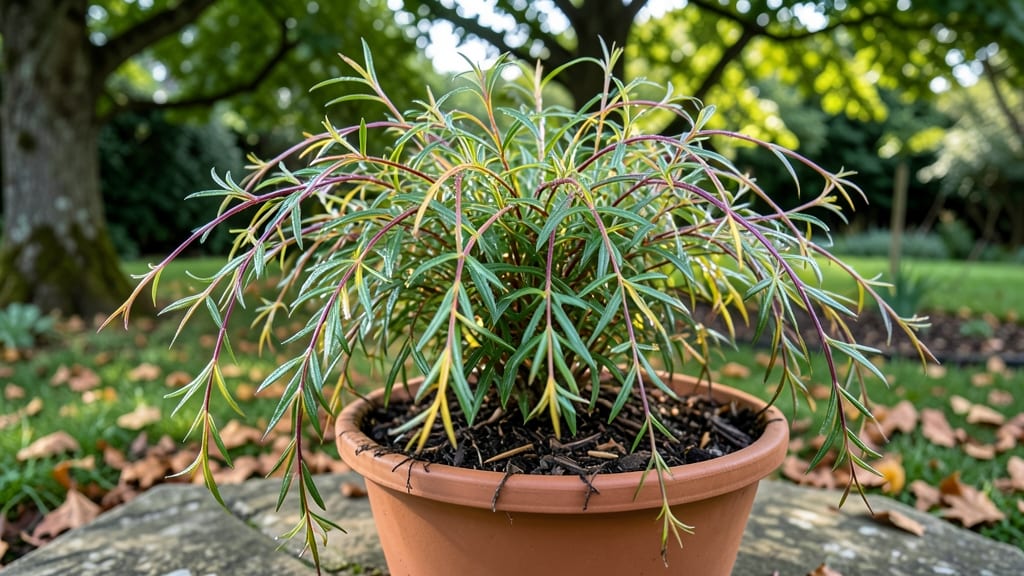
Growing a nishiki willow shrub transforms your garden into a fragrant, cascading masterpiece—if you master the pruning. 🌿 I’ve watched this elegant shrub go from scraggly to showstopping in just one season, and the secret lies in understanding its weeping branches and how they respond to careful cuts.
This shrub thrives in zones 4-8, where cold winters won’t kill it but can stunt growth if you don’t prune aggressively in early spring.
The key is timing: cut back one-third of the oldest branches right after the last frost, then shape the rest throughout summer to encourage those iconic, rainbow-hued stems.
By late summer, you’ll have a lush, 6-10 foot canopy with bark that shifts from golden to deep orange—like sunlight caught in leaves. The fragrance alone makes it worth the effort, but the pruning keeps it from becoming a tangled mess.
Perfect for small gardens, containers, or as a living privacy screen. Here’s how to keep yours thriving year after year.
📚 In This Guide
- What you need
- Instructions
- Tips and common mistakes
- Wrapping up and next steps
What you need
- ● Nishiki Willow Shrub (Salix caprea ‘Pendula’): 1-3 mature plants (depending on desired spread; 1-2 for small gardens, 3+ for larger canopies).
- ● Well-draining soil: Mix of topsoil, compost (50%), and perlite/sand (20%) for optimal aeration.
- ● Organic mulch: 2–3 inches of wood chips or straw to retain moisture and suppress weeds.
- ● Slow-release fertilizer: 10-10-10 NPK ratio (1 lb per 100 sq ft) or organic options like fish emulsion.
- ● Watering can or hose: With a fine spray nozzle for gentle hydration.
- ● Garden trowel or spade: For digging holes (12–18 inches deep/wide).
- ● Hand pruners: Bypass pruners (sharp, 5–7 inch blades) for clean cuts.
- ○ Loppers: For thicker branches (optional, if pruning mature shrubs).
- ● Gloves: Heavy-duty gardening gloves to protect hands from thorns (if present) and sap.
- ● Rake: For smoothing mulch and soil post-planting.
- ● Epsom salt: 1 tbsp dissolved in water (monthly) for magnesium boost.
- ● Plant support: Stakes or a small trellis if training young shrubs.
- ○ Pruning sealant: For large cuts (optional; promotes faster healing).
- ● Weatherproof container: If growing in pots (15–20 gallon size per plant).
Step-by-Step instructions for reviving your nishiki willow shrub
Here's how to restore that lush, fragrant canopy—no fancy tools needed, just patience and precision.
🌿 Step 1: Assess Your Shrub's Current Health
Start by examining your nishiki willow from all sides. Look for healthy green leaves with silver or gold variegation—these are your goal. Notice where the foliage is sparse or where you see bare branches or yellowing leaves. These are your pruning targets. Run your fingers along the branches to feel for dead or brittle stems—they'll snap easily, unlike the flexible, springy growth of healthy wood.
Take a mental note of the shrub's natural shape. Nishiki willows grow in a rounded, cascading form, so aim to preserve that silhouette. If your shrub has grown too tall or leggy, you'll need to cut back about a third of the oldest growth to encourage fresh, bushier growth. This is where the real transformation begins.
✂️ Step 2: Prune for Structure and Fragrance
Grab your sharp pruning shears and start by removing dead, diseased, or crossing branches first. These are the ones that drain energy from your shrub. Cut just above a leaf node or outward-facing bud to encourage new growth in the right direction. For every cut, imagine how it will affect the overall shape—you're sculpting, not hacking.
Next, focus on thinning out the interior. Nishiki willows need airflow to prevent fungal issues, so remove any branches growing inward. Aim to create an open, airy center while maintaining that lush, cascading look. For the fragrant canopy, prioritize keeping the outermost branches—these are where the most variegated, aromatic foliage grows. Step back often to check your progress.
☀️ Step 3: Encourage New Growth After Pruning
Once you've finished pruning, give your shrub a deep watering—this helps it recover from the stress of cutting. Water at the base, not overhead, to prevent fungal spores from settling on fresh cuts. After watering, spread a 2-inch layer of mulch around the base (but keep it 6 inches away from the trunk) to retain moisture and regulate soil temperature.
Here's where the magic happens: fertilize lightly with a balanced, slow-release fertilizer (10-10-10 works well). This gives your shrub the nutrients it needs to produce fresh, vibrant growth. Place your shrub in a spot with morning sun and afternoon shade—this protects the delicate variegated leaves from scorching while still providing enough light for recovery. You'll see new shoots emerging within 4-6 weeks—that's your sign everything is working.
🌱 Step 4: Maintain Through the Growing Season
Check your shrub weekly for new growth. If you notice any yellowing leaves, it’s usually a sign of overwatering—nishiki willows prefer slightly dry soil between waterings. Stick your finger 1 inch into the soil—if it feels damp, wait before watering again. If the soil is dry, give it a light drink until water runs out the drainage holes.
As the season progresses, you'll see those new variegated leaves pushing through. This is the moment that matters: prune again lightly in early summer to shape the shrub and encourage even more bushiness. Always cut just above a leaf node, and avoid removing more than a quarter of the foliage at once. Your goal is to build density gradually, not shock the plant with drastic changes.
Tips & tricks for perfect nishiki willow shrub revival
Transforming your nishiki willow takes more than just cutting branches—it's about understanding its natural rhythm. Here's what I've learned after restoring several neglected shrubs to their fragrant former glory.
Pruning Precision: When you're cutting back that third of oldest growth in Step 1, look for branches that are thicker than a pencil—they're likely too mature. These thick stems won't produce new growth as effectively as the thinner, more flexible ones. I always make my cuts at a 45-degree angle just above a leaf node, which gives new shoots the best chance to emerge in the right direction. This small detail makes all the difference in creating that lush, cascading shape.
Tool Selection Matters: Don't grab just any shears—your pruning tools should be as sharp as possible. Dull blades crush stems instead of making clean cuts, which stresses the plant and invites disease. I use bypass pruners for branches thicker than a quarter-inch and hand pruners for finer work. Always sterilize your tools with rubbing alcohol between cuts to prevent spreading any potential fungal spores. This simple step keeps your shrub healthier during the revival process.
Lighting Strategy: That morning sun and afternoon shade recommendation in Step 3 isn't just about protection—it's about creating the perfect growing conditions. The morning sunlight gives your shrub the energy boost it needs, while the afternoon shade prevents the delicate variegated leaves from scorching. If you notice leaves turning yellow or crispy at the edges, your shrub might be getting too much direct sun. Consider moving it to a slightly shadier spot or using a sheer curtain for afternoon protection.
Timing Your Second Prune: The instructions mention pruning again in early summer, but I've found the best time is actually when you see those first 2-3 inches of new growth appearing. This usually falls around late spring to early summer, but it depends on your climate. The key is to wait until you can see fresh green growth—this tells you the plant has recovered from the initial pruning and is ready for shaping. Never prune when the plant is stressed from drought or extreme temperatures.
Pro Tips for Nishiki Willow Shrub
- Transforming your nishiki willow takes more than just cutting branches—it's about understanding its natural rhythm.
- Pruning Precision: When you're cutting back that third of oldest growth in Step 1, look for branches that are thicker than a pencil—they're likely too mature.
- Tool Selection Matters: Don't grab just any shears—your pruning tools should be as sharp as possible.
Frequently asked questions
Got questions about nurturing your Nishiki willow shrub? You’re not alone! Here are answers to the most common queries—from pruning puzzles to placement tips—to keep your fragrant canopy thriving.
How often should I prune my Nishiki willow shrub?
Prune your Nishiki willow 2-3 times a year for best results: late winter (to shape and remove dead wood), spring (to encourage new growth), and summer (for light trimming). Avoid heavy pruning in fall—it can stimulate tender growth vulnerable to cold. Pro tip: Use sharp, sterilized shears to prevent disease!
Where’s the best spot to plant a Nishiki willow shrub?
This shrub loves partial shade to full sun (3–6 hours of sunlight daily) and moist, well-draining soil. Avoid soggy spots—root rot is a risk! For a fragrant focal point, plant it near patios or garden seating. Bonus: It tolerates urban pollution, making it perfect for city gardens.
Is the Nishiki willow cold-hardy?
Yes! This shrub thrives in USDA zones 6–9 and can handle light frosts. In colder zones, mulch the base in winter to protect roots. If you’re in zone 5 or below, grow it in containers and overwinter indoors. Watch for: Brown tips in winter—this is normal and will fade with spring warmth.
What are some alternatives if I can’t grow a Nishiki willow?
If your climate or space is tricky, try these fragrant, low-maintenance shrubs:
- Japanese pieris (Pieris japonica): Evergreen with bell-shaped flowers.
- Dwarf fountain grass (Pennisetum alopecuroides): Ornamental and drought-tolerant.
- Lavender (Lavandula): Fragrant, pollinator-friendly, and sun-loving.
Why are my Nishiki willow leaves turning yellow?
Yellow leaves usually signal overwatering, nutrient deficiency, or pests. Check soil moisture—it should be damp but not soggy. Fix it:
- Adjust watering (1–2 inches per week, less in winter).
- Fertilize in spring with acidic, slow-release fertilizer.
- Inspect for spider mites or aphids (spray with neem oil if found).
Wrapping up and next steps
Transforming your garden with a Nishiki Willow Shrub is a rewarding journey—one that blends beauty, fragrance, and pruning mastery. 🌿 With the right tools, timing, and techniques, you’ll cultivate a lush, fragrant canopy that becomes the star of your outdoor space.
Ready to take the next step? Start by scheduling your first pruning session this spring—your shrub (and your neighbors!) will thank you.
Pro Tip: 💡 Keep a pruning journal to track growth patterns and refine your approach over time. Happy gardening!