
Trees
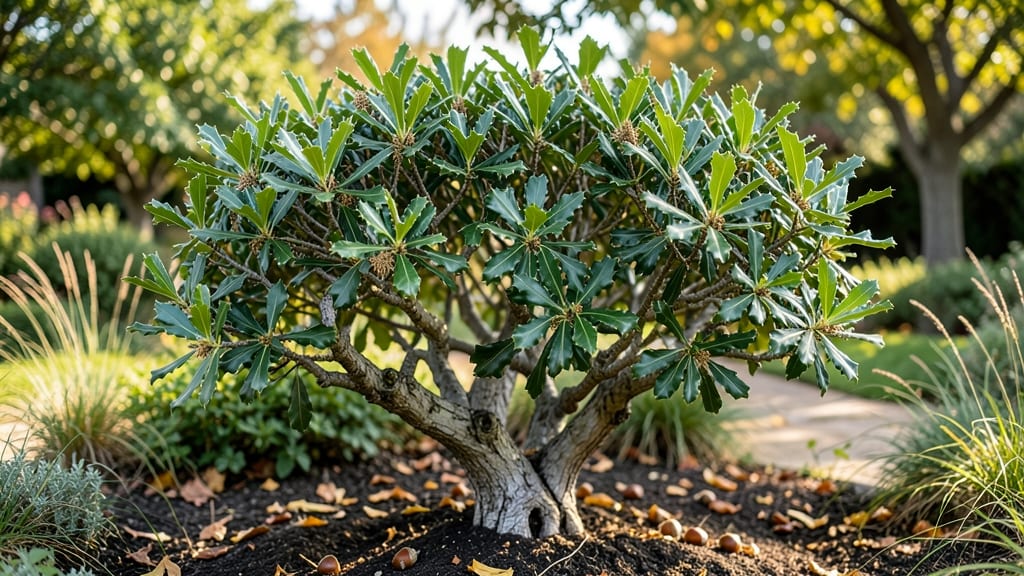
Oak leaf shrubs bring that earthy, pine-like scent to your yard year-round without the fuss of thorns or high-maintenance pruning. 🌿 I’ve grown these for years, and they’re the quiet stars of my landscape—no drama, just steady beauty and that fresh, crisp aroma that makes every walk through the garden feel like a breath of mountain air.
These shrubs thrive in partial shade to full sun, making them perfect for understory plantings, foundation borders, or even as standalone specimens.
The key is well-draining soil—they hate soggy roots—and spacing them 8 to 12 feet apart gives them room to grow into their natural, rounded shape without competition. Plant in early spring or fall when temperatures are mild, and you’ll see steady growth with minimal effort.
Once established, they’re practically care-free: water deeply once a week in dry spells, and skip the fertilizer unless your soil is truly poor. Pruning is optional—just shape lightly in late winter if needed—but most growers leave them alone. The real magic?
Their leathery, oak-like leaves stay green all winter, and the scent lingers even in cold weather. They’re tough on pests too—deer usually avoid them, and diseases are rare if you plant in the right spot. For a low-stress, high-reward shrub, these are my top pick. Let’s get yours planted!
📚 In This Guide
- What you need
- Instructions
- Tips and common mistakes
- Wrapping up and next steps
What you need
- ● Oak leaf shrub (Quercus spp.) – Choose a thornless variety like Quercus palustris (Pin Oak) or Quercus robur (English Oak) for low-maintenance beauty. Pro tip: 💡 Opt for a 1- to 3-gallon container-grown plant for easier transplanting.
- ● Well-draining soil mix – A blend of 60% topsoil, 30% compost, and 10% perlite or sand (for sandy or clay-heavy soils).
- ● Organic mulch – 3–4 inches of shredded bark, pine straw, or wood chips to retain moisture and suppress weeds.
- ● Slow-release fertilizer – 10-10-10 NPK ratio (apply 1–2 lbs per 100 sq ft in early spring).
- ● Watering can or hose with a gentle spray nozzle – Oak leaf shrubs prefer deep but infrequent watering (about 1–1.5 gallons per week for mature plants).
- ● Garden trowel or shovel – For digging planting holes twice as wide as the root ball.
- ● Gloves – Heavy-duty work gloves to protect your hands from rough bark.
- ● Pruning shears – Bypass pruners (for clean cuts) or loppers (for thicker branches). Pro tip: ✨ Sterilize blades with rubbing alcohol to prevent disease.
- ● Measuring tape – To mark planting depth and spacing (15–25 feet apart for mature height).
- ○ Stakes (optional) – 3–4 ft wooden stakes and soft plant ties for young shrubs in windy areas.
- ● Sunlight – Full sun (6+ hours/day) for optimal growth. Partial shade (4–6 hours) is tolerable but may reduce fragrance.
- ● pH-balanced soil – Aim for a slightly acidic to neutral pH (6.0–7.0). Test your soil with a digital pH meter or kit.
- ● Drainage check – Avoid low-lying areas where water pools. Oak leaf shrubs hate soggy roots!
- ● Patience – While low-maintenance, oak leaf shrubs grow 6–12 inches per year. Plan for long-term beauty! 🌿
How to plant and care for oak leaf shrubs for year-round fragrance
These low-maintenance shrubs deliver lush foliage and sweet fragrance without the fuss of thorns or constant pruning.
🌱 Step 1: Choose the Right Location for Full Sun Exposure
Oak leaf shrubs thrive in full sun to partial shade, with at least 6 hours of direct sunlight daily. I always pick a spot with morning sun and afternoon shade to prevent leaf scorch in hot climates. The soil should drain well—these shrubs hate soggy roots, so avoid low-lying areas where water pools.
Test the site by digging a 12-inch deep hole to check drainage. If water doesn't drain within 2 hours, amend the soil with 2-3 inches of compost or plant in a raised bed. The sweet fragrance intensifies in sunny conditions, so prioritize light over shade.
🪴 Step 2: Plant at the Correct Depth and Spacing
Dig a hole twice as wide as the root ball but only as deep as the container. Oak leaf shrubs resent being buried too deeply, which can cause root rot. Gently remove the plant from its container and loosen any circling roots with your fingers—this encourages outward growth.
Place the shrub in the hole so the top of the root ball sits 1 inch above ground level. Backfill with native soil mixed with a 50/50 blend of compost to improve fertility. Space plants 6-8 feet apart for mature size, allowing airflow to prevent fungal issues. Water deeply immediately after planting to settle the soil.
💧 Step 3: Water Deeply and Establish a Consistent Routine
Water newly planted shrubs once weekly for the first month, providing 1-2 gallons per plant until the soil is moist 12 inches deep. After establishment, reduce to every 2-3 weeks, depending on rainfall. Oak leaf shrubs are drought-tolerant once established, but young plants need consistent moisture.
Check moisture by sticking your finger 2 inches into the soil. If it feels dry, water again. Overwatering is the biggest mistake—yellowing leaves signal root stress. Mulch with 2-3 inches of wood chips around the base to retain moisture and suppress weeds, but keep mulch 6 inches away from the trunk.
☀️ Step 4: Fertilize Lightly for Healthy Growth
Apply a balanced, slow-release fertilizer (10-10-10) in early spring, using ½ cup per plant. These shrubs don’t need heavy feeding—they’re naturally low-maintenance. Avoid high-nitrogen fertilizers, which promote leafy growth at the expense of fragrance.
I scatter the fertilizer around the drip line (the edge of the shrub’s canopy) and water it in thoroughly. Reapply in late summer if growth slows. Yellow leaves after feeding? You’ve overdone it—flush the soil with water to dilute excess salts.
✂️ Step 5: Prune Only When Necessary for Shape
Oak leaf shrubs rarely need pruning, but if branches grow leggy or block walkways, trim in late winter or early spring before new growth begins. Use clean, sharp pruners to make cuts just above a leaf node at a 45-degree angle.
Never remove more than 25% of the plant at once. The goal is to shape, not renew. Pruning stimulates dense growth, but these shrubs handle neglect beautifully—skip pruning entirely if you prefer their natural form. Deadhead spent flowers in summer to encourage more blooms.
Tips & tricks for thriving oak leaf shrubs
These little details make all the difference when growing fragrant, low-maintenance shrubs that actually stay healthy year-round.
Sunlight Strategy: While oak leaf shrubs handle partial shade, I've noticed the fragrance really comes alive when they get that 6 hours of direct sun—especially morning sunlight. If you're in a hot climate, position them where they get morning sun and afternoon shade to prevent leaf burn. The leaves will stay a richer green and the scent will be more intense.
Root Ball Revelation: When planting, don't be tempted to bury the root ball deeper than the container level—this is where most people go wrong. The top should sit 1 inch above ground level to prevent root rot. I've seen too many shrubs struggle because they were planted too deep, so this is worth double-checking. Also, gently loosening those circling roots with your fingers makes a huge difference in how quickly they establish.
Watering Wisdom: The 2 inches deep moisture check is your best friend during the first month. I've learned the hard way that these shrubs are far more forgiving of underwatering than overwatering—yellowing leaves are your first warning sign. After establishment, you can stretch watering to every 2-3 weeks, but always check that moisture first. That 2-3 inches of wood chips mulch helps tremendously by keeping roots cool and moisture consistent.
Fertilizer Finesse: That ½ cup of 10-10-10 fertilizer in early spring is perfect, but here's what nobody tells you: scatter it around the drip line, not right at the base. This encourages stronger root growth outward rather than just feeding the existing canopy. And if you see yellow leaves after fertilizing, it's a clear sign you've overdone it—flush the soil immediately to prevent salt buildup.
Pro Tips for Oak Leaf Shrub
- These little details make all the difference when growing fragrant, low-maintenance shrubs that actually stay healthy year-round.
- Sunlight Strategy: While oak leaf shrubs handle partial shade, I've noticed the fragrance really comes alive when they get that 6 hours of direct sun—especially morning sunlight.
- Root Ball Revelation: When planting, don't be tempted to bury the root ball deeper than the container level—this is where most people go wrong.
Frequently asked questions
Got questions about oak leaf shrubs?
Here are answers to the most common ones—so you can enjoy their fragrant beauty without the hassle!
What’s the best time of year to plant an oak leaf shrub?
Plant your oak leaf shrub in early spring or fall when temperatures are mild. Avoid extreme heat or frost, as these can stress young roots. Spring planting gives roots time to establish before summer, while fall allows them to settle before winter dormancy. Pro tip: Water deeply after planting to help soil settle around the roots!
Do oak leaf shrubs need full sun, or can they tolerate shade?
While they thrive in full sun (6+ hours daily), oak leaf shrubs are adaptable! They can handle partial shade (3-6 hours of sun), though growth may be slower and blooms less abundant. For best fragrance and lush foliage, prioritize sunny spots. Pro tip: If planting in shade, ensure good air circulation to prevent fungal issues.
How often should I prune an oak leaf shrub, and do they need heavy trimming?
Good news—oak leaf shrubs are low-maintenance! Light pruning in late winter or early spring to shape or remove dead branches is enough. Avoid heavy shearing, as they naturally grow in a rounded form. Pro tip: Prune after flowering to encourage new growth, but skip harsh cuts—they’re all about that effortless elegance!
Are oak leaf shrubs deer-resistant, or will they be munched on?
While not fully deer-proof, oak leaf shrubs are less appealing than tender plants like hostas. Young shrubs may get nibbled, but mature ones with tougher leaves often deter deer. Pro tip: Use deer repellent or plant them near other fragrant shrubs (like lavender) to boost protection.
Can oak leaf shrubs survive in cold climates, or are they heat-lovers?
Oak leaf shrubs are hardy in USDA Zones 5-9, making them great for both cold winters and hot summers! They tolerate drought once established but thrive with moderate watering. In freezing zones, mulch around the base in winter to protect roots. Pro tip: Their evergreen leaves add winter interest—no sad bare branches here!
What’s a good alternative if I want a fragrant, thorn-free shrub but oak leaf isn’t available?
Try Abelia, Gardenia, or Mock Orange for fragrant, low-thorn options! Abelia has delicate blooms and thrives in partial shade, while Gardenia offers tropical scent (but needs more care). Mock Orange is hardy and deer-resistant—just like oak leaf but with a different floral profile. Pro tip: Check local nurseries for native alternatives that suit your climate!
Wrapping up and next steps
Transforming your outdoor space into a fragrant haven is easier than you think! The oak leaf shrub offers a low-maintenance, thorn-free solution with its year-round beauty and delightful aroma. Whether you're a seasoned gardener or just starting, its resilience and adaptability make it a perfect fit for any landscape.
Ready to elevate your garden? Take the next step:
- 🌱 Choose your spot—sunny or partially shaded areas both work!
- 🛒 Grab your supplies and follow the planting guide.
- 💐 Enjoy the process and watch your fragrant oasis grow!