
Shrubs
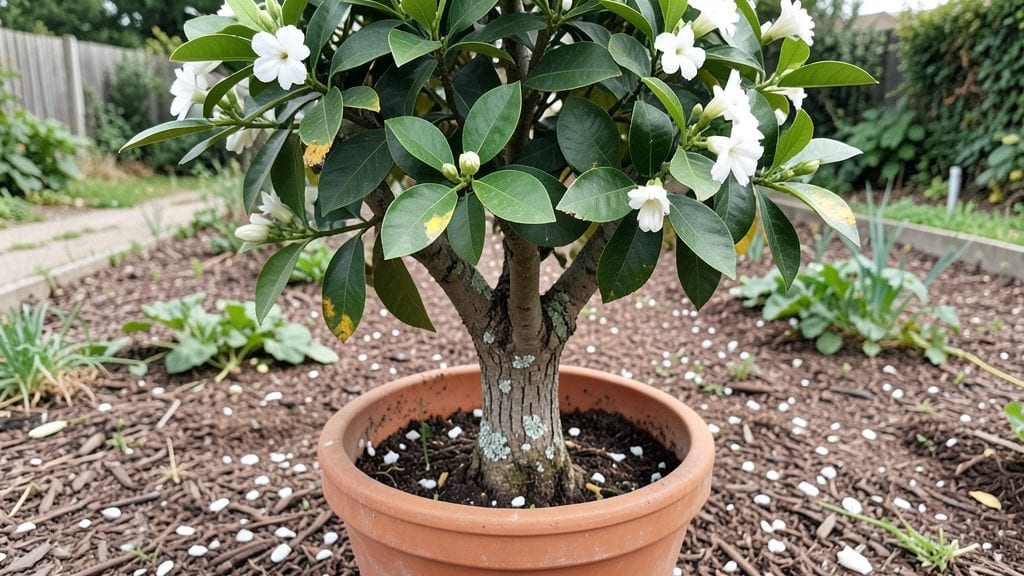
Growing an orange jubilee shrub 🌸 means welcoming a burst of golden blooms that brighten any garden—but only if you master the pruning secrets behind its show-stopping display.
Picture this: your vibrant orange jubilee shrub suddenly wilts, its branches bare and leggy, all because you pruned at the wrong time or missed the key cuts. That’s the difference between a year-round floral masterpiece and a shrub that fizzles out after one season.
Here’s the good news: with the right timing and techniques, you can coax your orange jubilee shrub into a lush, blooming powerhouse. I’ll walk you through when to trim for maximum flowers, how to shape it for a fuller look, and the critical mistakes that turn heads into frowns.
Ready to unlock the secrets? Let’s get your orange jubilee shrub thriving with stronger stems, bigger blooms, and a shape that steals the show—no matter the season.
When and how to prune Orange Jubilee shrubs for maximum blooms
The Orange Jubilee shrub (Philadelphus 'Orange Jubilee') thrives on consistent pruning to maintain its vibrant orange blooms and compact shape. Unlike many shrubs, it flowers on new wood, meaning aggressive pruning won’t sacrifice blooms—if done correctly.
The key lies in seasonal timing and precision cuts that encourage bushier growth and continuous flowering.
Pruning at the wrong time can stunt blooms or leave your shrub vulnerable to disease. For example, cutting back too late in fall or too early in spring can reduce next year’s flower production.
My step-by-step seasonal guide below ensures your Orange Jubilee stays lush, healthy, and overflowing with color year-round.
Start by gathering your tools: bypass pruners for clean cuts, loppers for thicker stems, and sterilized shears to prevent bacterial spread. Always prune on a dry, sunny day to minimize stress on the plant.
Remember, one-third rule—never remove more than one-third of the shrub’s foliage in a single session to avoid shocking the plant.
🌿 Seasonal Pruning Schedule for Orange Jubilee Shrubs
-
📅 Early Spring (March-April):
- Remove dead or diseased branches first—cut back to healthy green tissue.
- Lightly shape the shrub by trimming back overgrown stems to encourage new growth.
- Avoid heavy pruning now—save major cuts for after flowering.
-
🌸 Post-Bloom (June-July):
- Deadhead spent blooms by cutting just above the next set of leaves to redirect energy to new flowers.
- Perform rejuvenation pruning if needed: cut 1/3 of oldest stems to the ground to stimulate younger, more vigorous growth.
- Shape the shrub by thinning out crowded branches to improve airflow and reduce disease risk.
-
🍂 Early Fall (September-October):
- Remove weak or crossing branches to maintain an open, airy structure.
- Avoid heavy pruning—focus on light shaping to prepare for winter dormancy.
- Clean up fallen leaves or debris around the base to prevent fungal issues.
-
❄️ Winter (November-February):
- Do NOT prune during dormancy—this can expose the shrub to cold damage and pests.
- If you must prune in winter, wait until late winter (just before buds swell) for minimal risk.
- Use this time to plan your spring pruning strategy based on the shrub’s current shape.
For older Orange Jubilee shrubs that have become leggy or sparse, rejuvenation pruning in early spring works wonders. Cut back all stems to 6–12 inches above the ground. While this might seem drastic, your shrub will respond with vigorous new growth and more abundant blooms within a season.
Just be patient—it may take 1–2 years to fully recover its shape.
Deadheading is non-negotiable for continuous blooms. As soon as a flower fades, snip it off at the first set of leaves below the bloom. This simple step tricks the shrub into focusing energy on new flowers instead of seed production. I deadhead my Orange Jubilee every 2–3 days during peak bloom to keep it looking its best.
Watch for water sprouts—those weak, vertical shoots that pop up after pruning. These steal energy from your shrub. Simply cut them off at the base as soon as you spot them. Over time, your Orange Jubilee will develop a stronger, fuller structure with fewer unwanted growths.
If your shrub isn’t blooming as much as you’d like, over-fertilizing with nitrogen could be the culprit. Too much nitrogen promotes leafy growth at the expense of flowers. Instead, use a balanced 10-10-10 fertilizer in early spring and lightly again in midsummer to support blooming without excessive foliage.
Finally, mulch around the base after pruning to retain moisture and regulate soil temperature. Use 2–3 inches of organic mulch, like shredded bark, and keep it 6 inches away from the trunk to prevent rot.
This small step makes a huge difference in your shrub’s resilience during hot summers or cold winters.
With this seasonal pruning routine, your Orange Jubilee shrub will reward you with bold orange blooms from early summer to fall—and possibly even a second flush of flowers if conditions are ideal. Happy pruning! ✂️🌸
Orange Jubilee shrub pruning mistakes that stunt growth (and how to fix them)
The Orange Jubilee shrub thrives on proper pruning, but even small mistakes can lead to stunted growth, fewer blooms, or even plant decline. One of the biggest errors is pruning at the wrong time—like cutting back in late fall or winter when the shrub is dormant.
This disrupts its natural blooming cycle, leaving you with sparse flowers the following season.
Another common blunder is over-pruning, where gardeners remove too much foliage at once. The Orange Jubilee relies on its leaves for energy production, and aggressive cuts can weaken the shrub, making it vulnerable to pests and diseases.
Even incorrect cutting angles—like leaving stubs or cutting too close to the stem—can invite infections and slow recovery.
⚠️
⚠️ CRITICAL PRUNING NO-NOS FOR ORANGE JUBILEE SHRUBS
- ❌ Never prune in winter – Dormant season cuts delay spring blooms and stress the plant.
- ❌ Avoid cutting more than 1/3 of the shrub at once – Over-pruning starves the plant of energy.
- ❌ Don’t use dull tools – Ragged cuts slow healing and invite disease.
- ❌ Skip deadheading spent blooms – Removing faded flowers encourages continuous blooming.
Ignoring these mistakes can lead to irreversible damage, including dieback or reduced flowering for years.
If your Orange Jubilee has already suffered from neglect, don’t panic—it’s resilient! Start by removing dead or diseased branches first, cutting them back to healthy growth.
Then, focus on light shaping cuts to restore balance. Apply a balanced fertilizer (like 10-10-10) to help it recover, and water deeply to reduce stress.
For rejuvenation pruning, older shrubs may need a harder cut back in early spring. Trim one-third of the oldest wood at the base to encourage new growth.
This method works best for shrubs that have become woody and sparse, but it should only be done every 3-5 years to avoid shocking the plant.
Finally, monitor your cuts for signs of healing. Healthy pruning wounds should seal over within 2-4 weeks. If you notice yellowing leaves or stunted new growth, you may have overdone it—scale back next time and focus on gentler maintenance pruning to keep your shrub thriving.
With the right approach, your Orange Jubilee can bounce back stronger than ever, bursting with vibrant orange blooms and lush foliage. The key is patience and precision—small, strategic cuts yield the best results! 🌸