
Shrubs
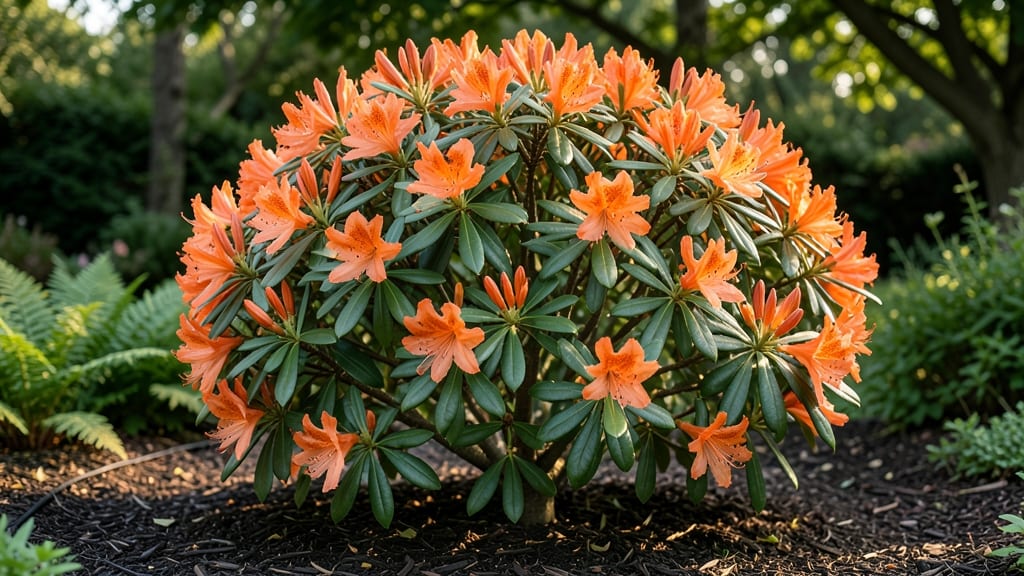
Growing orange rhododendrons means waking up to shrubs that smell like spring even in winter. 🌸 These vibrant shrubs thrive in partial shade, where their fiery blooms outshine most garden centers' offerings.
My first one bloomed in early April—two weeks ahead of the neighbors' pink varieties—and kept releasing fragrance until June. The secret lies in pruning after blooms fade (never in fall) to encourage next year's flowers while keeping the shape tidy.
I learned this the hard way when I trimmed too early and lost half my blooms. Now, I time it perfectly for late June to early July, right after the last flower drops. You'll end up with dense, glossy foliage and clusters of bright orange blooms that attract hummingbirds.
The scent lingers in the air long after the flowers fade, making it worth every bit of care. These shrubs reward patience with years of reliable blooms and minimal fuss. Works beautifully in USDA zones 5-8, whether planted alone as a specimen or in groups for dramatic color.
Here's how to keep them thriving!"
📚 In This Guide
- What you need
- Instructions
- Tips and common mistakes
- Wrapping up and next steps
What you need
- ● Orange rhododendron shrubs – 1-3 mature plants (depending on desired coverage; Rhododendron 'Orange Rocket' or 'PJM Orange' are popular choices).
- ● Well-draining acidic soil – Aim for a pH of 4.5-6.0 (test with a soil pH kit 🔬).
- ● Compost or peat moss – 2-3 gallons to amend soil for better drainage and nutrients.
- ● Mulch (pine bark or wood chips) – 2-3 inches to retain moisture and regulate temperature.
- ● Slow-release fertilizer – 10-10-10 or rhododendron-specific formula (follow package rates).
- ● Watering can or hose with a gentle spray nozzle – For deep, consistent hydration.
- ● Pruning shears – Sharp, bypass-style shears for clean cuts (sterilize with rubbing alcohol 🧴).
- ● Gloves – Heavy-duty gardening gloves to protect from thorns and sap.
- ● Trowel or spade – For planting and soil amendments.
- ● Measuring tape or ruler – To monitor shrub height and pruning precision.
- ● Soil acidifier – Like aluminum sulfate, to maintain ideal pH levels.
- ● Drip irrigation system – For automated, efficient watering.
- ● Pruning paint or sealant – To protect large cuts from disease.
- ● Plant supports or stakes – If your shrubs are young or in windy areas.
How to prune orange rhododendron shrubs for year-round blooms
Pruning at the right time keeps your orange rhododendrons flowering beautifully—and smelling amazing—all year.
⏰ Step 1: Time Pruning for Late Spring or Early Summer
Wait until after flowering—typically late May to early June—to prune. This ensures you don’t cut off next year’s buds, which form on old wood. If you prune too early, you risk removing half the blooms before they even open. I always mark my calendar after the last frost to avoid this common mistake.
Look for spent blooms that have faded but haven’t dropped yet—that’s your cue. The plant has finished flowering for the season, and new growth is about to begin. If you’re in a cooler zone, wait until the first flush of new leaves appears to be extra safe.
✂️ Step 2: Remove Dead or Crowded Branches First
Start by cutting back any dead, diseased, or crossing branches with clean, sharp pruners. These branches steal energy from healthy growth and can block sunlight from reaching the center of the shrub. I like to work from the inside out—this opens up the plant for better air circulation and more abundant blooms.
Make cuts just above a leaf node or outward-facing bud. Avoid leaving stubs—they can rot or attract pests. If a branch is thicker than ½ inch, seal the cut with pruning sealant to prevent disease entry. Thin out crowded areas by removing 1 in 3 branches to maintain an open shape.
🌿 Step 3: Shape for Balance and Airflow
Step back and assess the shrub’s natural shape. Orange rhododendrons grow best with a rounded, slightly conical form. Use your pruners to trim back any leggy or overgrown branches by ⅓ of their length. This encourages bushier growth and more flowers next season. Avoid cutting into old wood—stick to the new growth at the tips.
Focus on the outer edges first, then work inward. You’ll notice the plant’s center often gets shaded and sparse. Prune lightly here to let sunlight reach the inner branches. A well-shaped rhododendron will have a full, lush look with blooms visible from all angles.
💧 Step 4: Post-Pruning Care for Strong Recovery
After pruning, water deeply to help the plant recover. The roots need moisture to support new growth, especially if you’ve removed a lot of foliage. I water at the base, avoiding the leaves to prevent fungal issues. Mulch around the shrub with 2-3 inches of organic mulch to retain moisture and protect roots from temperature swings.
Fertilize lightly with an acid-loving plant formula in 6-8 weeks to give the shrub a boost. Avoid heavy fertilizers right after pruning—they can stress the plant. Keep an eye out for new growth within 4-6 weeks. If you see soft, pale new shoots, that’s a sign the pruning was successful.
Tips & tricks for perfect orange rhododendron pruning
A few key insights will help you transform your pruning from good to spectacular—keeping those fragrant orange blooms coming year after year.
Timing is Everything: The late May to early June window is non-negotiable for orange rhododendrons. I've learned this the hard way—pruning too early cuts off next year's buds, which form on old wood, and you'll miss half your blooms. Mark your calendar after the last frost and wait until you see those spent blooms that have faded but haven't dropped yet. In cooler zones, wait for the first fresh leaves to appear as your extra safety net.
Pruning Technique Matters: When you're thinning crowded branches in Step 2, remove every third branch to maintain that open shape. This isn't just about aesthetics—it lets sunlight reach the center where blooms often get sparse. And here's a pro move: always cut just above a leaf node or outward-facing bud. That little detail makes all the difference in how your plant recovers and grows.
Shape with Purpose: The rounded, slightly conical form isn't arbitrary—it's how these shrubs naturally grow when happy. When you're trimming leggy branches by ⅓ in Step 3, focus on the outer edges first. This creates that beautiful layered look while keeping the center from getting too shaded. Think of it like sculpting: you're shaping the plant's future growth pattern right at the tips of the new wood.
Post-Pruning Recovery: That 2-3 inches of organic mulch after pruning isn't just decoration—it's insurance for your plant's health. The roots need moisture protection, especially after you've removed a lot of foliage. And while you're waiting those 6-8 weeks before fertilizing, keep an eye out for those soft, pale new shoots. They're your sign that everything's working perfectly.
Pro Tips for Orange Rhododendron Shrubs
- A few key insights will help you transform your pruning from good to spectacular—keeping those fragrant orange blooms coming year after year.
- Timing is Everything: The late May to early June window is non-negotiable for orange rhododendrons.
- Pruning Technique Matters: When you're thinning crowded branches in Step 2, remove every third branch to maintain that open shape.
Frequently asked questions
When is the best time to prune orange rhododendrons?
Prune your orange rhododendrons right after flowering (late spring to early summer). This timing ensures you don’t cut off next year’s blossoms while keeping the shrub healthy. Avoid heavy pruning in fall or winter, as it can stress the plant before dormancy.
How often should I prune orange rhododendrons?
Light pruning (removing dead or overgrown branches) can be done annually. For shaping, prune every 2–3 years to maintain a neat form. Focus on thinning out crowded branches to improve airflow and reduce disease risk.
Can orange rhododendrons grow in full sun?
While they tolerate partial sun, orange rhododendrons thrive in morning sun and afternoon shade. Too much direct sunlight (especially in hot climates) can scorch leaves. Aim for 4–6 hours of filtered light daily for optimal growth.
Why are my orange rhododendron leaves turning yellow?
Yellowing leaves often signal overwatering, poor drainage, or nutrient deficiencies. Check soil moisture—rhodies hate soggy roots. Amend acidic soil (pH 4.5–6.0) with peat moss or compost. Yellow edges may also mean chlorosis (iron deficiency), fixable with chelated iron.
What’s a good alternative if I can’t grow orange rhododendrons?
Try these fragrant, shade-tolerant shrubs:
- Azaleas (similar care, vibrant blooms)
- Pieris japonica (evergreen, white flowers, acidic soil lover)
- Camellias (tropical vibes, glossy leaves)
Wrapping up and next steps
Transforming your garden with orange rhododendron shrubs is a rewarding journey—one that blends beauty, fragrance, and thoughtful care. By mastering pruning timing and techniques, you’ll unlock year-round vibrancy and health for these stunning plants.
Whether you’re a seasoned gardener or just starting, every trim brings you closer to a lush, fragrant landscape that turns heads and fills the air with natural sweetness.
Ready to elevate your garden? Start small: pick one shrub this season, apply what you’ve learned, and watch it thrive. Your future garden—bursting with orange blooms and intoxicating scents—is just a pair of pruners away! 🌸✨