
Shrubs
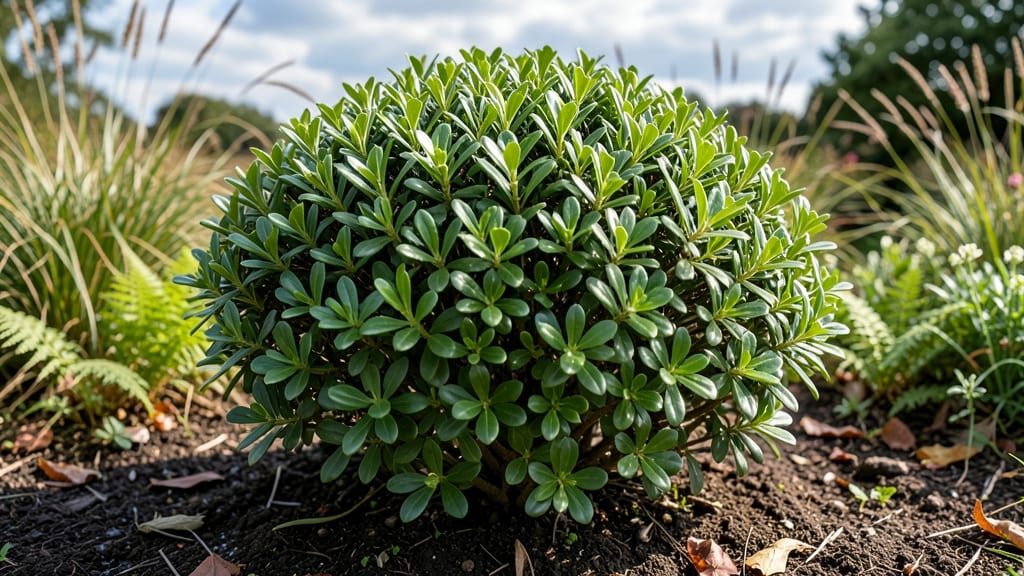
Ornamental evergreen shrubs transform dull spaces into fragrant, four-season focal points. 🌿 I planted a row of fragrant boxwoods last spring, and now my backyard feels like a secluded retreat—no more peeking neighbors or windy drafts.
These shrubs don’t just block views; they create a living tapestry of textures and scents that evolve with the seasons.
The best part? They’re low-maintenance powerhouses. Boxwoods thrive in partial shade, holly handles heat and humidity, and azaleas bring bursts of color in spring. Pair them with climbing roses for a romantic border or mix in evergreen ferns for a lush, layered look.
A well-placed shrub can anchor a garden bed, soften a fence line, or even serve as a fragrant privacy hedge in just a few years.
With the right pruning—just a few clean cuts each spring—your shrubs will stay dense, symmetrical, and full. I shape mine with hand pruners after the first flush of new growth, and they bounce back faster than I expected. The payoff? A garden that looks polished year-round with minimal effort.
Whether you’re filling a small yard or lining a long driveway, these shrubs adapt to almost any space. Start with one variety, then expand as you discover what thrives in your climate. Your future self will thank you for the quiet, evergreen sanctuary you’re creating today.
📚 In This Guide
- What you need
- Instructions
- Tips and common mistakes
- Wrapping up and next steps
What you need
- ● Ornamental evergreen shrubs: 3–5 mature plants (spaced 3–6 ft apart, depending on variety). Choose dwarf, semi-dwarf, or standard sizes based on your space.
- ● High-quality potting soil or garden loam: 2–3 cubic yards (for in-ground planting) or 1–2 bags of peat-based or well-draining mix (for containers).
- ● Organic compost or slow-release fertilizer: 5–10 lbs (5-10-5 NPK ratio recommended for evergreens).
- ● Mulch (pine bark or shredded wood): 2–3 inches to retain moisture and regulate soil temperature.
- ● Garden trowel or spade (for digging holes).
- ● Pruning shears or hedge clippers (sharp, sterilized blades for clean cuts).
- ● Wheelbarrow or bucket (for mixing soil/fertilizer).
- ● Garden hose with nozzle (for deep watering).
- ● Measuring tape (to ensure proper spacing).
- ● Gloves (to protect hands from thorns or rough foliage).
- ● Soil test kit (to check pH—evergreens prefer 5.0–6.5).
- ● Slow-release fertilizer spikes (for container-grown shrubs).
- ● Drip irrigation system (for automated watering in dry climates).
- ● Plant food with micronutrients (e.g., iron or manganese for yellowing leaves).
- ● Decorative stakes or edging (to define borders for a polished look).
Step-by-step guide to planting and caring for ornamental evergreen shrubs
Here's how to establish fragrant, evergreen shrubs that thrive year-round with minimal fuss.
🪴 Step 1: Select the Right Location and Prepare the Site
Choose a spot with at least 6 hours of sunlight daily—most ornamental evergreens prefer full sun for best fragrance and density. Avoid low-lying areas where cold air settles, as evergreens can suffer winter burn. I like to test the site by marking a 4-foot diameter circle where the mature shrub will spread.
Dig a hole twice as wide as the root ball but only as deep as the container's bottom. Loosen the sides of the hole with a shovel to encourage root spread. Mix the removed soil with 2 inches of compost (if not already in your soil) to improve drainage and fertility. This ensures your shrub gets a nutrient boost right from planting.
🌱 Step 2: Plant the Shrub Properly for Strong Establishment
Remove the shrub from its container and gently loosen any circling roots with your fingers—this prevents girdling as the plant grows. Place it in the hole so the top of the root ball sits level with the surrounding soil (never buried deeper). I always check this by running my thumb along the soil line at the base of the plant.
Backfill the hole with the amended soil, tamping lightly every 4-6 inches to eliminate air pockets. Water deeply until the soil settles and the hole is full. The soil should feel moist but not soggy—you'll know it's right when water drains away within 15-20 minutes. Finish by creating a 2-inch-high berm around the base to hold water for the first week.
☀️ Step 3: Water and Mulch for Year-Round Health
Water the newly planted shrub every 2-3 days for the first 2 weeks, then taper to once a week once established. Evergreens hate soggy roots, so always check moisture by sticking your finger 2 inches deep—water only when dry. I set a reminder on my phone for the first month to avoid skipping.
Spread 3 inches of mulch (like pine straw or shredded bark) over the root zone, keeping it 6 inches away from the trunk to prevent rot. This retains moisture, regulates soil temperature, and suppresses weeds. Replenish mulch annually in late winter to protect roots from temperature swings.
✂️ Step 4: Prune Strategically for Shape and Fragrance
Prune in late winter or early spring before new growth begins. Remove dead, crossing, or weak branches first, cutting back to the nearest outward-facing bud. Then shape the shrub by trimming no more than 1/3 of the new growth—this maintains density and fragrance. I use clean, sharp pruners and sterilize them with rubbing alcohol between cuts to prevent disease.
For fragrant varieties, avoid heavy pruning in fall—this can reduce winter hardiness. Instead, do light tidying in September to encourage fresh, fragrant foliage for the holidays. Always prune just above a leaf node to promote bushier growth.
Tips & tricks for perfect ornamental evergreen shrub planting
Here's what I've learned after planting dozens of these fragrant beauties—these tricks make all the difference for long-term success.
Sunlight Secret: That 6 hours of sunlight requirement is non-negotiable for fragrance and density. If your yard has partial shade, choose varieties like Leyland cypress or Emerald green arborvitae that tolerate 4-5 hours—just don't expect the same intoxicating scent. I once planted a fragrant Dwarf Alberta spruce in a shady spot and was disappointed when it barely bloomed after three years.
Root Ball Level Check: The thumb test for level planting is my favorite—run your thumb along the soil line at the base of the plant. If it's buried even 1 inch too deep, roots can suffocate and cause rot. I've seen new gardeners bury shrubs up to their first branch, which kills them within weeks. Pro tip: Use a level tool for perfect alignment if you're planting multiple shrubs in a row.
Watering Wisdom: The 15-20 minute drainage test after planting is crucial. If water pools longer than 20 minutes, your hole needs better drainage—mix in sand or perlite with that 2 inches of compost. Overwatering is the #1 killer of evergreens. I keep a small watering can with a slow-drip spout near my planting site to avoid splashing soil onto the needles.
Mulch Magic: That 3 inches of mulch should feel like a cozy blanket for your shrub's roots. I use pine straw because it mimics the natural forest floor environment these shrubs evolved in. Keep it 6 inches from the trunk—any closer and you'll trap moisture against the bark, inviting fungal diseases. Replenish it every spring before new growth begins for best protection.
Pro Tips for Ornamental Evergreen Shrub
- Here's what I've learned after planting dozens of these fragrant beauties—these tricks make all the difference for long-term success.
- Sunlight Secret: That 6 hours of sunlight requirement is non-negotiable for fragrance and density.
- Root Ball Level Check: The thumb test for level planting is my favorite—run your thumb along the soil line at the base of the plant.
Frequently asked questions
Got questions about adding an ornamental evergreen shrub to your landscape? You’re not alone! Here are answers to the most common queries to help you make the best choice for your space.
What’s the easiest ornamental evergreen shrub for beginners?
Start with Boxwood (Buxus) or Dwarf Japanese Garden Juniper (Juniperus procumbens). Both are hardy, disease-resistant, and thrive in partial shade. Holly (Ilex) is another great pick—its glossy leaves and berries add year-round interest with minimal fuss!
How long does it take for an ornamental evergreen shrub to grow into a privacy screen?
Most evergreens grow 1–3 feet per year, so a 6-foot-tall screen takes 2–5 years to mature. For faster results, plant shrubs in staggered rows or opt for Leyland Cypress, which can reach 30+ feet in a decade. Patience pays off for lush, dense privacy!
How often should I water a newly planted ornamental evergreen shrub?
Water deeply 2–3 times per week for the first year, keeping soil moist but not soggy. After establishment, most evergreens need water only during droughts. Mulch (2–3 inches) helps retain moisture and protect roots—just keep it away from the trunk.
What pests or diseases should I watch for in ornamental evergreen shrubs?
Common issues include spider mites, scale insects, and fungal diseases like powdery mildew. Inspect leaves regularly for yellowing, sticky residue, or holes. Treat pests with neem oil or insecticidal soap, and improve airflow to prevent disease.
Can I trim my ornamental evergreen shrub year-round, or is there a best time?
The best time to prune is late winter or early spring (before new growth starts). Avoid heavy trimming in summer or fall, as it stresses the plant. Light shaping is fine anytime, but never cut into old wood—it won’t regrow!
Wrapping up and next steps
Transforming your outdoor space into a fragrant, evergreen haven is simpler—and more rewarding—than you think! 🌿 Whether you’re seeking privacy, texture, or year-round beauty, ornamental evergreen shrubs offer the perfect blend of low-maintenance elegance and sensory delight.
With the right variety and care, you can enjoy lush greenery that thrives with minimal effort.
Ready to elevate your landscape? Start by selecting the perfect shrub for your climate and space, then dive into planting and upkeep with confidence. Your future self (and your neighbors!) will thank you for the cozy, aromatic retreat you’re creating. Happy gardening! 🌱