
Watering
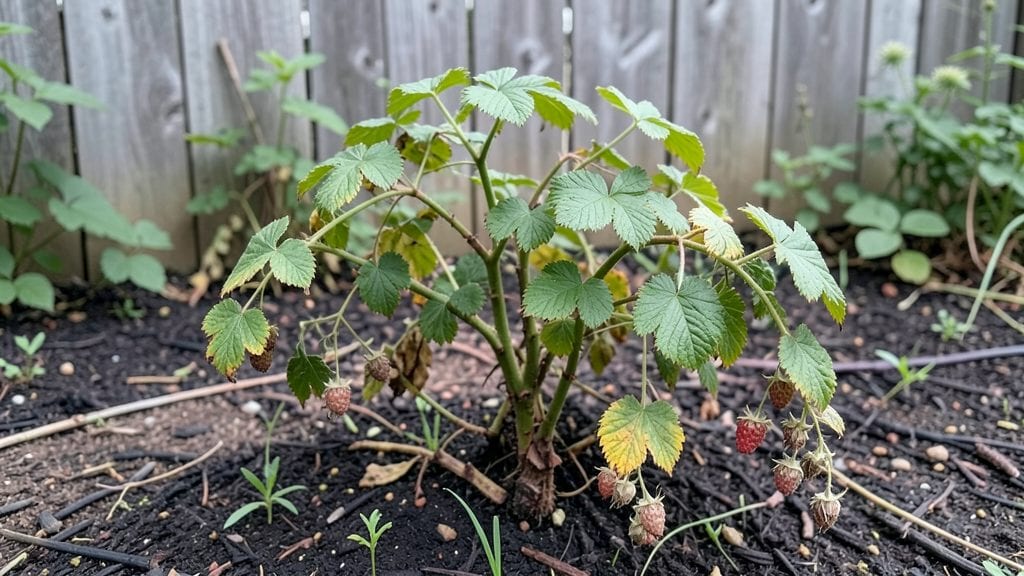
An overwatered raspberry plant with yellow, drooping leaves signals a crisis—but with the right moves, your canes can bounce back for a bountiful harvest next season. The fix starts with stopping the water and giving roots room to breathe again.
Most people overwater because they assume raspberries need constant moisture like lettuce. But soggy soil suffocates roots, turning leaves yellow and stems mushy. The good news? Raspberries bounce back fast once you adjust. Within 7-10 days of proper care, new green growth appears, and the plant regains its vigor.
You’ll end up with a rebounding plant that produces sweeter berries next season. The key steps—draining the soil, pruning dead canes, and spacing waterings—take less than 30 minutes but prevent future rot.
Even my first-year mistakes led to full recovery, so don’t panic if your plants look worse before they get better.
This works for both in-ground plants and container-grown raspberries. The same principles apply whether you’re dealing with a small backyard patch or a community garden bed. Let’s get those roots breathing again—your future harvest depends on it.
Root Causes Of Overwatered Soil
If your raspberry plants are looking more like soggy pudding than thriving bushes, overwatering is likely the culprit. But why does this happen? Let’s break down the science behind it—because understanding the root causes (pun intended) helps you fix the problem for good.
Raspberry plants hate sitting in wet feet—literally. If your garden soil or containers lack proper drainage, excess water pools around the roots instead of draining away. This creates an oxygen-deprived environment, suffocating roots and inviting fungal diseases like Phytophthora.
Why it happens:
- Compacted soil: Heavy clay or tightly packed dirt blocks water flow, trapping moisture near the roots.
- No gravel or sand layers: Raised beds or pots without drainage materials (like perlite or crushed rock) act like sponges, holding water indefinitely.
- Improper container design: Pots without drainage holes or those lined with plastic (to prevent leaks) trap water, turning the root zone into a swamp.
Actionable fix: Test your soil’s drainage by digging a 6-inch hole, filling it with water, and timing how long it takes to drain. If it’s slower than 4 hours, amend with compost, sand, or coconut coir to improve airflow.
Even well-draining soil can become oversaturated if you water on a rigid schedule without checking moisture levels. Raspberries need consistent moisture, but their roots cannot thrive in constantly wet conditions—especially in humid climates.
Why it happens:
- Ignoring weather patterns: Rainy days + automatic sprinklers = double the water stress.
- Small, frequent waterings: Light misting keeps the topsoil damp but doesn’t encourage deep root growth, leading to shallow, waterlogged zones.
- No soil moisture monitoring: Sticking your finger in the soil (1–2 inches deep) or using a moisture meter reveals the truth—many gardeners overestimate when plants "need" water.
Actionable fix: Switch to the "drench-and-dry" method: Water deeply (1–2 inches per week) until moisture reaches 6–8 inches down, then let the top 2 inches dry out before repeating. Use a soil probe or your finger to check—if it’s damp, wait.
Potted raspberries are especially vulnerable because containers dry out faster than ground soil—but that doesn’t mean you should cut back on water. The opposite often happens: gardeners assume pots need less water and overcompensate with heavy doses.
Why it happens:
- Material matters: Terracotta pots dry out quickly but can also retain too much moisture if not drained properly. Plastic pots trap heat and water, creating a greenhouse effect.
- Root-bound stress: When roots fill the pot, they struggle to absorb water efficiently, leading to runoff and waterlogged soil.
- No winter adjustments: Containers in cold climates freeze and thaw, disrupting drainage and trapping excess water.
Actionable fix:
- Upgrade to fabric grow bags or pots with multiple drainage holes.
- Use a wicking system (like a reservoir pot) to regulate moisture without drowning roots.
- In winter, move containers to sheltered spots or insulate with bubble wrap to prevent freezing.
Overwatered raspberries aren’t just wilting—they’re inviting pathogens. Fungi like Botrytis (gray mold) and Rhizoctonia thrive in soggy conditions, clogging root pores and blocking nutrient uptake.
Why it happens:
- Stagnant water = fungal buffet: Standing water creates the perfect humidity for spores to spread.
- Mulch overkill: Thick mulch layers (especially organic ones) can suffocate roots if not paired with proper drainage.
- Weakened plant immunity: Stressed raspberries (from overwatering) can’t fight off infections, leading to root rot.
Actionable fix:
- Apply 3–4 inches of mulch (straw or wood chips) but keep it 2 inches away from the stem to prevent rot.
- Spray roots with neem oil or copper fungicide if you spot mold or discoloration.
- Prune affected leaves immediately to improve airflow.
Pro tip: 💡 Yellowing leaves with mushy stems? That’s your plant’s SOS for root rot. Act fast—healthy raspberries should have deep green, firm foliage.
Reviving Your Drowning Berries
Now that you know the signs and causes of an overwatered raspberry plant, it’s time to roll up your sleeves and bring it back to life! 🌱 The good news?
Raspberries are resilient, and with a few targeted fixes, you can nurse your plant back to health—even if it’s currently looking more like a soggy swamp than a fruiting bush.
Below are practical, step-by-step solutions tailored to the most common causes of overwatering, plus prevention tips to keep your plant thriving long-term.
If your raspberry plant’s roots are sitting in a puddle of water, the first step is to stop the flood and give the soil a chance to dry out. Here’s how:
🔥 Step 1: Halt Watering Immediately
- Skip the next 3–5 days of watering entirely. This allows the soil to start drying from the top down.
- If your plant is in a container, lift it to check the weight—if it feels soggy, it’s still too wet.
🍳 Step 2: Improve Drainage Fast
- Raise the pot (if potted) by placing it on bricks, cinder blocks, or a saucer with drainage holes.
This prevents water from pooling at the bottom. - Add perlite or coarse sand to heavy clay soil to break up compaction and improve airflow. - For in-ground plants, consider mounding soil around the base to create a slight slope, encouraging water to run off.
👨🍳 Step 3: Loosen Compacted Soil
Use a garden fork or trowel to gently aerate the soil around the roots (about 6 inches deep).
This helps water evaporate and oxygen reach the roots. > Pro Tip: 💡 If the soil is severely waterlogged, mix in compost or coconut coir to improve structure without adding more moisture.
⏰ Step 4: Monitor and Resume Watering Slowly
- After 5 days, stick your finger 2 inches into the soil.
If it’s dry, water lightly—just enough to moisten the top 1–2 inches. - Water deeply but infrequently: Raspberries prefer 1–1.5 inches of water per week (including rainfall). Split this into 2–3 sessions rather than daily sprinkles.
Yellow leaves, black spots, or a musty smell? Your plant might be battling root rot or fungal diseases like powdery mildew. Here’s how to tackle it:
🔥 Step 1: Prune Affected Areas
- Snip off yellowed, mushy, or moldy leaves and stems with sterilized pruners (wipe with rubbing alcohol between cuts).
- Remove any fallen leaves around the base—they trap moisture and spread disease.
🌡️ Step 2: Apply Fungicide (If Needed)
- For mild cases, spray with a baking soda solution (1 tsp baking soda + 1 quart water + a few drops of dish soap).
- For severe rot, use a copper fungicide or neem oil (follow label instructions).
These kill fungal spores without harming the plant.
🎯 Step 3: Boost Air Circulation
- Space plants 18–24 inches apart to reduce humidity around leaves.
- If growing in a container, trim nearby plants blocking airflow.
- Avoid overhead watering—use drip irrigation or water at the base instead.
✨ Step 4: Adjust Watering Habits
- Water in the morning so foliage dries quickly.
- Avoid wet mulch—use straw or pine needles instead of thick layers of bark or leaves.
Once your raspberry plant is back on track, lock in these habits to keep it happy and healthy:
💡 Soil Test First
- Check soil moisture before watering: Stick your finger in—if the top 1–2 inches are dry, it’s time. If damp, wait.
- Amend heavy clay soil with compost or sand once a year to improve drainage.
🌡️ Choose the Right Container
- If potted, pick a container with drainage holes and at least 18 inches deep for mature plants.
- Terracotta pots dry out faster than plastic—great for raspberries!
🎯 Mulch Smartly
- Use 2–3 inches of organic mulch (straw, wood chips) to retain moisture without suffocating roots.
- Keep mulch 2–3 inches away from the plant stem to prevent rot.
🔄 Rotate Watering Zones
- If using a sprinkler, move it weekly to avoid waterlogging one spot.
- Drip irrigation is ideal—it delivers water slowly at the root zone.
Final Thought: 🌿 Overwatering is a common mistake, but raspberries bounce back faster than you think—as long as you act quickly. By adjusting drainage, pruning wisely, and watering with intention, your plant will reward you with juicy berries and lush growth in no time.
Now grab your trowel, and let’s get those roots breathing again!
Frequently asked questions about overwatered raspberry plants
What are the first signs my raspberry plant is overwatered?
Watch for yellowing leaves that start at the bottom, drooping canes, and soil that stays soggy even 24 hours after watering. If the leaves feel mushy or stems appear blackened, root rot may have set in—act fast to prune affected areas and improve drainage.
Can I save a raspberry plant with root rot from overwatering?
Yes! Cut back all mushy, blackened roots and yellow leaves, then repot in fresh, well-draining soil with perlite. Water lightly only when the top 1–2 inches are dry. For severe cases, consider propagating healthy canes to start fresh.
How often should I water raspberries after fixing overwatering?
After recovery, aim for 1–1.5 inches of water per week, split into 2–3 deep waterings (not daily misting). Use your finger to check soil moisture—water only when the top 2 inches feel dry. Containers dry faster than ground soil!
Is it better to underwater or overwater raspberries?
Underwatering is less risky—raspberries tolerate brief dry spells better than soggy soil. The key is balance: deep waterings that soak 6–8 inches down encourage strong roots, while proper drainage prevents rot. Always prioritize airflow at the roots.
Will overwatered raspberries still produce fruit this season?
Probably not a full harvest, but healthy canes may still bear some berries. Focus on recovery first—prune dead growth, improve drainage, and next season’s crop will rebound stronger. Overwatering this year stresses the plant, but proper care now ensures next year’s bounty!