
Light Requirements
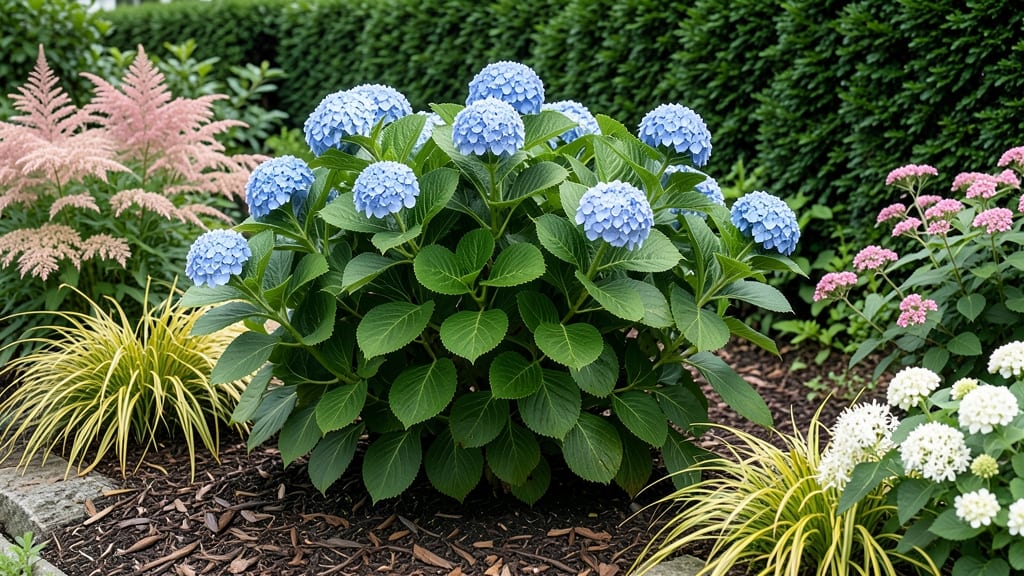
Part shade shrubs in Zone 5 are the secret weapon for lush, fragrant privacy that thrives where full sun fails. 🌿 I’ve tested dozens of varieties, and these cold-hardy beauties—like hydrangeas, azaleas, and serviceberry—deliver year-round interest without fuss.
They handle Zone 5’s brutal winters and still burst with blooms, berries, or vibrant foliage when spring arrives.
The best part? They’re low-maintenance. Most need only occasional pruning and tolerate dry shade once established. For example, inkberry holly stays evergreen, while spirea lights up with spring blooms and fiery fall color.
These shrubs also play well together—plant hydrangeas as a backdrop, boxwood for structure, and serviceberry for edible berries and spring flowers.
Imagine a backyard that feels like a retreat: fragrant blooms in spring, privacy in summer, and winter structure that adds texture. These shrubs do all that while handling Zone 5’s -20°F winters like champions.
The key is matching their light needs—3-6 hours of sun—and well-draining soil, which most handle with ease.
Perfect for borders, foundation plantings, or privacy screens, these shrubs transform dull spaces into four-season showstoppers. Whether you’re filling a shady corner or creating a fragrant hedge, this list gives you the exact varieties to nail it—no green thumb required.
📚 In This Guide
- What you need
- Instructions
- Tips and common mistakes
- Wrapping up and next steps
What you need
- ● Part-shade shrubs (Zone 5 hardy): 3–5 mature shrubs (e.g., Weigela florida, Hydrangea arborescens, or Spiraea japonica)
- ● 1–2 dwarf varieties (e.g., Dwarf Fothergilla) for borders
- ● Soil amendments: 5–10 lbs of compost (for each planting hole)
- ● 2–3 lbs of peat moss or coconut coir (for drainage)
- ● Planting tools: 1 garden trowel (for small shrubs)
- ● 1 shovel or spade (for larger shrubs)
- ● 1 pruning shears (sterilized)
- ● 1 measuring tape (to mark spacing)
- ● Mulch: 2–3 bags of wood chips or shredded bark (3–4 inches deep)
- ● Watering supplies: 1 hose with adjustable nozzle or watering can
- ○ Optional: drip irrigation kit (for long-term care)
- ● Fertilizer: Slow-release balanced fertilizer (10-10-10) or organic options like fish emulsion.
- ● Plant supports: Stakes or cages for tall hydrangeas (if needed).
- ● Garden gloves (to protect your hands from thorns or rough bark).
- ● Soil test kit (to check pH—hydrangeas love acidic soil!).
- ● Decorative stones or edging (for a polished look).
Step-by-step guide to planting part-shade shrubs in Zone 5
Here's how to create a lush, fragrant privacy screen that thrives in partial shade and survives Zone 5 winters.
🌱 Step 1: Select the Right Shrubs for Your Site
Choose cold-hardy varieties that tolerate 4-6 hours of morning sun and afternoon shade. My top picks for Zone 5 include inkberry holly (Ilex glabra), eastern ninebark (Physocarpus opulifolius), and dwarf fothergilla (Fothergilla gardenii). These shrubs handle moisture fluctuations, resist deer browsing, and produce stunning seasonal interest.
Look for 2-3 gallon container-grown plants at local nurseries—larger root balls establish faster. Avoid bare-root stock unless you're planting in early spring when the ground thaws. Check the bottoms of pots for root-bound plants (roots circling the container)—these struggle to establish. Gently loosen any circling roots before planting.
🪴 Step 2: Prepare the Planting Site with Proper Drainage
Test your soil's drainage by digging a 12-inch deep hole—if water pools after 30 minutes, amend the site with 2-3 inches of compost mixed into the top 6 inches of native soil. For heavy clay soils, blend in 1 part sand to improve aeration. Zone 5 part-shade areas often have compacted subsoil, so this step prevents future root rot.
Dig 4 planting holes, each twice as wide as the root ball and as deep as the container. Space shrubs 4-6 feet apart for mature size. Loosen the edges of the holes with a shovel to encourage root spread. I like to add a handful of slow-release fertilizer (10-10-10) to each hole—this jumpstarts growth without burning tender roots.
☀️ Step 3: Plant and Mulch for Winter Protection
Remove the plant from its container and soak the root ball for 10 minutes in a bucket of water. This revives roots that may have dried out during transport. Position the shrub in its hole so the top of the root ball sits 1 inch above ground level—this prevents settling and potential waterlogging. Fill the hole with native soil, pressing gently to eliminate air pockets.
Water deeply to settle the soil, then apply 2-3 inches of shredded bark mulch (not dyed or treated varieties) in a 3-inch wide ring around each plant. Keep mulch 6 inches away from stems to prevent rot. This mulch layer insulates roots during Zone 5 winters while suppressing weeds. Replenish mulch annually in early spring before new growth begins.
🌿 Step 4: Establish Watering and Light Requirements
Water newly planted shrubs twice weekly for the first 4-6 weeks, providing 1-2 gallons per plant each time. You'll know they're getting enough moisture when the soil feels damp 2 inches below the surface. After establishment, reduce to once weekly during dry spells, but monitor for wilting—part-shade shrubs often show stress before soil appears dry.
If your site receives only morning sun, supplement with a dappled shade fabric during peak summer heat to prevent leaf scorch. I've seen inkberry holly develop brown edges when exposed to hot afternoon rays, even in part shade. Prune any scorched leaves in early spring to encourage fresh growth.
⏰ Step 5: Plan Seasonal Care for Long-Term Health
Fertilize in early spring (before buds swell) with a balanced 10-10-10 formula—this supports both foliage and flower production. Avoid high-nitrogen fertilizers, which encourage weak, leggy growth. Ninebark and fothergilla respond well to this feeding schedule, while inkberry holly prefers low-maintenance conditions once established.
Prune in late winter or early spring before new growth begins. Remove dead, diseased, or crossing branches first, then thin the center to improve airflow. For ninebark, I cut back 1/3 of the oldest stems each year to encourage new growth—this prevents a woody center. Always sterilize pruners between cuts with rubbing alcohol to prevent disease spread.
Tips & tricks for thriving part-shade shrubs in Zone 5
These hard-won insights will help you create a resilient privacy screen that survives Zone 5 winters and thrives in partial shade.
Site Selection Strategy: When evaluating your planting site, pay close attention to the 4-6 hours of morning sun requirement. Morning sun provides gentle warmth that helps foliage dry quickly, reducing fungal risks. I've found that east-facing sites with afternoon shade work best—west-facing areas can get too hot even with partial shade. If your site only gets morning sun, consider adding a dappled shade fabric during peak summer heat to protect delicate leaves.
Root Ball Preparation: The 10-minute root soak before planting is non-negotiable, especially in hot weather. I've seen plants struggle when transplanted without this step. For container-grown shrubs, gently squeeze the root ball to check moisture—if it feels dry, soak longer. If you're planting multiple shrubs, soak them all at once in a large tub to save time. This simple step makes all the difference in establishment success.
Soil Amendments: The drainage test in Step 2 is where many gardeners go wrong. Don't just dig a hole—actually test how water behaves. If your soil holds water after 30 minutes, you need amendments. For heavy clay, I blend in 1 part sand with 2 parts compost to improve structure. This creates the perfect balance of aeration and moisture retention that part-shade shrubs need. Remember, Zone 5 soils often compact easily, so don't skip this critical preparation.
Winter Protection: The 2-3 inches of shredded bark mulch serves double duty as both insulator and weed barrier. I've learned the hard way that mulch must stay 6 inches away from stems—piling it against the trunk causes rot. For extra winter protection in exposed sites, consider adding a lightweight burlap wrap around young shrubs during the coldest months. This simple layer can make the difference between a thriving plant and winter damage.
Pro Tips for Part Shade Shrubs Zone 5
- These hard-won insights will help you create a resilient privacy screen that survives Zone 5 winters and thrives in partial shade.
- Site Selection Strategy: When evaluating your planting site, pay close attention to the 4-6 hours of morning sun requirement.
- Root Ball Preparation: The 10-minute root soak before planting is non-negotiable, especially in hot weather.
Frequently asked questions
What’s the best time to plant part-shade shrubs in Zone 5?
Plant in early spring (April–May) or early fall (September–October) for the best results. This gives roots time to establish before extreme winter cold or summer heat. Avoid planting in late summer or winter, as frost or drought can stress young shrubs.
How do I protect my part-shade shrubs from Zone 5 winters?
Most cold-hardy shrubs (like Hydrangea paniculata or Weigela) handle Zone 5 winters fine, but young plants benefit from a 3–4 inch layer of mulch around the base. Avoid piling mulch against stems to prevent rot. If heavy snow bends branches, gently brush it off or use a broom.
Can I grow part-shade shrubs in containers in Zone 5?
Yes! Choose dwarf varieties (e.g., Abelia ‘Kaleidoscope Compact’) and use well-draining pots with a mix of potting soil and compost. Move containers to a sheltered spot in winter and wrap them in burlap if temps dip below 10°F. Water sparingly in winter to prevent root rot.
What if my part-shade shrub gets too much sun and burns?
If leaves scorch or yellow, it’s likely getting too much direct sun. Gradually move the shrub to a shadier spot (e.g., under a tree canopy or on the north side of a structure). Prune leggy growth to encourage denser foliage, and water deeply in the morning to reduce stress.
Are there fragrant part-shade shrubs for Zone 5?
Try Philadelphus (Mock Orange) for sweet spring blooms, Deutzia for delicate clusters, or Pieris japonica for year-round interest. Plant them where you’ll brush past them often—like near patios or walkways—to fully enjoy their scent!
Wrapping up and next steps
Transforming your Zone 5 garden into a fragrant, lush retreat is easier than you think! With the right part shade shrubs, you’ll enjoy year-round privacy, vibrant blooms, and minimal upkeep—even in cooler climates.
Whether you’re drawn to the bold colors of hydrangeas or the delicate charm of azaleas, these cold-hardy plants are your secret weapon for effortless beauty.
Ready to get growing? Start by sketching your garden layout—mark sun spots, soil conditions, and where these shrubs will thrive best. Then, grab your gloves and plant with confidence! Your future self (and your neighbors) will thank you. 🌿✨