
Shrubs
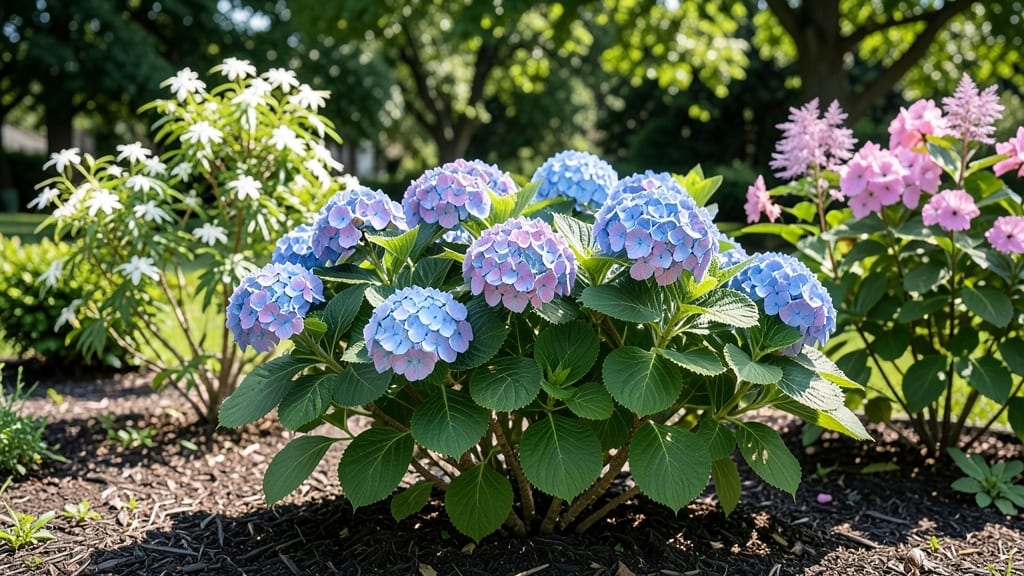
Part-sun flowering shrubs are the unsung heroes of any garden—fragrant, lush, and impossible to kill when you pick the right ones. 🌿 I learned this the hard way after my first hydrangea struggled in full sun, only to thrive once I moved it to dappled shade.
These shrubs bring color and texture without demanding constant attention, making them perfect for busy gardeners or tricky spots in your landscape.
Think of them as the backbone of your garden: they handle morning sun and afternoon shade with ease, bloom reliably, and often reward you with intoxicating fragrance.
My top picks include abelia, weigela, and spirea, which all deliver season-long interest—whether it's spring blooms, summer foliage, or fall color. They’re also tough enough to handle urban pollution and occasional drought once established.
What you’ll get is a garden that feels effortlessly lush, with blooms that last from spring through fall. These shrubs play well with others too—pair them with hostas for shade-loving companions or perennials like coneflowers for a cottage-garden look.
The best part? They’ll fill in gaps, soften harsh lines, and attract pollinators without needing constant pruning.
Whether you’re lining a walkway, creating a privacy screen, or adding height to a border, these shrubs deliver maximum impact with minimal fuss. Let’s dive into the best options and how to make them shine in your space!
📚 In This Guide
- What you need
- Instructions
- Tips and common mistakes
- Wrapping up and next steps
What you need
- ● Part-sun flowering shrubs: Choose from varieties like Abelia, Weigela, Dwarf Fothergilla, or Potentilla. Opt for 3–5 mature plants (1–3 gallons in size) for a full, fragrant canopy.
- ● High-quality potting soil or garden soil: 5–10 cubic feet, amended with 2–3 inches of compost or aged manure for nutrient-rich drainage.
- ● Organic mulch: 2–3 inches (e.g., shredded bark or pine straw) to retain moisture and suppress weeds.
- ● Slow-release fertilizer: 10–20 lbs (10-10-10 or 5-10-5 NPK ratio) for balanced growth.
- ● Garden trowel or spade: For digging holes 2–3 times wider than the root ball.
- ● Garden hose or watering can: With a gentle spray nozzle for post-planting hydration.
- ● Pruning shears: Bypass-style (sharp and clean) for shaping and deadheading.
- ○ Gloves and knee pads: (Optional but highly recommended for comfort!)
- ● Measuring tape or ruler: To ensure proper spacing (3–6 feet apart, depending on shrub maturity).
- ● Sunlight assessment: Confirm your planting area gets 3–6 hours of direct sun daily (partial shade is ideal for heat-sensitive varieties).
- ● Well-draining soil: Test soil pH (aim for 5.5–7.0; most flowering shrubs prefer slightly acidic to neutral).
- ● Water source nearby: Shrubs need 1–1.5 inches of water weekly (more during drought).
- ● Local climate knowledge: Check USDA Hardiness Zone compatibility for your chosen shrubs (e.g., Weigela thrives in Zones 4–8).
Step-by-step guide to planting and caring for part-sun flowering shrubs
Here’s how to create a fragrant, low-maintenance canopy that blooms beautifully with just 3-6 hours of sunlight daily.
🌱 Step 1: Select the Right Shrubs for Your Space
Choose shrubs that thrive in part sun—think hydrangeas, abelia, or weigela—and match their mature size to your garden layout. I always opt for fragrant varieties like mock orange or dwarf lilac for that extra sensory delight. Check the plant tags for light requirements—some shrubs tolerate morning sun with afternoon shade, while others need even light distribution.
If your space gets bright but filtered light (like under tall trees), opt for azaleas or rhododendrons. For hot afternoons, spirea or butterfly bush handle the heat better. Real talk: avoid full-sun lovers like lavender or rosemary—they’ll wilt without direct afternoon rays.
🪴 Step 2: Prepare the Planting Site for Optimal Growth
Test your soil’s drainage and pH—most flowering shrubs prefer slightly acidic soil (6.0-6.5). Amend heavy clay with 2-3 inches of compost to improve aeration, and mix in a handful of peat moss if your soil is sandy. I dig a hole twice as wide as the root ball but only as deep as the container’s base—planting too deep suffocates roots.
Loosen the roots gently if they’re circling the pot, and place the shrub so the top of the root ball sits level with the ground. Backfill with native soil mixed with a slow-release fertilizer (like 10-10-10) to kickstart growth. Water deeply until the soil settles and drains evenly—no soggy pockets.
☀️ Step 3: Position for Light and Mulch for Retention
Place your shrubs where they’ll get 3-6 hours of direct sun, ideally in the morning or late afternoon. If your yard has west-facing walls, shield tender blooms with light fabric shade cloth during peak heat. I stake young shrubs with 3-foot bamboo stakes to prevent wind damage until roots establish.
Spread 3 inches of mulch (like pine straw or shredded bark) around the base, keeping it 6 inches away from the trunk to avoid rot. Mulch locks in moisture and regulates soil temperature, which is critical for part-sun plants that struggle with heat stress. Replenish mulch annually—it breaks down faster than you’d think.
💧 Step 4: Water and Fertilize for Continuous Blooms
Water deeply once a week (or more in hot, dry spells) until the soil 6 inches down feels moist. Overwatering is the #1 killer—yellowing leaves mean you’re drowning the roots. I use a soaker hose to deliver water slowly at the base, avoiding wetting foliage (which invites fungal diseases).
Fertilize twice a year: early spring with a balanced 10-10-10 and mid-summer with a low-phosphorus bloom booster (like 5-10-5). Prune spent blooms right after flowering to encourage new growth. For hydrangeas, adjust soil pH to change bloom color—more aluminum = blue, less = pink.
✂️ Step 5: Prune and Maintain for Long-Term Beauty
Prune late winter or early spring (before new growth starts) to shape the shrub and remove dead or crossing branches. I use clean, sharp bypass pruners to make 45-degree cuts just above a leaf node. Avoid shearing—it encourages dense, weak growth. For spring-blooming shrubs (like lilac), prune right after flowering to preserve next year’s buds.
Watch for aphids or spider mites on new growth—spray with neem oil at the first sign of sticky leaves. Divide overcrowded shrubs every 3-5 years to rejuvenate blooms. With this care, your part-sun shrubs will thrive for decades, offering fragrance, color, and minimal fuss.
Tips & tricks for perfect part-sun flowering shrubs
These game-changing insights will help you create a thriving, fragrant garden canopy that blooms beautifully with minimal effort.
Light Placement Strategy: The 3-6 hours of sunlight rule is your golden ticket, but timing matters just as much. Position shrubs to receive morning sun (cooler, gentler rays) and afternoon shade (protection from intense heat). For example, place hydrangeas on the east side of your home where they’ll catch gentle morning light but avoid harsh afternoon rays. If your space only gets bright filtered light, like under tall trees, prioritize azaleas or rhododendrons—they handle these conditions beautifully. Remember, even light distribution is key for consistent blooming.
Soil Preparation Secret: Don't skip the soil test! Most flowering shrubs thrive in slightly acidic soil (6.0-6.5), but your local soil might need adjustment. I've learned the hard way that skipping this step can lead to stunted growth. For heavy clay soils, mix in 2-3 inches of compost to improve drainage, and add a handful of peat moss if your soil is sandy. Pro tip: When planting, make sure the top of the root ball sits level with the ground—planting too deep suffocates roots and prevents proper growth. This small detail makes all the difference in establishing strong plants.
Mulching Mastery: That 3 inches of mulch isn't just decorative—it's a game-changer for moisture retention and temperature regulation. Spread it around the base but keep it 6 inches away from the trunk to prevent rot. Pine straw or shredded bark work best, and don't forget to replenish it annually as it breaks down faster than you'd expect. For part-sun plants, this mulch layer acts like a thermal blanket, protecting roots from temperature swings that can stress your shrubs.
Pruning Precision: Timing is everything when it comes to pruning. For late winter/early spring bloomers like lilac, prune right after flowering to preserve next year's buds. For other varieties, prune in late winter before new growth starts. Always use clean, sharp bypass pruners and make 45-degree cuts just above a leaf node. Avoid shearing—it creates dense, weak growth that's prone to diseases. I've seen so many beautiful shrubs ruined by improper pruning, so take your time with this step.
Pro Tips for Part Sun Flowering Shrubs
- These game-changing insights will help you create a thriving, fragrant garden canopy that blooms beautifully with min...
- Light Placement Strategy: The 3-6 hours of sunlight rule is your golden ticket, but timing matters just as much. Posi...
- Soil Preparation Secret: Don't skip the soil test! Most flowering shrubs thrive in slightly acidic soil (6.0-6.5), bu...
Frequently asked questions
Got questions about part-sun flowering shrubs? You’re not alone! Here are some of the most common queries—and their answers—to help you grow a thriving, fragrant garden with minimal fuss.
What does "part sun" really mean for these shrubs?
"Part sun" typically means 3–6 hours of direct sunlight daily, with the rest in shade. Most flowering shrubs in this category (like Hydrangea or Weigela) tolerate morning sun + afternoon shade, making them perfect for patios, north-facing walls, or under trees. Pro tip: If your shrub gets less light, expect fewer blooms but still lush foliage!
When is the best time to plant part-sun flowering shrubs?
Plant in early spring or fall when temperatures are mild (50–70°F). This gives roots time to establish before extreme heat or cold. Spring planting (March–May) is ideal for most regions, while fall (September–November) works in warmer climates. Avoid planting in summer—heat stress slows root growth.
Can I grow these shrubs in containers?
Many part-sun flowering shrubs (e.g., Abelia or Dwarf Butterfly Bush) thrive in containers with well-draining soil and a pot 2–3 inches larger than the root ball. Use a lightweight potting mix and repot every 2–3 years. Bonus: Containers let you move shrubs to optimize sunlight or protect them from frost.
Why aren’t my part-sun shrubs flowering?
Lack of blooms often stems from too much shade, over-fertilizing with high-nitrogen (which promotes leaves over flowers), or pruning at the wrong time. Try moving the shrub to a sunnier spot, use a bloom-boosting fertilizer (low nitrogen, high phosphorus), and prune right after flowering (not in late winter).
What’s a low-maintenance alternative to hydrangeas?
If hydrangeas feel high-maintenance, try Weigela or Spirea—both love part sun, bloom prolifically, and handle drought better. Abelia is another winner: fragrant, disease-resistant, and happy with minimal pruning. For year-round interest, Pieris Japonica offers white spring blooms + evergreen foliage!
Wrapping up and next steps
Part-sun flowering shrubs are the perfect low-maintenance way to add bursts of color and fragrance to your garden without the fuss! 🌸 From hardy Abelia to vibrant Weigela, these beauties thrive with just a few hours of sunlight daily—making them ideal for busy gardeners or shaded spots.
With the right care (like well-draining soil and occasional pruning), you’ll enjoy a lush, blooming canopy that feels like a natural oasis.
Ready to transform your space? Pick one (or two!) of these shrubs and start planting—your future garden will thank you! For extra inspiration, browse local nurseries or sketch a quick garden layout to visualize your dream fragrant retreat. Happy gardening! 🌿