
Container Gardens
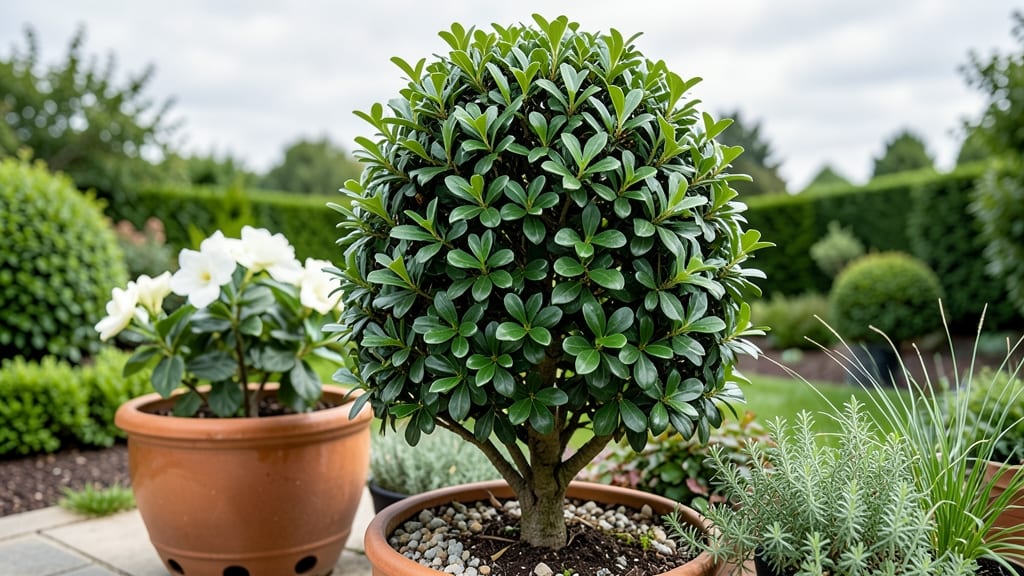
Patio container shrubs transform cramped spaces into lush, fragrant retreats—without the mess of thorns or sprawling roots. 🌿 I’ve designed this year-round solution using compact varieties like dwarf boxwood, fragrant lavender, and ornamental grasses that thrive in 12–18-inch pots, delivering color and scent from spring through winter.
The key? Choosing slow-growing, shallow-rooted shrubs that won’t outgrow their containers in a season.
Start with well-draining potting mix (equal parts peat, perlite, and compost) and containers with drainage holes—critical for preventing root rot. My go-to shrubs include ‘Green Velvet’ boxwood for structure, ‘Munstead’ lavender for fragrance, and ‘Karl Foerster’ feather reed grass for texture.
Group odd-numbered pots (3, 5, or 7) for visual balance, and elevate containers on stands or stacked bricks to create layers.
With weekly watering (more in summer) and monthly fertilizer, these shrubs stay lush and pest-free. The payoff? A patio that feels like a curated garden—no yard required.
You’ll enjoy blooms, foliage, and even winter interest from evergreens, all while keeping maintenance simple. Perfect for balconies, patios, or small yards where space is limited.
Pro tip: Swap out annuals for seasonal container shrubs in fall (like ‘Winter Gem’ boxwood) to maintain year-round appeal. The secret lies in right-sizing plants to pots and rotating containers for even sunlight exposure. Start small, and you’ll master the art of containerized shrubs in no time.
📚 In This Guide
- What you need
- Instructions
- Tips and common mistakes
- Wrapping up and next steps
What you need
- ● Container: 1 large patio planter (18–24" diameter, with drainage holes) or 2–3 smaller containers (12–16" diameter) for layered shrubs. Pro tip: 💡 Choose lightweight materials like fiberglass or resin for easy moving.
- ● Potting Mix: 1 bag (1.5–2 cubic feet) of high-quality container-specific mix (avoid garden soil—it compacts!). Look for blends with perlite or vermiculite for drainage.
- ● Shrubs: 1 fragrant shrub (e.g., Abelia, Dwarf Gardenia, or Sweet Box—thorn-free!)
- ● 1–2 filler plants (e.g., Heuchera or Fuchsia) for texture and color.
- ● 1 spiller plant (e.g., Trailing Lobelia or Sweet Potato Vine) to cascade over edges.
- ● Mulch: 1 bag of orchid bark or pine fines (to retain moisture and suppress weeds).
- ● Slow-Release Fertilizer: 1 packet (10–12 oz) of balanced, organic fertilizer (e.g., 10-10-10 or 5-5-5).
- ● Gloves (1 pair—gardening or nitrile for grip).
- ● Trowel or small shovel (for planting and mixing soil).
- ● Watering can or hose with gentle nozzle (avoid blasting soil!).
- ● Pruning shears (for shaping and cleanup).
- ○ Optional: Decorative stones or pebbles (for a polished look).
- ● Spray bottle (for misting delicate foliage).
- ● Container cache pot (to hide soil and add style).
- ● 🌞 Sunlight Check: Confirm your patio gets at least 4–6 hours of sunlight daily (adjust shrub choices for shade if needed).
- ● 💧 Water Access: Ensure a nearby water source for consistent hydration.
- ● 📅 Timing: Plant in spring or early fall for optimal root establishment.
How to design fragrant, thorn-free patio shrubs in containers
Here's how to create a sensory patio garden with low-maintenance, aromatic shrubs that thrive in containers year-round.
🪴 Step 1: Select the Right Containers and Drainage System
Choose 18-24 inch diameter containers with at least four drainage holes—shrubs hate soggy roots. I prefer unglazed ceramic or fiberglass because they regulate moisture better than plastic. If your pots lack drainage, drill additional holes along the bottom and line them with landscape fabric to prevent soil loss.
For four shrubs, you'll need four containers (one per plant). Place croc pots inside decorative outer pots if needed—they protect roots from temperature swings. Fill the bottom 2 inches with gravel or expanded clay pebbles to create a reservoir for excess water. This prevents root rot while keeping the growing medium aerated.
🌱 Step 2: Layer Soil for Optimal Root Health
Use a custom blend of 60% premium potting mix, 20% perlite, and 20% compost for each container. The potting mix provides structure, perlite prevents compaction, and compost feeds roots gradually. Fill each pot to within 2 inches of the rim—shrubs need room for roots but not excessive soil volume.
I like to moisten the mix before planting by watering it until evenly damp (like a wrung-out sponge). Press down lightly to eliminate air pockets, but don’t compact it—roots need oxygen. For fragrant shrubs, add 1 tablespoon of slow-release fertilizer (14-14-14 ratio) to each pot. This ensures steady nutrition without burning tender roots.
☀️ Step 3: Plant Shrubs for Year-Round Fragrance
Select thorn-free, aromatic varieties like dwarf gardenia, sweet box, or mock orange—each thrives in containers and releases scent when brushed or blooming. Remove plants from their nursery pots and loosen roots if they’re circling. Place each shrub in its container so the top of the root ball sits ½ inch below the rim—this prevents soil erosion during watering.
Backfill with your soil mix, pressing gently to eliminate air gaps. Water deeply until it drains from the holes below. For the first 7-10 days, keep containers in a shaded, sheltered spot while roots establish. You’ll know they’re settling in when new growth appears within 2-3 weeks—that’s your signal to move them to their final patio spot.
💧 Step 4: Water and Fertilize for Lush, Scented Growth
Water when the top 2 inches of soil feel dry—stick your finger in to check. Most container shrubs need deep watering 2-3 times weekly in summer, but adjust for your climate. I use a slow-release hose attachment to avoid disturbing roots while ensuring even moisture. Avoid wetting leaves to prevent fungal diseases like powdery mildew.
Fertilize every 6-8 weeks with a balanced liquid fertilizer (20-20-20) during the growing season. Reduce feeding in fall and winter—shrubs enter dormancy and need less nutrition. Prune lightly after flowering to encourage bushier growth, but avoid heavy cuts that remove too many leaves. Your goal is to maintain shape and scent, not aggressive shaping.
✂️ Step 5: Prune and Protect for Long-Term Beauty
Prune in early spring to remove dead or crossing branches. Use clean, sharp shears to make cuts at a 45-degree angle just above a leaf node. This encourages new growth and maintains the shrub’s natural shape. For fragrant varieties, avoid heavy pruning—you’ll sacrifice some scent production if you cut back too aggressively.
Move containers to a protected spot during freezes (below 25°F) by wrapping them in burlap or placing them against a south-facing wall. In winter, reduce watering to once every 10-14 days unless the soil is bone-dry. With proper care, your container shrubs will reward you with year-round fragrance and a low-maintenance patio centerpiece.
Tips & tricks for perfect patio container shrubs
Here's what I've learned from years of growing fragrant container shrubs that actually thrive—and don't turn into maintenance nightmares.
Container Selection Strategy: Unglazed ceramic or fiberglass pots are worth the investment because they breathe better than plastic, preventing that dreaded root rot. If you're using decorative outer pots, place croc pots inside to protect roots from temperature swings—especially important during those 25°F freezes we all dread. I've found that 18-24 inch diameter containers give roots enough space without becoming unwieldy, and the 2 inches of gravel at the bottom makes all the difference for drainage.
Soil Mix Secrets: That 60-20-20 blend of potting mix, perlite, and compost isn't just arbitrary—it creates the perfect balance. The perlite prevents compaction while the compost feeds roots gradually. Before planting, I always moisten the mix until it's evenly damp (like a wrung-out sponge), but never soggy. This step prevents air pockets that could strangle new roots. And that 1 tablespoon of slow-release fertilizer? It's the difference between lackluster growth and lush, fragrant shrubs that actually perform.
Root Establishment Hack: The first 7-10 days are critical—this is when roots are most vulnerable. I've learned to keep containers in a shaded, sheltered spot during this period, even if it means sacrificing that perfect patio view. Watch for new growth within 2-3 weeks—that's your confirmation the roots have taken hold. This patience pays off when you finally move them to their permanent spot and they reward you with that intoxicating fragrance.
Winter Protection: When temperatures drop below 25°F, I don't take chances. Wrapping containers in burlap or moving them against a south-facing wall creates a microclimate that protects roots. In winter, I reduce watering to every 10-14 days unless the soil is completely dry—overwatering is the fastest way to kill container plants in cold weather. This simple adjustment keeps my shrubs thriving through winter dormancy.
Pro Tips for Patio Container Shrubs
- Here's what I've learned from years of growing fragrant container shrubs that actually thrive—and don't turn into maintenance nightmares.
- Container Selection Strategy: Unglazed ceramic or fiberglass pots are worth the investment because they breathe better than plastic, preventing that dreaded root rot.
- Soil Mix Secrets: That 60-20-20 blend of potting mix, perlite, and compost isn't just arbitrary—it creates the perfect balance.
Frequently asked questions
Got questions about keeping your patio container shrubs thriving?
Here are answers to the most common ones—so you can enjoy lush, fragrant greenery all year without the hassle.
What are the best low-maintenance patio container shrubs for beginners?
Start with Dwarf Boxwoods, Lavender, or Gardenias—they’re hardy, fragrant, and thrive in containers. Boxwoods stay neat, lavender repels pests, and gardenias offer tropical blooms with minimal fuss. Just ensure they get 6+ hours of sunlight daily and well-draining soil!
When is the best time to plant container shrubs for year-round fragrance?
Plant in early spring or early fall when temperatures are mild (50–75°F). Avoid extreme heat or frost, which can stress roots. Pro tip: Water deeply after planting to help soil settle, and mulch to retain moisture.
How often should I water patio container shrubs?
Check soil moisture weekly—containers dry out faster than ground soil. Water when the top inch feels dry, aiming for 1–1.5 inches of water per week. Use a saucer to catch runoff, but empty it after 30 minutes to prevent root rot. Morning watering reduces evaporation!
Can I mix fragrant and non-fragrant shrubs in one container?
Yes! Pair fragrant shrubs (like Jasmine or Rosemary) with foliage plants (e.g., Heuchera or Ferns) for texture and color. Just ensure they share similar sunlight and water needs. Avoid overcrowding—leave 2–3 inches between roots for airflow.
Why are my container shrubs wilting even with regular watering?
Wilting often signals overwatering, poor drainage, or pests. Check for:
- Root rot: Ensure pots have drainage holes and use a well-draining mix (like 60% potting soil + 30% perlite + 10% compost).
- Pests: Inspect leaves for aphids or spider mites. Spray with neem oil or introduce beneficial insects like ladybugs.
- Sunburn: Move containers to partial shade if leaves scorch in hot afternoons.
How do I protect container shrubs from winter freezes?
Wrap pots in bubble wrap or frost cloth and move them to a sheltered spot (e.g., against a wall). Avoid mulching too early—wait until temps drop below 32°F. For tender plants (like Gardenias), use a heating mat or bring them indoors temporarily.
Wrapping up and next steps
Transforming your patio into a fragrant, low-maintenance oasis is easier than you think! By selecting the right patio container shrubs—like Lavender, Dwarf Gardenia, or Sweet Boxwood—you’ll enjoy year-round blooms and soothing scents without the hassle of thorns or sprawling roots.
These compact, aromatic plants not only elevate your outdoor space but also thrive in containers, making them perfect for renters or small yards.
Ready to dive in? Start small: Pick one or two shrubs to test your new green thumb, then expand your collection as you gain confidence. Happy gardening—your patio (and nose!) will thank you! 🌿✨