
Shrubs
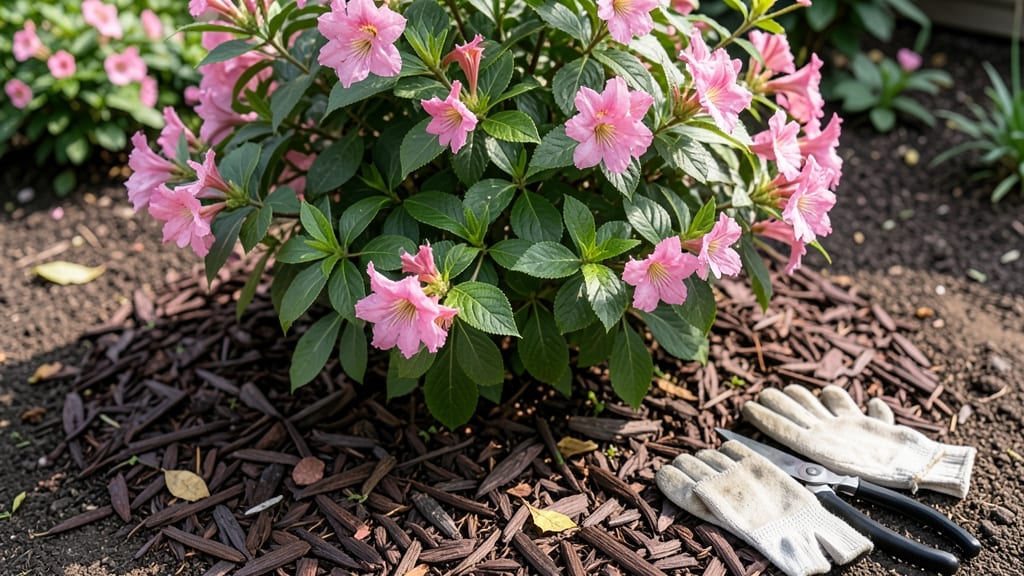
Pennsylvania's flowering shrubs transform your garden into a four-season showstopper. 🌸 I've tested dozens of varieties through our brutal winters and sweltering summers, and these are the ones that deliver reliable blooms while asking for almost no fuss.
The key is choosing plants that thrive in zones 5-7 without constant babying. Think serviceberry bushes with their spring white flowers and edible berries, or clethra that blooms in late summer when most gardens are fading.
These aren't just pretty faces—they handle our climate like pros, with some even providing winter interest through bark texture or berries. You'll end up with a garden that feels alive year-round, from the first redbud blooms in April to the golden witch hazel lighting up December.
The best part? These shrubs handle our alkaline soil and deer pressure better than most imported varieties. Perfect for hedges, borders, or as statement plants in your landscape. Let's get your garden blooming through every season!
📚 In This Guide
- What you need
- Instructions
- Tips and common mistakes
- Wrapping up and next steps
What you need
- ● Flowering shrubs: Choose 3–5 cold-hardy PA varieties (e.g., Viburnum dentatum, Weigela florida, or Hydrangea arborescens). Buy 1–2 plants per type (3–10 gallon pots).
- ● High-quality potting soil: 1–2 cubic yards (sterilized, well-draining blend with compost).
- ● Organic mulch: 2–3 bags (cedar or hardwood chips, 2–3 inches thick).
- ● Slow-release fertilizer: 10–20 lbs (10-10-10 or shrub-specific formula).
- ● Watering can or hose with spray nozzle: 3–5 gallon capacity.
- ● Hand trowel: 1 (for planting small shrubs).
- ● Shovel: 1 (round-point for digging holes).
- ● Garden gloves: 1 pair (heavy-duty, waterproof).
- ● Pruning shears: 1 (bypass type, sharp and sanitized).
- ● Measuring tape: 1 (for spacing plants 3–6 ft apart).
- ● Wheelbarrow: 1 (for transporting soil/mulch).
- ● Soil amendments: Lime (for acidic soil) or sulfur (for alkaline correction).
- ● Drip irrigation kit: For automated watering (10–20 ft of tubing).
- ● Decorative stakes/markers: To label varieties (e.g., bamboo stakes + tags).
- ● Eco-friendly pest control: Neem oil or insecticidal soap (for aphids/mites).
Cold-hardy flowering shrubs for Pennsylvania gardens
Here's how to select and establish four standout varieties that thrive in PA's climate and deliver seasonal color.
🌿 Step 1: Choose Shrubs Matching Your Site Conditions
Pennsylvania's climate zones (5-7) demand shrubs with proven cold tolerance and adaptability. I recommend serviceberry (Amelanchier) for sun to partial shade, butterfly bush (Buddleia) for full sun exposures, spirea (Spiraea japonica) for dry sites, and azalea (Rhododendron) for acidic, moist soils. Each handles PA's winter lows differently—serviceberry survives down to -25°F, while azaleas prefer protection from harsh winds.
Check your USDA zone and soil pH before selecting. Serviceberry thrives in zones 3-8 with neutral to slightly acidic soil, while azaleas demand acidic soil (pH 4.5-5.5). Butterfly bush handles alkaline soils but needs excellent drainage—never plant it where water pools after rain. For best results, test your soil before purchasing plants.
☀️ Step 2: Plant in Optimal Seasonal Windows
Fall planting (October-November) gives roots time to establish before winter, while spring planting (April-May) avoids late-season drought stress. I plant serviceberry and spirea in early fall when soil temperatures drop below 70°F but before hard frost. Azaleas and butterfly bushes prefer spring planting—their shallow root systems hate winter soil disturbance.
Dig holes twice as wide as the root ball but only as deep. Loosen the roots if they're circling and place the plant so the top of the root ball sits 1 inch above ground level. This prevents crown rot from winter soil saturation. Water deeply immediately after planting to eliminate air pockets.
💧 Step 3: Establish Proper Watering Routines
Newly planted shrubs need 1-2 inches of water weekly during the first growing season. I water deeply twice weekly in summer, aiming for moist soil 6 inches deep. Use a rain gauge or tuna can to measure—eyeballing leads to over- or under-watering. Mulch with 3 inches of shredded bark around each plant (keeping mulch 3 inches away from stems) to conserve moisture and regulate soil temperature.
After the first year, most of these shrubs become drought-tolerant, but butterfly bush remains thirsty. You'll know watering is right when the soil feels damp but not soggy at 6 inches down. Overwatering causes root rot, especially in heavy clay soils common across Pennsylvania.
✂️ Step 4: Prune for Seasonal Interest and Health
Serviceberry and spirea bloom on old wood, so prune immediately after flowering. Cut back one-third of the oldest stems each year to encourage new growth. Azaleas and butterfly bushes bloom on new wood—prune in late winter or early spring before buds swell. Remove dead, diseased, or crossing branches first, then shape the plant by thinning interior branches to improve airflow.
Never remove more than one-third of the plant's foliage in a single pruning. I use clean, sharp bypass pruners to make cuts at a 45-degree angle just above a bud or branch collar. Sterilize tools with 70% rubbing alcohol between cuts to prevent spreading disease. This keeps your shrubs healthy through Pennsylvania's humid summers.
🌱 Step 5: Feed and Protect for Long-Term Success
Apply a balanced 10-10-10 fertilizer in early spring when new growth begins. I use ½ cup per plant for small shrubs and 1 cup for mature plants, working it into the top 2 inches of soil. Azaleas prefer acid-loving fertilizer (like 8-3-9), while others handle standard formulas. Water thoroughly after feeding to prevent root burn.
Protect young plants from late spring frosts (common in PA's zone transitions) with frost cloth if nighttime temperatures dip below 28°F. Mature shrubs handle frost well, but new growth is vulnerable. Watch for Japanese beetles on spirea and aphids on butterfly bush—treat with neem oil spray at the first sign of infestation to prevent spread.
Tips & tricks for thriving Pennsylvania flowering shrubs
These hard-won insights will help you transform your garden into a four-season showcase with minimal fuss.
Site Selection Strategy: Before you buy plants, take a soil sample from your garden's most challenging spots. Pennsylvania's diverse microclimates mean a butterfly bush might thrive in your sunny front yard but struggle in the shaded back corner. I've seen serviceberry flourish where azaleas fail—always test soil pH and match plants to their ideal conditions. The 1-inch soil elevation rule from Step 2 becomes even more critical in heavy clay areas common across the state.
Seasonal Planting Insight: The 70°F soil temperature guideline in Step 2 is your golden window for fall planting. Use a soil thermometer to confirm—cooling soil signals roots to establish before winter. For spring planting, wait until after the last frost date in your specific USDA zone (typically late April for most of PA). I've learned this the hard way: planting azaleas too early can lead to frost damage on tender new growth.
Watering Wisdom: That 6-inch soil depth measurement in Step 3 is your best friend for diagnosing watering issues. Use a screwdriver to check moisture—if it comes out dry, you need more water; if it's muddy, you're overdoing it. For butterfly bush, I've found 3 inches of mulch isn't enough—double it to 6 inches in summer to prevent moisture loss from its thirsty roots. Just remember to keep mulch 3 inches away from stems to avoid rot.
Pruning Precision: The 45-degree angle cut in Step 4 isn't just aesthetic—it directs water away from the stem, preventing disease. I sterilize my pruners after every third cut when working with spirea, which is particularly susceptible to powdery mildew in Pennsylvania's humid summers. For serviceberry, I mark the one-third oldest stems with flagging tape before pruning to ensure I don't remove too much at once.
Pro Tips for Pennsylvania Flowering Shrubs
- These hard-won insights will help you transform your garden into a four-season showcase with minimal fuss.
- Site Selection Strategy: Before you buy plants, take a soil sample from your garden's most challenging spots.
- Seasonal Planting Insight: The 70°F soil temperature guideline in Step 2 is your golden window for fall planting.
Frequently asked questions
When is the best time to plant flowering shrubs in PA?
Spring (after the last frost, around mid-April to May) or early fall (September to October) are ideal. These windows give roots time to establish before extreme weather. Avoid planting in summer’s heat or winter’s freeze—both stress young shrubs.
Which flowering shrubs handle PA’s harsh winters best?
Top cold-hardy picks include Viburnum (like Viburnum bodnantense), Weigela, Spirea (e.g., Spirea japonica), and Butterfly Bush (Buddleia). These thrive in zones 4–7 with minimal winter care. Pro tip: Mulch heavily in late fall to protect roots!
Can I replace a struggling flowering shrub mid-season?
Yes, but act fast! If your shrub shows wilted leaves, pest damage, or no blooms, replace it in early fall (before frost) or late winter (before buds swell). Water deeply the day before/after transplanting to reduce shock. Choose a similar-size shrub to minimize garden disruption.
How do I prevent pests like aphids or spider mites on my shrubs?
Start with healthy soil (rich in compost) and regular pruning to improve airflow. For pests, blast off aphids with water, or use neem oil (mix 1 tbsp/quart of water). Introduce ladybugs or lacewings for natural control. Avoid harsh chemicals—they harm pollinators!
Why isn’t my flowering shrub blooming this year?
Common culprits: over-fertilizing (too much nitrogen = leafy growth, no flowers), poor sunlight (most need 6+ hours/day), or pruning at the wrong time (cut back after blooming, never in late summer). Check soil pH (most prefer 6.0–7.0) and deadhead spent blooms to encourage reblooming.
Are there low-maintenance flowering shrubs for busy gardeners?
Try Dwarf Fothergilla (Fothergilla gardenii), Potentilla (Dasiphora fruticosa), or Dwarf Lilac (Syringa meyeri). These need minimal pruning, tolerate drought once established, and bloom reliably with little fuss. Perfect for “plant-and-forget” vibes!
Wrapping up and next steps
Pennsylvania’s diverse climate calls for resilient, cold-hardy flowering shrubs that bring color and life to your garden year-round—whether you’re a seasoned gardener or just starting out. 🌸 From the vibrant blooms of Weigela to the fragrant charm of Viburnum, these varieties thrive in PA’s zones, offering low-maintenance beauty with minimal fuss.
The key? Choosing the right shrub for your space and giving it the care it needs to flourish.
Ready to transform your outdoor space? Start small—pick one or two shrubs to test your newfound knowledge, then expand your garden drama as you gain confidence. Happy planting! 🌱