
Companion Plants
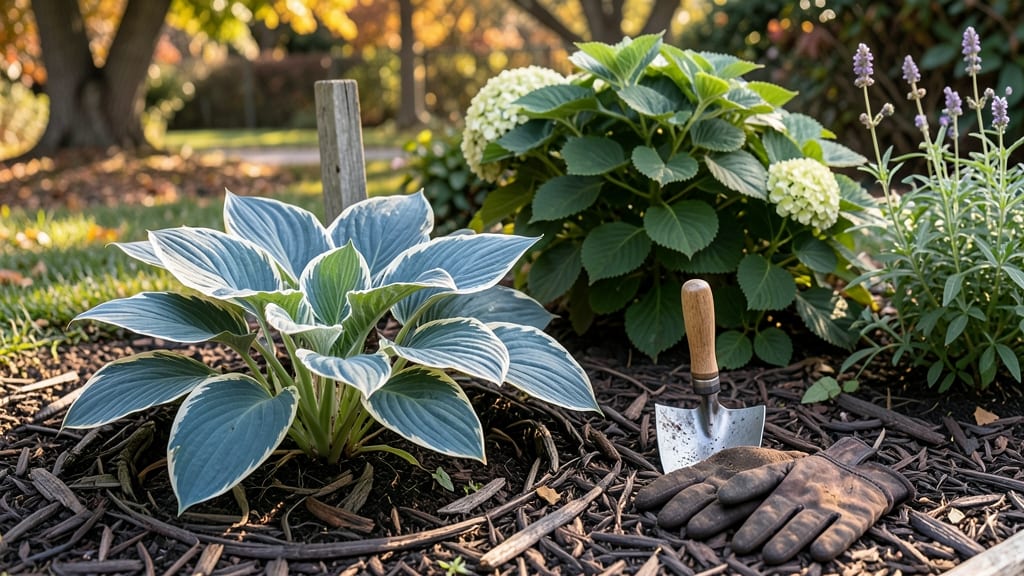
Perennial plants and shrubs are the unsung heroes of any garden—once planted, they come back stronger every year with almost no fuss. 🌿 I’ve seen firsthand how a well-chosen perennial border transforms a yard from "meh" to "wow" with minimal effort, especially after the first season’s initial work.
The beauty of perennials is their reliability: no replanting, no starting from seed, just steady growth and blooms that return season after season. Shrubs add structure, while perennials fill in with color and texture.
My go-to starter list includes coneflowers, lavender, and Russian sage—they’re tough, drought-tolerant, and attract pollinators like crazy. You’ll spend less time weeding and watering once established, and more time enjoying the garden’s natural rhythm.
The key is choosing plants that match your climate and sunlight, then giving them a little love in early spring and fall. Trust me, the payoff is worth it.
Planting perennials and shrubs starts with the right spot—most thrive in full sun but check individual needs. Amend your soil with compost for the first year, then let nature take over. Mulch helps retain moisture and keeps weeds at bay, cutting maintenance by half.
Pruning is simple: cut back dead growth in early spring, shape shrubs in late winter, and deadhead spent blooms to encourage more flowers. My biggest mistake? Over-pruning—now I just snip what’s necessary and let the plants do their thing.
These plants reward patience with years of beauty, from spring’s first blooms to winter’s structural interest. Start small with a few favorites, then expand as you see what thrives. The best part? Your garden gets better every year without the annual replanting headache.
📚 In This Guide
- What you need
- Instructions
- Tips and common mistakes
- Wrapping up and next steps
What you need
- ● Perennial plants & shrubs: Choose 3–5 varieties based on your climate zone (e.g., coneflowers, hostas, lavender, or boxwood). Opt for container-grown (1–3 gallon pots) or bare-root plants for cost savings.
- ● Garden soil or compost: 2–3 cubic yards (for in-ground planting) or 1–2 bags of high-quality potting mix (for containers). Look for organic matter-rich blends.
- ● Mulch: 1–2 bags of shredded bark or pine straw (2–3 inches deep) to retain moisture and suppress weeds.
- ● Fertilizer: Slow-release granular fertilizer (10-10-10 ratio) or organic compost tea for a natural boost.
- ● Pruning shears: Bypass-style (for clean cuts) and loppers (for thicker branches).
- ● Garden gloves: Heavy-duty, breathable (e.g., nitrile-coated) to protect your hands.
- ● Watering can or hose: With a spray nozzle for gentle watering.
- ● Garden trowel & spade: For digging holes (2–3x wider than the root ball) and mixing soil.
- ● Soil pH test kit: To check and adjust soil acidity (perennials prefer 6.0–7.0 pH).
- ● Plant labels: Waterproof tags or a digital app (e.g., PlantNet) for tracking varieties.
- ● Drip irrigation system: For automated watering (especially in dry climates).
- ● Edging tools: To define garden beds neatly with metal or plastic edging.
- ● Knee pads: For comfort during long planting sessions!
Step-by-step guide to establishing low-maintenance perennial plants and shrubs
Here’s how to plant and care for perennials that come back stronger every year.
🌱 Step 1: Choose the Right Location for Each Plant
Perennials thrive when planted in spots that match their natural growing conditions. Check the sunlight requirements on your plant tags—most perennials need 6 hours of sun, while others do well in partial shade (3-6 hours of light). Observe your garden throughout the day to identify sunniest and shadiest areas.
Soil type matters too. Amend heavy clay with 2-3 inches of compost to improve drainage, while sandy soil benefits from a mix of organic matter. Dig a hole twice as wide as the root ball but only as deep as the plant’s container—burying too deep can suffocate roots. Gently loosen the roots if they’re circling before placing the plant in the hole.
💧 Step 2: Plant and Water Deeply for Strong Roots
Place the perennial in the hole and backfill with soil, pressing lightly to remove air pockets. Water immediately after planting to settle the soil around the roots—this helps prevent gaps that can dry out. Use 1-2 gallons of water per plant to encourage roots to spread outward instead of staying compacted.
Mulch around the base with 2-3 inches of organic mulch (like shredded bark or straw) to retain moisture and suppress weeds. Keep mulch 2-3 inches away from the stem to prevent rot. Water deeply once a week during the first growing season, letting the soil dry slightly between waterings to prevent root rot.
☀️ Step 3: Provide Seasonal Care for Year-Round Success
In spring, remove dead foliage but leave last year’s stems unless they’re diseased—many perennials store energy in their roots over winter. Fertilize lightly with a balanced, slow-release fertilizer (10-10-10) in early spring to support new growth, but avoid heavy feeding, which can encourage weak stems.
Summer care focuses on consistent watering and deadheading spent blooms to encourage more flowers. Shrubs may need occasional pruning to shape them or remove crossing branches—do this after flowering to avoid cutting off next year’s blooms. Fall is the time to divide overcrowded perennials and add a 2-inch layer of compost to replenish nutrients.
✂️ Step 4: Prune and Protect for Long-Term Health
Late winter or early spring is ideal for pruning shrubs to shape them and remove dead wood. Cut back perennials like coneflowers and black-eyed Susans by one-third to encourage bushier growth. Avoid heavy pruning in fall, as new growth won’t harden off before winter.
Protect tender perennials from harsh winters with a layer of mulch or burlap wraps if your climate drops below 10°F. Evergreens may need occasional watering in winter if snow cover is minimal. Watch for pests like aphids or powdery mildew—spray with neem oil or a mild soap solution at the first sign of trouble.
Tips & tricks for perfect perennial plant care
These simple strategies will help your perennials thrive with minimal effort year after year.
Sunlight Strategy: Pay attention to the 6 hours of sun requirement—this is the minimum for most perennials to bloom properly. I always check my garden at midday to see where the sun hits hardest. Some plants like black-eyed Susans actually prefer full sun (6+ hours), while others like hostas do better with partial shade (3-6 hours). A quick trick: Use a garden marker to track sun exposure for a week before planting.
Root Health Secret: When planting, focus on creating a loose, airy soil environment around the roots. I make it a habit to gently tease apart any circling roots before placing the plant in the hole—this encourages outward root growth instead of compacted roots that struggle to spread. After planting, water immediately with 1-2 gallons per plant to help settle the soil and eliminate air pockets that can dry out roots.
Seasonal Care Calendar: Mark your calendar for these key seasonal tasks: early spring for pruning and fertilizing with 10-10-10 fertilizer, summer for deadheading and consistent watering, and fall for dividing plants and adding 2-inch compost layers. I keep a small garden journal to track when I perform these tasks each year—it helps me stay consistent and spot any patterns in plant health.
Winter Protection: If your climate drops below 10°F, protect tender perennials with a thick layer of mulch or burlap wraps. I've found that evergreens sometimes need extra winter watering if snow cover is minimal—just a light sprinkle every few weeks prevents winter burn. For extra insurance, I wrap young shrubs in frost cloth during the coldest months.
Pro Tips for Perennial Plants And Shrubs
- These simple strategies will help your perennials thrive with minimal effort year after year.
- Sunlight Strategy: Pay attention to the 6 hours of sun requirement—this is the minimum for most perennials to bloom p...
- Root Health Secret: When planting, focus on creating a loose, airy soil environment around the roots. I make it a hab...
Frequently asked questions
Got questions about keeping your perennial plants and shrubs happy? Here are some of the most common ones—and their easy answers!
How do I know if a plant is truly perennial in my climate?
Check the USDA Hardiness Zone map for your area and match it with the plant’s zone range. Most perennials thrive in their native zones, but some (like Hosta or Daylilies) are adaptable. If in doubt, ask your local nursery—they know the best low-maintenance picks for your region!
When is the best time to plant perennials and shrubs?
Fall is ideal—cool temps and rain help roots establish before winter. Spring works too, but avoid extreme heat. For container-grown plants, you can plant year-round (except in freezing temps). Pro tip: Water deeply after planting to reduce transplant shock!
How often should I water perennials and shrubs?
Newly planted perennials need 1–1.5 inches of water weekly (deep soaks, not light sprinkles). Once established, most perennials tolerate drought—just monitor soil moisture. Shrubs often need more water than perennials, especially in hot climates. Pro tip: Mulch to retain moisture!
What are the most common pests for perennials and shrubs, and how do I prevent them?
Watch for aphids, slugs, and deer (they love hostas and peonies!). Prevent pests with neem oil, diatomaceous earth, or companion planting (e.g., marigolds repel pests). For deer, try repellent sprays or fencing. Pro tip: Inspect leaves regularly—early action saves your plants!
Can I divide perennials to save money and spread my garden?
Most perennials (like Coneflowers, Black-Eyed Susans, or Daylilies) can be divided every 3–4 years in early spring or fall. Dig up clumps, separate roots, and replant. Pro tip: Divide when flowers fade—it’s less stressful for the plant!
Wrapping up and next steps
Perennial plants and shrubs are the ultimate low-maintenance heroes of any garden, offering beauty, resilience, and year-round interest with minimal effort. Whether you're a seasoned gardener or just starting out, these hardy plants provide the perfect foundation for a thriving, sustainable landscape. 🌱
Ready to transform your outdoor space? Start by planning your layout—mix heights, textures, and blooming seasons for a dynamic garden that keeps giving. Then, grab your gloves and get planting; your future self (and pollinators!) will thank you.