
Shrubs
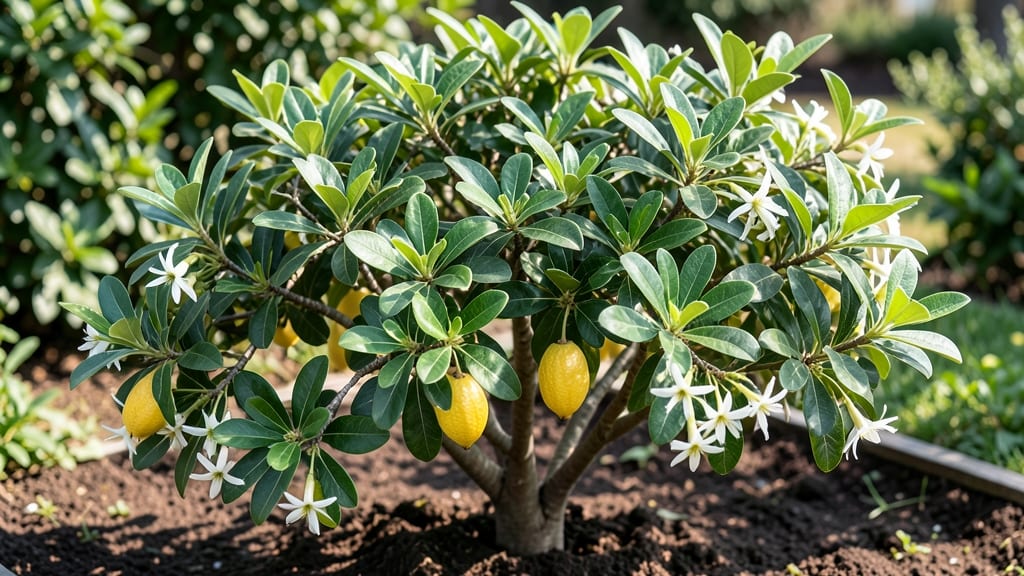
Growing pineapple guava shrubs (Acca sellowiana) brings sweet-tart tropical fruit to your yard—and it thrives where citrus fails. 🌿 I’ve nurtured these hardy shrubs through Florida’s heat and Georgia’s humidity, and they reward me with glossy leaves and clusters of fragrant, edible fruit year after year.
The secret lies in mimicking their native South American habitat with just the right balance of sun, soil, and water.
These shrubs love full sun to partial shade, tolerating USDA zones 9–11 with minimal fuss. Plant them in well-draining soil with a touch of organic matter—think compost or aged manure—to keep roots happy.
Prune lightly after fruiting to encourage bushier growth, and watch as they transform from ornamental shrubs into productive fruit trees. The fruit may look like pineapple crossed with guava, but it’s the leaves that truly shine in cocktails and mocktails.
By summer’s end, you’ll harvest fruit that’s perfect for jams, syrups, or fresh eating. The shrubs themselves stay lush and pest-resistant, making them a low-maintenance star in any landscape.
Whether you’re growing for fruit, foliage, or both, pineapple guava shrubs deliver tropical flair without the fuss—and they’re tough enough to handle a few growing mistakes along the way.
Best of all, they propagate easily from cuttings, so you can share the bounty with neighbors or expand your own collection. Start with one plant, and soon you’ll have a thriving grove that keeps giving—both visually and in the kitchen. Here’s how to get started the right way.
📚 In This Guide
- What you need
- Instructions
- Tips and common mistakes
- Wrapping up and next steps
What you need
- ● Pineapple guava fruit: 1 cup fresh or ½ cup frozen (thawed if frozen)
- ● Water: 1 cup (filtered or spring water works best)
- ● Granulated sugar: 1 cup (adjust to taste for sweetness)
- ● Lemon juice: ¼ cup (freshly squeezed for brightness)
- ○ Cinnamon stick (optional): 1 (for warmth and aroma)
- ● Medium saucepan: 1 (with a lid)
- ● Wooden spoon or silicone spatula: 1 (for stirring)
- ● Fine-mesh strainer or cheesecloth: 1 (to strain seeds and pulp)
- ● Clean glass jar or bottle: 1 (8–12 oz, with a tight-sealing lid for storage)
- ● Measuring cups and spoons: Set (for precision)
- ● Small bowl: 1 (for mashing fruit, if needed)
- ● 🌡️ Use ripe pineapple guava: Overripe fruit adds natural sweetness and depth!
- ● ✨ Infuse with herbs: Add a basil or mint sprig while simmering for extra freshness.
- ● 📊 Sterilize your jar: Run it through hot water to extend shelf life (up to 2 weeks refrigerated).
How to grow a pineapple guava shrub for home harvests
This fast-growing tropical shrub thrives in containers or warm climates—here’s how to cultivate lush plants bursting with pineapple-flavored fruit.
🌱 Step 1: Select and Prepare the Right Growing Medium
Pineapple guava (Acca sellowiana) demands well-draining soil to prevent root rot. Mix 3 parts potting mix with 1 part perlite or coarse sand for optimal aeration. I always add a handful of orchid bark to the blend—it mimics the shrub’s native sandy soil while retaining enough moisture for its tropical roots.
Fill a 12-inch diameter pot (or larger for multiple plants) with your mix, leaving 2 inches of space at the top for watering. Tap the container gently to settle the soil without compacting it. The goal is a loose, fluffy medium that lets excess water drain freely while still holding moisture for the plant’s deep roots.
☀️ Step 2: Plant and Position for Maximum Sunlight
Dig a hole in your prepared mix twice as wide as the root ball but only as deep as the container it came in. Gently remove the pineapple guava from its nursery pot and loosen any circling roots with your fingers. Place the plant in the hole, ensuring the top of the root ball sits just below the soil line—burying the stem too deeply invites rot.
Pineapple guava craves full sun (6+ hours daily) and warmth (70-85°F). In containers, position it where it gets morning sun and afternoon shade if your climate exceeds 90°F—the fruit ripens best with gentle warmth rather than scorching heat. If growing indoors, place it near a south-facing window or under grow lights for 12-14 hours daily.
💧 Step 3: Water Deeply and Establish a Consistent Routine
Water deeply until liquid drains from the pot’s holes, then wait until the top 2 inches of soil feel dry before watering again. Overwatering is the #1 killer of pineapple guava—its roots rot easily in soggy conditions. I use a moisture meter to check, but you can also stick your finger in the soil: if it’s damp 1 inch down, hold off.
Fertilize lightly every 4-6 weeks with a balanced liquid fertilizer (10-10-10) diluted to half strength. This shrub is a heavy feeder but reacts poorly to over-fertilizing. Look for new growth (bright green leaves) as your signal that it’s thriving—yellowing leaves mean it’s either thirsty or getting too much food.
✂️ Step 4: Prune for Shape and Fruit Production
Prune lightly in late winter to encourage bushier growth. Cut back overly long branches by one-third to promote branching. Remove any dead, diseased, or crossing branches at the base with sterilized pruners—this prevents fungal spread and improves airflow.
When fruit forms, thin clusters so each stem holds no more than 3-4 guavas. Overcrowded fruit stays small and underripe. Harvest when the skin turns yellow with red blush and yields slightly to gentle pressure—this ensures peak sweetness. Wear gloves; the sap can irritate skin.
🪴 Step 5: Overwinter or Protect from Cold
Pineapple guava is tender to frost and must be protected below 30°F. If growing in USDA Zones 9-11, mulch heavily with straw or bark to insulate roots. In colder zones, dig up pots and move them to a garage or unheated shed where temps stay above 40°F. Keep watering lightly (every 2-3 weeks) to prevent dormancy.
In spring, resume full sun and fertilizing. You’ll see new shoots within 4-6 weeks—a sign the plant is ready to rebound. If leaves yellow, it’s often from cold damage, but the shrub recovers quickly once warmed.
Tips & tricks for cultivating a thriving pineapple guava shrub
Here's what nobody tells you about nurturing this tropical treasure—small details that make all the difference between a struggling plant and a fruit-bearing powerhouse.
Soil Mix Precision: When combining your 3 parts potting mix with 1 part perlite or coarse sand, sift everything through a fine mesh screen first. This eliminates clumps that could create air pockets or compact too tightly. I've found that adding a thin layer of orchid bark at the bottom of the pot before filling with the mix creates a natural drainage reservoir that prevents soggy roots—critical for this moisture-sensitive shrub.
Light Positioning Strategy: The 6+ hours of sunlight requirement is non-negotiable, but how you position your plant matters just as much. If growing outdoors in hot climates (above 90°F), I recommend placing the pot on a light-colored saucer or pebbled tray to reflect excess heat away from the roots. For indoor growers, rotate the plant quarter-turn weekly to ensure even growth—this prevents lopsided development toward the light source. The 12-14 hours of grow light exposure should be split evenly between day and night cycles for optimal photosynthesis.
Watering Technique: That "top 2 inches dry" rule is your golden standard, but here's the secret: water in the morning so excess moisture has all day to evaporate. I've ruined multiple pineapple guavas by watering in the evening when evaporation slows dramatically. Also, always water until you see liquid draining from the bottom holes—this ensures the entire root system gets hydrated, not just the top layer. The 1-inch dampness check is perfect, but I've added a secondary test: gently tug on the plant after watering. If it resists slightly, you've watered enough.
Frost Protection Hack: When temperatures drop near 30°F, don't just move your plant indoors—create a microclimate. Place the pot inside a clear plastic storage bin with a small heating pad (set to low) underneath. The bin traps warmth while the heating pad maintains that critical 40°F threshold. I've successfully overwintered plants this way for years without any cold damage, and they bounce back stronger in spring. The key is keeping the air around the plant humid while preventing condensation buildup on the leaves.
Pro Tips for Pineapple Guava Shrub
- Here's what nobody tells you about nurturing this tropical treasure—small details that make all the difference between a struggling plant and a fruit-bearing powerhouse.
- Soil Mix Precision: When combining your 3 parts potting mix with 1 part perlite or coarse sand, sift everything through a fine mesh screen first.
- Light Positioning Strategy: The 6+ hours of sunlight requirement is non-negotiable, but how you position your plant matters just as much.
Frequently asked questions
Got questions about crafting your own pineapple guava shrub? You’re not alone! Here are some of the most common queries—and their answers—to help you master this tropical twist on classic shrubs.
How long does pineapple guava shrub last?
The shelf life of your shrub depends on preservation. Unopened and refrigerated, it lasts 3–4 weeks. Once opened, use within 1–2 weeks. For longer storage, freeze in ice cube trays or small jars. Always keep it in an airtight container to prevent mold.
Can I make this shrub without fresh pineapple?
Swap fresh pineapple for 100% pure pineapple juice (no pulp) or even dried pineapple (soaked in warm water for 30 mins). For a deeper flavor, add a splash of pineapple nectar or a pinch of pineapple extract. Just reduce other liquids slightly to balance sweetness.
What’s the best way to use pineapple guava shrub?
This shrub shines in cocktails, mocktails, and even non-alcoholic drinks! Try it in:
- A gin or rum spritz with soda water and lime
- A vodka lemonade twist (swap regular lemonade)
- A sparkling guava spritzer with prosecco or champagne
- As a fruit syrup in iced tea or lemonade
Why is my shrub too sweet or sour?
Flavor balance is key! If it’s too sweet, add 1–2 tbsp of lemon or lime juice to brighten it. For sourness, stir in 1 tsp of honey or simple syrup (adjust to taste). Let it sit for 10–15 mins to meld flavors before tasting again.
Can I substitute guava for another fruit?
Guava’s tangy depth is hard to replace, but you can try:
- Mango (for sweetness) – add extra lime to balance
- Passion fruit purée (for tartness) – reduce sugar slightly
- Starfruit (for floral notes) – use sparingly
Wrapping up and next steps
Ready to bring a burst of tropical sunshine to your drinks?
The pineapple guava shrub is your ticket to crafting vibrant, flavor-packed cocktails and mocktails that’ll impress anyone—whether you're a mixology newbie or a seasoned pro. 🌴✨ With just a few simple ingredients and a little patience, you can transform fresh fruit into a versatile syrup that elevates every sip.
Now that you’re armed with the know-how, why not experiment? Try swapping in lime or passionfruit for a twist, or gift a bottle to a fellow cocktail lover. Cheers to creativity—and to your next tropical masterpiece!