
Flowers
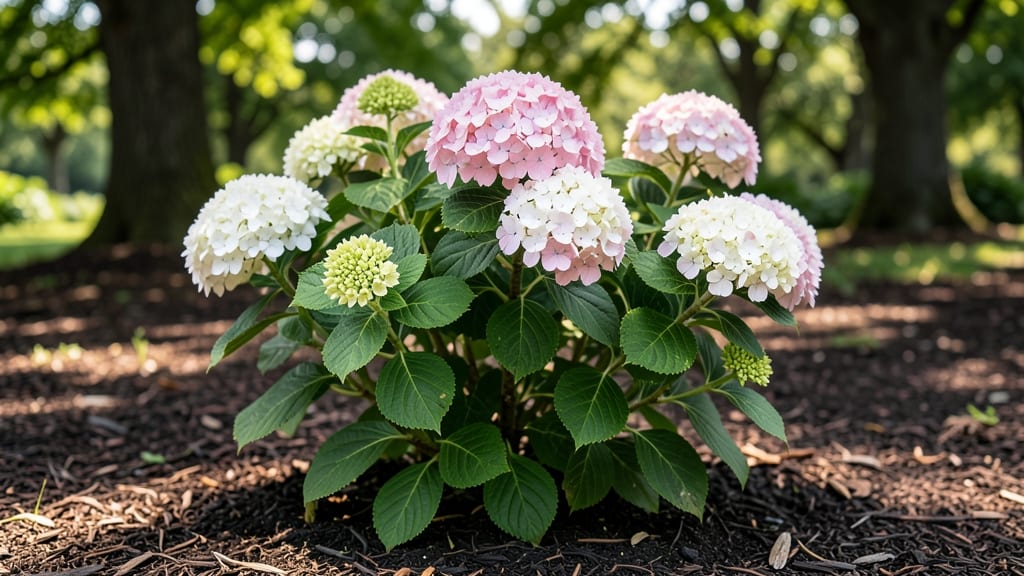
Pink and white flowering shrubs transform any garden into a dreamy retreat. 🌸 I’ve learned that the right shrub can create soft, romantic borders or bold focal points with almost no effort—once you pick the perfect one for your space.
These plants bring year-round interest, from delicate spring blooms to textured winter foliage, and they pair beautifully with everything from lavender to deep green hostas.
The best part? Many of these shrubs thrive with minimal fuss. Take hydrangeas, for example—their lush blooms change color based on soil pH, letting you experiment with pinks, whites, or even blues.
Or consider abelia, which blooms in late spring and again in fall, offering four-season charm with glossy foliage that stays vibrant all year. For a classic touch, old-fashioned roses or lilacs add timeless elegance while attracting pollinators.
Imagine your garden in layers: a white hydrangea as a backdrop for a pink cottage rose, or a lavender border framing a tall white abelia. The contrast of pink and white creates a soothing, cohesive look that feels effortless.
These shrubs also work as hedges, privacy screens, or standalone specimens—no matter your garden style, they’ll elevate it instantly.
Ready to add some romance to your outdoor space? The key is choosing plants that match your climate and light conditions, then letting their natural beauty do the rest.
Start with one or two shrubs to test what you love, and soon you’ll have a garden that feels like a paint-by-numbers masterpiece—but with real, living color.
📚 In This Guide
- What you need
- Instructions
- Tips and common mistakes
- Wrapping up and next steps
What you need
- ● Pink & white flowering shrub: Choose varieties like Hydrangea macrophylla (e.g., 'Endless Summer'), Weigela florida, or Abelia x grandiflora. Buy 1-3 plants (depending on desired coverage).
- ● Well-draining potting mix: 5 gallons (or enough to fill your planting hole). Opt for a blend with peat moss, perlite, and compost (e.g., Miracle-Gro Garden Soil or FoxFarm Ocean Forest).
- ● Organic mulch: 2-3 cubic feet (e.g., pine bark nuggets or shredded cedar) to retain moisture and suppress weeds.
- ● Slow-release fertilizer: 1 lb (e.g., Osmoote 14-14-14 or Espoma Holly-tone) for balanced nutrients.
- ● Pruning shears: 1 pair (bypass pruners, like Felco F-2, for clean cuts).
- ● Garden gloves: 1 pair (nitrile-coated for durability).
- ● Trowel or spade: 1 medium-sized (for digging holes 2x wider than the root ball).
- ● Watering can or hose: 1 (with a gentle spray nozzle to avoid displacing soil).
- ● Sunlight assessment: Confirm your planting spot gets partial shade (4-6 hrs sun) or full sun (6+ hrs), depending on your shrub’s needs.
- ○ Optional but helpful: Soil pH tester (for hydrangeas, aim for 5.5–6.2 for blue/pink blooms).
- ● Stakes & twine (1-2 stakes) if your shrub is tall or top-heavy.
- ● Drip irrigation kit (for automated watering, especially in hot climates).
Step-by-Step guide to planting and maintaining a pink-and-white flowering shrub
Here's how I keep my low-maintenance shrubs blooming beautifully year after year with just a little attention.
🌱 Step 1: Choose the Right Shrub for Your Climate
First, pick a shrub that thrives in your hardiness zone. For year-round color with minimal care, hydrangeas or abutilons are excellent choices. Both produce stunning pink-and-white blooms and tolerate a range of conditions. I always check the USDA zone map to ensure the shrub will survive winters in my area.
If you're unsure, visit a local nursery and ask for recommendations based on your climate. You'll want a shrub that's already established—look for 1-3 gallon pots with strong stems and vibrant leaves. Avoid leggy plants; they're often stressed and won't recover quickly after transplanting.
🪴 Step 2: Prepare the Planting Site
Select a location with partial shade to full sun, depending on your shrub type. Most pink-and-white flowering shrubs prefer morning sun and afternoon shade, especially in hotter climates. Clear the area of weeds and loosen the soil to a depth of 12 inches using a garden fork.
Mix in 2-3 inches of compost or aged manure to improve drainage and fertility. For heavy clay soil, add a handful of perlite or sand to help roots establish. The hole should be twice as wide as the root ball but no deeper—this encourages outward root growth for stability.
☀️ Step 3: Plant and Water Thoroughly
Remove the shrub from its container and gently loosen the roots if they're circling. Place it in the hole so the top of the root ball sits level with the surrounding soil. Fill the hole with soil, pressing lightly to eliminate air pockets. Water deeply until the soil is evenly moist to a depth of 6 inches.
Mulch around the base with 2-3 inches of organic mulch, like shredded bark or wood chips, keeping it 3-4 inches away from the stem to prevent rot. This helps retain moisture and regulate soil temperature. Avoid piling mulch against the trunk—it can suffocate the plant over time.
💧 Step 4: Establish a Watering Routine
Water your new shrub once a week for the first month, providing 1-2 gallons per plant each time. After that, water every 7-10 days, depending on rainfall. You'll know it's time to water when the top inch of soil feels dry to the touch.
Overwatering is a common mistake—soggy soil leads to root rot. If your shrub starts dropping leaves or develops yellowing foliage, it's likely getting too much water. Adjust your schedule based on your climate and soil type. Drought-tolerant varieties like abutilons need less frequent watering once established.
✂️ Step 5: Prune for Health and Shape
Prune your shrub in early spring before new growth appears. Remove dead, diseased, or crossing branches first, cutting back to a healthy bud or joint. For shaping, trim no more than 1/3 of the plant at a time to avoid stress. Use clean, sharp pruners to make cuts at a 45-degree angle just above a leaf node.
If your shrub blooms on old wood (like hydrangeas), prune immediately after flowering to encourage next year's blooms. For shrubs that bloom on new wood (like abutilons), prune in late winter to shape the plant. Always sterilize your pruners with rubbing alcohol between cuts to prevent spreading disease.
Tips & tricks for perfect pink-and-white flowering shrubs
A few simple strategies can make all the difference in keeping your flowering shrubs thriving with minimal effort.
Shrub Selection: When choosing between hydrangeas and abutilons, consider your climate's extremes. Hydrangeas handle cooler zones better (like zones 3-9), while abutilons thrive in warmer areas (zones 9-11). I've found that abutilons bloom more reliably in heat, while hydrangeas offer larger, showier flowers in cooler regions. Check the USDA zone map for your specific location before purchasing.
Soil Prep Secret: For Step 2, don't just loosen the soil—test its drainage first. Fill a container with your garden soil and water it. If water pools at the bottom after 10 minutes, you need to add perlite or sand. Proper drainage prevents root rot, which is especially critical for hydrangeas that prefer consistently moist (but not soggy) soil. I always mix in an extra inch of compost for flowering shrubs—it gives them that extra nutrient boost for vibrant blooms.
Watering Wisdom: The first month's watering routine is crucial. Those 1-2 gallons per week should be split into two sessions: morning and evening. This mimics natural rainfall patterns and prevents water stress. For established plants, I check moisture by pushing a finger 1-2 inches into the soil—if it feels dry, that's your cue to water. Remember, abutilons are more drought-tolerant once established, but hydrangeas will let you know when they're thirsty by drooping slightly.
Pruning Precision: When pruning in Step 5, focus on creating an open center. This improves airflow and prevents fungal diseases. For hydrangeas, I make my cuts just above a set of leaves where new growth will emerge. The 45-degree angle helps water run off the cut instead of pooling. And here's a pro tip: Always prune after the first flush of blooms in spring—this gives you a clear view of what needs removing while preserving next year's flower buds.
Pro Tips for Pink And White Flower Shrub
- A few simple strategies can make all the difference in keeping your flowering shrubs thriving with minimal effort.
- Shrub Selection: When choosing between hydrangeas and abutilons, consider your climate's extremes.
- Soil Prep Secret: For Step 2, don't just loosen the soil—test its drainage first.
Frequently asked questions
Got questions about adding a pink and white flowering shrub to your garden? You’re not alone! Here are answers to the most common queries to help you make the best choice for your outdoor space.
What’s the easiest pink-and-white flowering shrub for beginners?
Start with Hydrangea macrophylla or Weigela florida—both are hardy, low-maintenance, and thrive in partial shade. For full sun, Abelia grandiflora or Dwarf Butterfly Bush (Buddleia davidii) are fantastic picks with minimal fuss!
When is the best time to plant a pink-and-white shrub?
Plant in early spring (after the last frost) or fall (4–6 weeks before the first frost). Avoid extreme heat or cold—root establishment is key! If buying potted plants, spring is ideal for blooms the same season.
Why aren’t my shrub’s flowers turning pink? (They’re all white!)
Soil pH affects color! Hydrangeas (like Endless Summer) change hues based on acidity. Test your soil—add lime for blue/purple or sulfur for pink. Other shrubs (e.g., Abelia) have fixed colors, so check the variety.
How do I keep my shrub blooming all season?
Deadhead spent blooms regularly (but skip Hydrangeas—they bloom on old wood!). Feed with balanced fertilizer (10-10-10) in spring, and water deeply 1–2x/week during dry spells. Prune after flowering (except spring-bloomers like lilacs).
Are pink-and-white shrubs deer- or pest-resistant?
Not all! Abelia and Butterfly Bush are deer-resistant, but Hydrangeas and Weigela may get munched. Use repellents or plant near thorny barriers. For pests (aphids, spider mites), spray with neem oil or introduce ladybugs!
Can I grow these shrubs in containers?
Dwarf varieties like Hydrangea ‘Limelight’ or Weigela ‘Wine & Roses’ thrive in 5-gallon pots with well-draining soil. Use a large container (18"+ diameter) for bigger shrubs, and repot every 2–3 years.
Wrapping up and next steps
Transforming your garden into a vibrant, low-maintenance paradise is easier than you think! A pink and white flowering shrub brings year-round beauty with minimal fuss—perfect for busy gardeners or beginners.
Whether you’re drawn to the delicate blooms of Hydrangea or the bold charm of Weigela, these shrubs thrive with just a little care and reward you with stunning color.
Ready to elevate your outdoor space? Start small:
- Pick one shrub that matches your climate and style.
- Follow the simple planting and care tips above.
- Watch your garden flourish—no green thumb required! 🌸