
Succulent
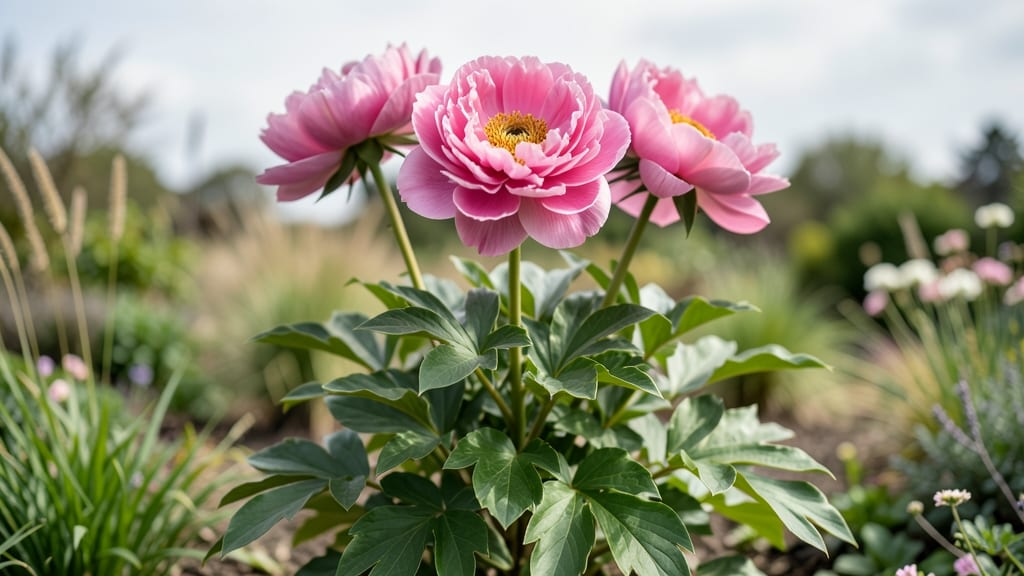
Growing a pink peony shrub means waking up to clouds of sweet fragrance and velvety blooms that last for weeks. 🌸 I’ve learned the hard way that these divas need patience—planting too deep or pruning at the wrong time can stall their blooms for years.
But when you get it right, they reward you with lush, repeat-flowering displays that turn heads in spring and early summer. The secret starts with soil: peonies hate soggy roots but despise drought too.
Amend heavy clay with compost and plant crowns just 1-2 inches below soil level—any deeper and they’ll refuse to bloom. Once established, they’re low-maintenance, but early spring is the only time to prune (cut back last year’s stems to 2-3 inches above ground).
This keeps them healthy and encourages next year’s blooms. By midsummer, you’ll be surrounded by bowl-sized flowers that smell like a garden shop. The fragrance lingers on warm evenings, and the petals stay intact even in rain. Just avoid overwatering—peonies rot faster than they bloom when their roots stay wet.
Works in zones 3-8, thrives in full sun, and even tolerates light shade. Here’s how to keep yours thriving for decades—no black thumb required.
📚 In This Guide
- What you need
- Instructions
- Tips and common mistakes
- Wrapping up and next steps
What you need
- ● Pink peony shrub (Paeonia lactiflora) – 1 healthy, disease-free plant (bare-root or potted, 2-3 years old for best results).
- ● Well-draining soil – Mix of 60% topsoil, 30% compost, and 10% coarse sand or perlite (1-2 cubic yards, depending on planting size).
- ● Organic mulch – 3-4 inches of shredded bark, straw, or wood chips to retain moisture and regulate temperature.
- ● Balanced fertilizer – 10-10-10 NPK formula (1-2 pounds per 100 sq. ft.) or bone meal (for phosphorus-rich growth).
- ● Watering can or hose with a gentle spray nozzle – For deep, even watering (avoid overhead sprinklers to prevent fungal issues).
- ● Pruning shears – Sharp, bypass-style shears (4-6 inch blades) for clean cuts.
- ● Garden gloves – Heavy-duty, nitrile-coated for protection against thorns and soil-borne pathogens.
- ● Garden trowel or spade – For digging planting holes (12-18 inches wide/deep).
- ● Soil pH test kit – Ideal pH: 6.5-7.0 (peonies thrive in slightly acidic to neutral soil).
- ○ Fungal preventative spray – Copper fungicide (optional, for high-humidity climates).
- ○ Stakes or cages – 4-6 ft. tall (optional, to support tall stems in windy areas).
- ● Slow-release fertilizer tablets – Place 1-2 12-inch tablets in planting hole for seasonal nourishment.
- ● Rain gauge or moisture meter – Monitor soil moisture (peonies need 1-1.5 inches of water weekly).
Instructions for cultivating a thriving pink peony shrub
Here's how I revive even the most neglected peony shrubs with simple seasonal care.
🌱 Step 1: Plant in the Right Location and Soil
Choose a spot with full sun (6-8 hours daily) and well-draining soil—peonies hate soggy roots. I dig a hole twice as wide as the root ball but only as deep as the top of the roots. The crown should sit just 1-2 inches below soil level; planting too deep smothers blooms.
Amend the native soil with 3-4 inches of compost mixed into the bottom and sides of the hole. Peonies thrive in rich, slightly alkaline soil (pH 6.5-7.5). Water deeply after planting to settle the soil around roots, then let it dry slightly before watering again. You'll know it's right when the soil feels like a damp sponge—not wet or bone-dry.
☀️ Step 2: Provide Consistent Water and Mulch
Water newly planted peonies 1-2 inches per week during the first growing season. After that, they're drought-tolerant but still need 1 inch of water weekly during dry spells. I water at the base in the morning to reduce fungal risks—never overhead when leaves are wet.
Spread 2-3 inches of organic mulch (like wood chips) around the base, keeping it 6 inches away from the stem to prevent rot. This conserves moisture, regulates soil temperature, and blocks weeds. Refresh the mulch annually in early spring—you'll see fewer weeds and healthier soil over time.
✂️ Step 3: Prune for Health and Abundant Blooms
Prune immediately after blooming (late spring) to encourage next year's flowers. Cut back spent blooms to the first set of healthy leaves—never remove more than 1/3 of the plant. I use clean, sharp pruners to make angled cuts just above a leaf node to promote new growth.
In late fall or early winter, prune again to remove any dead or diseased stems. Never cut back healthy foliage until it browns naturally—this provides energy for next year's blooms. You'll see stronger stems and bigger flowers the following season if you prune correctly.
🌿 Step 4: Fertilize and Protect Through the Seasons
Apply a balanced, slow-release fertilizer (10-10-10) in early spring when new shoots emerge. I sprinkle it around the base and water it in thoroughly. Avoid high-nitrogen fertilizers—they produce lush foliage but fewer blooms. Peonies are heavy feeders but don't need much; one application per year is plenty.
Watch for peony wilt disease (caused by fungus) and remove infected leaves immediately. I also monitor for Japanese beetles, which love peony flowers. A light spray of neem oil in early summer keeps them away without harming the plant. Healthy peonies develop strong stems and fragrant blooms that last for weeks.
Tips & tricks for reviving pink peony shrubs
Here's what I've learned from years of bringing neglected peony shrubs back to life—these small details make all the difference.
Sunlight Secret: The 6-8 hours of full sun requirement is non-negotiable for pink peonies. I've seen them struggle in partial shade—buds form but often fail to open fully. If your yard has limited sun, consider planting near a south-facing wall that reflects light. You'll notice the difference in just one growing season with bigger, brighter blooms.
Planting Depth Matters: That 1-2 inches below soil level for the crown isn't just a suggestion—it's crucial. I once buried a peony too deeply and spent three years waiting for it to recover. The crown needs to stay visible above soil to prevent rot. After planting, gently firm the soil and check again before watering.
Watering Wisdom: Those 1-2 inches weekly during the first year might seem like a lot, but peonies establish deep roots quickly. I water at the base using a soaker hose to avoid wetting the foliage, which helps prevent fungal diseases. In my experience, morning watering gives roots time to absorb moisture before evening evaporation.
Pruning Precision: When you're cutting back spent blooms to the first set of healthy leaves, make sure you're not removing more than one-third of the plant at any time. I mark the cuts with a pencil before pruning to avoid over-trimming. This balance ensures next year's blooms will be just as abundant as this year's.
Pro Tips for Pink Peony Shrub
- Here's what I've learned from years of bringing neglected peony shrubs back to life—these small details make all the difference.
- Sunlight Secret: The 6-8 hours of full sun requirement is non-negotiable for pink peonies.
- Planting Depth Matters: That 1-2 inches below soil level for the crown isn't just a suggestion—it's crucial.
Frequently asked questions
Got questions about your pink peony shrub? We’ve got answers!
Whether you're troubleshooting, planning, or just curious about care, here’s what you need to know before diving in.
When is the best time to prune my pink peony shrub?
Prune your pink peony right after flowering (late spring to early summer) to encourage healthy growth and more blooms next season. Avoid heavy pruning in fall or winter, as this can damage dormant buds. Light shaping is fine, but never cut into old wood—it won’t regrow!
How do I protect my peony from harsh winters?
Pink peonies are hardy but benefit from a little winter prep. Mulch the base with 2–3 inches of straw or shredded leaves after the ground freezes. In extremely cold zones, a light burlap wrap around the crown can shield it from windburn. Just remove the mulch in early spring to avoid rot.
Why aren’t my pink peony blooms as big or frequent as they used to be?
Over-pruning, too much nitrogen fertilizer, or planting too deep (crown buried >2 inches) can stunt blooms. Try balanced fertilizer (10-10-10) in early spring and ensure the crown sits just below soil level. Patience helps—peonies often take 2–3 years to rebound after stress.
Are pink peonies deer- or pest-resistant?
Unfortunately, no! Deer love peonies, and aphids, spider mites, and Japanese beetles may target them. Use physical barriers (deer fencing) or organic sprays like neem oil. For beetles, handpick them early in the morning when they’re sluggish. Healthy plants with good airflow resist pests better.
Can I grow pink peonies in containers?
Yes, but they need spacious pots (at least 18” wide/deep) with drainage holes. Use a well-draining mix (50% potting soil, 30% perlite, 20% compost). Container peonies may bloom less prolifically than in-ground plants but thrive with annual repotting and winter protection (move pots to a sheltered spot or mulch heavily).
Pro Tip: Divide peonies every 5–7 years to rejuvenate them! Dig up clumps in early fall, separate the roots (each section should have 3–5 "eyes"), and replant immediately. This boosts vigor and bloom size!
Wrapping up and next steps
Growing a pink peony shrub is a rewarding journey that combines patience, care, and a touch of seasonal magic! 🌸 With the right location, pruning techniques, and a little love, your peony will flourish year after year, gifting you with vibrant blooms and intoxicating fragrance. Now’s the time to roll up your sleeves—start pruning, nurturing, and watching your garden transform into a fragrant paradise!
Ready to dive deeper? Pick a sunny spot, grab your pruners, and let the blooms begin! 🌿