
Shrubs
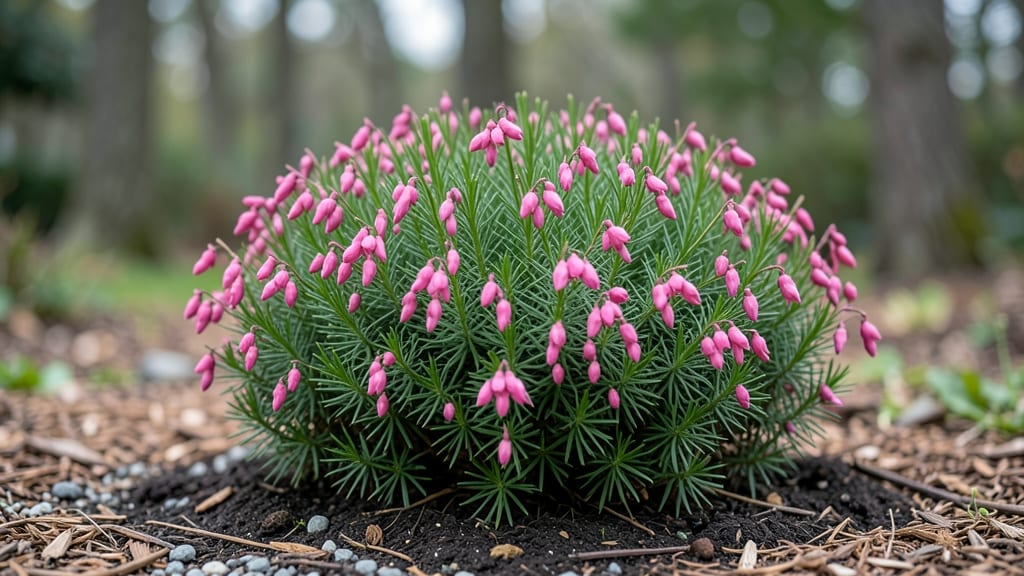
Your winter garden just got a fragrant upgrade with the pink winter heather flowering shrub. 🌸 This cold-hardy shrub thrives where most plants retreat, offering delicate blooms and sweet scent from late fall through spring—even in snow.
The secret to its long-lasting beauty lies in understanding its unique growth habits and pruning rhythm.
Winter heather loves full sun to partial shade and well-draining soil, but it won’t fuss if you’ve got rocky or sandy ground. Plant it where you’ll admire it year-round, since its evergreen foliage adds texture even when not in bloom.
In zones 4-8, it handles frost like a champ, making it perfect for northern gardens or high-altitude spots.
Pruning after flowering (late spring) keeps it compact and encourages next year’s blooms. A light trim removes dead wood while shaping the plant—no heavy-handed cutting needed. With proper care, you’ll enjoy months of color when other gardens are bare, plus bees and butterflies will thank you for the early nectar.
Whether you’re filling a sunny border, creating a winter-interest hedge, or adding fragrance to a cold-season garden, this shrub delivers. The key is patience—it establishes slowly but rewards you with decades of effortless beauty. Ready to transform your winter landscape?
📚 In This Guide
- What you need
- Instructions
- Tips and common mistakes
- Wrapping up and next steps
What you need
- ● Pink Winter Heather Plant: Choose a healthy Erica carnea (pink variety) from a nursery or mail-order supplier. Opt for a 1- to 2-year-old plant for best results.
- ● Well-Draining Soil: 3–5 gallons of erica mix or a blend of 50% peat moss, 30% perlite, and 20% sand. Avoid garden soil—heathers hate soggy roots!
- ● Pot or Garden Bed: Container Option: A 10–12-inch diameter pot with drainage holes (terracotta or ceramic preferred).
- ● Garden Option: A sunny, slightly acidic spot (pH 4.5–5.5) with partial shade (3–6 hours of morning sun).
- ● Watering Can or Hose: With a fine rose attachment to avoid disturbing soil.
- ● Pruning Shears: Sharp, bypass-pruners (sterilized with rubbing alcohol).
- ● Mulch: 1–2 inches of pine bark or gravel to retain moisture and regulate temperature.
- ● Gloves: Heavy-duty gardening gloves to protect from thorns (some varieties have them!).
- ● pH Test Kit: To confirm soil acidity before planting.
- ● Slow-Release Fertilizer: Acid-loving plant fertilizer (e.g., Osmocote or Miracle-Gro Azalea) for spring feeding.
- ● Shade Cloth: 30–50% shade cloth if your climate has intense afternoon sun.
- ● Winter Protection: Burlap or Frost Blanket: For young plants in Zone 5 or colder.
- ● Evergreen Boughs: Lightly brush pine needles over the plant in late fall.
Step-by-step guide to cultivating a fragrant pink winter heather shrub
Here's how to coax vibrant winter blooms from this hardy shrub—no green thumb required.
🌱 Step 1: Select the Right Location for Year-Round Interest
Winter heather thrives in full sun to partial shade, with at least 4-6 hours of direct sunlight daily. I always plant mine where it gets morning sun and afternoon shade—this prevents leaf scorch while maximizing bloom production. The shrub's natural habit is low and spreading, so choose a spot where its 2-3 foot height and 4-5 foot width won't be crowded by other plants.
Check soil drainage before planting—heather roots rot quickly in soggy conditions. If your garden holds water, amend the planting hole with 1 part perlite to 3 parts native soil to improve aeration. The ideal soil pH is 4.5-6.0 (acidic to slightly acidic), so test your soil before planting. You'll know the location is perfect when you see new growth within 6-8 weeks of planting.
🪴 Step 2: Plant in Well-Draining, Acidic Soil
Dig a hole twice as wide as the root ball but only as deep as the container—heather roots are shallow and sensitive to burial. Gently remove the plant from its container and tease apart any circling roots with your fingers. This encourages outward growth rather than a tangled root mass.
Place the shrub in the hole so the top of the root ball sits 1 inch above ground level. This prevents water from pooling at the base and causing rot. Backfill with a mix of 50% native soil and 50% peat moss or pine fines to maintain acidity. Water deeply until moisture reaches 6 inches down, then let the soil settle naturally—don't compact it.
☀️ Step 3: Water Deeply and Mulch for Winter Protection
Winter heather needs consistent moisture but hates soggy roots. Water once weekly in summer and every 2-3 weeks in winter, always checking that the top 2 inches of soil are dry before watering. Use a soaker hose or drip irrigation to deliver water slowly at the base—avoid overhead watering, which can spread fungal diseases.
Apply a 3-inch layer of pine needles or bark mulch around the base, keeping it 2 inches away from the stem to prevent rot. This mulch mimics the shrub's natural forest floor habitat while insulating roots during cold snaps. In Zone 5 or colder, add a 4-inch layer of straw mulch in late fall for extra protection.
✂️ Step 4: Prune Strategically for Winter Blooms
The key to winter heather's floral display is light pruning after blooming. Wait until late spring or early summer, after the flowers fade, to trim back one-third of the oldest stems at the base. This encourages new growth from the base while preserving next year's blooms. Use clean, sharp pruners to make cuts at a 45-degree angle just above a leaf node.
Never prune into old wood—you'll sacrifice next season's flowers. If you see leggy growth, trim back to healthy lateral branches rather than cutting into bare stems. A well-pruned winter heather should have multiple flowering stems per branch by late fall, creating that signature fragrant canopy.
⏰ Step 5: Fertilize Sparingly for Optimal Flowering
Winter heather grows best with minimal fertilization. In early spring, apply a slow-release, acid-loving plant fertilizer (like one formulated for azaleas or rhododendrons) at half the recommended rate. The shrub's natural habitat is nutrient-poor, so too much fertilizer encourages leafy growth at the expense of flowers.
Monitor the plant's response—if you see excessive new growth with few buds, cut back on fertilization next year. The goal is 3-4 flushes of blooms per season, with the most dramatic display in winter. A healthy winter heather should have pink flowers covering at least 50% of the plant by late fall, with the fragrance detectable from 3 feet away.
Tips & tricks for perfect pink winter heather cultivation
These subtle adjustments will help you transform your winter heather into a fragrant winter wonderland that outperforms store-bought options.
Location Precision: That 4-6 hours of sunlight recommendation isn't just a range—it's a sweet spot. I've found the absolute best results occur when plants receive morning sun (6am-10am) and afternoon shade (2pm-6pm). This balance prevents the delicate pink blooms from scorching while ensuring enough light for robust flowering. In hotter climates, even 2 hours of afternoon shade can make the difference between vibrant blooms and sun-stressed foliage.
Root Ball Preparation: The shallow root system of winter heather is often overlooked, but proper handling here makes all the difference. When removing the plant from its container, gently separate the root ball with your fingers rather than using a knife—this prevents clean cuts that can heal poorly. The goal is to encourage outward growth rather than creating a dense, tangled root mass that struggles to establish. Think of it like untangling headphones before plugging them in.
Mulching Strategy: That 3-inch layer of pine needles or bark mulch isn't just for show—it's a crucial winter survival tactic. The mulch should extend to the drip line (the outermost branches) to fully protect the root zone. For extra insurance in Zone 5 or colder, I recommend adding a 4-inch layer of straw mulch in late fall, then removing it in early spring. This creates a thermal blanket that can protect roots down to 10°F without suffocating the plant.
Pruning Timeline: The late spring to early summer pruning window is non-negotiable for winter blooms, but here's the secret most gardeners miss: the exact timing matters. Aim to prune when you see the first signs of new growth after the flowers fade—typically around Mother's Day weekend in most climates. This ensures you're cutting back just as the plant begins its next growth cycle, maximizing next year's floral display. Use your fingers to gently pinch off the oldest stems first, then use pruners for the rest.
Pro Tips for Pink Winter Heather Flowering Shrub
- These subtle adjustments will help you transform your winter heather into a fragrant winter wonderland that outperfor...
- Location Precision: That 4-6 hours of sunlight recommendation isn't just a range—it's a sweet spot. I've found the ab...
- Root Ball Preparation: The shallow root system of winter heather is often overlooked, but proper handling here makes ...
Frequently asked questions
When does pink winter heather bloom, and how long does it last?
Pink winter heather typically blooms from late fall to early spring, often starting in November and lasting until March—sometimes even into April in milder climates. The flowers are frost-resistant, so they’ll keep their vibrant pink hue even in chilly weather! For extended blooms, prune lightly after flowering to encourage new growth.
Is pink winter heather truly cold-hardy? What zones does it tolerate?
This shrub is a drought- and cold-tolerant superstar, thriving in USDA zones 4–9. It handles winter temps down to -30°F (-34°C) with ease, making it perfect for snowy landscapes. Just ensure it has well-draining soil to prevent root rot—no fancy care required!
How and when should I prune pink winter heather?
Prune right after flowering (late spring) to shape the shrub and remove dead wood. Avoid heavy pruning in fall—it blooms on old wood, so cutting back too much can reduce next year’s flowers. Use clean, sharp shears and sterilize tools to prevent disease.
Can I grow pink winter heather in containers? What’s the best soil mix?
Yes! It thrives in containers with fast-draining soil. Mix 50% cactus/succulent mix, 30% perlite, and 20% peat moss for optimal drainage. Use a pot with drainage holes and place it in full sun to partial shade. Water only when the top inch of soil is dry—overwatering is its #1 enemy!
Are there any pests or diseases I should watch for?
Pink winter heather is pest-resistant, but watch for aphids (rare) or powdery mildew in humid conditions. If you spot aphids, spray with neem oil. For mildew, improve airflow and avoid overhead watering. Healthy plants rarely have issues!
What are some great companion plants for pink winter heather?
Pair it with evergreens (like boxwood or juniper) for year-round structure, or spring bulbs (daffodils, crocuses) for a layered look. It also complements roses, lavender, and ornamental grasses beautifully. Just avoid heavy feeders—heather prefers low-nutrient soil!
Wrapping up and next steps
Transforming your garden into a fragrant, winter-friendly haven is easier than you think with the pink winter heather! This hardy shrub brings color, scent, and resilience to cold climates—perfect for gardeners who want beauty without the fuss.
Whether you’re a beginner or a seasoned pro, its low-maintenance care and stunning blooms make it a must-have for year-round interest.
Ready to elevate your outdoor space? Start by selecting the right variety, prepping your soil, and giving your heather the love it deserves. Plant one today and enjoy the rewards of a blooming winter escape! 🌸❄️