
Vegetables
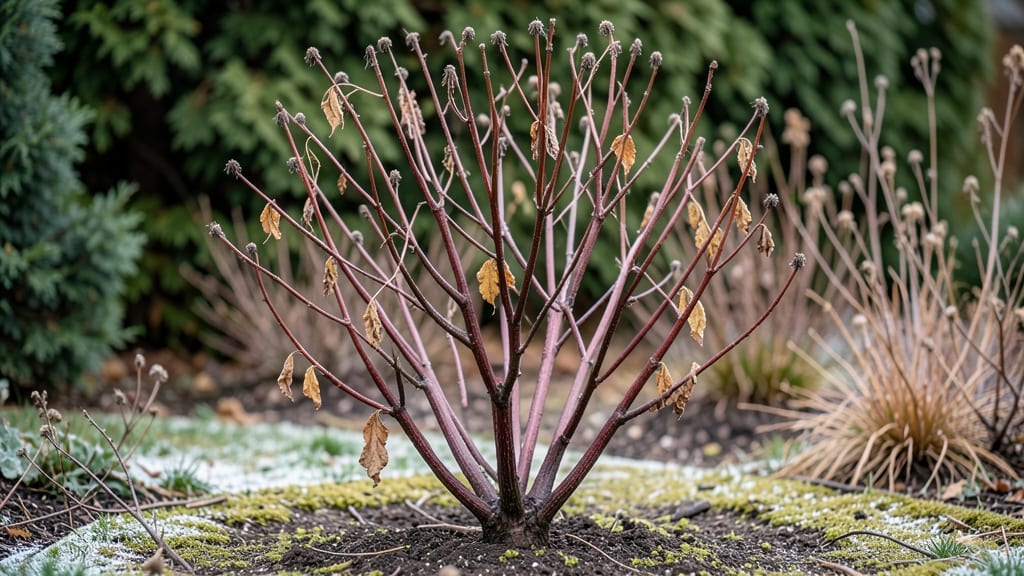
Your potentilla shrub's winter survival starts with three sharp cuts—not one. 🌿 I’ve watched these hardy bushes bounce back from brutal winters after learning the right timing and technique, and the difference between a thorny mess and a lush, blooming shrub often comes down to what you do in late winter.
The key is pruning when new growth begins—usually February or March—before the first flush of leaves appears. This isn’t about removing dead wood (though you’ll do that too); it’s about shaping the shrub to encourage dense, thorn-free growth.
Cold-hardy varieties like Potentilla fruticosa handle frost just fine, but the real work happens in those crisp weeks before spring.
By the time spring arrives, you’ll see vibrant green shoots pushing through the old stems, and those late-winter cuts will have set the stage for a season of bold yellow blooms.
The secret? Mulch heavily after pruning—3-4 inches of shredded bark or leaves—to protect roots from temperature swings and retain moisture.
Works for zones 3-8, whether you’re dealing with a mature shrub or a young plant. The same principles apply—just adjust timing slightly for early or late winters. Let’s get those shears ready!
📚 In This Guide
- What you need
- Instructions
- Tips and common mistakes
- Wrapping up and next steps
What you need
- ● Pruning shears or loppers: Sharp, bypass-style (not anvil) for clean cuts. 1 pair (loppers for thicker branches).
- ● Garden gloves: Heavy-duty, thorn-resistant (e.g., Mechanix or leather). 1–2 pairs (extra for comfort).
- ● Disinfectant (70% isopropyl alcohol or bleach solution): 1 small spray bottle (1:9 bleach-water ratio).
- ○ Pruning sealant (optional): 1 small tube (e.g., Tanglefoot Tree Wound Pruning Seal).
- ● Garden twine or tape: 1 roll (for securing large branches post-trim).
- ● Wheelbarrow or bucket: 1 (for debris disposal).
- ● Timing: Trim after the last hard frost but before new growth (late February–early March in most zones).
- ● Weather: Dry, calm day (avoid trimming if rain is forecasted within 24 hours).
- ● Safety gear: Sunglasses (to shield from debris) and closed-toe shoes.
- ● Cleanup supplies: Trash bags or compost bin (potentilla clippings decompose quickly!).
Step-by-Step guide to reviving your potentilla shrub after winter
Late winter is the perfect time to coax your potentilla back to life—here’s how to trim for health, not just looks.
✂️ Step 1: Assess and Prune Dead or Damaged Growth
Start by inspecting your potentilla for any branches that look completely brown, brittle, or devoid of buds. These are dead and should be removed immediately to prevent disease. I use sharp, sterilized pruners to make clean cuts just above a healthy bud or lateral branch—never leave stubs, as they invite rot.
The key here is patience. Don’t rush—wait until you’ve confirmed a branch is truly dead. If you’re unsure, scratch the bark with your fingernail: green underneath means life; brown means it’s gone. This ensures you’re only cutting what needs to go, preserving the shrub’s energy for new growth.
✂️ Step 2: Thin Out Crowded or Weak Branches
Next, focus on the remaining branches. Potentillas thrive when they have good airflow, so remove any that are crossing, rubbing, or growing inward. These often weaken the plant and create entry points for pests. Aim to open up the center of the shrub by about 25-30%—this encourages stronger, outward growth.
I look for branches that are thinner than a pencil or lack strong buds. These are often the ones that won’t contribute much to next season’s blooms. Cut them back to the base or a strong lateral branch. This step is where you’ll see the most dramatic transformation—your shrub will look lighter and more inviting almost instantly.
✂️ Step 3: Shape for a Full, Bushy Appearance
Now for the fun part: shaping. Potentillas respond well to a natural, rounded form, so I step back and visualize how I want the shrub to fill out. Start by trimming the longest branches back by about one-third to encourage bushier growth. Focus on the outer edges first—this prevents the shrub from looking too top-heavy.
Use your pruners to make angled cuts just above an outward-facing bud. This ensures new growth will fill out the shrub rather than shoot inward. If you’re feeling bold, you can even give the shrub a slight dome shape—just remember, potentillas are forgiving, so don’t stress over perfection. The goal is to create a framework that encourages strong, healthy regrowth.
💧 Step 4: Apply a Light Mulch and Fertilize
After pruning, it’s time to give your potentilla a little TLC to kickstart its revival. Spread a 2-3 inch layer of mulch around the base, keeping it a few inches away from the trunk to prevent rot. I use shredded bark or compost—both help retain moisture and regulate soil temperature as spring approaches.
Now’s also the time to feed your shrub. A slow-release, balanced fertilizer (like a 10-10-10) applied in early spring will provide the nutrients it needs to bounce back. Water the soil thoroughly before and after applying fertilizer to help it penetrate the roots. This step is crucial—skipping it can leave your potentilla looking tired and slow to recover.
☀️ Step 5: Monitor and Adjust for Spring Growth
Once you’ve finished pruning and fertilizing, keep an eye on your potentilla over the next few weeks. New growth should appear within 3-4 weeks, depending on your climate. If you notice any yellowing leaves or stunted growth, it could be a sign of over- or under-fertilization—adjust accordingly.
I also check for any signs of pests or disease, like black spots or webbing. If you catch anything early, treat it with a fungicide or insecticidal soap before it becomes a bigger problem. This is your last chance to intervene before the shrub fully wakes up—so don’t skip it. With these steps, your potentilla will be ready to burst into bloom come spring.
Tips & tricks for reviving your potentilla shrub after winter
These small adjustments make all the difference between a shrub that struggles and one that thrives after winter's dormancy.
Pruning Precision: In Step 1, when testing for dead branches, I find using a small magnifying glass helps spot tiny buds that might otherwise be missed. These hidden signs of life are worth preserving—sometimes what looks dead at first glance isn't. Also, sterilize your pruners between cuts with rubbing alcohol to prevent spreading any potential diseases from branch to branch.
Branch Selection Strategy: During Step 2, I prioritize removing branches that grow toward the center first. These are the ones that create that "thorny mess" look. Think of it like sculpting—you're creating an open framework where light and air can circulate freely. For stubborn branches, I make two cuts: the first about 6 inches from the base, then the second just above a bud, making it easier to remove without tearing.
Mulch Layer Technique: When applying that 2-3 inch mulch layer in Step 4, I always create a slight mound around the base but keep it sloped away from the trunk. This prevents water from pooling against the bark, which can cause rot. A mix of shredded bark and compost works best—it breaks down slowly while still providing immediate moisture benefits. For extra protection in cold climates, I add a 2-inch layer of straw on top of the mulch.
Fertilizer Timing: The 3-4 week window mentioned in Step 5 is your best chance to catch any early signs of trouble. I've learned that if new growth appears within 2 weeks, it's often a sign of over-fertilization. In that case, I reduce watering slightly and wait another week before assessing again. The key is patience—rushing the process can stress the shrub just as much as neglecting it.
Pro Tips for Potentilla Shrub In Winter
- These small adjustments make all the difference between a shrub that struggles and one that thrives after winter's do...
- Pruning Precision: In Step 1, when testing for dead branches, I find using a small magnifying glass helps spot tiny b...
- Branch Selection Strategy: During Step 2, I prioritize removing branches that grow toward the center first. These are...
Frequently asked questions
Got questions about keeping your Potentilla shrub thriving through winter?
Here are answers to the most common ones—so you can enjoy its vibrant blooms year after year!
Should I prune my Potentilla shrub in late winter, or wait until spring?
Late winter (just before new growth starts) is the perfect time! Pruning now removes dead wood, shapes the shrub, and encourages healthier spring blooms. Avoid pruning in extreme cold or deep freeze—aim for 40°F+ for best results.
How do I protect my Potentilla from harsh winter winds or frost?
Mulch is your best friend! Apply 2-3 inches of organic mulch (like shredded bark or straw) around the base after the ground freezes. For young shrubs, wrap the crown in burlap or use a frost cloth for extra defense. Avoid heavy mulch that could suffocate roots.
What if my Potentilla’s leaves turn brown or crispy in winter—is it dead?
Not necessarily! Potentillas often look browned and brittle in winter, but they’re just dormant. Wait until late winter/early spring to assess. If branches are still firm and green underneath, they’re alive—prune only the truly dead wood.
Can I grow Potentilla in colder climates (Zone 3-5)? If so, what’s the trick?
Potentillas are hardy to Zone 3, but winter sun exposure is key. Plant in a spot with morning sun to prevent frost scorch. Use well-draining soil and avoid soggy roots—both are winter weak points in cold zones.
Are there winter-hardy alternatives if my Potentilla struggles with cold?
Yes! Try Spiraea (hardy to Zone 3), Weigela (Zone 4), or Butterfly Bush (Zone 4-9). These shrubs offer similar colorful blooms and low-maintenance winter care. Just mimic the same mulching and pruning tips!
Wrapping up and next steps
Your potentilla shrub doesn’t have to surrender to winter’s chill—with the right care, it can bounce back stronger than ever! Late-winter trims aren’t just about tidying up; they’re your secret weapon for revitalizing growth and keeping those thorn-free branches in check. 🌿✨
Now that you’re armed with the tools, timing, and techniques, it’s time to roll up your sleeves. Grab those pruners, step outside, and give your potentilla the loving attention it deserves. Watch it thrive!
- 📅 Mark your calendar for late winter—your shrub will thank you!
- 🌱 Start small if you’re new to pruning, and build confidence with each trim.