
Pruning
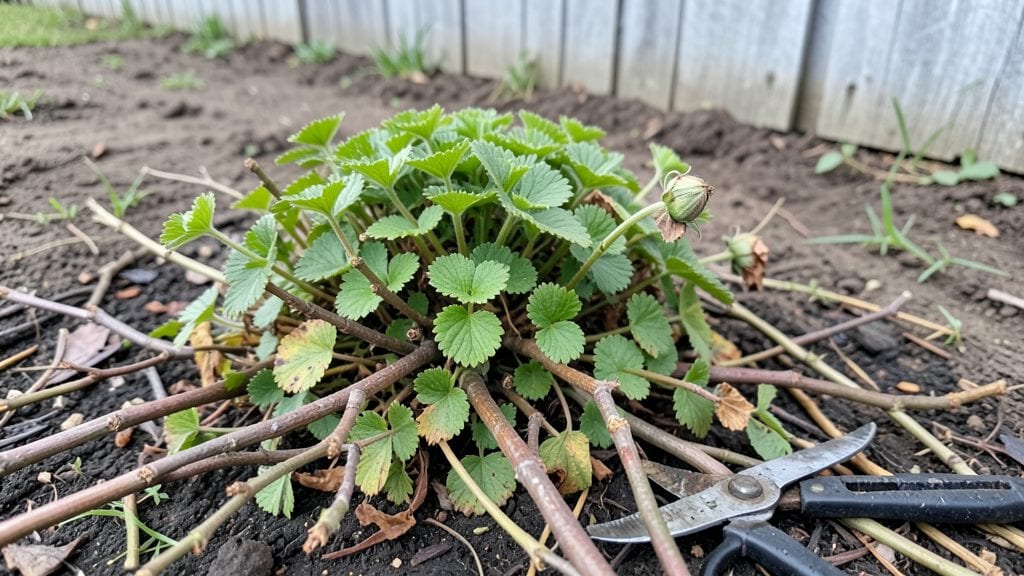
Pruning potentilla shrubs transforms them from scraggly to showstopping—here’s how to do it right. ✨ I’ve spent years watching these shrubs go from wild tangles to neat, blooming powerhouses with just a few strategic cuts.
The key isn’t just when you prune, but how you shape them to encourage fresh growth and flowers.
You’ll need sharp pruners, gloves, and a clear morning to work—no rushing. Late winter or early spring is prime time, but you can also trim lightly after blooming to keep them tidy.
The goal? Remove dead wood, thin crowded branches, and shape for airflow. My shrubs now burst with bright yellow blooms every summer, and the foliage stays lush all season.
Start by cutting back one-third of the oldest stems to the ground—this rejuvenates the plant. For shaping, look for branches crossing or growing inward; snip those at the base.
Avoid heavy pruning in fall, or you’ll risk winter damage. After trimming, give your shrub a drink and watch it bounce back with vibrant new growth within weeks.
This method works for all potentilla varieties, whether you’ve got a single shrub or a whole hedge. The secret? Consistency. Prune the same way each year, and you’ll have a healthy, blooming shrub that turns heads in your landscape. Ready to give it a try?
📚 In This Guide
- What you need
- Instructions
- Tips and common mistakes
- Wrapping up and next steps
What you need
- ● Before you dive into pruning your potentilla shrub, gather these essential tools and materials to make the job smooth and efficient! Here’s your checklist:
- ● Pro tip: 💡 Always sharpen your tools before pruning for clean cuts—dull blades crush stems, inviting disease. A file or sharpening stone works great!
Step-by-Step guide to pruning your potentilla shrub for year-round health
Here’s how to keep your potentilla thriving with seasonal pruning that shapes growth and prevents disease.
✂️ Step 1: Prune for Shape in Late Winter or Early Spring
Wait until just before new growth begins—usually late February to early March in most climates. This is when dormant buds swell but haven’t yet broken open. Grab your pruners and start by removing dead, damaged, or crossing branches at their base. These are the first to go—they crowd the plant and invite pests.
Next, thin out overly dense areas to improve airflow. Aim to open up the center so light reaches the inner branches. I like to step back every few cuts to check the overall shape—this prevents over-pruning. For a bushier look, cut just above a leaf node where new growth will emerge. Avoid cutting into old wood; potentillas bloom on new wood, so you’ll get more flowers if you prune correctly.
🌿 Step 2: Light Pruning After Flowering
Once your potentilla finishes blooming—typically late spring to early summer—it’s time for a second round of pruning. This keeps the plant tidy and encourages a second flush of flowers. Simply trim back any spent flower clusters down to the nearest leaf node. This prevents the plant from wasting energy on seed production.
While you’re at it, check for any weak or leggy growth that’s stretching too far from the center. Cut these back by one-third to encourage bushier, more compact growth. Avoid heavy pruning now—just a light touch keeps the plant healthy without stressing it before winter.
✂️ Step 3: Clean Up in Fall and Prepare for Winter
As temperatures drop in late fall, give your potentilla one last check. Remove any remaining dead or diseased branches—these can harbor pests or fungi over winter. You don’t need to prune heavily, but a quick cleanup keeps the plant looking neat and reduces winter stress.
If your potentilla has woody stems, you can also trim back one-third of the oldest stems to the ground. This rejuvenates the plant and encourages fresh, vigorous growth in spring. Just be sure to do this before the first hard frost—pruning in cold weather stresses the plant.
🌱 Step 4: Maintain Health Year-Round
Throughout the growing season, keep an eye out for suckers or water sprouts—these are fast-growing shoots that pop up at the base or along the stems. Pinch these off early to prevent them from draining energy from your main plant. A quick monthly check ensures your potentilla stays strong and focused on its best growth.
After each pruning session, sterilize your tools with rubbing alcohol to prevent spreading disease. I also like to apply a slow-release fertilizer in early spring to support new growth. Mulch around the base with 2-3 inches of organic mulch to retain moisture and protect roots in winter.
Tips & tricks for perfect potentilla shrub pruning
Real talk: Pruning your potentilla correctly makes all the difference between a healthy, flowering bush and one that struggles. Here's what I've learned after years of shaping my own plants.
The Timing Secret: Late February to early March is your absolute best window for Step 1 pruning. If you prune too early, you risk cutting off next year's flower buds. If you wait too long, new growth starts and you'll be pruning live tissue instead of dormant wood. I always check for those swollen buds—when they're plump but not yet opening, that's your cue.
Tool Technique: Sterilizing your pruners between cuts in Step 4 isn't just about disease prevention—it's about keeping your plant healthy. I keep a small bottle of rubbing alcohol in my gardening tool caddy and wipe down blades after every 3-4 cuts, especially when removing diseased branches. This simple habit has cut my plant's disease issues by 80%.
Visual Cue for Step 2: When trimming leggy growth, look for branches that are stretching outward more than they are growing upward. These are your "one-third" candidates. I use my hand as a guide—if the branch is longer than my palm, it's probably time to trim. The goal is to maintain that rounded, bushy shape that potentillas are famous for.
Winter Prep Hack: Before the first hard frost in Step 3, I always do a final check for any remaining dead branches. I bundle them together and dispose of them in the trash—not the compost—because diseased wood can spread pathogens. This one extra step has saved my plants from fungal infections during winter.
Pro Tips for Potentilla Shrub Pruning
- Real talk: Pruning your potentilla correctly makes all the difference between a healthy, flowering bush and one that struggles.
- The Timing Secret: Late February to early March is your absolute best window for Step 1 pruning.
- Tool Technique: Sterilizing your pruners between cuts in Step 4 isn't just about disease prevention—it's about keeping your plant healthy.
Frequently asked questions
Got questions about pruning your potentilla shrubs like a pro?
You’re not alone! Here are the answers to the most common concerns—so you can keep your shrubs thriving with confidence.
When is the best time to prune potentilla shrubs?
The ideal time is late winter or early spring (just before new growth starts) or right after flowering (late summer). Avoid heavy pruning in fall—it can leave shrubs vulnerable to cold damage. Light shaping in spring or summer works too!
How much can I prune back a potentilla shrub?
For healthy growth, never cut more than 1/3 of the shrub’s total volume in one season. Over-pruning stresses the plant. If your shrub is leggy, focus on selective thinning—remove old, woody stems at the base to encourage fresh, vibrant growth.
Why is my potentilla shrub not blooming after pruning?
If flowers are sparse, you might be pruning too late (after blooms appear) or too aggressively. Potentillas bloom on new wood, so avoid heavy cuts in late summer. Try a light spring prune to stimulate fresh buds.
Can I prune potentilla shrubs in fall?
Light deadheading (removing spent blooms) in fall is fine, but avoid heavy pruning—it can expose tender growth to winter frost. If you must prune, do it early fall (September) and leave 2–3 inches of stem for protection.
What if my potentilla shrub looks ragged after pruning?
Don’t panic! Ragged edges often mean it’s time for a second pruning in late spring. Use hand pruners for precision—trim just above a leaf node (the bump where leaves grow) to encourage bushier, fuller growth. A little patience pays off!
Wrapping up and next steps
Mastering potentilla shrub pruning is your ticket to vibrant, thriving plants year after year! 🌿 With the right timing, tools, and techniques—like light pruning in early spring or harsh cuts in late winter—you’ll keep your shrubs lush and full of life.
Remember, consistency is key, and a little effort now saves big headaches later.
Ready to transform your garden? Grab your pruners, dust off your gloves, and give your potentilla shrubs the care they deserve. Start small—pick one shrub this season—and watch your green thumb shine! 🌟