
Shrubs
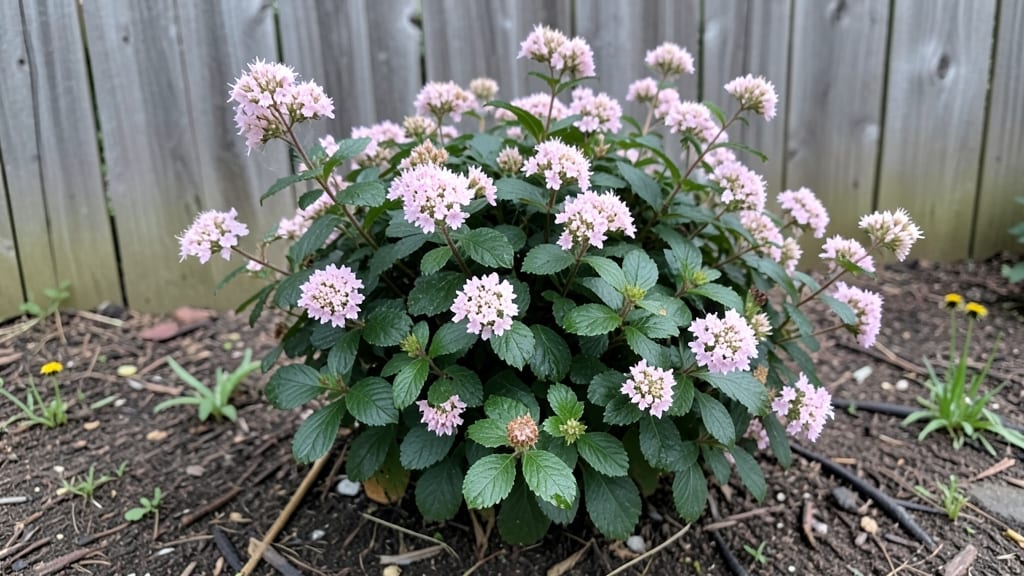
Growing a Princess Spirea shrub starts with the right spot and soil—this compact beauty thrives where others struggle, turning into a dense privacy screen faster than you’d expect.
I planted mine last spring in partial shade near the patio, and by summer, it was already filling in like a living wall. The key? Well-draining soil with a touch of compost to keep those roots happy without waterlogging.
Once established, Princess Spirea needs almost no fuss—water it deeply once a week unless your summers are scorching, then bump it to twice. The blooms?
Those pink pom-poms appear in late spring and last through summer, but here’s the secret: prune right after flowering to keep it bushy and encourage next year’s flowers. I’ve seen mine grow 3-4 feet tall in just three seasons with minimal effort.
Troubleshooting is easy: yellow leaves mean too much water, while sparse blooms often signal overcrowding. A quick trim in early spring opens up the center for better airflow and more flowers.
By fall, your shrub will look like it’s been there for years—dense, vibrant, and ready to block nosy neighbors or unsightly views.
Perfect for small yards, foundation plantings, or even large containers. The best part? It’s deer-resistant and handles city pollution better than most shrubs. Let’s get yours growing strong!
Root Causes Of Stunted Growth
If your Princess Spirea isn’t reaching its full potential—staying small, leggy, or sparse—it’s usually due to one (or more) of these key factors. Understanding the science behind them helps you fix the issue before it’s permanent. Let’s break down the real culprits:
The Princess Spirea thrives in well-draining, slightly acidic to neutral soil (pH 6.0–7.0). If your soil is compacted, waterlogged, or nutrient-poor, roots struggle to absorb what they need, leading to stunted growth.
- Compacted soil: Heavy clay or foot traffic compresses soil, limiting oxygen flow to roots. This causes hypoxia (oxygen deprivation), slowing growth and making the plant susceptible to root rot.
- Nutrient deficiencies: Without enough nitrogen (N), phosphorus (P), or potassium (K), the shrub can’t produce strong stems or lush foliage. A soil test reveals deficiencies—common in sandy or depleted soils.
- Wrong pH: Soil pH outside the 6.0–7.0 range locks out essential nutrients. For example, aluminum toxicity (from acidic soil) or calcium/magnesium shortages (from alkaline soil) stunt root development.
Actionable fix: Amend soil with organic matter (compost or aged manure) and adjust pH with lime (to raise pH) or sulfur (to lower pH). For compacted soil, aerate with a garden fork or top-dress with coarse sand.
Princess Spirea is a sun-lover, needing 6–8 hours of direct sunlight daily to fuel photosynthesis and robust growth. Too little light leads to weak stems, sparse foliage, and slow expansion.
- Shade stress: In low-light conditions, the shrub stretches (etiolation) toward any available light, creating long, thin stems with fewer leaves. This wastes energy and reduces flowering.
- Filtered sunlight: Dappled shade (e.g., under tall trees) can also limit growth, as leaves don’t receive enough photosynthetically active radiation (PAR).
- Overcrowding: Nearby trees or structures block light, forcing the spirea to compete for resources.
Actionable fix:
- 🔥 Relocate the shrub to a sunnier spot if possible.
- 🌿 Prune surrounding trees or shrubs to improve light exposure.
- ✨ Use reflective surfaces (like white mulch or mirrors) to bounce light onto the plant.
Watering is a delicate balance—too little or too much can stress Princess Spirea and stunt its growth. This shrub prefers consistent moisture but hates soggy roots.
- Underwatering: Dry soil triggers osmotic stress, where roots can’t absorb water efficiently. Leaves wilt, growth slows, and the plant diverts energy to survival instead of expansion.
- Overwatering: Poor drainage causes root asphyxiation, where roots suffocate in waterlogged soil. This leads to anaerobic conditions, promoting fungal diseases like Phytophthora.
- Inconsistent watering: Fluctuating moisture levels confuse the plant’s root system, leading to weak, erratic growth.
Actionable fix:
- 💧 Water deeply 1–2 times per week (depending on climate), ensuring the top 6–12 inches of soil stay moist but not soggy.
- 🌡️ Check soil moisture with your finger—if the top inch is dry, it’s time to water.
- 🔄 Improve drainage by amending soil with perlite or planting on a slight mound.
Hidden pests or pathogens can drain your Princess Spirea’s energy, leaving it weak and stunted. Common culprits include:
| Pest/Disease | How It Stunts Growth | Signs to Watch For |
|---|---|---|
| Aphids | Sap-sucking insects inject toxins, causing honeydew and sooty mold, which block sunlight and reduce photosynthesis. | Sticky residue on leaves, curled or yellowing foliage. |
| Spider Mites | Pierce leaves to feed, leading to chlorosis (yellowing) and weakened cell structure. | Fine webbing on undersides of leaves, speckled leaves. |
| Root Rot (Fungal) | Fungi like Phytophthora block water/nutrient uptake, causing root death and systemic decline. | Wilting despite watering, mushy brown roots, foul smell. |
| Powdery Mildew | Fungal infection coats leaves, reducing light absorption and clogging stomata (pores). | White powdery patches, distorted new growth. |
Actionable fix:
- 🔥 Inspect leaves regularly for signs of pests/diseases.
- 💡 Use neem oil or insecticidal soap for aphids/mites; fungicides for mildew.
- ✨ Improve airflow by pruning dense foliage and avoiding overhead watering.
- 🌱 Replace infected soil if root rot is severe—transplant to fresh, sterile soil.
Even if you’ve planted your Princess Spirea correctly, stress from transplantation or poor technique can halt growth for weeks or months.
- Root damage: Circling or cut roots during transplanting limit water/nutrient absorption, causing transplant shock.
- Wrong planting depth: Burying the stem too deep suffocates the base, while planting too shallow exposes roots to temperature swings and drought.
- Lack of acclimation: Moving a nursery-grown spirea directly into harsh conditions (e.g., full sun without hardening off) stresses the plant.
Actionable fix:
- 👨🍳 Prune damaged roots before planting, ensuring clean cuts with sharp shears.
- 🌱 Plant at the same depth as the nursery container (check the soil line).
- 💧 Water thoroughly after planting and mulch to retain moisture.
- ⏰ Acclimate gradually if moving from shade to sun (harden off over 1–2 weeks).
- Plant in raised beds or slopes if your yard has poor drainage.
- Mulch with wood chips (2–3 inches deep) to retain moisture without suffocating roots.
- Avoid watering in the late afternoon—morning or early evening is best.
- Spider mites: Tiny yellow dots + fine webbing on undersides of leaves.
- Aphids: Clusters of small green/black bugs on new growth.
- Scale: Bumpy, waxy spots on stems/leaves (they don’t move).
- Encourage biodiversity—birds, toads, and predatory insects keep pests in check.
- Inspect new plants before bringing them home (quarantine for a week if possible).
- Avoid over-fertilizing—soft new growth attracts aphids.
- Lime (to raise pH if too acidic).
- Sulfur (to lower pH if too alkaline).
- Plant in full sun from the start—Princess Spirea won’t thrive in deep shade.
- Top-dress with compost annually in spring to replenish nutrients.
- Space plants 3–4 feet apart for airflow (reduces disease risk).
- Mulch heavily (4–6 inches of straw or leaves) around the base after the ground freezes.
- Wrap young shrubs in burlap if your winters are harsh (below 10°F).
- Choose a microclimate (e.g., near a south-facing wall) for extra winter protection.
- Avoid heavy pruning in late summer—new growth is more vulnerable to frost.
- Group shrubs together to create a microclimate that retains moisture.
- Use self-watering containers if growing in pots.
- Avoid pruning in summer—wait until early fall for a fresh start.
Quick fixes for common shrub struggles
Revitalizing your Princess Spirea doesn’t have to be a mystery—even if it’s struggling with pests, poor growth, or unsightly foliage. Below are practical, step-by-step solutions tailored to the most common issues, plus prevention tips to keep your shrub thriving year after year. Let’s get your privacy screen back on track!
Cause: Too much moisture (especially in heavy clay soil) can suffocate roots, leading to yellowing, drooping, or mushy stems.
How to Fix It: 🔥 Step 1: Check the Soil – Stick your finger 2 inches deep into the soil. If it’s soggy, your shrub is getting too much water. 🍳 Step 2: Improve Drainage – Amend the soil with compost or perlite (mix 1 part into 3 parts soil) to loosen compacted areas. For containers, ensure pots have drainage holes. 👨🍳 Step 3: Adjust Watering – Water deeply but less frequently (1–1.5 inches per week, including rain). Avoid shallow watering, which encourages surface roots. 🥘 Step 4: Prune Damaged Areas – Use sterilized pruners to trim back any blackened or mushy stems. Healthy green growth should remain. ⏰ Step 5: Monitor Recovery – If root rot is severe, the shrub may need transplanting to a well-draining spot.
💡 Prevention Tips:
Cause: Sticky leaves, tiny webs, or visible bugs mean pests are feasting on your shrub’s sap, weakening its growth.
How to Fix It: 🔥 Step 1: Identify the Pest –
🍳 Step 2: Blast Off Pests – Spray leaves forcefully with water (early morning) to dislodge mites/aphids.
For scale, scrub gently with a soft brush dipped in soapy water. 👨🍳 Step 3: Apply Natural Repellents – - Neem oil spray (mix 1 tbsp neem oil + 1 tsp mild soap + 1 quart water; spray every 5–7 days). - Insecticidal soap (follow label instructions for coverage). 🥘 Step 4: Introduce Beneficial Insects – Ladybugs and lacewings eat aphids naturally.
Buy them online or attract them with dill or fennel plants nearby. ⏰ Step 5: Prune & Dispose – Cut off heavily infested branches and bag them (don’t compost!) to prevent spread.
💡 Prevention Tips:
Cause: Princess Spirea needs full sun (6+ hours/day) and nutrient-rich soil to grow bushy. Too little light or poor soil leads to weak, stretched stems.
How to Fix It: 🔥 Step 1: Assess Sunlight – If your shrub is in shade, gradually move it to a sunnier spot over 2–3 weeks to avoid shock. 🍳 Step 2: Test Soil pH – Ideal pH is 6.0–7.0. Use a soil test kit (available at garden centers) and amend with:
👨🍳 Step 3: Fertilize Smartly – Feed with a balanced, slow-release fertilizer (10-10-10 or 20-20-20) in early spring. Avoid high-nitrogen fertilizers, which promote leafy growth over flowers. 🥘 Step 4: Prune for Shape – Cut back 1/3 of the oldest stems at the base in late winter/early spring to encourage new, bushier growth. ⏰ Step 5: Mulch Properly – Add 3 inches of organic mulch (like shredded bark) to retain moisture and regulate soil temperature.
💡 Prevention Tips:
Cause: Freeze-thaw cycles or late spring frosts can scorch tender new growth, leaving leaves brown and brittle.
How to Fix It: 🔥 Step 1: Wait for New Growth – If leaves are only brown but stems are green, the shrub is likely dormant and will regrow in spring. 🍳 Step 2: Prune Dead Branches – Cut back any blackened or hollow stems in early spring (before new buds swell). 👨🍳 Step 3: Protect Next Winter –
🥘 Step 4: Water Deeply Before Freeze – A deep soak in late fall helps roots withstand cold. ⏰ Step 5: Avoid Early Pruning – Never prune in fall or winter—this encourages tender growth that won’t survive frost.
💡 Prevention Tips:
Cause: Intense heat + dry soil = leaf burn or premature wilting, especially in containers.
How to Fix It: 🔥 Step 1: Water at the Roots – Use a soaker hose or drip irrigation to deliver water slowly to the base (avoid wetting leaves, which can cause fungal issues). 🍳 Step 2: Provide Afternoon Shade – If possible, install shade cloth (30–50%) during peak sun hours (11 AM–3 PM). 👨🍳 Step 3: Refresh Mulch – Replace old mulch with moisture-retaining options like coconut coir or hydro-mulch. 🥘 Step 4: Trim for Airflow – Thin out overcrowded branches to improve circulation and reduce heat buildup. ⏰ Step 5: Monitor Soil Moisture – Stick your finger 3 inches deep—if dry, water deeply every 2–3 days.
💡 Prevention Tips:
✨ Prune for Privacy – To maximize your 3-year privacy screen, prune once in late winter (to shape) and again in summer (to encourage density). 🔥 Feed Lightly – Princess Spirea is
Frequently asked questions about Princess Spirea shrubs
How fast does a Princess Spirea grow in ideal conditions?
With proper care, Princess Spirea grows about 12-24 inches per year. In perfect conditions—full sun, well-draining soil, and regular watering—it can reach 3-4 feet tall within just 3 years, making it an excellent fast-growing privacy screen. The key is consistent moisture and annual pruning to encourage bushy growth.
Can Princess Spirea thrive in containers or should it be planted in the ground?
Yes, it does well in containers! Choose a pot at least 18-24 inches wide with drainage holes. Use a high-quality potting mix with perlite for drainage, and water when the top 1-2 inches of soil feel dry. Container-grown spirea needs slightly more frequent watering than in-ground plants, especially in hot weather. Just avoid overcrowding—space plants 3-4 feet apart for best airflow.
Why aren't my Princess Spirea flowers blooming as much as expected?
Poor blooming usually means one of three things: too much shade (needs 6+ hours of sunover-fertilizing with nitrogen (which promotes leaves over flowers), or not pruning old stems. Prune back 1/3 of the oldest stems in late winter to encourage new flowering branches. Also check for pests like aphids, which can sap energy from blooms.
Is Princess Spirea deer-resistant? Can I use it in urban areas?
Yes! Princess Spirea is considered deer-resistant and handles urban conditions better than many shrubs. It tolerates pollution, compacted soil, and even occasional drought once established. For city planting, just ensure good drainage and occasional deep watering during heatwaves. Its compact size also makes it ideal for small yards or foundation plantings.
When and how should I prune my Princess Spirea for maximum blooms?
Prune twice a year: once right after flowering (late spring/early summer) to shape and remove dead blooms, and again in late winter before new growth starts. Cut back 1/3 of the oldest stems to the ground to encourage fresh, flowering branches. Always use clean, sharp shears and avoid heavy pruning in fall—this can leave stems vulnerable to winter damage.