
Shrubs
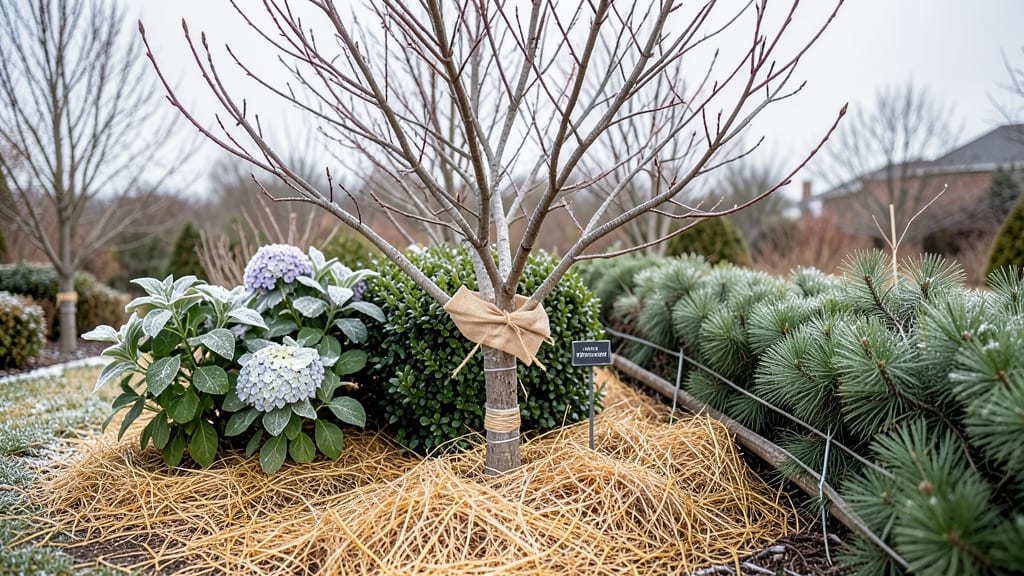
Protecting shrubs in winter isn’t about wrapping them in plastic like a mummy—it's about creating a cozy, breathable shield against harsh winds and freezing temperatures. 🌿 I learned the hard way when my hydrangeas turned into brittle sticks after a brutal January. The right technique keeps foliage protected without suffocating the plant, so it wakes up strong in spring. You'll need burlap, frost cloth, or specialty plant wraps, plus a few hours on a calm day before the first hard freeze. Mulch the base first—3-4 inches of shredded leaves or straw—to insulate roots from ground-level cold. Then wrap the shrub loosely, securing it at the base and top without squeezing branches. What you end up with is a shrub that survives sub-zero temps without browning or losing buds. The key is checking wraps every few weeks to prevent mold or rot from trapped moisture. By spring, you'll see fresh green growth where others have bare stems. Works for boxwoods, lilacs, and even tender perennials in zones 5-7. Here's how to do it right the first time.
📚 In This Guide
- What you need
- Instructions
- Tips and common mistakes
- Wrapping up and next steps
What you need
- ● Burlap or landscape fabric: 10–20 sq. ft. (depending on shrub size). Opt for breathable, 30–50% shade cloth to allow airflow while blocking wind.
- ● Garden twine or soft ties: 1–2 rolls (for securing wraps without damaging stems). Avoid wire or plastic ties—they can cut into bark!
- ● Mulch (straw, pine needles, or shredded leaves): 2–4 inches deep (spread evenly around the base, keeping it 2–3 inches away from the stem).
- ● Cardboard or foam board: 1–2 sheets (for shielding small shrubs or delicate roots from extreme cold).
- ● Plastic tree guards or spirals: 1–2 (for young or tender shrubs; wrap loosely to allow airflow).
- ● Pruners or shears: 1 pair (for trimming dead or weak branches before wrapping).
- ● Gloves and long sleeves: 1 pair each (to protect your hands from thorns and cold tools).
- ● Anti-desiccant spray (e.g., Wilt-Pruf): 1 bottle (applied before wrapping to prevent moisture loss in evergreens).
- ● Heat mats or electric cables: 1–2 (for high-value shrubs in extreme climates; bury cables 4–6 inches deep near roots).
- ● Reflective bubble wrap: 1 roll (wrap around stems for added insulation in sub-zero temps).
- ● Stakes or small wooden dowels: 2–4 (to prop up wraps and prevent them from sagging).
How to protect shrubs in winter for frost-free survival
Here's my go-to method for shielding shrubs from winter's worst—tested across multiple seasons and climates.
🌿 Step 1: Assess Your Shrubs' Cold Hardiness
First, identify which shrubs need protection by checking their USDA hardiness zones. Most evergreens (like boxwoods or junipers) and tender perennials (like hydrangeas) require extra care. Look for signs of stress—brown tips or wilting—before winter sets in. I always group shrubs by their hardiness: zones 3-5 need heavy protection, while zones 6-7 only need light wrapping.
Dig around the base to loosen soil slightly—this helps roots breathe and prevents ice damage. Water deeply before the first frost (1-2 weeks ahead) so the soil stays moist but not soggy. You'll know it's time when the ground feels cool to the touch but hasn't frozen yet.
✂️ Step 2: Prune and Clean Up Debris
Remove any dead, diseased, or crossing branches with clean, sharp pruners. This prevents pests and rot from hiding over winter. I trim back leggy growth by 1/3 to encourage bushier regrowth in spring. Avoid heavy pruning—just shape lightly to maintain the shrub's natural form.
Clear away fallen leaves and mulch from the base. Wet debris traps moisture and can cause rot or fungal issues. Sweep up any small branches or twigs that might harbor pests. Once the area is clear, spread a 2-3 inch layer of coarse mulch around the base (but not touching the trunk)—this insulates roots from freezing temperatures.
🪴 Step 3: Wrap Delicate Branches and Foliage
For shrubs with thin or flexible branches (like lilacs or roses), gently tie them together with soft twine or burlap strips to prevent wind damage. Avoid plastic wrap—it traps moisture and causes rot. Instead, use breathable materials like burlap, landscape fabric, or frost cloth to cover the foliage loosely.
Secure the wrap at the base with stakes or rocks, but leave the top open to allow some airflow. If your shrub is evergreen, focus on protecting the lower branches where snow and ice accumulate. I like to mound extra mulch around the base after wrapping—this adds an extra layer of insulation against freezing ground.
☀️ Step 4: Shield Against Wind and Snow Load
Set up a temporary windbreak if your shrubs are exposed to harsh winds. A simple fence or even a row of snow fences works. Windburn dries out foliage, making it more susceptible to cold damage. For heavy snowfall areas, gently brush snow off branches before it accumulates—6+ inches can snap weak stems.
Check your work after the first hard freeze (20-25°F) to ensure the wrap hasn’t shifted. Adjust as needed, but avoid disturbing the roots. If you notice ice forming on branches, tap it gently with a wooden stick to prevent breakage. Most shrubs can handle -10°F with proper protection, but extreme cold (-20°F or lower) may require extra insulation.
⏰ Step 5: Monitor and Adjust Through Winter
Spot-check your shrubs every 2-3 weeks during winter. Look for signs of distress—wilting, brown patches, or mold—under the wrap. If you see condensation inside the material, it’s time to loosen it slightly for better airflow. I keep a small notebook nearby to track temperatures and adjustments, which helps me refine my method each year.
Remove protective wraps as soon as spring arrives (late winter or early spring, when daytime temps rise above 40°F). Prune any damaged branches in early spring before new growth begins. With consistent care, your shrubs will bounce back stronger than ever—ready to thrive once summer returns.
Tips & tricks for protecting shrubs through winter
These practical tricks will help you shield your plants from winter's harshest elements without the guesswork.
Zone-Specific Protection: In zones 3-5, I double up on insulation—add a second layer of frost cloth over the burlap wrap during extreme cold snaps below -10°F. For zones 6-7, a single layer of frost cloth is usually sufficient, but always check your local forecast for unexpected cold snaps. This layered approach prevents frost damage while allowing airflow to prevent rot.
Timing is Everything: That 1-2 week window before the first frost is critical for deep watering. I test soil moisture by squeezing a handful—if it doesn't easily form a ball, water again. Overwatering now creates ice lenses that damage roots, while underwatering leaves plants vulnerable to winter desiccation. Aim for damp but not soggy soil.
Material Matters: Never use plastic wrap—it creates a greenhouse effect that traps moisture and promotes fungal growth. Instead, opt for breathable materials like landscape fabric or burlap that allow moisture to escape while blocking wind. I keep a stash of these materials ready in my garage for quick winter prep.
Snow Management: When snow accumulates to 6+ inches, gently brush it off branches using a broom or your hands. The weight can cause irreversible damage to weak stems. I check my shrubs after every major snowfall, especially for evergreens which can't shed snow like deciduous plants. This simple step prevents stem breakage that can take years to recover from.
Pro Tips for Protecting Shrubs In Winter
- These practical tricks will help you shield your plants from winter's harshest elements without the guesswork.
- Zone-Specific Protection: In zones 3-5, I double up on insulation—add a second layer of frost cloth over the burlap wrap during extreme cold snaps below -10°F.
- Timing is Everything: That 1-2 week window before the first frost is critical for deep watering.
Frequently asked questions
Got questions about winterizing your shrubs? You’re not alone! Here are some of the most common concerns—and straightforward answers—to help your greenery thrive even when the temperatures drop.
When is the best time to wrap or protect shrubs for winter?
Wrap shrubs after the first hard frost but before prolonged sub-freezing temps (typically late fall to early winter, depending on your climate). This gives plants time to harden off naturally while shielding them from sudden cold snaps. For tender varieties, act sooner—around mid-October in Zone 5-7.
Do I really need to wrap shrubs if they’re cold-hardy?
Cold-hardy shrubs (like boxwoods or potentilla) often survive without wrapping, but protection still helps in extreme cold (<10°F) or windy conditions. Use burlap or frost cloth for extra insulation, especially for young plants or those in exposed areas. Think of it as a cozy blanket for vulnerable spots!
Can I reuse last year’s burlap or frost cloth?
Clean, dry burlap or frost cloth can be reused for 3–5 seasons if stored properly (folded in a dry, shaded spot). Just shake off debris and inspect for holes before rewrapping. Avoid plastic sheets—trapped moisture can rot stems. Pro tip: Disinfect with a vinegar spray if mold appears.
What if my wrapped shrubs look moldy or damp in spring?
Remove wraps early spring (as soon as temps stabilize above freezing) to prevent mold. If you spot fungus, unwrap, trim affected areas, and spray with a copper fungicide. Ensure good airflow by loosely wrapping and securing with clips—not tight knots. A quick morning shake of excess water helps too!
Are there alternatives to traditional wrapping for small shrubs?
Yes! For small or delicate shrubs, try:
- Straw mulch: Pile 4–6 inches around the base (avoid touching stems).
- Evergreen branches: Create a "teepee" over top for windbreak.
- Snow shields: Use wire hoops covered with fabric to trap snow for insulation.
- Pot-in-pot method: Bury containers in the ground and lift them during freezes (great for potted shrubs!).
What’s the fastest way to fix frost damage on shrubs?
If you spot blackened or mushy stems, prune damaged areas with sterilized shears to healthy tissue. Apply a balanced fertilizer in early spring to encourage regrowth. For severe damage, consider root hormone powder on cut stems. Patience is key—some shrubs rebound slowly!
Wrapping up and next steps
Protecting your shrubs this winter doesn’t have to be a chore—just a few thoughtful steps can make all the difference! 🌱 By choosing the right materials, wrapping techniques, and timing, you’ll give your plants the best chance to thrive when spring arrives. Now’s the time to act: grab those supplies, inspect your shrubs, and wrap them up before the first hard frost hits.
Your future blooms will thank you!
🌿 Next Steps:
- Check your supplies—do you have everything on your list?
- Pick a calm day to wrap your shrubs for safety and ease.
- Monitor the weather and adjust as needed—your shrubs are counting on you!