
Pruning
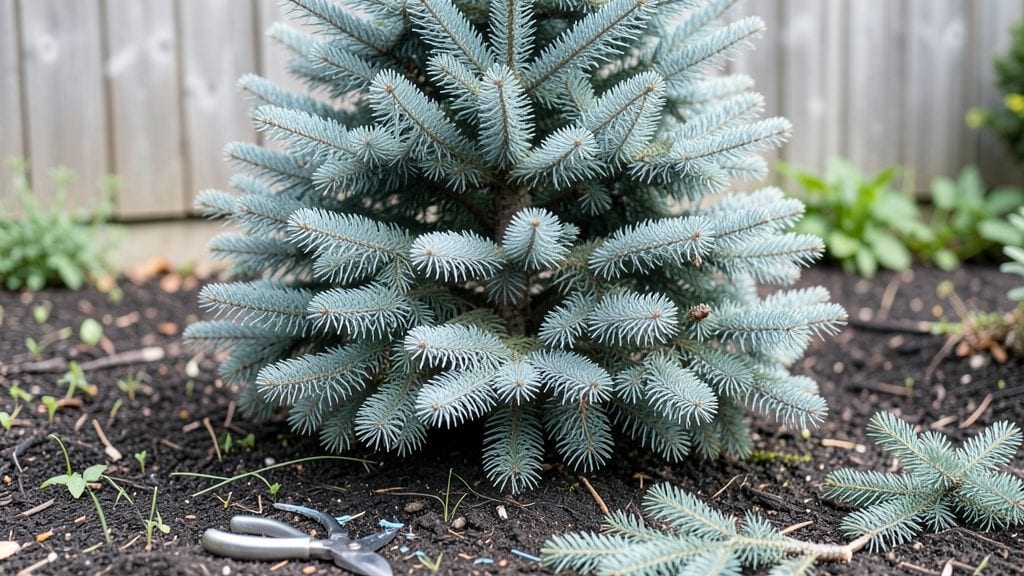
Pruning blue spruce shrubs keeps them looking sharp and healthy for decades—if you do it right. ✂️ I’ve seen these evergreens go from scraggly to showstopping just by following a few key rules, and the best part is you can shape them year-round with the right approach.
The secret isn’t aggressive trimming—it’s strategic cuts that encourage dense growth while preserving that signature blue hue. You’ll need sharp bypass pruners, a ladder for taller trees, and a clear plan for where to cut.
Most people over-prune, which weakens the tree, so we’ll focus on removing only what’s necessary: dead branches, overgrowth, and misplaced limbs.
By the time you’re done, your spruce will have a fuller silhouette, fewer brown patches, and a stronger structure to handle winter winds. The key is working with the natural shape of the tree, not fighting it.
You’ll see the difference in just a few seasons—thicker branches, vibrant color, and a tree that stands out in any landscape.
This works for all blue spruce varieties, whether you’ve got a mature 20-footer or a young sapling. The same principles apply, just scaled to size. Let’s get those branches looking intentional again.
📚 In This Guide
- What you need
- Instructions
- Tips and common mistakes
- Wrapping up and next steps
What you need
- ● Pruning shears: Bypass pruners (sharp, 6–8" blades) for small branches. Pro tip: Disinfect with rubbing alcohol before and after use to prevent disease spread! 💡
- ● Loppers: 1 pair (8–12" blades) for thicker branches (½"–1.5" diameter). Look for ratchet-style loppers for extra leverage.
- ● Pruning saw: 1 handheld saw (8–10" blade) for branches >1.5" thick. Bow saws work best for spruce.
- ● Ladder: Extendable or step ladder (12–16 ft tall) for hard-to-reach branches. Safety first: Use a sturdy, non-slip model with stabilizers!
- ● Heavy-duty gloves: 1 pair (cut-resistant, like mechanics’ gloves) to protect against splinters and sap.
- ● Safety glasses: 1 pair to shield eyes from debris.
- ● Disposable pruning bags: 1–2 (10–20 gallon) for collecting branches and clippings.
- ● Rake or broom: 1 to clear fallen needles and debris post-pruning.
- ● Hand pruners: Small, ergonomic shears for delicate trimming of fine branches.
- ● Tree pole pruner: Extendable tool (10–20 ft) for high branches—no ladder needed!
- ● Hose or spray bottle: To rinse off sap from tools after use.
- ○ Pruning sealant: (Optional) For sealing large cuts (>½") to prevent disease. Choose a water-based option for easy application.
- ● Notebook & pen: To jot down notes on growth patterns or pruning plans.
- ● Timing: Prune in late winter/early spring (before new growth) or summer (avoid heavy pruning in fall/winter).
- ● Weather: Choose a dry, overcast day to minimize stress on the shrub.
- ● Safety check: Ensure the area is free of tripping hazards (e.g., hoses, toys).
- ● Hydration: Keep water nearby—pruning is hard work!
Step-by-step instructions for pruning blue spruce shrubs
Here's the method I've used for years to keep blue spruce looking sharp while preserving their natural beauty.
✂️ Step 1: Assess the Shrub and Plan Your Cuts
Start by examining your blue spruce from all angles—look for dead branches, overgrowth, or areas where the shape has become uneven. Healthy branches have a vibrant blue-green hue and firm texture, while dead wood appears brown, brittle, or hollow when tapped. I always prune on a dry day, as wet needles can make cuts look messy and increase disease risk.
Use a sharp pair of bypass pruners to make clean cuts just outside the branch collar, where the branch meets the trunk. This ensures the wound heals properly and prevents unsightly stubs. Sketch a rough outline of where you'll make cuts if the shrub is large—this keeps you focused and prevents over-pruning.
✂️ Step 2: Remove Dead or Damaged Branches First
Dead branches are the first to go—they drain energy from the shrub and can harbor pests. Cut them back to the main trunk or a healthy lateral branch, making sure your cut is angled slightly away from the trunk to allow water to run off. If a branch is larger than 2 inches in diameter, use a pruning saw instead of bypass pruners to avoid tearing the bark.
Next, address any branches that are crossing or rubbing against others. These create wounds that can invite disease or pests. Thin out the weaker of the two branches at its point of origin. Remember, blue spruce are naturally dense, so avoid removing more than 25% of the foliage in one session—this keeps the shrub healthy and prevents shock.
✂️ Step 3: Shape the Shrub Gradually Over Time
For shaping, focus on refining the natural form rather than forcing an unnatural shape. Use hand pruners to trim back the tips of branches that are growing too long or out of place. Cut just above a set of healthy needles or a lateral branch to encourage fuller growth. I like to step back every few cuts to check the balance—this helps me avoid over-trimming one side.
If your blue spruce has become too wide, you can selectively thin out the interior branches to improve airflow and sunlight penetration. This is especially important for mature shrubs, where dense growth can lead to fungal issues. Never shear blue spruce like a hedge—shearing removes too much foliage and can damage the delicate branch tips.
✂️ Step 4: Clean Up and Monitor Recovery
After pruning, remove all cuttings and debris from the area to prevent disease spread. Disinfect your pruning tools with rubbing alcohol between cuts on different shrubs to avoid transferring pathogens. Water the base of the shrub lightly if the weather is particularly dry, but avoid overwatering, which can stress the plant.
Watch the shrub over the next few weeks for signs of stress, like yellowing needles or stunted growth. If you see new growth emerging from the cut areas, your pruning was successful. Blue spruce are resilient, but they recover best when pruned in late winter or early spring, just as new growth begins. Avoid heavy pruning in fall, as it can leave the shrub vulnerable to winter damage.
⏰ Step 5: Schedule Regular Maintenance
Blue spruce benefit from light pruning once or twice a year—early spring and mid-summer are ideal. In spring, focus on shaping and removing dead wood, while summer pruning helps control growth and maintain the desired form. I always prune after a rain shower when the soil is moist, as this reduces stress on the plant.
For young blue spruce, limit pruning to just removing dead branches until the shrub is 3-5 years old. Mature shrubs can handle more aggressive shaping, but always prune with the goal of maintaining the natural, elegant silhouette. With consistent care, your blue spruce will stay healthy, vibrant, and a standout feature in your landscape for decades.
Tips & tricks for perfect blue spruce pruning
These essential techniques will help you maintain your blue spruce's natural beauty while keeping it healthy for years to come.
Tool Selection Matters: Never use dull or dirty pruners—they tear bark and create jagged wounds that heal poorly. I invest in high-quality bypass pruners for clean cuts and always disinfect them with rubbing alcohol between cuts on different shrubs. For branches larger than 2 inches, a pruning saw is essential to avoid damaging the bark. Sharp tools make all the difference in how well your blue spruce recovers.
Seasonal Timing is Critical: The instructions emphasize late winter or early spring pruning, and I can't stress this enough—this timing aligns with the shrub's natural growth cycle. Avoid fall pruning entirely, as it leaves the plant vulnerable to winter stress. If you must prune in summer, do it in mid-summer to give the shrub time to recover before winter. The 3-5 year rule for young spruce is particularly important—they're still establishing their root systems.
Visual Pruning Technique: When shaping in Step 3, I recommend using the "step back method"—after every few cuts, take 3-5 steps back to view the shrub as a whole. This helps you maintain balance and avoid over-trimming one side. Look for the natural pyramid shape of blue spruce—they grow wider at the base and taper toward the top. Preserving this silhouette is key to their elegant appearance.
Recovery Monitoring: After pruning, watch for new growth emerging from cut areas within 2-3 weeks. This is your sign that the shrub is healing properly. If you notice yellowing needles or stunted growth, it may indicate over-pruning or stress. In such cases, reduce watering slightly and avoid any further pruning until the shrub shows signs of recovery. Patience is crucial—blue spruce are resilient but need time to bounce back.
Pro Tips for Pruning Blue Spruce Shrubs
- These essential techniques will help you maintain your blue spruce's natural beauty while keeping it healthy for years to come.
- Tool Selection Matters: Never use dull or dirty pruners—they tear bark and create jagged wounds that heal poorly.
- Seasonal Timing is Critical: The instructions emphasize late winter or early spring pruning, and I can't stress this enough—this timing aligns with the shrub's natural growth cycle.
Frequently asked questions
Got questions about keeping your Picea pungens (blue spruce) looking its best? You’re not alone! Here are answers to the most common concerns—plus a few pro tips to avoid pruning pitfalls.
When is the best time to prune blue spruce shrubs?
The ideal window is late winter or early spring (February–March), just before new growth starts. This minimizes stress and lets the tree focus on recovery. Avoid heavy pruning in fall—it can stimulate tender growth that may not survive winter. Light shaping (like removing dead branches) can be done anytime, but avoid major cuts during heatwaves or drought.
How much can I trim without harming my blue spruce?
Never remove more than 25–30% of the foliage in a single session—this rule protects the tree’s health. For mature spruces, focus on selective pruning: trim only dead, diseased, or overcrowded branches. Over-pruning can expose the center to sunburn or weaken the tree’s structure. Thin out (rather than shear) to improve airflow and light penetration.
What if my blue spruce looks “bald” after pruning?
Bald spots often mean over-trimming or uneven cuts. If you’ve already pruned too much, stop immediately—the tree will recover slowly. For future pruning, use hand pruners for precision and avoid power shears, which can create jagged wounds. Fertilize lightly with a balanced 10-10-10 mix in spring to support regrowth.
Can I shape a blue spruce like a formal hedge?
Blue spruces can be shaped into hedges, but they’re not ideal candidates like boxwoods or yews. Their natural growth is pyramidal and sparse, so shearing will create a dense, unnatural look. If you want a hedge, plant closely spaced spruces (3–4 feet apart) and lightly trim the sides to encourage bushiness—never shear the top.
Why are my spruce branches turning brown after pruning?
Brown needles after pruning usually signal one of three issues:
- Sunburn: Over-pruning exposed inner branches to harsh light. Solution: Prune gradually or use shade cloth temporarily.
- Drought stress: The tree didn’t have enough water post-pruning. Solution: Deep-water the root zone (1–2 inches per week).
- Pest/disease: Check for spider mites or fungal spots. Solution: Spray with neem oil or a fungicide if needed.
If only individual branches are browning, they’re likely dead—prune them off at the base.
Pro Tip: Pruning for Blue Spruce Health
Use sterilized tools (rubbing alcohol or bleach) to prevent spreading disease. Seal large cuts (over ½ inch) with pruning sealant to reduce rot risk. And remember: Patience is key—blue spruces grow slowly, so prune lightly and often rather than aggressively once a year.
Wrapping up and next steps
Pruning your blue spruce shrubs doesn’t have to be intimidating—it’s all about timing, technique, and a little patience! 🌲 By following seasonal guidelines, using the right tools, and keeping safety top of mind, you’ll help your trees thrive for years to come.
Whether you’re trimming for shape, health, or aesthetics, consistent care is the key to stunning, vibrant foliage.
Ready to give your blue spruces the TLC they deserve? Grab your pruners, mark your calendar, and start small—your garden will thank you! For extra confidence, watch a quick tutorial or join a local gardening group to swap tips with fellow enthusiasts. Happy pruning! ✂️💚