
Pruning
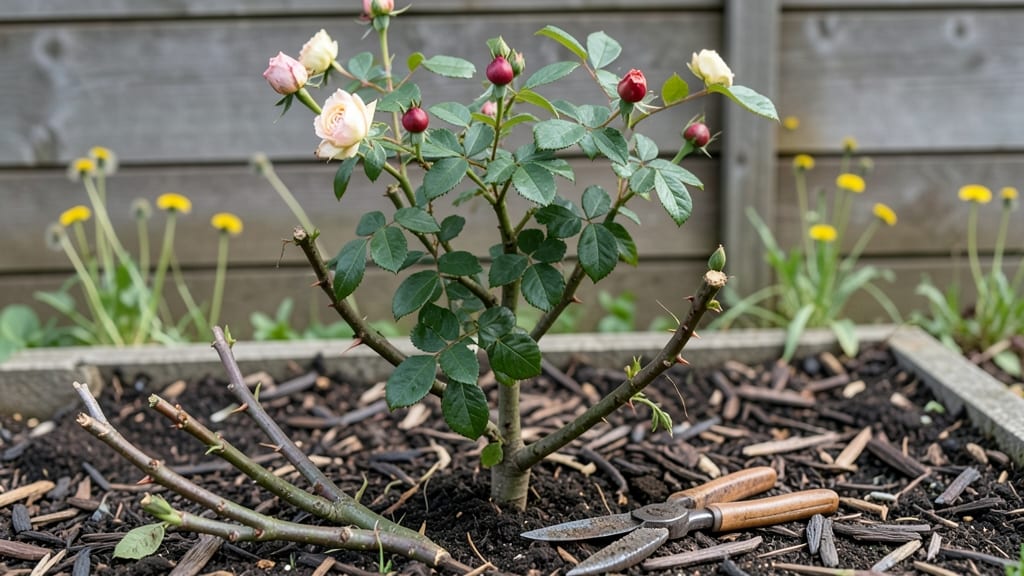
Pruning shrub roses transforms them from tangled messes into vibrant, blooming powerhouses—and it’s simpler than you think. ✂️ I’ve pruned my own shrub roses for years, and the difference between a well-maintained bush and one left to its own devices is night and day.
The key isn’t complexity; it’s timing, sharp cuts, and knowing where to stop.
You only need three tools: a pair of clean bypass pruners, sharp loppers for thicker stems, and a bottle of rubbing alcohol to disinfect cuts. Most people overthink it—just focus on removing dead wood first, then thinning out crowded branches to let light and air reach the center.
The goal is to encourage new growth where blooms will form, not to turn your rose into a topiary masterpiece.
After pruning, your shrub roses will reward you with healthier stems, more flowers, and better air circulation—which means fewer diseases. I’ve seen bushes go from sparse blooms to bursting with color in just one season after proper pruning.
The best part? You can spread this out over late winter through early spring, so it never feels overwhelming.
Even in hotter climates like Zone 8, the same principles apply—just adjust timing to avoid summer heat stress. Let’s get those roses looking like they belong in a botanical garden, not a jungle. Here’s exactly how to do it step by step.
📚 In This Guide
- What you need
- Instructions
- Tips and common mistakes
- Wrapping up and next steps
What you need
- ● Pruning shears or secateurs – Choose bypass pruners (sharp, clean blades) for clean cuts. A 10-12 inch size works best for most shrub roses.
- ● Loppers – For thicker branches (½ inch or larger), opt for bypass-style loppers with a 20-24 inch reach.
- ○ Hand pruners (optional but helpful) – For finer cuts on smaller stems.
- ● Disinfectant (70% isopropyl alcohol or bleach solution) – 1 part bleach to 9 parts water to sterilize tools between cuts and prevent disease spread.
- ● Garden gloves – Heavy-duty, cut-resistant to protect your hands from thorns and sharp tools.
- ● Rake or broom – To clean up pruned debris and fallen petals afterward.
- ○ Pruning sealant (optional but recommended for large cuts) – A tree wound sealant to protect exposed wood from pests and disease.
- ● Pruning saw – For very thick branches (over 1 inch in diameter) that loppers can’t handle.
- ● Knee pads or stool – If your shrub roses are tall or ground-level pruning is uncomfortable.
- ● Garden twine or labels – To mark branches you’re unsure about before cutting.
- ● Compost bin or bag – To dispose of pruned debris responsibly (avoid composting diseased branches).
Instructions for pruning shrub roses
Here's the straightforward approach I use to keep my shrub roses blooming beautifully all season long.
✂️ Step 1: Clean Up Dead and Diseased Wood First
Grab your pruning shears and start by removing any dead, diseased, or crossing branches. Look for stems that are brown inside when you cut them—these are dead and need to go. You'll also spot branches rubbing against each other or growing inward; these compete for energy and should be cut back to the base.
Make your cuts at a 45-degree angle about ¼ inch above an outward-facing bud. This ensures water runs off the cut and new growth emerges outward. I always sterilize my shears with rubbing alcohol between cuts to prevent spreading disease from one branch to another.
✂️ Step 2: Shape the Shrub for Airflow and Light
Next, step back and visualize the shrub's natural shape. Shrub roses thrive when they have good airflow and light penetration to all parts. Remove any branches growing straight inward or downward—they'll never get enough sun. Cut these back to a strong outward-facing bud or to the main stem.
For thicker growth, thin out the center of the shrub by removing about one-third of the oldest wood. This encourages new growth at the base and keeps the center from becoming too dense. You'll see the shrub open up and look more balanced after this step.
✂️ Step 3: Prune for Continuous Blooming
Shrub roses bloom on both old and new wood, so you can be a little more aggressive with pruning. Cut back about one-third of the oldest stems to the ground to encourage vigorous new growth. For the remaining stems, trim back to 12-18 inches tall, leaving 3-5 strong buds on each.
This step is where you'll see the most dramatic change. The plant will respond by sending out fresh, healthy shoots from the base and along the remaining stems. Watch for new buds forming within 2-3 weeks—that's your sign the pruning worked.
✂️ Step 4: Light Maintenance Pruning Throughout the Season
After your initial pruning, keep an eye on your shrub roses and do light maintenance cuts as needed. Remove any dead blooms or spent flowers by cutting just above the first set of healthy leaves. This encourages the plant to produce more blooms instead of setting seed.
In late summer, give the shrub one final light pruning to remove any weak or crossing branches. This keeps the plant tidy and prepares it for winter. You'll notice fewer leaves dropping in fall and a stronger plant come spring.
⏰ Step 5: Clean Up and Prepare for Next Season
Once all pruning is done, gather up all the clippings and dispose of them properly. Don't compost diseased wood—burn it or throw it away to prevent spreading disease to other plants. Clean your pruning tools thoroughly with rubbing alcohol and store them in a dry place.
Apply a 2-3 inch layer of mulch around the base of the shrub to protect roots from temperature swings. This is the final step, but it's crucial for keeping your shrub roses healthy and blooming year after year. You'll see the difference in next season's growth and flower production.
Tips & tricks for pruning shrub roses
Here's what nobody tells you about transforming your shrub roses with just a few simple cuts—these tricks make all the difference between a decent-looking bush and one that bursts with blooms all season.
The Angle Matters: When you make those 45-degree cuts in Step 1, think of it like directing traffic—water needs to run off the cut, not pool inside. That little angle above the outward-facing bud isn't just decoration; it's what tells your rose where to send its energy for new growth. I've seen people skip this detail and end up with weak, waterlogged cuts that invite disease. Trust me on this: take the extra second to angle it right.
Bud Count is Your Compass: In Step 3, leaving 3-5 strong buds on each remaining stem isn't arbitrary—it's about balance. Too few buds means sparse blooms, too many means crowded stems that compete for resources. I learned this the hard way after pruning too aggressively one spring and watching my roses put all their energy into leaves instead of flowers. Count those buds like you're counting gold coins—you want just enough to create abundance without overburdening the plant.
Timing Secret for New Buds: That 2-3 week window in Step 3 when you should see new buds forming is your progress report from the plant. If you don't see buds appearing within that timeframe, check your cuts—you might have pruned too late in the season or missed some hidden buds. I always mark the date on my calendar after Step 3 so I can track this milestone. It's like waiting for a letter you're really hoping to receive.
Mulch Magic: The 2-3 inch layer of mulch in Step 5 isn't just for looks—it's your rose's winter blanket and summer air conditioner. In hot weather, it keeps roots cool; in cold snaps, it insulates them. I've noticed my roses that get proper mulching bloom a full two weeks earlier in spring than those without. Plus, that mulch breaks down slowly, feeding your plant all season long. Don't skimp here—think of it as an investment in next year's blooms.
Pro Tips for Pruning Shrub Roses
- Here's what nobody tells you about transforming your shrub roses with just a few simple cuts—these tricks make all the difference between a decent-looking bush and one that bursts with blooms all season.
- The Angle Matters: When you make those 45-degree cuts in Step 1, think of it like directing traffic—water needs to run off the cut, not pool inside.
- Bud Count is Your Compass: In Step 3, leaving 3-5 strong buds on each remaining stem isn't arbitrary—it's about balance.
Frequently asked questions
Got questions about pruning shrub roses? You’re not alone! Here are answers to the most common concerns—so you can confidently shape your roses for year-round blooms.
When is the best time to prune shrub roses?
Prune shrub roses in late winter or early spring (before new growth starts) for the best results. A light pruning in summer (after blooming) can encourage more flowers. Avoid heavy pruning in fall—it can stress the plant before winter. Think of it like giving your roses a fresh haircut at the right time!
How much should I cut back my shrub rose?
Start by removing dead, diseased, or crossing branches first. Then, cut back 1/3 to 1/2 of the plant’s height to an outward-facing bud. Avoid over-pruning—shrub roses are hardy and bounce back well, but drastic cuts can delay blooming. Never cut into old wood (gray/brown stems), as it won’t regrow.
Will pruning my shrub rose reduce future flowers?
Not if done right! Proper pruning promotes more blooms by improving airflow and sunlight. Shrub roses bloom on new wood, so cutting back encourages fresh growth. Just avoid top-heavy cuts—always prune at a 45-degree angle above a bud to guide healthy regrowth. Patience pays off with bigger, bushier blooms!
What if my shrub rose doesn’t bloom after pruning?
Check these fixes:
- Location: Ensure it gets 6+ hours of sunlight daily.
- Watering: Keep soil consistently moist (not soggy).
- Fertilizer: Use a balanced rose fertilizer in spring.
- Pests/Disease: Inspect for aphids, black spot, or cankers—treat with neem oil or fungicide if needed.
Can I prune shrub roses in containers differently?
Container-grown shrub roses follow the same rules, but watch for root-bound stress. Prune lightly in spring and summer to prevent overcrowding. Since containers dry out faster, water deeply after pruning and refresh mulch to retain moisture. Rotate pots occasionally for even growth—roots love exploring!
Wrapping up and next steps
Pruning your shrub roses doesn’t have to be intimidating—just a few strategic cuts can transform your garden into a year-round blooming paradise! 🌸 By following the right techniques at the right time, you’ll encourage healthier growth, more vibrant flowers, and easier maintenance.
Now that you’re armed with the knowledge, grab those pruners and get ready to give your roses the care they deserve.
Ready to take the next step? Start with just one rose bush this season—watch it thrive, then expand your pruning skills to the whole garden. Happy gardening!