
Pruning
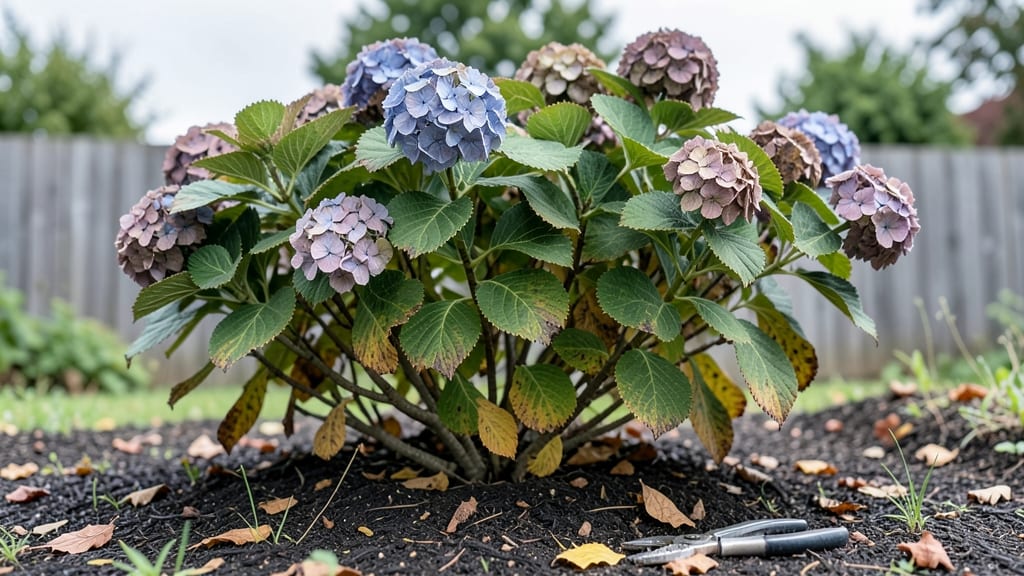
Autumn pruning shrubs transforms next year’s growth before the first frost hits. ✨ I’ve spent years watching shrubs struggle after winter—until I learned these four cuts that actually help, not harm. The key is timing: prune after blooming shrubs finish their show, but before hard freezes lock in dormancy.
Most people overthink this—you don’t need fancy tools or a degree in horticulture. Grab sharp pruners, a bucket for clippings, and a clear day when temps hover in the 50s.
Focus on removing dead wood, thinning crowded branches, and shaping for airflow. My hydrangeas now bloom bigger every spring because of this simple routine.
You’ll end up with shrubs that bounce back stronger, resist disease better, and look intentional all season. The right cuts encourage fresh growth while preventing winter damage. Even my black thumb can’t mess this up—it’s that straightforward.
Works for temperate zones (like mine) and cold climates too—just adjust timing. Let’s get those shrubs ready for winter the smart way.
📚 In This Guide
- What you need
- Instructions
- Tips and common mistakes
- Wrapping up and next steps
What you need
- ● Gear up for a smooth pruning session with these essential tools and materials—whether you're a seasoned gardener or a newbie! Here’s what you’ll need to tackle autumn shrub pruning like a pro:
- ● Pro tip: 💡 Sterilize tools before and after pruning to prevent the spread of disease between plants!
Instructions for pruning shrubs in autumn
Here’s how to refresh your shrubs for next year’s growth—just four clean cuts to keep them thriving.
✂️ Step 1: Remove Dead or Diseased Branches First
Start by scanning each shrub for branches that are brown, brittle, or showing signs of disease—like black spots, mold, or unusual growths. Grab your pruning shears and cut these branches back to the nearest healthy growth point or the main stem. You’ll know you’ve gone far enough when you see fresh green tissue or a small bud.
This isn’t just about looks—removing dead wood prevents pests and diseases from taking hold over winter. If a branch is too thick for your shears, switch to your loppers and make the cut at a slight angle, about ¼ inch above a bud. Always sterilize your tools between cuts with rubbing alcohol to avoid spreading anything unwanted.
✂️ Step 2: Thin Out Overcrowded Areas
Next, focus on the interior of the shrub where branches might be rubbing against each other or growing inward. These crowded spots create weak points and invite disease. Use your shears to trim back the thickest branches first, cutting them all the way back to the main stem or a strong lateral branch.
You’ll notice the shrub’s center opening up, letting more light and air flow through. This step is especially important for dense shrubs like boxwood or holly. Aim to remove about 20-30% of the oldest wood—this keeps the plant balanced and encourages new growth in spring. If you’re unsure, less is always better; you can always trim more later.
✂️ Step 3: Shape the Outer Form
Now for the fun part—giving your shrub its signature shape. Step back and imagine how you want it to look in a few months. For rounded shrubs, cut back the longest branches to encourage a fuller form. For more structured shapes, like hedges, trim the outer edges to maintain clean lines. Always cut just above a bud or leaf node, angling the cut slightly away from the bud to help water run off.
If your shrub is flowering in spring, avoid heavy pruning now—focus on light shaping to keep the natural form. For fall-blooming shrubs, like hydrangeas, you can be a little bolder with shaping. Just remember: the goal is to enhance the plant’s natural beauty, not turn it into something it’s not. A little asymmetry often looks more natural and healthy.
✂️ Step 4: Clean Up and Mulch
Once you’ve finished trimming, gather all the clippings and dispose of them properly. If they’re disease-free, you can shred them for mulch or compost. If they’re infected, bag them up and toss them in the trash to prevent spreading spores. Sweep up any fallen leaves or debris from around the base of the shrub—this keeps pests and diseases at bay.
Now’s the time to add a fresh layer of mulch around the base, using the 2-3 inches of organic mulch you’ve set aside. Keep it a few inches away from the trunk to prevent rot. Mulching now helps insulate the roots over winter and retains moisture for early spring growth. Water the base lightly after mulching to settle everything in.
Tips & tricks for perfect autumn shrub pruning
These simple tricks will help you achieve professional-looking results without the guesswork—your shrubs will thank you next spring.
Tool Prep is Everything: Before you even touch a branch, sharpen your pruning shears and loppers with a file or sharpening stone. Dull tools crush stems instead of making clean cuts, which can damage the plant and invite disease. I also keep a small bottle of rubbing alcohol handy to sterilize tools between cuts—this prevents spreading any potential infections from diseased branches to healthy ones. Trust me on this: a few minutes of prep saves hours of cleanup later.
Bud Direction Matters: When you make your cuts in Step 3, pay attention to which way the bud is facing. Always cut just above a bud that's growing outward from the center of the shrub. This encourages growth in the direction you want while maintaining the plant's natural shape. If you're unsure which way the bud faces, look for the small bump where the leaf or branch emerges—this is your guide.
Seasonal Timing Secret: Autumn is actually one of the best times to prune because many shrubs enter a dormant phase. This means they're less stressed by pruning and can focus their energy on root development over winter. Just avoid pruning too late in the season—aim to finish by early November before the first hard frost. The cooler temperatures also mean less stress on the plant compared to summer pruning.
Mulch Like a Pro: That 2-3 inches of organic mulch isn't just decoration—it's insulation for your shrub's roots. Use coarse mulch like wood chips or shredded bark to prevent it from packing down too tightly. Keep it several inches away from the trunk to prevent rot, and consider adding a layer of straw or leaves on top for extra winter protection in colder climates. This simple step can make all the difference in spring growth.
Pro Tips for Pruning Shrubs In Autumn
- These simple tricks will help you achieve professional-looking results without the guesswork—your shrubs will thank you next spring.
- Tool Prep is Everything: Before you even touch a branch, sharpen your pruning shears and loppers with a file or sharpening stone.
- Bud Direction Matters: When you make your cuts in Step 3, pay attention to which way the bud is facing.
Frequently asked questions
Got questions about pruning shrubs in autumn? You’re not alone! Here are some of the most common concerns—and their answers—to help you tackle the task with confidence.
When is the exact best time to prune shrubs in autumn?
The ideal window is after the first hard frost (when plants enter dormancy) but before the ground freezes. For most shrubs, this means late October to November. Evergreens like boxwoods or holly can wait until early winter, while spring-blooming shrubs (like lilacs) should be pruned after they bloom next year.
Do I need special tools for autumn pruning?
Not necessarily! A sharp pair of bypass pruners (for small branches) and loppers (for thicker stems) are essential. For larger shrubs, a handsaw or pruning saw may help. Pro tip: Disinfect tools with rubbing alcohol between cuts to prevent disease spread. Avoid hedge trimmers unless you’re shaping hedges—over-trimming can stress shrubs.
What if I prune too late in autumn? Will my shrubs die?
Late pruning won’t kill healthy shrubs, but it can leave them vulnerable to winter damage or pests. If you miss the autumn window, wait until early spring (before buds swell) to prune. Focus on removing only dead or diseased branches to minimize stress. Exception: Evergreens can handle light pruning even in winter.
Can I prune flowering shrubs in autumn if they bloom in spring?
Yes! Spring-blooming shrubs (like forsythia or azalea) should be pruned in late winter or early spring after they flower. Autumn is a great time to lightly shape them or remove dead wood—just avoid heavy cuts. Wait for next year’s blooms to guide your pruning schedule.
What’s the difference between “pruning” and “shearing” shrubs?
Pruning involves selective cutting to improve health, shape, or airflow (e.g., removing dead branches or thinning out growth). Shearing uses hedge trimmers for a uniform look, but it can harm shrubs if overdone. For most shrubs, pruning is better—save shearing for formal hedges like boxwoods or yews.
Bonus Tip:
If you’re unsure about a shrub’s needs, snap a photo and compare it to your local nursery’s pruning guide. Many shrubs have specific timing or techniques—when in doubt, prune less than you think you should!
Wrapping up and next steps
Autumn pruning isn’t just about tidying up your garden—it’s a game-changer for your shrubs’ long-term health and beauty! 🌿 With the right cuts and timing, you’ll set the stage for vibrant blooms, stronger growth, and fewer pests next season. Remember: sharp tools, clean cuts, and a little patience go a long way.
Ready to level up your shrub care? Grab those pruners and start with just one or two shrubs this weekend—you’ll see (and feel!) the difference. Pro tip: Snap a before-and-after photo to track your progress! 📸✨
Next up: Explore our seasonal pruning calendar to keep your garden thriving year-round!