
Shrubs
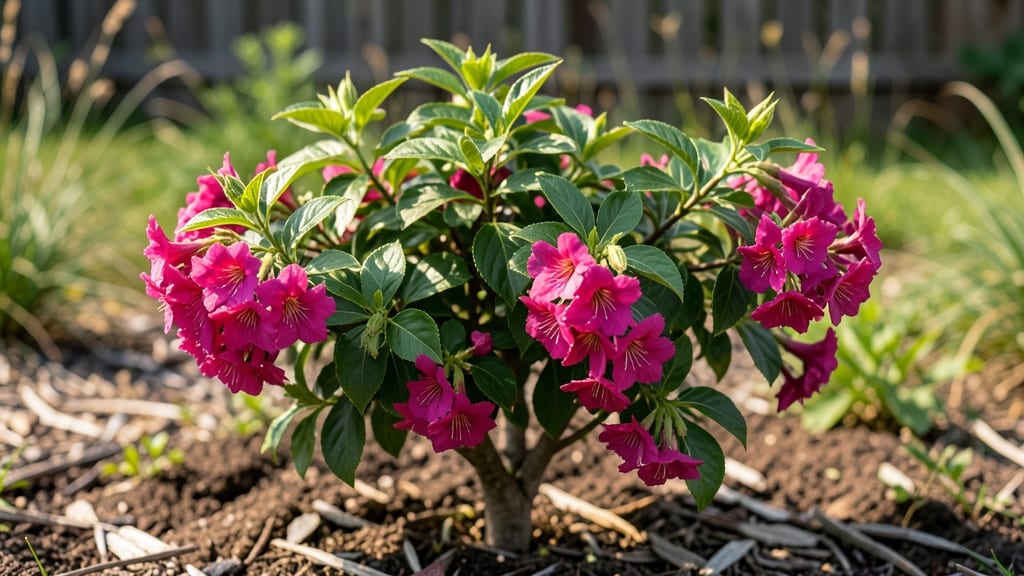
Mastering the purple flowering shrubs identification transforms your garden from ordinary to extraordinary. ✨ Those deep violet blooms aren't just pretty—they're the secret weapon for creating drama, texture, and year-round interest in any landscape.
I've spent years tracking which varieties thrive in my zone, and the difference they make in curb appeal is night and day.
The magic happens when you pair them right: lavender-blue shrubs like butterfly bush next to rich purple hydrangeas creates a stunning contrast, while soft lilac tones blend beautifully with white blooms. Most bloom in spring or summer, but some like abutilon give you color well into fall.
The key is matching their mature size to your space—tall varieties make bold focal points, while compact ones work perfectly for hedges or borders.
Once you know what you're working with, maintenance becomes simple. Most just need pruning after blooming and well-draining soil, though hydrangeas love a little extra moisture.
The payoff? A garden that looks like it belongs in a magazine, with vibrant blooms that turn heads all season long. Let's get those purple powerhouses identified!
Bonus tip: Morning sun brings out the deepest colors in most purple shrubs, while afternoon shade prevents fading. For maximum impact, plant them where they'll get plenty of reflective light—near pathways or patios where you'll see them every day. Your neighbors will be asking for your secret!
📚 In This Guide
- What you need
- Instructions
- Tips and common mistakes
- Wrapping up and next steps
What you need
- ● Field Guide or Plant Identification App: A printed guide (like Shrubs of North America) or a trusted app (e.g., PictureThis, PlantNet, or iNaturalist) for visual and botanical reference.
- ● Magnifying Glass (10x or higher): Essential for inspecting leaf shapes, flower structures, and bark textures up close.
- ● Notebook & Pen: To jot down observations like flower color variations, leaf arrangement, and growth habits.
- ● Measuring Tape (6-inch or 1-meter): For recording shrub height, width, and spacing in your garden.
- ● Pruning Shears (Bypass Type): Sharp, clean shears (e.g., Fiskars or Felco) for collecting small samples or trimming.
- ● Camera or Smartphone: With a macro lens or high-resolution camera for detailed photos of flowers, leaves, and bark.
- ● Gloves (Garden or Work Gloves): To protect your hands from thorns or rough foliage (e.g., thorny honeysuckle or butterfly bush).
- ○ Small Shovel or Trowel: For gently digging up root samples if needed (optional but helpful for tough IDs).
- ● Hand Lens with Light: For late-afternoon or shaded areas where natural light is limited.
- ● Moisture Meter: To check soil conditions—some purple shrubs (like lilacs) prefer well-drained soil.
- ● pH Test Kit: To determine soil acidity (e.g., azaleas thrive in acidic soil, pH 4.5–6.0).
- ● Portable UV Light: Some flowers (like coral bells) reveal hidden patterns under UV light.
- ● Local Gardening Forum or Facebook Group: For crowdsourcing IDs with fellow plant enthusiasts!
How to identify purple flowering shrubs in your landscape
Mastering these visual cues will turn your garden walks into a colorful discovery tour.
🌿 Step 1: Observe Flower Color and Shape First
Start by examining the actual blooms—purple flowering shrubs come in deep violet, lavender, and mauve shades, often with contrasting centers. The clematis family, for example, features bell-shaped flowers, while weigela showcases trumpet-shaped blooms. Look for double petals in varieties like lilac, which creates a layered, almost ruffled appearance.
Here's the thing—some purples can fool you. Bluebeard (Caryopteris) has tiny lavender-blue flowers that may appear grayish up close, while butterfly bush (Buddleia) displays spiky, cone-shaped clusters that look purple from a distance but reveal individual white or pale yellow flowers upon closer inspection. I always bring a magnifying glass on my first walkthrough to avoid misidentification.
🌿 Step 2: Examine Leaf Structure and Arrangement
Leaf shape and arrangement narrow down possibilities dramatically. Oakleaf hydrangea has lobed leaves resembling miniature oak leaves, while crape myrtle features willow-like, lance-shaped leaves in clusters. Pay attention to whether leaves are simple (single leaf) or compound (multiple leaflets)—wisteria has compound leaves with 5-13 leaflets arranged in pairs.
Don't overlook leaf texture either. Smokebush (Cotinus) has soft, fuzzy foliage that gives it a silvery-blue cast, while abelia features leathery, elliptical leaves with smooth edges. I run my fingers over the leaves to feel the texture—this simple sensory check eliminates half the possibilities immediately.
🌿 Step 3: Check for Distinctive Growth Habits
Purple flowering shrubs vary wildly in growth patterns. Climbing varieties like purple wisteria need support structures, while mounding shrubs like butterfly bush spread horizontally. Tree-like shrubs such as crape myrtle develop a single main trunk with multiple branches, while multi-stemmed shrubs like weigela grow in clusters from the base.
Look for thorns or spines—purple barberry has sharp, serrated edges on its leaves, while roses (yes, some purple varieties) feature prickly canes. Growth speed matters too: Russian olive grows 3-5 feet per year, while dwarf lilac stays compact at 3-4 feet tall. I measure the distance between branches to gauge maturity—young shrubs have tighter spacing, while established ones show wider intervals.
🌿 Step 4: Note Flowering Time and Seasonal Interest
Timing is your best clue. Early spring bloomers like purple lilac appear before leaves fully emerge, while late summer varieties such as abutilon extend the season until frost. Some shrubs offer year-round interest: smokebush has pinkish-purple smoke-like plumes in fall, and purple beebalm produces lavender-pink flowers that attract hummingbirds.
Watch for secondary blooms—butterfly bush flowers twice in one season if you deadhead spent blooms. I keep a small notebook with bloom dates and weather notes; a late frost can delay flowering by 2-3 weeks, while hot summer droughts may cause buds to drop before opening. This seasonal tracking builds a reference library for future identification.
🌿 Step 5: Verify with Bark and Stem Characteristics
When flowers fade, examine the stems and bark. Crape myrtle has peeling, papery bark in shades of tan and brown, while dogwood (including purple varieties) features smooth, gray bark with horizontal lenticels. Weigela stems develop reddish-purple buds before flowering, which is a dead giveaway.
Look for bud scales—lilac has oval, overlapping scales that protect winter buds, while forsythia (though not purple) has pointed, triangular scales. I snap a photo of the bark in winter—this visual reference helps distinguish between similar-looking shrubs when they're dormant. Real talk: bark identification is where many gardeners miss the mark, but it's the final piece of the puzzle.
Tips & tricks for mastering purple flowering shrub identification
These refined techniques will elevate your plant identification game—no more guessing games in your garden.
Color Depth Matters: Purple isn't just purple—it's a spectrum from deep violet to lavender to mauve. I've learned that morning sunlight makes colors appear more intense, while overcast days can mute them. For accurate assessment, examine blooms between 10 AM and 2 PM when light is consistent. Bring a color chart or use your phone's color picker app to compare shades—this eliminates the "is it purple or blue?" dilemma that trips up beginners.
Leaf Texture as a Game-Changer: The texture of leaves can be more telling than their shape. Smokebush (Cotinus) leaves have that signature velvety fuzz that's unmistakable when rubbed between fingers. For abelia, run your thumb along the leaf edge—it should feel smooth and slightly waxy, not serrated. I keep a small magnifying glass in my gardening tool belt specifically for this purpose; it reveals microscopic details like glandular hairs on butterfly bush leaves that distinguish it from similar shrubs.
Seasonal Timing is Your Secret Weapon: Purple flowering shrubs have distinct bloom windows that act as natural clocks. Purple lilac blooms before leaves emerge in early spring, while abutilon flowers late summer to frost. Keep a bloom calendar for your region—note when each shrub appears and disappears. For example, crape myrtle flowers June through August, but its peeling bark becomes visible in winter, creating a year-round identification marker. This seasonal tracking turns identification into a predictable science rather than a seasonal lottery.
Bark Photography for Winter Identification: When flowers fade, don't abandon your identification efforts—examine the bark and stems. Take close-up photos of bark patterns in winter when most shrubs are dormant. Crape myrtle's exfoliating bark resembles camouflage paint, while dogwood has smooth gray bark with horizontal lines like a tree's growth rings. Store these photos in a digital album organized by color—this visual reference library becomes invaluable when shrubs are bare. I've identified five different purple shrubs in winter using just bark characteristics.
Pro Tips for Purple Flowering Shrubs Identification
- These refined techniques will elevate your plant identification game—no more guessing games in your garden.
- Color Depth Matters: Purple isn't just purple—it's a spectrum from deep violet to lavender to mauve.
- Leaf Texture as a Game-Changer: The texture of leaves can be more telling than their shape.
Frequently asked questions
Got questions about identifying and caring for purple flowering shrubs? You’re not alone! Here are some of the most common queries—plus quick, actionable answers to help your garden shine.
What’s the easiest purple flowering shrub for beginners?
If you’re new to gardening, start with Butterfly Bush (Buddleia davidii) or Weigela. Both are hardy, fast-growing, and thrive in full sun with minimal fuss. Just prune them lightly after flowering to keep them tidy!
When is the best time to plant purple flowering shrubs?
Plant in early spring or fall for the best results. This gives roots time to establish before extreme heat or cold. Avoid planting in summer—young shrubs can struggle with drought stress.
Why aren’t my purple flowers as vibrant as they should be?
Dull purple blooms often mean too much shade, poor soil, or over-fertilizing. Boost color by:
- Ensuring 6+ hours of sunlight daily.
- Amending soil with compost for nutrients.
- Avoiding high-nitrogen fertilizers (they promote foliage over flowers).
Are purple flowering shrubs deer-resistant?
Most aren’t! Deer love tender new growth and flowers. For deer-proof options, try Abelia (Abelia x grandiflora) or Dwarf Fothergilla. Otherwise, use repellents or plant them near deer-resistant perennials like lavender or boxwood.
Can I grow purple flowering shrubs in containers?
Compact varieties like Dwarf Lilac (Syringa meyeri) or Purple Smoke Bush (Cotinus coggygria ‘Royal Purple’) thrive in pots. Use well-draining soil, a 15–20 gallon container, and repot every 2–3 years. Just keep them near a sunny spot!
Pro Tip:
Need a low-maintenance purple shrub? Crapemyrtle (Lagerstroemia) is a winner—it’s drought-tolerant, disease-resistant, and blooms summer to fall!
Wrapping up and next steps
Identifying purple flowering shrubs is your first step toward creating a stunning, low-maintenance garden that bursts with color! From the bold Crape Myrtle to the delicate Lilac, these plants offer year-round charm and adaptability.
With the right tools—like leaf shape, bloom time, and sunlight needs—you’ll confidently pick the perfect shrubs for your space.
Ready to transform your garden? Start by sketching your landscape’s sunlight and soil conditions, then explore nurseries or online plant databases to match your vision. Happy planting—your purple paradise awaits! 🌸✨