
Shrubs
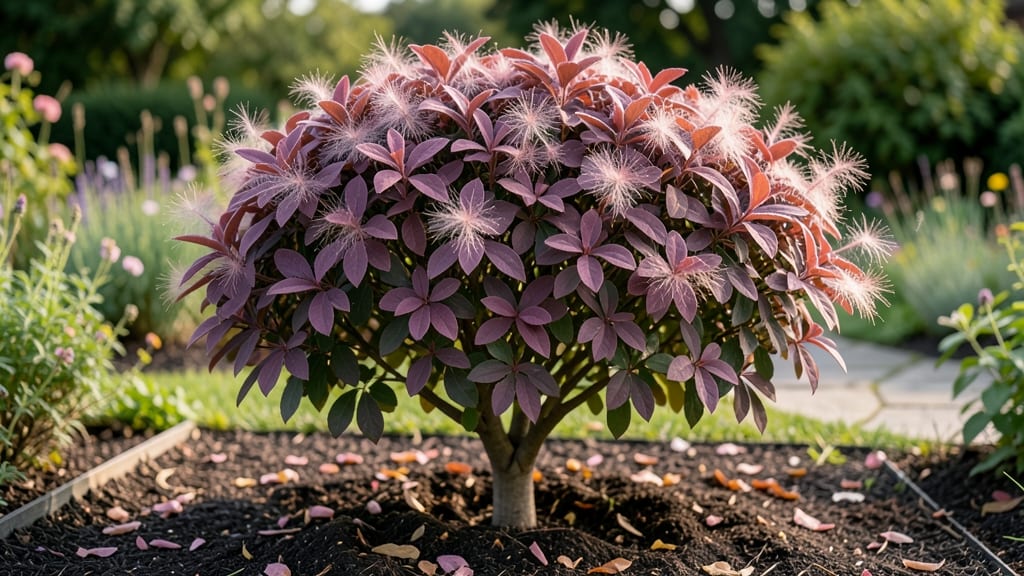
Growing a purple smoke bush transforms your yard into a fragrant cloud of smoky purple haze—no thorns, no fuss, just stunning foliage that thrives even when temperatures drop. 🌿 This cold-hardy shrub (zones 5-8) is one of those rare plants that looks effortless but demands just the right touch to really shine.
I’ve grown mine for three seasons now, and the secret to its success lies in understanding its love for sun, well-draining soil, and minimal pruning. The plant’s signature smoky purple plumes aren’t flowers but bracts—those feathery clusters that flutter in the breeze like confetti.
Pair that with deep green or purple leaves (depending on the variety) and you’ve got a shrub that steals the show without needing constant attention. What’s even better? It attracts pollinators year-round and tolerates drought once established, making it a low-maintenance superstar for borders, hedges, or even container gardens.
Start with full sun to partial shade and sandy, loamy soil—amend heavy clay with compost to keep roots happy. Plant in spring or early fall, spacing bushes 8-10 feet apart for mature size (they can grow 10-15 feet tall and wide).
Water deeply after planting, then let nature take over; overwatering is the fastest way to kill this tough shrub. Prune lightly in late winter to shape it, but avoid heavy cuts—this plant rewards patience with vibrant, long-lasting foliage that keeps color well into autumn.
Here’s where most people go wrong: assuming this shrub is a "plant and forget" miracle. While it’s drought-tolerant once established, young plants need consistent moisture for the first year. Skipping mulch? Big mistake—2-3 inches of mulch (wood chips or shredded bark) locks in moisture and keeps roots cool.
And prune too aggressively? You’ll sacrifice next year’s smoky plumes. The key is light shaping, not drastic cuts. With the right care, your purple smoke bush will reward you with years of color, fragrance, and that “I can’t believe it’s this easy” satisfaction.
📚 In This Guide
- What you need
- Instructions
- Tips and common mistakes
- Wrapping up and next steps
What you need
- ● Purple Smoke Bush Shrub: 1–3 mature plants (3–4 ft tall, depending on desired coverage). Choose ‘Dark Knight’ or ‘Worcester Gold’ cultivars for extra drama.
- ● Well-draining soil: Mix of native soil + 1 part compost or peat moss (avoid heavy clay). Test pH (ideal: 6.0–7.5).
- ● Organic mulch: 2–3 inches of wood chips or pine straw (retains moisture, regulates temperature).
- ● Slow-release fertilizer: 10–10–10 or balanced organic fertilizer (e.g., fish emulsion). Apply once in early spring.
- ● Watering can or hose: With a gentle spray nozzle (avoid soaking the foliage).
- ● Garden gloves (nitrile or leather for durability).
- ● Trowel or spade (for digging planting holes 2x wider than the root ball).
- ● Pruning shears (bypass pruners, sharp and sterilized).
- ● Rake (for smoothing soil post-planting).
- ● Measuring tape (to space plants 3–5 ft apart for airflow).
- ○ Optional: Soaker hose (for deep watering) or drip irrigation kit (automates care!).
- ● Sunlight: Full sun (6+ hours/day)—this shrub loves baking! Partial shade (only in hot climates.
- ● Hardiness Zone: USDA Zones 5–9 (cold-hardy down to -20°F!).
- ● Spacing: Plan for mature height (4–6 ft) and width (3–5 ft).
- ● Patience: 1–2 years for full fragrance and color payoff! 💜
Step-by-Step guide to planting and caring for purple smoke bush
This cold-hardy shrub thrives with minimal fuss—just follow these steps for lush, fragrant foliage year after year.
🌱 Step 1: Choose the Right Location and Prepare the Soil
Purple smoke bush (Cotinus coggygria) loves full sun but tolerates partial shade, making it versatile for gardens with varying light conditions. I always pick a spot with at least 6 hours of direct sunlight—this ensures the signature purple haze and vibrant foliage. Avoid low-lying areas where cold air pools, as this shrub handles frost well but prefers good airflow.
Test your soil’s drainage by digging a 6-inch hole—if water pools after 30 minutes, amend with 2-3 inches of compost or coarse sand to improve aeration. Purple smoke bush adapts to most soil types but thrives in well-draining, slightly alkaline conditions. A quick pH test (aim for 6.5-7.5) prevents nutrient deficiencies that cause yellowing leaves.
🪴 Step 2: Plant at the Correct Depth and Spacing
Dig a hole twice as wide as the root ball but no deeper—this prevents root suffocation. Gently remove the shrub from its container and loosen any circling roots with your fingers. Place it in the hole so the top of the root ball sits flush with the surrounding soil line—burying too deep invites rot, while planting too high stresses the plant.
Space multiple shrubs 8-10 feet apart to allow for mature spread. I’ve learned the hard way that crowding leads to weak stems and poor air circulation, which invites fungal issues. Backfill with native soil mixed with a slow-release fertilizer (5-10-5 ratio) to encourage strong root establishment. Water deeply to settle the soil and eliminate air pockets.
☀️ Step 3: Water Deeply and Establish a Maintenance Routine
Water once a week for the first month, providing 1-2 gallons per shrub to encourage deep root growth. After establishment, purple smoke bush is drought-tolerant but benefits from deep watering every 2-3 weeks during dry spells. You’ll know it’s thirsty when the leaves droop slightly in the afternoon—this is normal and corrects after watering.
Mulch around the base with 2-3 inches of organic mulch (like shredded bark) to retain moisture and regulate soil temperature. Keep mulch 6 inches away from the trunk to prevent rot. Prune lightly in late winter or early spring to shape the shrub, removing no more than 25% of the previous year’s growth. This encourages bushier, more vibrant foliage.
✂️ Step 4: Prune for Health and Aesthetics
Prune in late winter or early spring before new growth begins. Remove dead, diseased, or crossing branches first—they compete for nutrients and weaken the shrub. Cut back to a healthy lateral branch or bud to encourage branching. For shaping, I use clean, sharp pruners and make cuts just outside the branch collar to avoid damaging the bark.
Purple smoke bush responds well to pruning, so don’t fear trimming it into a more compact form. The feathery plumes (its signature feature) form on new growth, so pruning in spring ensures a fresh display. Avoid heavy pruning in fall, as the plant needs time to harden off before winter.
🌿 Step 5: Monitor for Pests and Diseases
Purple smoke bush is generally pest-resistant, but watch for aphids or spider mites on new growth. I treat infestations with a strong spray of water or insecticidal soap—chemicals are rarely needed. Yellowing leaves often signal overwatering or poor drainage, while brown edges indicate underwatering or salt buildup from hard water.
Fungal issues like powdery mildew can occur in humid climates, so improve airflow by pruning densely packed branches. If you notice white powder on leaves, apply neem oil as a preventative spray. With proper care, purple smoke bush remains healthy and vibrant for decades, offering year-round interest with minimal effort.
Tips & tricks for perfect purple smoke bush care
These insider secrets will help your purple smoke bush thrive with vibrant foliage and minimal effort—no gardening degree required.
Lighting Strategy: While the instructions mention at least 6 hours of sunlight, I've found that morning sun (especially in hot climates) prevents leaf scorch while still delivering that signature purple haze. If you're in a partial shade situation, rotate your shrub every few weeks so all sides get equal exposure—this prevents lopsided growth and ensures even color development.
Soil Test Hack: That 30-minute drainage test in Step 1 is crucial, but here's what I do differently: I add a handful of perlite to the hole before planting, especially in clay-heavy soils. This creates instant drainage channels while still holding moisture. For the pH test, I use a simple soil kit from the garden center—aiming for 6.5-7.5 means you won't need to amend for years once established.
Watering Wisdom: The once-weekly watering for the first month is spot-on, but I've learned to water in the early morning instead of evening. This prevents fungal issues from lingering moisture on the leaves. For established plants, I use the "drip test"—if water runs through the soil in 10 minutes instead of pooling, you've got perfect drainage. The drooping leaves clue is accurate, but I've seen some varieties wilt more dramatically than others—just don't wait until leaves are crispy!
Pruning Precision: That 25% pruning limit in Step 3 is perfect for maintaining shape, but here's my pro move: I prune in stages. First cut back any dead wood, then shape the outer edges, and finally trim any crossing branches. This prevents shocking the plant with one big cut. For the feathery plumes, I leave at least one-third of last year's growth—these old stems provide structure while new growth creates the signature haze.
Pro Tips for Purple Smoke Bush Shrub
- These insider secrets will help your purple smoke bush thrive with vibrant foliage and minimal effort—no gardening degree required.
- Lighting Strategy: While the instructions mention at least 6 hours of sunlight, I've found that morning sun (especially in hot climates) prevents leaf scorch while still delivering that signature purple haze.
- Soil Test Hack: That 30-minute drainage test in Step 1 is crucial, but here's what I do differently: I add a handful of perlite to the hole before planting, especially in clay-heavy soils.
Frequently asked questions
Got questions about the Purple Smoke bush shrub? You’re not alone—this stunning, low-maintenance plant sparks curiosity! Here are answers to the most common queries to help you grow with confidence.
Is the Purple Smoke bush really cold-hardy, or does it need winter protection?
The Purple Smoke bush (Cercis canadensis ‘Eve Palmer’) thrives in USDA Zones 4-9, making it one of the toughest cold-hardy shrubs. While it handles frost well, young plants (under 2 years old) may benefit from a light mulch layer (2–3 inches) around the base to insulate roots. Avoid heavy mulch, which can suffocate the plant. Once established, it’s basically set-and-forget for winter!
When is the best time to prune Purple Smoke bush for optimal blooms?
Prune right after flowering (late spring to early summer) to encourage dense growth and next year’s blooms. Avoid heavy pruning in fall or winter—this shrub blooms on old wood, so cutting back too late can reduce spring flowers. For shaping, use clean pruners to trim back 1/3 of the oldest stems to rejuvenate the plant every 2–3 years.
Why aren’t my Purple Smoke bush leaves turning purple like in the pictures?
Don’t worry—color intensity varies! Purple foliage is most vibrant in full sun (6+ hours/day) and well-draining soil. If your leaves are more greenish, check for:
- Shade: Move to a sunnier spot.
- Over-fertilizing: Purple Smoke prefers poor soil—skip high-nitrogen fertilizers.
- Age: Younger plants may take 1–2 years to reach peak color.
Can I grow Purple Smoke bush in containers, or is it better planted in the ground?
While it’s best in the ground (where roots can spread freely), Purple Smoke thrives in large containers (15+ gallons) with:
- Well-draining soil (mix potting soil with perlite).
- A slow-release fertilizer in spring.
- Winter protection (move to a sheltered spot or wrap the pot in burlap).
Are there any pests or diseases I should watch for with Purple Smoke bush?
This shrub is disease-resistant, but keep an eye out for:
- Aphids: Spray with water or neem oil if you spot sticky residue on leaves.
- Powdery mildew: Rare, but improve airflow if leaves look dusty.
- Japanese beetles: Handpick or use milky spore for organic control.
Wrapping up and next steps
The Purple Smoke Bush is a dream come true for gardeners seeking low-maintenance beauty and fragrant charm—without the prickly headaches of traditional shrubs. 🌿 Its cold-hardy nature, stunning foliage, and effortless care make it a standout choice for both beginners and seasoned green thumbs.
Whether you’re revamping your landscape or adding a pop of color, this shrub delivers year-round appeal with minimal fuss.
Ready to transform your outdoor space? Start by selecting the perfect spot in your garden, grab your gloves, and plant your Purple Smoke Bush today—your future self (and neighbors!) will thank you. 🌸