
Shrubs
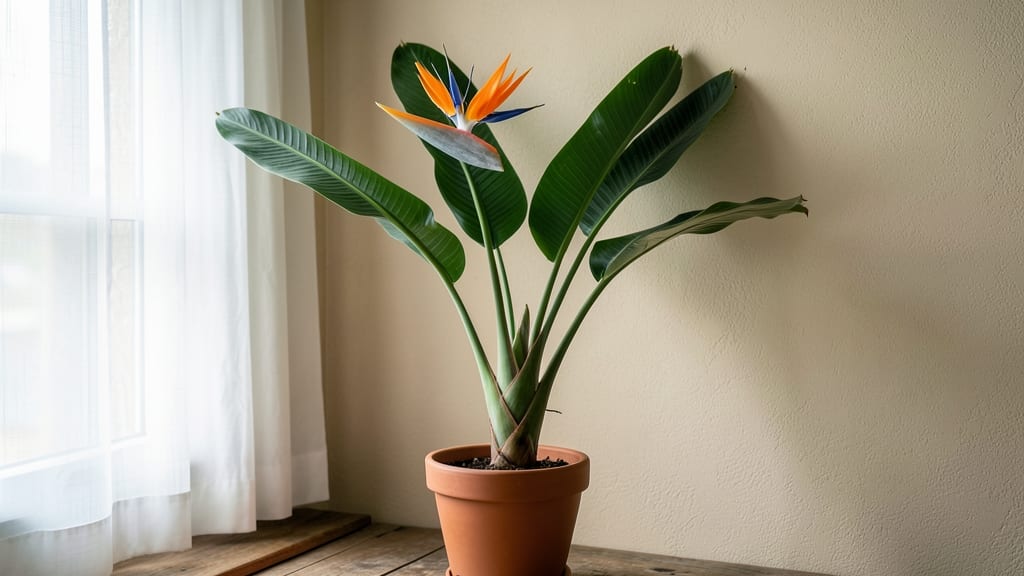
Growing the red bird of paradise shrub transforms any space into a vibrant tropical paradise. 🌺 Its fiery red, orange, and yellow blooms bring instant drama to containers or garden beds, but I’ve learned the hard way that this beauty needs just the right conditions to thrive.
The secret lies in mimicking its native tropical climate: bright, direct sunlight for at least 6 hours daily, well-draining soil (think 50% cactus mix, 30% potting soil, 20% perlite), and watering that keeps roots moist but never soggy. Overwatering is the #1 killer—these shrubs hate wet feet.
Once established, you’ll be rewarded with continuous blooms from spring through fall, and even in winter, the glossy foliage stays lush. Prune lightly after flowering to encourage bushier growth, and watch as hummingbirds and butterflies flock to your garden.
Perfect for warm climates (zones 9-11) or as a container plant that you can winter indoors. With the right care, this shrub becomes the bold centerpiece of any landscape—no tropical vacation required!
📚 In This Guide
- What you need
- Instructions
- Tips and common mistakes
- Wrapping up and next steps
What you need
- ● Red Bird of Paradise Shrub: 1-3 nursery-grown plants (3-5 ft tall, depending on desired size)
- ● Note: Choose healthy specimens with vibrant red-orange blooms and minimal yellowing leaves.
- ● Soil: Well-draining potting mix (for containers) or amended garden soil (for landscapes)
- ○ Optional: Perlite or coarse sand (10-20% mix) to improve drainage
- ● Containers (if applicable): 1-3 large pots (18-24" diameter) with drainage holes
- ● Grow bags (2-3 ft deep) as an alternative
- ● Fertilizer: Balanced granular fertilizer (10-10-10 or 20-20-20, 1 lb per plant)
- ● Slow-release organic fertilizer (e.g., compost or worm castings)
- ● Mulch (2-3 inches of pine bark or shredded leaves) to retain moisture
- ● Pruning shears (for shaping or deadheading spent blooms)
- ● Stakes or supports (if growing in windy areas or containers)
- ● Pest control: Neem oil or insecticidal soap (preventative measure)
- ● Garden gloves (to protect hands during planting)
Step-by-step guide to planting and caring for red Bird of paradise
This striking tropical beauty thrives with the right conditions—here’s how to plant and nurture it for years of vibrant color.
🌱 Step 1: Choose the Perfect Location for Sun and Shelter
The red bird of paradise (Caesalpinia pulcherrima) demands full sun—at least 6-8 hours daily—to produce its fiery blooms. In hot climates, afternoon shade protects leaves from scorching, but morning sun is non-negotiable. I always scout the spot in late afternoon when the sun is strongest—this helps me gauge how much direct light the area truly gets.
This shrub hates cold drafts and wind, so avoid exposed areas. In containers, position them where they won’t get jostled by breezes. If planting in ground, choose a sheltered corner near a wall or fence. The roots appreciate well-draining soil—amend heavy clay with 2-3 inches of compost or sand to prevent waterlogging, which can rot the roots.
🪴 Step 2: Plant in Proper Soil and Container Setup
For in-ground planting, dig a hole twice as wide as the root ball but only as deep—burying too deeply suffocates the plant. Loosen the roots gently if they’re circling, then place the shrub in the hole and backfill with a mix of native soil and 1 part compost. Water deeply to settle the soil around the roots.
For container growing, select a pot at least 24 inches wide and deep—this shrub’s roots spread aggressively. Use a fast-draining potting mix blended with perlite or pumice (about 20% by volume). Place a 2-inch layer of gravel at the bottom for drainage, then add the soil mix. After planting, water until moisture drains freely from the bottom holes.
💧 Step 3: Water Deeply and Establish a Routine
Once planted, water deeply once a week in the first month to encourage root growth. Let the top 2 inches of soil dry out between waterings—this shrub tolerates drought once established but despises soggy roots. In containers, you’ll water more frequently (every 3-4 days in summer), as pots dry out faster.
Here’s the trick: water at the base, not overhead. This prevents fungal diseases like powdery mildew, which thrives in damp foliage. Mulch with 2-3 inches of wood chips around the base (keep mulch 6 inches away from the trunk) to retain moisture and regulate soil temperature. Watch for yellowing leaves—this is your cue to check for overwatering or poor drainage.
✂️ Step 4: Prune for Shape and Encourage Blooms
Prune right after flowering (late summer to early fall) to shape the shrub and promote bushier growth. Cut back 1/3 of the oldest stems to encourage new shoots. Use clean, sharp pruners and make cuts just above a leaf node at a 45-degree angle to prevent water from pooling. Avoid heavy pruning in spring—this shrub blooms on new wood, so late-season cuts set up next year’s flowers.
Remove any dead, diseased, or crossing branches year-round. If growing in containers, trim back leggy growth to maintain a compact shape. The red bird of paradise responds well to pruning, so don’t fear cutting—it rewards you with bold, tropical blooms and denser foliage. Just avoid pruning in winter, when the plant is semi-dormant.
☀️ Step 5: Protect and Fertilize for Year-Round Health
In USDA Zones 9-11, this shrub is evergreen and thrives year-round. In cooler zones, treat it as an annual or bring containers indoors before frost. If frost hits, wrap the pot in burlap or move it to an unheated garage. The roots are surprisingly cold-hardy, but the foliage will blacken—prune back damaged growth in spring.
Feed once in early spring with a balanced, slow-release fertilizer (10-10-10 or similar). Avoid high-nitrogen fertilizers—they encourage leafy growth at the expense of flowers. Instead, use a low-nitrogen, high-phosphorus blend (like 5-10-5) to boost blooming. Water deeply after fertilizing to prevent root burn. Watch for pale leaves—this signals over-fertilizing, so cut back on feedings if you see it.
Tips & tricks for perfect red Bird of paradise growth
These simple yet game-changing strategies will help your tropical shrub thrive—whether you're planting in ground or containers.
Sunlight Strategy: The 6-8 hours of full sun requirement is non-negotiable for vibrant blooms, but here's the trick: monitor the spot throughout the day. Early morning sun is essential, but afternoon shade becomes crucial in hot climates. I've seen plants wither when exposed to peak afternoon sun—watch for leaf scorch as your early warning sign. If you're in a particularly hot zone, consider partial afternoon shade, especially during summer months when temperatures exceed 90°F.
Soil Science: When amending heavy clay soil with 2-3 inches of compost or sand, don't just mix it in superficially. Dig down at least 12 inches to create proper drainage channels. I've seen roots struggle when the upper layer drains well but water pools below. For containers, that 20% perlite or pumice blend is crucial—it's what prevents the roots from sitting in soggy conditions. Pro tip: Test your drainage by filling the pot with water and checking how quickly it drains from the bottom holes.
Watering Wisdom: The "top 2 inches dry out" rule is your golden standard, but here's what nobody tells you—use your finger to check moisture at different soil depths. Surface soil can dry quickly while deeper roots stay moist. In containers, I've found that checking the weight helps: when the pot feels noticeably lighter, it's time to water. And that mulch layer? Keep it consistently 2-3 inches thick but maintain that 6-inch clearance from the trunk—this prevents rot while regulating soil temperature perfectly.
Pruning Precision: That 45-degree angle cut above a leaf node isn't just aesthetic—it's functional. The angled cut prevents water from pooling on the stem, reducing disease risk. When cutting back 1/3 of oldest stems, focus on the thickest, woody branches first. These are the ones that have outlived their productivity. I've seen gardeners hesitate to prune because they fear harming the plant, but remember: this shrub rewards aggressive pruning with even more dramatic blooms next season.
Pro Tips for Red Bird Of Paradise Shrub
- These simple yet game-changing strategies will help your tropical shrub thrive—whether you're planting in ground or containers.
- Sunlight Strategy: The 6-8 hours of full sun requirement is non-negotiable for vibrant blooms, but here's the trick: monitor the spot throughout the day.
- Soil Science: When amending heavy clay soil with 2-3 inches of compost or sand, don't just mix it in superficially.
Frequently asked questions
How fast does the Red Bird of Paradise grow, and how big does it get?
The Caesalpinia pulcherrima grows moderately fast—about 12–24 inches per year—and typically reaches 6–10 feet tall and wide in ideal conditions. In containers, growth slows, but it still adds vibrant color and structure. Prune annually to control size and encourage bushier blooms!
When is the best time to plant or transplant this shrub?
Plant your Red Bird of Paradise in early spring or late fall when temperatures are mild (avoid frost!). Transplanting is easiest when the shrub is dormant—choose a cloudy day to reduce stress. Water deeply after planting and mulch to retain moisture.
How often should I water this shrub, and does it tolerate drought?
Water 1–2 times per week during the first year to establish roots, then deeply but less frequently once mature (every 1–2 weeks, depending on climate). While it’s drought-tolerant, it thrives with consistent moisture. Yellowing leaves? You might be over- or underwatering—check soil moisture!
Does the Red Bird of Paradise need full sun, and what if my yard is shady?
This shrub loves full sun (6+ hours daily) for vibrant blooms, but it can tolerate partial shade (4–6 hours). In shadier spots, expect fewer flowers but lush foliage. If growing in containers, move them to sunnier areas seasonally for optimal blooming.
What pests or diseases should I watch for, and how do I treat them?
Common issues include:
- Aphids or spider mites: Spray with water or use neem oil.
- Root rot: Ensure well-draining soil and avoid overwatering.
- Fungal leaf spots: Prune affected leaves and improve airflow.
Can I grow Red Bird of Paradise in containers, and what size pot do I need?
Use a large container (at least 18–24 inches wide) with drainage holes. Opt for fabric pots for better root health. In containers, it may stay smaller but still bursts with color. Fertilize monthly during growing season for best results.
Wrapping up and next steps
The Red Bird of Paradise shrub is a stunning, low-maintenance plant that brings vibrant tropical energy to any space—whether in containers or your garden. With its striking red blooms and lush foliage, it’s perfect for adding bold color and texture while thriving in warm climates.
Ready to transform your outdoor area? Start by choosing the right spot, gathering your supplies, and giving this beauty the care it deserves!
- 🌱 Next step: Pick a sunny location and plant your Red Bird of Paradise—watch it flourish in no time!
- 💡 Pro tip: Pair it with complementary tropical plants for an eye-catching display.