
Shrubs
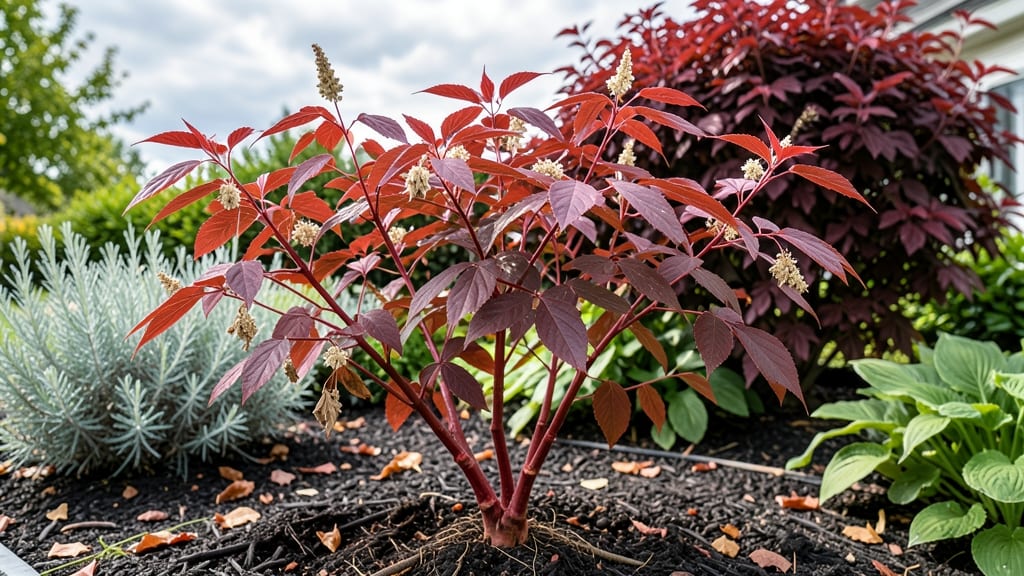
Red foliage shrubs turn your garden into a masterpiece without breaking a sweat. 🌿 These plants deliver bold, fiery colors that outshine seasonal flowers—deep crimson, burgundy, and even chartreuse—while demanding almost no extra care.
My front yard’s Euonymus alatus (burning bush) still glows after frost, proving these shrubs aren’t just fall stars but year-round showstoppers.
They thrive in partial shade to full sun, making them perfect for borders, hedges, or even as dramatic focal points near patios. Pair them with silver foliage plants like lamb’s ear or white blooms like hydrangeas to create striking contrasts.
The best part? Most varieties stay compact, so they won’t overwhelm small spaces like my tiny urban garden.
You’ll love how these shrubs require minimal pruning—just a light trim after flowering to keep them tidy. Their deep roots also mean less watering once established, and deer tend to avoid them (a win for my neighborhood’s frequent visitors).
The payoff? A garden that feels like a living painting, no matter the season.
For instant impact, try Cotoneaster for cascading red berries, Skimmia for glossy leaves and winter interest, or Ilex crenata (a dwarf holly) for year-round structure. These are the shrubs that make neighbors ask, “What’s your secret?”—and the answer is simpler than you’d think.
📚 In This Guide
- What you need
- Instructions
- Tips and common mistakes
- Wrapping up and next steps
What you need
- ● Red foliage shrubs: Choose from varieties like Cotoneaster, Viburnum, Euonymus, or Berberis (1-3 plants, depending on garden size). Opt for healthy nursery-grown shrubs with vibrant foliage.
- ● Well-draining soil: 1-2 bags of garden soil mix (50 lbs each) or peat-based potting soil for container gardening.
- ● Organic compost: 1-2 bags (40 lbs each) to enrich soil and retain moisture.
- ● Mulch: 2-3 cubic feet of pine bark or wood chips to protect roots and retain moisture.
- ○ Slow-release fertilizer: 1 bag (20 lbs) of 10-10-10 or balanced organic fertilizer (optional but recommended for nutrient boost).
- ● Watering can or hose: With a gentle spray nozzle for even watering.
- ● Gloves and pruning shears: A pair of sharp, sterilized shears for trimming and shaping.
- ● Trowel or spade: For digging holes (12-18 inches deep).
- ● Soil pH test kit: To ensure your soil is slightly acidic to neutral (pH 6.0-7.0)—ideal for most red foliage shrubs.
- ● Container or raised bed: If planting in pots, use a 15-20 gallon container with drainage holes.
- ● Epsom salt: 1 lb for magnesium boost (great for yellowing leaves).
- ● Plant supports: Stakes or cages for larger shrubs (e.g., Viburnum).
- ● Decorative stones or edging: To create a polished look around planted areas.
How to select, plant, and maintain stunning red foliage shrubs
Here's how to choose the right varieties and keep them thriving for bold year-round color.
🌿 Step 1: Choose the Right Varieties for Your Climate
Red foliage shrubs like Cotoneaster, Dwarf Fothergilla, and Japanese Maple thrive in different zones. For zones 5-7, I recommend Cotoneaster 'Royal Purple'—it handles heat and cold beautifully. In zones 8-10, Dwarf Fothergilla 'Mount Airy' stays vibrant even in summer.
Check your USDA zone before buying. A shrub that looks perfect in a catalog might struggle in your climate. I always verify with local nurseries—they know which varieties survive harsh winters or scorching summers. For example, Japanese Maple 'Bloodgood' loves partial shade and acidic soil, while Oakleaf Hydrangea 'Pincushion' thrives in full sun with well-draining soil.
🪴 Step 2: Plant in the Right Spot for Year-Round Color
Most red foliage shrubs need 6+ hours of sunlight daily for their deepest hues, but some—like Dwarf Fothergilla—tolerate morning sun and afternoon shade. I plant mine where they’ll get filtered sunlight in summer to prevent leaf scorch while still showing off their color.
Dig a hole twice as wide as the root ball but no deeper. Amend the native soil with compost if it’s heavy clay or sandy. Place the shrub so the top of the root ball sits 1 inch above ground level—this prevents waterlogging. Backfill gently, tamping down lightly to remove air pockets without compacting roots.
☀️ Step 3: Water Deeply After Planting and Adjust for Seasons
Water deeply once a week for the first 2-3 months, soaking the root zone until water drains from the bottom. You’ll know it’s enough when the top 2 inches of soil feel damp. Overwatering smothers roots, while underwatering stresses the plant—both dull the foliage color.
After establishment, most red shrubs are drought-tolerant, but I still check soil moisture in extreme heat. Mulch with 2-3 inches of shredded bark to retain moisture and protect roots. Avoid piling mulch against the stem—keep it 3 inches away to prevent rot.
✂️ Step 4: Prune Strategically for Health and Color
Prune in late winter or early spring before new growth starts. Remove 1/3 of the oldest stems at the base to encourage fresh, vibrant growth. I also trim back any leggy branches to maintain a compact shape—this keeps the red hues intense.
Avoid heavy pruning in fall, as it stimulates tender new growth that won’t survive winter. If you must prune later, just remove dead or diseased branches. Never cut into old wood—it won’t regrow. After pruning, fertilize lightly with balanced 10-10-10 to support new foliage.
🌱 Step 5: Fertilize and Protect for Long-Term Vibrancy
Feed in early spring with a slow-release fertilizer to avoid burning roots. I use organic compost tea for a gentle boost—it improves soil health without harsh chemicals. Avoid high-nitrogen fertilizers; they promote leafy growth at the expense of color.
Watch for pests like aphids or spider mites, which drain plants and dull foliage. Spray with neem oil if you spot them. In winter, protect tender varieties with burlap wraps if your zone drops below their hardiness zone. A little extra care keeps those red leaves popping year after year.
Tips & tricks for perfect red foliage shrubs
Transforming your garden into a year-round red foliage show doesn't have to be complicated—just strategic. Here are the key moves that'll keep your shrubs vibrant and healthy.
Variety Selection: When choosing your red foliage shrubs, prioritize varieties that match your specific USDA zone and microclimate. For instance, Cotoneaster 'Royal Purple' thrives in zones 5-7, while Dwarf Fothergilla 'Mount Airy' excels in zones 8-10. I always cross-reference with local nurseries—they often have firsthand knowledge about which varieties perform best in your area's specific conditions. This upfront research prevents costly mistakes and ensures your shrubs will deliver that stunning color year after year.
Soil Preparation: The foundation of healthy red foliage starts with the right soil conditions. When planting, always amend heavy clay or sandy soil with compost to improve drainage and nutrient retention. I like to mix in a handful of organic matter directly into the planting hole—this creates an ideal root environment right from the start. The key is to avoid compacting the soil when backfilling; gently tamping removes air pockets without suffocating roots.
Sunlight Strategy: Most red foliage shrubs need 6+ hours of direct sunlight daily for their deepest colors, but some varieties like Dwarf Fothergilla can handle morning sun with afternoon shade. I've found that positioning shrubs where they receive filtered sunlight in summer prevents leaf scorch while still maintaining vibrant hues. If your garden has hot afternoon sun, consider planting these varieties where they'll get morning light instead.
Pruning Precision: Timing is everything when pruning red foliage shrubs. Always prune in late winter or early spring before new growth begins. Remove one-third of the oldest stems at the base to encourage fresh, vibrant growth—this is what keeps those intense red colors popping. I also recommend trimming back any leggy branches to maintain a compact shape. Avoid heavy pruning in fall, as it can stimulate tender new growth that won't survive winter.
Pro Tips for Red Foliage Shrubs
- Transforming your garden into a year-round red foliage show doesn't have to be complicated—just strategic. Here are t...
- Variety Selection: When choosing your red foliage shrubs, prioritize varieties that match your specific USDA zone and...
- Soil Preparation: The foundation of healthy red foliage starts with the right soil conditions. When planting, always ...
Frequently asked questions
Got questions about keeping your red foliage shrubs looking their best? You’re not alone! Here are some of the most common queries—plus straightforward answers to help you grow stunning, year-round color with confidence.
What’s the best time to plant red foliage shrubs for fall color?
Plant them in early spring or early fall (4–6 weeks before frost) to give roots time to establish. Fall-planted shrubs benefit from cooler temps and winter moisture, while spring planting avoids drought stress. Avoid extreme heat—summer planting can shock tender roots.
Do red foliage shrubs need special winter care?
Most thrive in winter, but mulch heavily (3–4 inches) around the base to protect roots from freeze-thaw cycles. Water deeply before the first hard frost if your area is dry. Prune damaged branches in early spring—never in winter, as it can stress the plant.
Can I grow red foliage shrubs in containers?
Choose compact varieties like ‘Dart’s Little Red’ cotoneaster or ‘Firepower’ ninebark. Use well-draining potting mix, a container with drainage holes, and repot every 2–3 years. Place in full sun to partial shade and water when the top inch of soil feels dry.
Why isn’t my shrub’s foliage as red as last year?
Red intensity fades with age, but over-fertilizing (especially nitrogen) can dull colors. Prune to improve airflow, and ensure 6+ hours of sun daily. Some shrubs (like barberries) need acidic soil (pH 5.0–6.5)—test your soil and amend if needed.
Are red foliage shrubs deer-resistant?
Not all! While barberries and cotoneasters are often deer-resistant, others (like smoke bush) may be browsed. Use repellents or plant with thorny companions (e.g., roses or holly) to deter deer. Monitor young plants closely—they’re most vulnerable.
Wrapping up and next steps
Transforming your outdoor space with red foliage shrubs is easier than you think—and the rewards are stunning! Whether you’re drawn to bold Cotoneaster or delicate Japanese Maple, these plants bring year-round beauty with minimal effort. 🌿
Ready to elevate your garden? Start by choosing a shrub that fits your climate and style, then get planting! With the right care, you’ll enjoy vibrant red hues that turn heads (and maybe even inspire your neighbors). Happy gardening—your fall masterpiece awaits!