
Shrubs
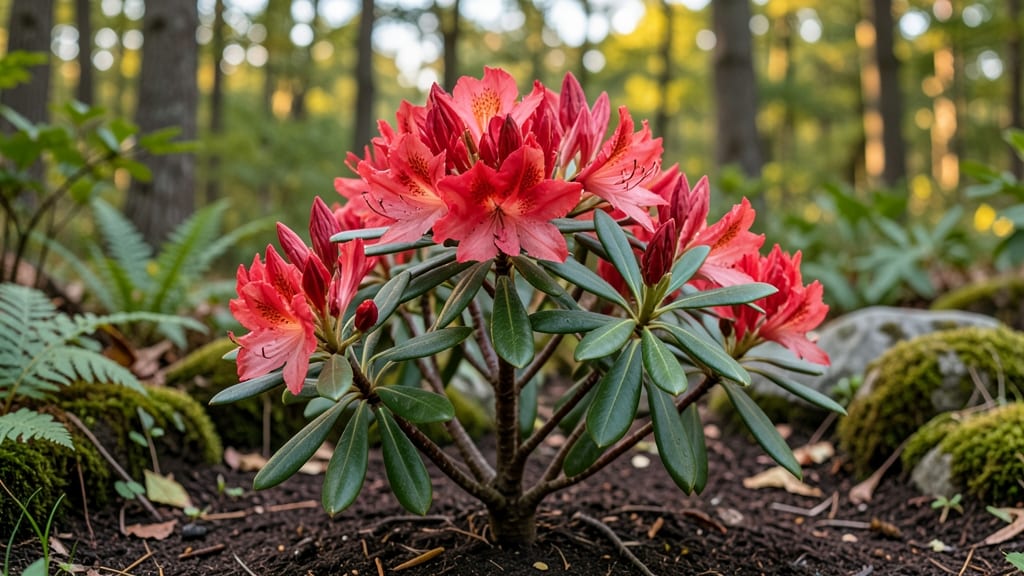
Your red rhododendron shrub could be the bold centerpiece of your garden this spring. 🌸 These cold-hardy beauties thrive in zones 4-7, where their deep red blooms stand out against evergreen foliage—if you prune them right.
I’ve grown them for years, and the secret to vibrant blooms lies in a precise pruning calendar that keeps them healthy through winter and ready to burst in spring.
These shrubs love acidic, well-draining soil and partial shade, especially in hotter climates. A mulch layer keeps roots cool in summer and protected in winter, while regular watering (but not soggy soil) ensures those striking red blooms appear year after year.
The key? Pruning after flowering—never in late summer, or you’ll cut off next year’s buds.
By following a cold-resistant pruning schedule, you’ll encourage stronger growth and more abundant blooms. Imagine clusters of deep red flowers that last for weeks, drawing hummingbirds and adding drama to your landscape.
The best part? Once established, these shrubs need minimal care beyond occasional feeding with acid-loving fertilizer in early spring.
Whether you’re a beginner or a seasoned gardener, these tips will help you keep your red rhododendron thriving. From soil prep to pruning timing, we’ll cover everything you need to grow a showstopping shrub that’s as tough as it is beautiful. Ready to get started?
📚 In This Guide
- What you need
- Instructions
- Tips and common mistakes
- Wrapping up and next steps
What you need
- ● Red Rhododendron Plant: 1 nursery-grown Rhododendron shrub (choose a cold-hardy variety like 'PJM' or 'Catawbiense' for vibrant red blooms).
- ● OR seeds (if propagating from scratch—requires stratification for germination).
- ● Soil: 2–3 bags (50 lbs each) of acidic, well-draining potting mix (pH 4.5–5.5). Mix with peat moss or pine bark fines for optimal drainage.
- ● Fertilizer: 1 lb of slow-release acid-loving plant fertilizer (e.g., Osmocote or Miracle-Gro Azalea/Rhododendron).
- ● 1 lb of organic compost (e.g., worm castings or leaf mold).
- ● Mulch: 2–3 bags of pine straw or wood chips (3–4 inches thick).
- ● Garden Tools: 1 trowel (for digging).
- ● 1 pruning shears (sterilized with rubbing alcohol).
- ● 1 garden fork (for loosening soil).
- ● 1 measuring tape (to mark planting depth).
- ● Safety Gear: 1 pair of gloves (gardening or nitrile for seed handling).
- ● 1 watering can or hose with a gentle spray nozzle.
- ● Location: Partial shade to full shade (4–6 hours of dappled sunlight daily). Avoid harsh afternoon sun.
- ● Climate: USDA Hardiness Zones 3–8 (cold-resistant but protect young plants in Zone 3).
- ● Water Source: Access to soft, acidic water (rainwater or filtered tap water if local water is alkaline).
- ○ Optional (But Helpful): 1 soil pH tester (to monitor acidity).
- ● 1 drip irrigation kit (for consistent moisture).
- ● 1 shade cloth (30–50% coverage for young plants).
Step-by-Step guide to planting and pruning red rhododendrons for year-round health
Here's how to establish your shrubs for maximum cold resistance and vibrant blooms every season.
🌱 Step 1: Select and Prepare the Planting Site
Choose a location with morning sun and afternoon shade—red rhododendrons thrive in dappled light that prevents leaf scorch. The soil must be acidic (pH 4.5-6.0) and well-draining, as these shrubs despise soggy roots. I always test my soil first using a simple pH kit; if it's too alkaline, I amend it with 2-3 inches of peat moss mixed into the top 12 inches of soil.
Dig a hole twice as wide as the root ball but only as deep. This encourages roots to spread horizontally rather than settling too low, which can suffocate them. Gently loosen any circling roots around the base before placing the plant in the hole. The top of the root ball should sit 1 inch above ground level—this prevents waterlogging during heavy rains.
💧 Step 2: Plant and Water for Initial Root Establishment
Backfill the hole with the original soil, pressing lightly to eliminate air pockets but avoiding compaction. Water deeply right after planting to settle the soil and eliminate air gaps. I use 5 gallons of water for each shrub, applied slowly at the base to encourage downward root growth. Avoid wetting the foliage to prevent fungal diseases.
Mulch the base with 3 inches of pine bark or wood chips, keeping it 6 inches away from the trunk to prevent rot. Red rhododendrons benefit from consistent moisture but hate soggy conditions, so I water twice weekly during the first growing season, adjusting for rainfall. You'll know the roots are establishing when new growth appears in 4-6 weeks—this is your signal to taper back to once-weekly watering once established.
✂️ Step 3: Apply the Cold-Resistant Pruning Calendar
Prune red rhododendrons immediately after flowering (late spring) to avoid cutting off next year's buds, which form on old wood. Use clean, sharp pruners to make cuts at a 45-degree angle just above a leaf node or bud. Remove no more than 1/3 of the plant in any single year—this maintains vigor and encourages dense blooming.
In late winter (before buds swell), I perform a light structural pruning to open the center of the shrub and improve airflow. This prevents fungal diseases that thrive in dense, shaded foliage. For cold-hardy varieties, I avoid heavy pruning in fall, as new growth won’t harden off before winter. Watch for dead or crossing branches—these should be removed at any time to maintain plant health.
☀️ Step 4: Maintain Soil Acidicity and Fertility Year-Round
Red rhododendrons require consistent acidity—I test soil pH annually and amend with sulfur or aluminum sulfate if levels drift above 5.5. In early spring, I apply a slow-release, acid-loving plant fertilizer (like 10-10-10 or rhododendron-specific blend) spread evenly over the root zone. Water deeply after applying to activate the granules.
In fall, I top-dress with 1-2 inches of composted pine needles, which slowly release organic matter and maintain soil acidity. Avoid fresh manure or high-nitrogen fertilizers, which can burn roots and alter soil pH. You'll see the most vibrant blooms when the soil stays moist but not waterlogged and the pH remains in the 4.5-6.0 range—this is the sweet spot for red rhododendrons.
Tips & tricks for perfect red rhododendron shrub care
A few simple adjustments can transform your red rhododendrons from struggling survivors to showstopping garden stars. These are the details that make all the difference for year-round health.
Soil Science Matters: When amending your soil with the 2-3 inches of peat moss in Step 1, mix it thoroughly into the top 12 inches of soil—not just the surface. This creates a consistent acidity zone where roots can thrive. I've found that adding a handful of sulfur granules to the mix helps maintain that 4.5-6.0 pH range more reliably than peat moss alone. The key is patience: let the roots establish for at least 4-6 weeks before expecting dramatic color improvements.
Watering Wisdom: That 5 gallons of water you apply immediately after planting isn't just about settling the soil—it's about creating a moisture reservoir. I've seen many gardeners water lightly at first, only to have their rhododendrons struggle through drought. For the twice-weekly watering during the first season, use a rain gauge to measure 1-1.5 inches of water per session. The goal is to keep the soil consistently moist but never soggy, especially around the root ball where new growth appears.
Pruning Precision: The 45-degree angle cut in Step 3 isn't just aesthetic—it's about directing water away from the cut surface. I always sterilize my pruners with rubbing alcohol between cuts to prevent spreading fungal spores. For that late winter structural pruning, focus on creating an open center rather than just removing dead branches. This improves airflow and sunlight penetration, which is crucial for preventing those unsightly fungal spots that can appear on dense foliage.
Fertilizer Timing: When applying that slow-release fertilizer in early spring, I recommend splitting the dose into two applications: half immediately after planting and half again in late spring after flowering. This two-step approach prevents nutrient overload while maintaining consistent growth. The 1-2 inches of composted pine needles in fall is my secret for natural acidity maintenance—just make sure to keep it 6 inches away from the trunk to prevent rot.
Pro Tips for Red Rhododendron Shrub
- A few simple adjustments can transform your red rhododendrons from struggling survivors to showstopping garden stars.
- Soil Science Matters: When amending your soil with the 2-3 inches of peat moss in Step 1, mix it thoroughly into the top 12 inches of soil—not just the surface.
- Watering Wisdom: That 5 gallons of water you apply immediately after planting isn't just about settling the soil—it's about creating a moisture reservoir.
Frequently asked questions
When is the best time to prune my red rhododendron?
Prune your red rhododendron right after flowering (late spring to early summer) to avoid cutting off next year’s blooms. Avoid heavy pruning in fall or winter, as cold stress can harm the plant. Light shaping in late summer is fine, but keep it minimal—these shrubs bloom on old wood!
How cold-hardy is a red rhododendron?
Most red rhododendrons thrive in USDA Zones 4–8, handling temps as low as -20°F (-29°C) with proper care. Mulch heavily in winter to protect roots, and choose hardy varieties like ‘Nova Zembla’ or ‘PJM’ for colder climates. Evergreens may lose leaves in extreme cold but bounce back in spring!
What pests or diseases should I watch for?
Common issues include lace bugs (tiny pests that skeletonize leaves), powdery mildew (white fungal coating), and root rot from overwatering. Prevent pests with neem oil sprays and ensure well-draining soil. If leaves yellow or wilt, check for overwatering or compacted soil.
Why isn’t my red rhododendron blooming?
Lack of blooms often stems from over-pruning, poor sunlight (they need partial shade), or young age (they can take 3–5 years to mature). Feed with acidic fertilizer in early spring and ensure consistent moisture. If buds form but drop, it may be late frost damage—protect with frost cloth if needed!
Can I grow red rhododendrons in containers?
Yes! Choose dwarf varieties like ‘Alice’ or ‘Tundra’ for pots. Use a well-draining, acidic mix (like pine bark + peat) and a container with drainage holes. Repot every 2–3 years and water consistently—containers dry out faster. Place in morning sun/afternoon shade for best results.
Pro Tip:
Need a low-maintenance alternative? Try azaleas (close relatives) or camerarias—both offer vibrant red blooms with similar care needs but may tolerate slightly drier conditions. Happy gardening!
Wrapping up and next steps
Growing a red rhododendron shrub is a rewarding journey that brings vibrant color and resilience to your garden. With the right care—from soil prep to strategic pruning—you’ll enjoy stunning blooms year after year. Now’s the time to roll up your sleeves and give your shrub the love it deserves!
Ready to take the next step? Mark your pruning calendar and watch your red rhododendron thrive! 🌸 For extra inspiration, explore companion plants or creative landscaping ideas to elevate your garden’s beauty.