
Vegetables
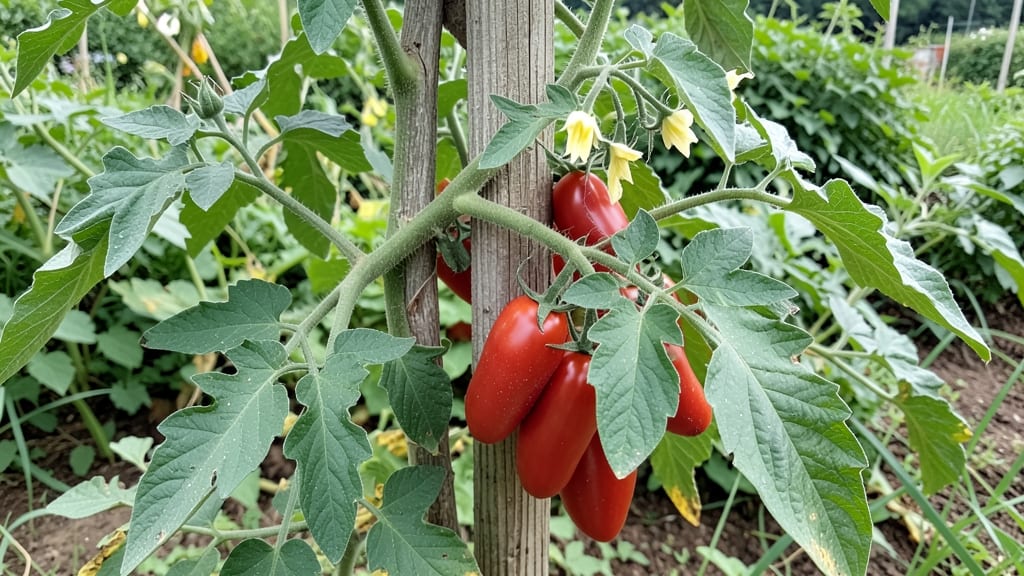
Growing Red Roma tomatoes means turning your balcony or backyard into a sun-drenched sauce factory—these paste tomatoes pack bold flavor in every inch of their compact plants. 🌱 I learned the hard way that their determinate growth (meaning they stay bushy, not sprawling) makes them perfect for containers as small as 5-gallon buckets, yet most gardeners still underestimate how much sun they truly crave.
The secret to their signature thick, meaty texture lies in consistent moisture and rich soil. Roma tomatoes hate soggy roots but also can’t tolerate drying out, so I use a self-watering container with a mix of compost and perlite to keep roots happy without the guesswork.
A 6-hour daily sunbath is non-negotiable—even partial shade turns their fruit mealy and bland.
By mid-summer, you’ll be harvesting glossy, deep-red tomatoes that practically melt into sauce with minimal chopping. The plants stay productive for weeks, and with proper pruning (just pinch off suckers), you’ll avoid the common pitfall of overcrowded fruit that leads to cracking.
This variety proves that small spaces can yield restaurant-quality harvests.
Whether you’re a first-timer or a container-gardening pro, Roma tomatoes reward patience with a harvest that lasts longer than most heirlooms. The real magic happens when you taste that first homemade sauce—sweet, rich, and packed with flavor that store-bought can’t match. Let’s get those plants thriving!
📚 In This Guide
- What you need
- Instructions
- Tips and common mistakes
- Wrapping up and next steps
What you need
- ● Red Roma tomato seeds or seedlings: 1–3 plants (depending on container size). Look for indeterminate varieties like ‘Roma’ or ‘Plum Perfect’ for compact growth.
- ● Containers: 5-gallon pots or fabric grow bags (minimum 12–18 inches deep) with drainage holes. Pro tip: 💡 Use self-watering pots to save time!
- ● High-quality potting mix: 5–10 lbs of lightweight, well-draining mix (avoid garden soil—it compacts!). Add perlite or vermiculite for aeration.
- ● Balcony or trellis: A sturdy cage (3–4 ft tall) or stakes + twine to support vines (Roma tomatoes can grow 4–6 ft tall!).
- ● Fertilizer: Starting: 1 tbsp balanced fertilizer (10-10-10) mixed into the soil.
- ● Growth: Liquid tomato fertilizer (like fish emulsion or compost tea) every 2–3 weeks.
- ● Pruning shears (for trimming suckers and dead leaves).
- ● Watering can or hose with gentle spray (avoid soggy soil!).
- ● Mulch (straw or shredded leaves) to retain moisture.
- ○ pH test kit (optional but helpful—aim for 6.0–6.8).
- ● Gloves (to protect hands from thorns and soil).
- ● Sunlight: 6–8+ hours of direct sun daily (south-facing windows or balconies work best!).
- ● Warmth: Soil temps above 60°F (15°C) for germination.
- ● Patience: Roma tomatoes take 70–85 days to mature from seed!
Step-by-Step instructions for growing Red Roma tomatoes in containers
Here’s how to grow four productive Red Roma tomato plants in limited space—no garden required.
🌱 Step 1: Choose the Right Containers and Fill with Soil
Use the 5-gallon fabric grow bags or 18-inch diameter pots you’ve got—these give roots room to spread without crowding. Fill each container ¾ full with the sterile seed-starting mix, leaving space for the plant to grow. I press the soil down gently with my fingers to remove air pockets, but don’t pack it too tight—roots need air too.
Next, add a handful of slow-release fertilizer granules to the bottom of each container. Mix them into the top 2 inches of soil so they’re ready to feed your plants as they grow. Water the mix lightly until it’s damp but not soggy—you want it to hold moisture without pooling at the bottom.
☀️ Step 2: Plant Seedlings at the Correct Depth
Dig a hole in the center of each container twice as deep as the seedling’s root ball. Gently remove the Red Roma seedling from its nursery pot, teasing the roots apart if they’re tangled. Place the seedling in the hole so the top of the root ball sits just below soil level—burying the stem too deep can cause rot, while planting too shallow leaves it unstable.
Fill the hole with soil, pressing lightly around the base to remove air gaps. Water the seedling until water runs out the drainage holes, then let it drain completely. Place the containers in a sunny spot where they’ll get at least 6-8 hours of direct sunlight daily—Red Romas thrive in warmth and need plenty of light to produce heavy fruit.
💧 Step 3: Water and Support for Strong Growth
Water your seedlings once every 2-3 days, giving them enough to soak the soil to a depth of 3-4 inches. Check by sticking your finger into the soil—if it feels dry at that depth, it’s time to water. Avoid wetting the leaves to prevent disease, and always water at the base instead.
As soon as the seedlings reach 12 inches tall, insert the tomato cages into the soil. Gently tie the main stem to the cage with soft plant ties to keep it upright. Red Romas grow determinate (bush-type) and don’t need pruning, but the cage prevents them from flopping over under the weight of fruit. Keep the containers in full sun and watch for first flowers—they’ll appear in 4-6 weeks if conditions are right.
✂️ Step 4: Maintain and Harvest for Maximum Yield
Once flowers appear, fertilize with the liquid tomato fertilizer every 2 weeks to encourage fruit production. Mix it at half strength—too much fertilizer can burn roots or lead to leafy growth with few tomatoes. Prune any suckers (small shoots in the leaf axils) to focus energy on fruit, but leave the main stem and branches intact.
Harvest Red Romas when they’re deep red and slightly firm—usually 70-80 days after transplanting. Gently twist the tomato to remove it from the vine, or use pruning shears for larger fruit. The more you pick, the more your plants will produce. Store harvested tomatoes in a cool, dry place for up to 2 weeks, or use them fresh in sauces, salads, or sandwiches.
🪴 Step 5: Overwintering and Next Year’s Prep
When frost threatens, harvest any remaining tomatoes and compost the plants. Clean the containers thoroughly with a 10% bleach solution to kill pests or diseases. Store the cages and ties in a dry place for next year. In early spring, refresh the soil in your containers by topping off with 1-2 inches of fresh seed-starting mix—this gives roots fresh nutrients and prevents compaction.
Here’s the thing—Red Romas are forgiving, but consistency is key. Stick to the watering schedule, keep them in full sun, and they’ll reward you with dozens of plump, flavorful tomatoes in just a few months. Next year, try succession planting for a continuous harvest!
Tips & tricks for perfect container-grown Red Roma tomatoes
Here's what I've learned after growing these sun-loving tomatoes in containers for years—these little tricks make all the difference for healthy, productive plants.
Container Size Matters: The 5-gallon fabric grow bags or 18-inch pots aren't just suggestions—they're essential. Smaller containers restrict root growth and limit yield. I've tried 3-gallon pots, and while they work for cherry tomatoes, Red Romas need that extra space to support their bushy growth and heavy fruit. If you're short on space, go for the largest container you can find—your plants will thank you with bigger tomatoes.
Sunlight Strategy: Those 6-8 hours of daily sunlight are non-negotiable, but here's the secret: position your containers where they'll get morning sun and afternoon shade if you live in a hot climate. The intense afternoon sun can scorch leaves and stress plants. I rotate my containers weekly to ensure even sun exposure all around the plant, which prevents lopsided growth and maximizes fruit production.
Watering Wisdom: The 2-3 day watering schedule works perfectly when your containers are in full sun, but adjust if your plants show signs of stress. Stick your finger 3-4 inches into the soil—if it's dry at that depth, it's time to water. Overwatering is just as damaging as underwatering; I've learned this the hard way after losing plants to root rot. Always water at the base and avoid wetting leaves to prevent fungal diseases that can devastate your harvest.
Fertilizer Timing: Don't skip that initial handful of slow-release fertilizer granules in Step 1—it provides a steady nutrient supply as your plants grow. Once flowers appear, switch to the liquid fertilizer every 2 weeks, but here's the key: dilute it to half strength. I've seen many gardeners burn their plants by using full-strength fertilizer, which can actually reduce fruit production while encouraging excessive leafy growth. Think of it as a slow, steady energy boost rather than a quick fix.
Pro Tips for Red Roma Tomato
- Here's what I've learned after growing these sun-loving tomatoes in containers for years—these little tricks make all the difference for healthy, productive plants.
- Container Size Matters: The 5-gallon fabric grow bags or 18-inch pots aren't just suggestions—they're essential.
- Sunlight Strategy: Those 6-8 hours of daily sunlight are non-negotiable, but here's the secret: position your containers where they'll get morning sun and afternoon shade if you live in a hot climate.
Frequently asked questions
Got questions about growing or using red Roma tomatoes? You’re in the right place! Here are some of the most common queries—plus quick, practical answers to help you crush your garden (or kitchen) goals.
How long does it take for red Roma tomatoes to mature?
Red Roma tomatoes typically take 70–85 days from transplanting to harvest, depending on your climate and growing conditions. If you start seeds indoors 6–8 weeks before the last frost, you’ll likely see ripe, juicy tomatoes by mid-to-late summer. Pro tip: Use a planting calendar to time it right!
Can I grow red Roma tomatoes in containers?
These compact plants thrive in 5-gallon containers or larger (at least 12–18 inches deep). Just ensure they get 6–8 hours of sunlight daily and use a well-draining potting mix. Bonus: Container gardening makes it easy to rotate plants and control soil quality.
What’s the best way to prune red Roma tomatoes for bigger yields?
Prune suckers (the small shoots in the leaf axils) regularly but gently to redirect energy to fruit production. Leave 1–2 main stems if growing determinate (bush) varieties. Warning: Over-pruning can stress the plant—balance is key!
What can I do if my red Roma tomatoes crack?
Cracking usually happens due to inconsistent watering or rapid growth. Keep soil evenly moist (not soggy!) and mulch to retain moisture. If it’s too late, harvest cracked tomatoes—they’re still delicious for sauces or salsas!
Are red Roma tomatoes good for canning or sauces?
Yes!
Their thick flesh and low moisture make them perfect for sauces, salsas, and canning. Remove the cores and chop them finely for the smoothest texture. Pro tip: Blanching before canning helps preserve color and flavor.
What are some easy alternatives if I can’t grow red Roma tomatoes?
Try these low-maintenance tomato varieties for small spaces:
- Cherry tomatoes (fast-growing, great for snacking)
- Roma paste tomatoes (similar texture, slightly larger)
- Patio tomatoes (compact, disease-resistant)
All thrive in containers and deliver big flavors!
Wrapping up and next steps
Growing red Roma tomatoes in containers or small spaces isn’t just possible—it’s a rewarding way to enjoy a bountiful harvest without the need for a sprawling garden! 🌱 Their compact size, disease resistance, and rich flavor make them perfect for urban growers, balconies, or patios.
Whether you’re a beginner or a seasoned gardener, these sun-loving gems prove that big flavors come in small packages.
Ready to dive in? Start by gathering your supplies, pick the right container, and plant your seeds with confidence. Soon, you’ll be savoring homemade sauces, salads, and salsas packed with the sweet, tangy goodness of your very own red Roma tomatoes—straight from your tiny plot to your plate! 🍅✨