
Pruning
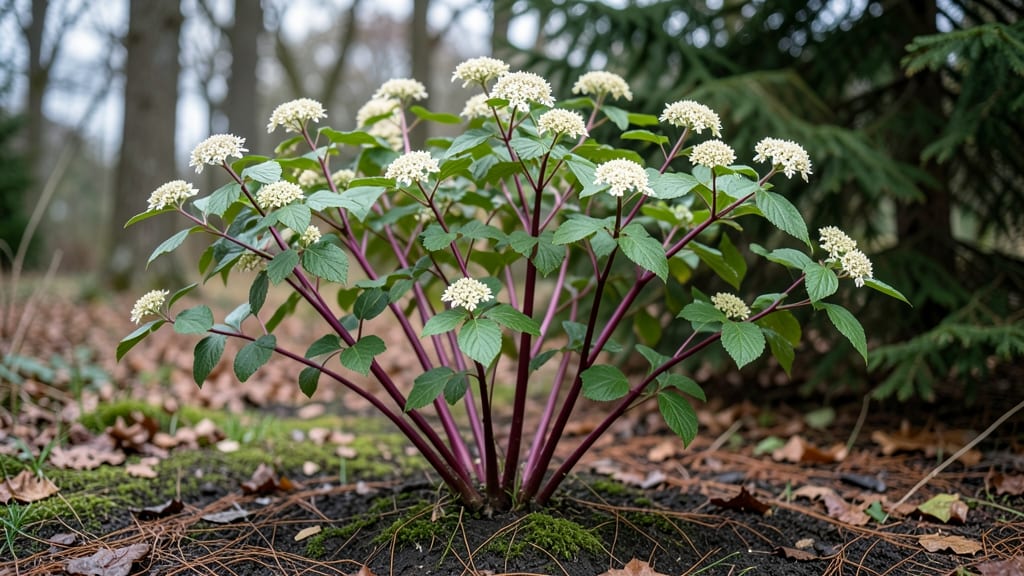
Pruning red shrub trees transforms them from seasonal showstoppers into year-round beauty magnets. 🌿 I've learned the hard way that skipping this step means missing out on vibrant winter stems, fragrant spring blooms, and dense summer foliage—all while keeping your shrubs compact and healthy.
Think Cornus sericea with its fiery winter stems or Pyracantha loaded with berries that birds adore. These shrubs thrive with strategic cuts that encourage new growth while maintaining their natural shape.
The key is timing: light pruning after flowering preserves next year's blooms, while heavier shaping in late winter opens up the canopy for better airflow.
You'll end up with shrubs that stay lush, disease-resistant, and full of life through every season. The fragrance from some varieties—like Nandina domestica—even becomes more noticeable after pruning, creating a sensory garden experience that lasts from spring to frost.
Works for hedges, focal points, or mixed borders—just adapt the technique to your shrub's natural growth habit. Let's get those shears ready for shrubs that steal the show all year!
📚 In This Guide
- What you need
- Instructions
- Tips and common mistakes
- Wrapping up and next steps
What you need
- ● Pruning shears: Bypass pruners (for clean cuts on small branches) – 1 pair (look for ergonomic, stainless-steel blades).
- ● Loppers: Bypass or anvil type (for thicker branches, 1.5"–2" diameter) – 1 pair (extendable handles for reach).
- ● Pruning saw: Curved-tooth or folding saw (for branches >2" diameter) – 1 saw (lightweight, with a comfortable grip).
- ● Disinfectant: 70% isopropyl alcohol or bleach solution (1 part bleach to 9 parts water) – small spray bottle (to sterilize tools between cuts).
- ● Gloves: Heavy-duty, cut-resistant – 1 pair (protects hands from thorns and rough bark).
- ● Safety glasses: ANSI-rated – 1 pair (shields eyes from debris).
- ● Ladder or step stool: Sturdy, non-slip – 1 unit (if tree exceeds 6 ft tall; ensure weight capacity >200 lbs).
- ● Trash bags: Heavy-duty, 30-gallon – 2–3 bags (for collecting pruned branches and debris).
- ○ Sharpie or marker: Permanent, weather-resistant – 1 (optional, for marking branches to remove).
- ● Hand pruners with ratcheting mechanism – Eases strain on larger branches.
- ● Pole saw – For high branches without a ladder.
- ● Tree wound dressing – Not recommended for most red shrubs (e.g., azaleas), but useful for burning bushes if cuts are large.
- ● Pruning sealant – Skip for most shrubs; natural healing is best.
- ● Notebook & pen – To sketch a pruning plan before starting.
Strategic pruning techniques for year-round fragrance in red shrub trees
Here’s how to sculpt your red shrub’s canopy for continuous fragrance while keeping it healthy and vibrant.
✂️ Step 1: Assess Growth Habits and Timing
Start by examining your shrub’s natural growth patterns—red shrubs like barberry or cotoneaster often bloom on old wood, meaning last year’s growth produces this year’s flowers. Prune immediately after blooming to avoid cutting off next season’s fragrance. If your shrub blooms in spring, wait until late spring or early summer before trimming.
Look for dead, crossing, or overcrowded branches—these are your first targets. Use sharp, clean pruners to make 45-degree cuts just above a leaf bud or lateral branch. This ensures new growth emerges in the right direction and maintains the shrub’s natural shape. Avoid cutting into the center of the shrub, as this can create a dense, shaded interior that reduces air circulation and fragrance.
🌿 Step 2: Shape the Canopy for Airflow and Light
Step back and visualize the shrub’s ideal form—most red shrubs benefit from a rounded or slightly vase-like shape that encourages airflow and sunlight penetration. Start by removing suckers (vigorous shoots growing from the base) and water sprouts (vertical shoots growing from the trunk or branches). These compete with the main structure for nutrients and can weaken fragrance production.
Thin out branches from the interior of the shrub to let light reach the center. This not only enhances fragrance but also prevents fungal diseases by reducing humidity. Aim to remove no more than 25% of the foliage in a single session—this prevents stress and ensures the shrub recovers quickly. Use hand pruners for smaller branches and loppers for thicker stems, always cutting just outside the branch collar.
☀️ Step 3: Refine for Fragrance and Seasonal Interest
To maintain year-round fragrance, focus on selective pruning that preserves the shrub’s natural blooming cycles. If your shrub has fall or winter interest (like berries or persistent foliage), avoid heavy cuts in late summer—this can reduce next season’s display. Instead, prune lightly in early spring to shape and encourage new growth.
Pay attention to overly long or leggy branches—these often produce fewer flowers and weaker fragrance. Shorten them back to a strong lateral branch or bud, cutting at the same 45-degree angle to promote healthy regrowth. For shrubs with fragrant foliage (like some barberries), avoid shearing—this removes leaves and reduces the scent. Instead, use precision cuts to maintain an open, airy structure.
⏰ Step 4: Post-Pruning Care for Recovery
After pruning, water the shrub deeply to help it recover, especially if you’ve made larger cuts. Mulch around the base with 2-3 inches of organic mulch (like shredded bark) to retain moisture and regulate soil temperature. Avoid piling mulch against the trunk, as this can trap moisture and invite rot.
Monitor the shrub for new growth in the weeks following pruning—this is a sign the cuts were successful. If you notice yellowing leaves or wilting, the shrub may be stressed. In this case, reduce watering slightly and avoid further pruning until it recovers. For heavily pruned shrubs, consider applying a balanced fertilizer in early spring to support regrowth and fragrance production.
🌱 Step 5: Year-Round Maintenance for Continuous Fragrance
To keep your red shrub fragrant year-round, schedule light maintenance pruning every 4-6 weeks during the growing season. Remove spent flowers (deadheading) to encourage more blooms, and trim back any overly aggressive growth that disrupts the shrub’s shape. This keeps the canopy open and ensures fragrance isn’t trapped in dense foliage.
In winter, give the shrub a final check—remove any dead or broken branches and lightly shape if needed. Avoid heavy pruning in late winter, as this can stimulate early growth that may be damaged by late frosts. With consistent care, your red shrub will reward you with fragrance, beauty, and structure for years to come.
Tips & tricks for perfect red shrub tree pruning
Here's what nobody tells you about keeping your red shrub's fragrance at its peak all year.
Timing is Everything: The instructions mention pruning immediately after blooming, but I've learned this the hard way—if you're unsure when your shrub blooms, check for spent flowers. For spring-blooming varieties, late spring/early summer timing is key. If you prune too early, you risk cutting off next year's blooms, and if you wait too long, you might stimulate unwanted growth that weakens fragrance production.
The 45-Degree Cut Secret: That seemingly small detail about making 45-degree cuts is actually critical. These angled cuts prevent water from pooling on the branch collar, which can lead to rot. I always use a sharp pruner and make the cut just above a leaf bud or lateral branch—this ensures new growth emerges in the right direction. For thicker branches, I use loppers but maintain that same angle for consistency.
Canopy Structure Matters More Than You Think: The instructions emphasize removing no more than 25% of foliage in one session, but here's the real insight: aim for 15-20% if your shrub has fragrant foliage. Dense canopies trap moisture and reduce air circulation, which both diminish fragrance. I visualize the shrub's ideal rounded shape and thin from the inside out, always prioritizing light penetration to the center.
Seasonal Adjustments for Year-Round Fragrance: While the instructions cover seasonal timing, I've found that winter pruning deserves special attention. After the first hard frost, remove any dead or broken branches but avoid heavy pruning—this can stimulate early growth vulnerable to late frosts. For shrubs with winter berries, limit cuts to just shaping the structure, preserving those fragrant winter displays.
Pro Tips for Red Shrub Tree
- Here's what nobody tells you about keeping your red shrub's fragrance at its peak all year.
- Timing is Everything: The instructions mention pruning immediately after blooming, but I've learned this the hard way...
- The 45-Degree Cut Secret: That seemingly small detail about making 45-degree cuts is actually critical. These angled ...
Frequently asked questions
about red shrub trees and their pruning can help you make informed decisions for year-round beauty. Here are some common queries:When is the best time to prune a red shrub tree?
The ideal time to prune most red shrub trees—like Cotoneaster or Pyracantha—is late winter or early spring, just before new growth begins. This timing promotes healthy blooms and prevents disease. However, light shaping can be done in summer after flowering if needed. Avoid heavy pruning in fall, as it may stimulate tender new growth that could be damaged by frost.
How much can I trim back a red shrub tree without harming it?
Most red shrub trees tolerate a 25-30% pruning without stress. For example, if your shrub is 6 feet tall, you can safely trim it back to about 4.5 feet. Avoid topping (cutting back to a flat top), as this can lead to weak, leggy growth. Focus on removing dead wood, crossing branches, and shaping for airflow. If you’re unsure, start conservatively and observe the tree’s response over a few weeks.
Why are my red shrub tree’s leaves turning brown or dropping?
Brown or dropping leaves in red shrub trees often signal overwatering, underwatering, or pests. Check the soil moisture—it should be evenly damp but not soggy. Yellowing leaves may indicate iron deficiency or rust fungus, while holes or skeletonized leaves suggest aphids, spider mites, or lacewings. Prune affected branches to improve airflow and treat with neem oil if pests are present.
Can I prune a red shrub tree to encourage more flowers or berries?
Yes! To boost flowers (like in Viburnum) or berries (common in Pyracantha), prune in late winter to remove old, woodier stems and shape the shrub into an open, vase-like form. This allows sunlight to reach inner branches, promoting more blooms. Avoid heavy pruning after flowering, as it may reduce next year’s fruit set. Pro tip: Deadhead spent flowers on some varieties to redirect energy to berry production.
What are some low-maintenance alternatives to red shrub trees?
If red shrub trees require too much pruning, consider these low-maintenance alternatives with similar color and structure:
- Dwarf Ninebark (Physocarpus): Tough, disease-resistant, and thrives in partial shade.
- Oakleaf Hydrangea (Hydrangea quercifolia): Offers vibrant fall foliage with minimal pruning.
- Barberry (Berberis): Spiky, berry-producing, and drought-tolerant.
- Smokebush (Cotinus): Dramatic purple foliage with little upkeep.
Wrapping up and next steps
Pruning your red shrub tree isn’t just about keeping its shape—it’s about unlocking its full potential for year-round beauty and health! 🌿 By mastering the right techniques, timing, and tools, you’ll encourage vibrant blooms, lush foliage, and even that signature fragrance.
Whether you’re a seasoned gardener or just starting, every trim brings you closer to a thriving, stunning landscape.
Ready to take the next step? Grab your pruners, dust off that notebook, and plan your next pruning session! Start small—pick one branch or section to refine—and watch your red shrub tree transform into a fragrant, picture-perfect centerpiece. Happy pruning! ✂️💖