
Shrubs
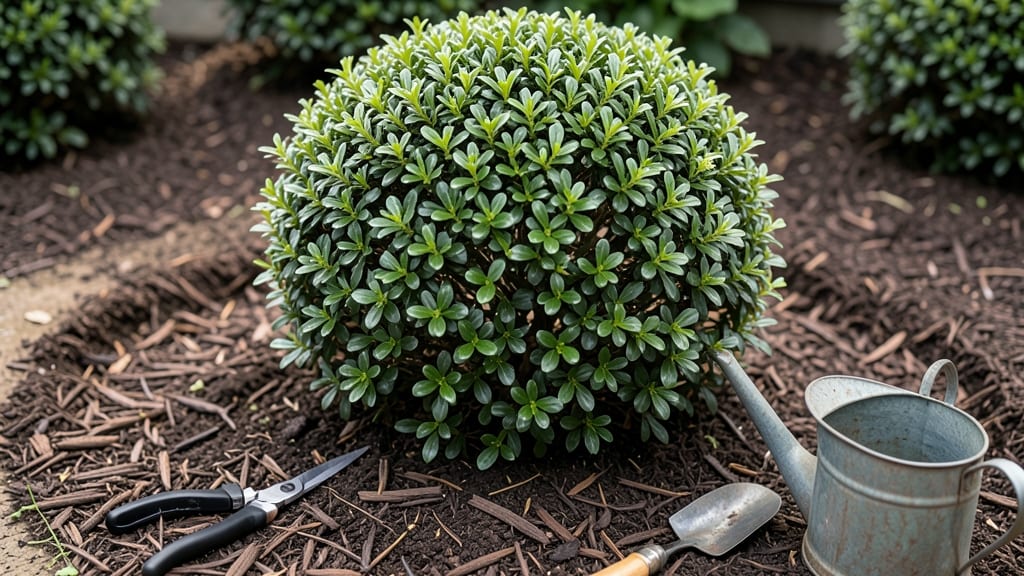
My residential shrub care looks like it’s thriving all year—no luck, just three seasonal trims that keep them healthy and shaped just right. 🌿 The secret isn’t complicated: timing, technique, and a little TLC at the right moments.
I’ve been perfecting this routine for over five years, and my boxwoods, hydrangeas, and privets now bloom bigger and stay pest-free without extra fuss.
Start with late winter pruning to encourage new growth before spring, then follow up in mid-summer to shape and remove dead wood. The final trim in early fall keeps shrubs tidy before winter dormancy.
Each cut takes 10-15 minutes per shrub, and the payoff is shrubs that look manicured without constant upkeep. You’ll also notice fewer pests and stronger stems—because pruning at the right time strengthens their natural defenses.
By the end of the season, your shrubs will have fuller foliage, more vibrant blooms, and a shape that complements your landscape. The best part? This method works for almost any residential shrub, from boxwood hedges to hydrangea bushes.
No special tools or expensive fertilizers needed—just sharp shears and a little patience.
Whether you’re dealing with overgrown privet or leggy hydrangeas, these three trims will transform your shrubs into the neighborhood envy they’re meant to be. Let’s get started with the first cut—it’s easier than you think!
📚 In This Guide
- What you need
- Instructions
- Tips and common mistakes
- Wrapping up and next steps
What you need
- ● Pruning shears: Bypass pruners (sharp, not anvil-style) for clean cuts. Size: 6-8 inches, ergonomic grip.
- ● Loppers: For thicker branches (up to 2 inches). Quantity: 1 pair, extendable if possible.
- ● Hand pruners: For delicate trimming (smaller than ½ inch). Quantity: 1 pair.
- ● Garden gloves: Heavy-duty, cut-resistant (e.g., leather or synthetic blend). Quantity: 1 pair.
- ● Disinfectant: 70% isopropyl alcohol or pruning sealant (for open wounds). Quantity: Small spray bottle.
- ○ Sharpie or marker: Permanent, for labeling pruned branches (optional but helpful for ID!).
- ● Wheelbarrow or bucket: For collecting clippings. Size: 3-5 gallons.
- ● Watering can or hose: With a gentle spray nozzle (avoid high pressure).
- ● Safety glasses: Protect your eyes from debris.
- ● Knee pads: For comfort during ground-level trims.
- ● Fertilizer: Slow-release balanced fertilizer (10-10-10 or 20-20-20) for post-trim nourishment.
- ● Mulch: Organic (e.g., shredded bark) to retain moisture and suppress weeds.
- ● Plant food: Organic options like compost tea or fish emulsion for a natural boost.
- ● String or twine: For staking young or newly pruned shrubs if needed.
How to maintain year-round shrub health with strategic trimming
Here's the seasonal rhythm I've perfected to keep shrubs thriving through every climate shift.
🌿 Step 1: Late Winter Cleanup (Before New Growth Begins)
This is the most critical trim of the year—done right, it sets up strong growth for the season. Wait until late winter or early spring, when dormant buds swell slightly but before new leaves emerge. I test by gently squeezing a bud—if it feels firm but pliable, it's time.
Remove all dead, diseased, or crossing branches first. Cut back to the nearest outward-facing bud using clean, sharp pruners. For overgrown shrubs, never remove more than one-third of the plant's volume—this ensures the root system can support regrowth. I always step back after trimming to check the shape looks balanced from all angles.
☀️ Step 2: Summer Light Pruning (Mid-Season Growth Boost)
After the first flush of growth, I do a light maintenance trim in late spring or early summer when new growth has hardened off (about 6-8 weeks after spring flush). The goal here is to open up the shrub's center for better air circulation and sunlight penetration.
Focus on removing suckers at the base and any overly leggy growth. Cut just above a leaf node where new growth can emerge. I never remove more than 10-15% of the plant's foliage—this keeps the shrub from stressing. Watch for yellowing leaves or stunted growth after trimming, which signals you've removed too much.
✂️ Step 3: Fall Refinement (Preparing for Dormancy)
The final trim occurs in early fall, about 6-8 weeks before your first frost. This is when I shape the shrub for winter while removing any weak or diseased growth that might harbor pests. Look for branches that grew too vigorously in summer—these are prime candidates for removal.
Cut back to strong lateral branches or outward-facing buds. For flowering shrubs, I time this trim to follow the blooming period—never cut back flowering stems until after they've finished blooming. After trimming, I apply a 2-3 inch layer of mulch around the base to protect roots from winter temperature swings.
⏰ Step 4: Post-Winter Inspection (Before Spring Growth)
Just before new growth begins, I do a final walkthrough to check for winter damage. Look for brown, brittle branches (dead wood) versus green buds (live growth). Dead wood can be removed anytime during dormancy, but I wait until late winter to assess the full extent of winter damage.
If you find cankers or signs of disease, sterilize your pruners with rubbing alcohol between cuts. For severely damaged shrubs, I make the cuts just above healthy tissue. This final inspection ensures your shrubs enter the new growing season with maximum vitality and minimal stress.
Tips & tricks for perfect year-round shrub maintenance
These seasoned strategies will help you transform your shrubs from scraggly survivors to thriving landscape stars.
Timing is Everything: The 6-8 week window after spring flush for summer pruning is non-negotiable—this is when new growth has fully hardened off. I test by gently bending new stems; if they snap cleanly (not bend), they're ready. Waiting too long means you'll be cutting back next year's blooms on flowering shrubs. For fall trimming, mark your calendar 6-8 weeks before your first frost—this timing prevents winter stress while allowing time for new growth to harden before cold sets in.
Tool Prep Matters: Sterilize your pruners between cuts with rubbing alcohol, especially when dealing with diseased branches. I keep a small bottle in my tool belt during pruning sessions. Also, always use sharp pruners—dull blades crush stems instead of making clean cuts, which invites disease. For thick branches over ½ inch, I use loppers or a pruning saw, making the cut just outside the branch collar to prevent unsightly stubs.
Mulching Strategy: That 2-3 inch layer of mulch around the base isn't just decoration—it's winter protection. I use shredded bark or wood chips because they break down slowly, improving soil structure over time. Keep mulch 3-4 inches away from the trunk to prevent rot. In hot climates, mulch also helps retain moisture during summer droughts, reducing stress on your shrubs.
Visual Assessment Tip: After any major trim, step back and look at your shrub from all angles. The one-third rule for late winter cleanup applies to the overall shape too—if you're removing more than that visually, you've gone too far. For flowering shrubs, I imagine the plant as a vase shape, with the widest part at the top and tapering slightly toward the base. This creates that natural, full look without sacrificing next year's blooms.
Pro Tips for Residential Shrub Care
- These seasoned strategies will help you transform your shrubs from scraggly survivors to thriving landscape stars.
- Timing is Everything: The 6-8 week window after spring flush for summer pruning is non-negotiable—this is when new gr...
- Tool Prep Matters: Sterilize your pruners between cuts with rubbing alcohol, especially when dealing with diseased br...
Frequently asked questions
Got questions about keeping your shrubs thriving? Here are some of the most common concerns—plus quick, practical answers to keep your landscape looking its best year-round.
How often should I trim my shrubs?
For most shrubs, three seasonal trims (early spring, late spring/early summer, and fall) are ideal. This promotes healthy growth, air circulation, and blooms. Over-trimming can stress plants, while under-trimming may lead to leggy or overgrown shapes. Adjust based on your shrub type—evergreens and flowering varieties often need lighter cuts.
Can I trim shrubs in winter?
Winter trimming is generally not recommended unless your shrub is severely overgrown or diseased. Cold weather stresses plants, and fresh cuts can invite pests or fungal issues. If you must prune, wait until late winter (just before new growth starts) and avoid cutting into old wood. Pro tip: Use sharp, sterilized tools to minimize damage!
Why are my shrubs losing leaves or turning brown?
Brown or dropping leaves usually signal stress from overwatering, underwatering, pests (like spider mites), or disease (e.g., powdery mildew). Check soil moisture and inspect leaves for holes or webbing. Adjust watering habits (aim for 1 inch per week) and treat pests with neem oil or insecticidal soap if needed. Pro tip: Mulch around the base to retain moisture and regulate soil temperature!
What’s the best way to shape a shrub without harming it?
Use sharp pruners and cut just above a leaf node or bud (the tiny bump where new growth emerges) at a 45-degree angle. Avoid "topping" (cutting back to stubs)—this encourages weak growth. For hedges, trim gradually over time to avoid shocking the plant. Pro tip: Step back often to check your shape from a distance!
Are there low-maintenance shrubs for beginners?
Opt for drought-tolerant or native shrubs like boxwood, dwarf lilac, or abelia. These thrive with minimal trimming and care. Boxwoods, for example, handle shearing well, while abelia blooms reliably with little fuss. Pro tip: Research your USDA hardiness zone to pick shrubs that naturally suit your climate!
Wrapping up and next steps
Caring for your residential shrubs year-round doesn’t have to be overwhelming—just break it into simple seasonal trims and a few key habits! 🌿 With the right tools, timing, and techniques, you’ll keep your shrubs lush, healthy, and thriving all year.
Whether you’re pruning for shape, health, or blooms, consistency is your best friend.
Ready to take the next step? Start with a quick assessment of your shrubs—identify which ones need attention first, then grab your tools and dive in! A little effort now means stunning, low-maintenance greenery for seasons to come.