
Trees
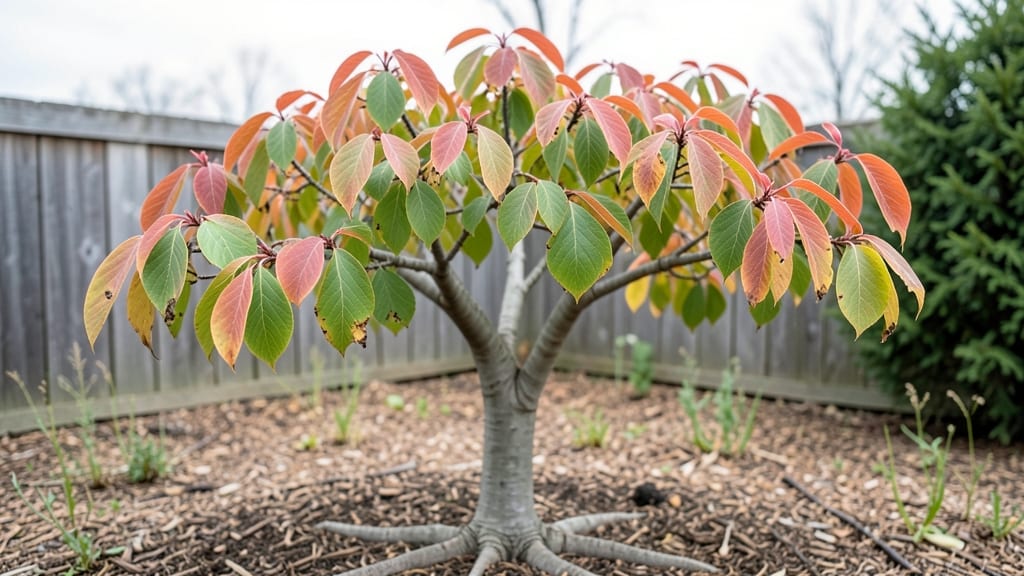
Fall transforms your Rising Sun redbud into a fiery spectacle, its leaves blazing copper and gold like autumn’s own fireworks. 🌿 I’ve watched mine go from spring’s delicate pink blooms to this molten display—and it’s the moment I wait for all year.
The magic happens when temperatures dip, and the tree’s foliage shifts from green to something straight out of a painter’s palette.
This isn’t just about admiring the show, though. Fall is the perfect time to prep your tree for winter. A light pruning now removes dead branches and encourages stronger growth next spring, while a 3-inch layer of mulch protects roots from frost.
I skip fertilizing after September—too late in the season risks tender new growth that winter will damage. The key is balance: enough care to keep it healthy, but not so much it struggles to rest.
By winter, your redbud will stand dormant but ready. The bark’s textured ridges and bare branches create a striking winter silhouette, and those roots are stockpiling energy for next year’s blooms.
With the right fall prep, you’ll see that first flush of pink in early spring—proof the hard work paid off. Let’s make sure your tree stays stunning through every season.
Works in zones 4-8, so whether you’re in a cold northern climate or a mild southern winter, these tips adapt easily. The Rising Sun handles it all—just give it a little attention now, and it’ll reward you for years.
📚 In This Guide
- What you need
- Instructions
- Tips and common mistakes
- Wrapping up and next steps
What you need
- ● Rising Sun Redbud Tree: 1 healthy sapling (3–5 gallons in container) or bare-root option (check local nurseries for fall availability).
- ● High-quality potting soil or native soil mix: 1–2 bags (enrich with compost for nutrient boost).
- ● Organic mulch (shredded bark or wood chips): 2–3 cubic feet (helps retain moisture and regulate soil temp).
- ● Slow-release fertilizer (balanced 10-10-10 or tree-specific): 1 small bag (follow label for dosage).
- ● Watering can or hose with gentle nozzle: 1 (for deep watering sessions).
- ● Garden gloves and kneeling pad: 1 pair each (protect your hands and knees!).
- ● Trowel or spade: 1 medium-sized (for digging holes and transplanting).
- ● Measuring tape or ruler: 1 (to ensure proper planting depth—hole should be 2–3x wider than root ball).
- ● Pruning shears (sterilized): 1 pair (for shaping or removing dead branches in late fall).
- ○ Stakes and tree ties (optional but helpful): 2 stakes + ties (if planting in windy areas).
- ● Tree collar guard: 1 (protects the base from lawnmower damage).
- ● Soil pH tester kit: 1 (Redbuds prefer slightly acidic soil, pH 6.0–7.0).
- ● Drip irrigation system or soaker hose: 1 (for consistent moisture in dry spells).
- ● Fall-specific fungicide (preventative): 1 spray bottle (if your area has high humidity or disease risk).
Step-by-Step guide to preparing Rising Sun Redbud trees for fall
Here's how to make the most of your Rising Sun Redbud trees' stunning autumn colors.
🌿 Step 1: Assess Tree Health Before Fall Arrives
Start by examining your Rising Sun Redbud for signs of stress or pests. Healthy trees handle fall better and show off their best foliage colors. Look for yellowing leaves, holes in foliage, or any signs of fungal growth like powdery white patches. I always check the bark too—healthy bark should be smooth and free of cracks or oozing sap.
If you spot any issues, now's the time to address them. Prune out any dead or diseased branches with clean, sharp pruners. Make cuts just outside the branch collar to prevent damage to the tree. This ensures the tree focuses its energy on producing vibrant fall foliage rather than fighting off pests or disease.
☀️ Step 2: Adjust Watering as Temperatures Drop
As fall approaches, Rising Sun Redbud trees need less water than in summer, but they still require consistent moisture. Water deeply once a week if rainfall is less than 1 inch. You'll know the soil is dry enough when the top 2-3 inches feel dry to the touch. Overwatering now can lead to root rot, especially as cooler temperatures slow evaporation.
I like to water in the early morning so the foliage has all day to dry out. This reduces the risk of fungal diseases that thrive in damp conditions. Mulch around the base of the tree with 2-3 inches of organic mulch to help retain moisture and regulate soil temperature. Keep the mulch a few inches away from the trunk to prevent rot.
🪴 Step 3: Fertilize for Vibrant Fall Foliage
To encourage the most stunning fall colors, apply a balanced, slow-release fertilizer in early fall, around 6-8 weeks before the first frost. This gives the tree time to absorb nutrients without promoting late-season growth that could be damaged by cold. I use a 10-10-10 or 20-20-20 formula at half the recommended rate for mature trees.
Spread the fertilizer evenly over the root zone, avoiding direct contact with the trunk. Water the tree thoroughly after applying to help distribute the nutrients into the soil. Avoid high-nitrogen fertilizers now—they encourage leafy growth rather than the vibrant red and orange hues you're after.
✂️ Step 4: Prune for Structure and Airflow
Light pruning in fall helps maintain the tree's shape and improves airflow, which is crucial for preventing fungal issues. Remove any crossing branches or those growing inward, as these can create weak points and reduce the tree's ability to showcase its foliage. I also trim back any suckers or water sprouts that appear at the base or along the trunk.
Prune on a dry day when the tree is dormant but still has leaves—this gives you a clear view of the structure. Use sterilized pruners to make clean cuts just outside the branch collar. Avoid heavy pruning now, as it can stimulate new growth that won't harden off before winter. A little shaping goes a long way in making your Rising Sun Redbud stand out in autumn.
🌱 Step 5: Protect Against Late-Season Pests
Fall is when pests like aphids and spider mites can still be active, especially if the weather stays mild. Inspect the undersides of leaves for clusters of tiny insects or fine webbing. If you find any, treat with a horticultural oil or insecticidal soap—these are safe for the tree and effective against soft-bodied pests.
I spray in the early evening to avoid harming beneficial insects like ladybugs, which are active during the day. A light application is enough—you don’t want to over-treat, as this can stress the tree. Keep an eye out for any signs of pests returning after treatment, and repeat if necessary before the first frost.
Tips & tricks for perfect autumn redbud care
These simple strategies will help your Rising Sun Redbud trees shine brighter than ever this fall.
Timing is Everything: The 6-8 week window before first frost is your golden opportunity to prepare these trees for their fall show. Mark your calendar now—this timing gives the tree just enough time to absorb nutrients without encouraging late-season growth that could be damaged by cold. I like to set a reminder 2 months before my area's average frost date to stay on schedule.
Pruning Precision: When you're pruning in Step 4, focus on creating an open canopy that allows sunlight to penetrate all the way to the inner branches. This sunlight exposure is what triggers those vibrant fall colors. I aim to remove about 10-15% of the total foliage—just enough to improve airflow without stressing the tree. Make your cuts at a 45-degree angle just outside the branch collar for the cleanest healing.
Mulch Matters: That 2-3 inch layer of organic mulch around your tree's base isn't just decoration—it's a crucial part of your fall prep. The mulch helps regulate soil temperature, which can make a big difference in root health during temperature swings. I always use shredded bark mulch because it breaks down slowly and adds organic matter to the soil over time. Just remember to keep it pulled back a few inches from the trunk to prevent rot.
Pest Prevention: For those late-season pests in Step 5, I've found that a preventive approach works best. Before you even see signs of pests, give your tree a light spray of horticultural oil mixed with water (1 part oil to 3 parts water). This creates a protective barrier that pests dislike without harming your tree. I do this about 2 weeks before the first expected frost as a final precaution.
Pro Tips for Rising Sun Redbud In Fall
- These simple strategies will help your Rising Sun Redbud trees shine brighter than ever this fall.
- Timing is Everything: The 6-8 week window before first frost is your golden opportunity to prepare these trees for their fall show.
- Pruning Precision: When you're pruning in Step 4, focus on creating an open canopy that allows sunlight to penetrate all the way to the inner branches.
Frequently asked questions
Why does my Rising Sun Redbud change colors in fall?
The Rising Sun Redbud (Cercis canadensis ‘Rising Sun’) is famous for its vibrant magenta-pink foliage in fall, thanks to its unique genetics. As temperatures drop and daylight shortens, the tree’s chlorophyll breaks down, revealing anthocyanins—the pigments responsible for those fiery hues. Pro tip: Cooler nights (below 50°F) and sunny days enhance the color show!
When is the best time to plant a Rising Sun Redbud for fall color?
For optimal fall foliage, plant your Rising Sun Redbud in early spring or early fall. This gives the tree’s roots time to establish before winter, ensuring it’s strong enough to produce bold autumn colors in its second or third year. Warning: Avoid planting in late fall—young trees may struggle with frost.
What if my Rising Sun Redbud’s leaves turn brown or drop early?
Brown or prematurely dropping leaves could signal stress from drought, poor soil, or pests. Check for:
- Underwatering: Redbuds need 1–1.5 inches of water weekly (more in extreme heat).
- Compacted or clay soil: Amend with compost to improve drainage.
- Pests: Spider mites or aphids can stress the tree—treat with neem oil if needed.
Are there other trees with similar fall colors?
If you love the Rising Sun Redbud’s autumn glow, try these fall-foliage stars:
- Royal Purple Smoke Tree (Cotinus ‘Royal Purple’): Deep purple leaves that shimmer.
- Empress Tree (Paulownia tomentosa): Golden-yellow fall hues.
- Japanese Maple (Acer palmatum): Vibrant reds, oranges, and purples.
- Sumac (Rhus typhina): Fiery red plumes that last into winter.
Does pruning affect fall color?
Pruning after the fall color fades (late winter or early spring) is ideal—it won’t harm the tree’s ability to produce vibrant hues. Avoid heavy pruning in summer or fall, as it can stress the tree and reduce next year’s color intensity. Quick tip: Remove only dead or crossing branches to maintain airflow.
Wrapping up and next steps
The Rising Sun Redbud is a true autumn gem—its fiery foliage and delicate blooms transform any landscape into a breathtaking masterpiece. Whether you're a gardener, nature lover, or simply someone who adores seasonal beauty, this tree offers effortless elegance and year-round interest. 🌿✨
Ready to bring this fall magic to your yard? Start by researching local nurseries or reputable online sellers to find a healthy specimen. Then, plan your planting spot with care—your future autumn views will thank you!