
Shrubs
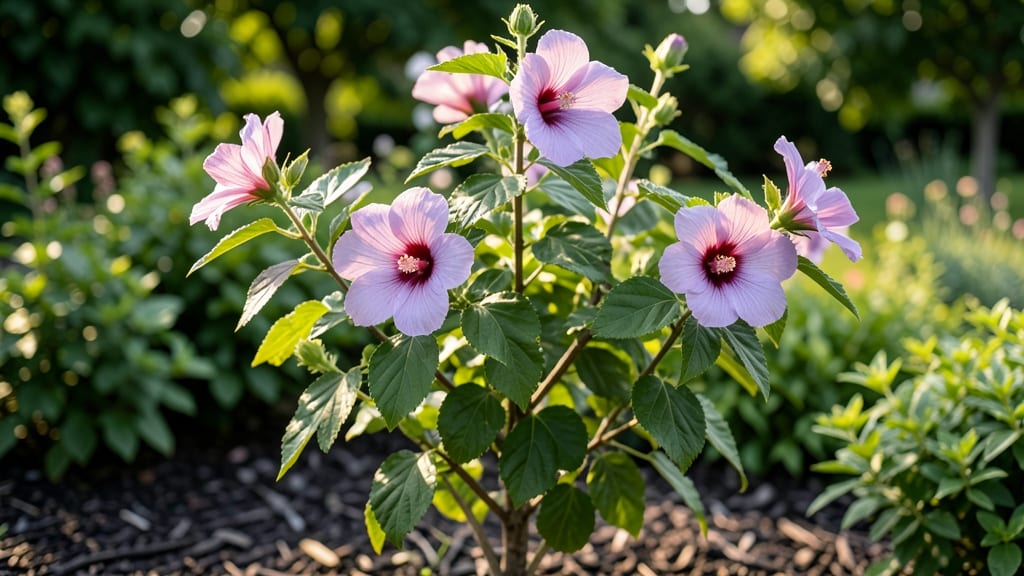
Transforming your yard into a seasonal floral canopy starts with the rose of Sharon flowering shrubs—those dramatic, late-summer bloomers that turn heads every August. 🌸 I’ve grown them for years, and the secret isn’t just planting them right; it’s understanding how to prune them throughout the seasons to keep them flowering like crazy.
These shrubs thrive with full sun and well-draining soil, but they’re surprisingly adaptable to different climates. The key is pruning at the right times—right after flowering in early fall and again in late winter—to encourage fresh, vigorous growth.
Skip this step, and you’ll end up with a leggy mess instead of a lush, blooming hedge.
By following this seasonal rhythm, you’ll get three to four weeks of showstopping blooms each year, with flowers in shades of pink, purple, and white that last for weeks. The best part? They’re low-maintenance once established, and deer and rabbits usually leave them alone.
Perfect for privacy screens, foundation plantings, or even as a standalone statement plant. Let’s get those blooms going strong!
📚 In This Guide
- What you need
- Instructions
- Tips and common mistakes
- Wrapping up and next steps
What you need
- ○ Rose of Sharon plants: 1–3 nursery-grown shrubs (3–5 ft tall, Hibiscus syriacus varieties like 'Blue Chiffon' or 'Diana'). Rooted cuttings (optional, for propagation).
- ● Soil: Well-draining, slightly acidic to neutral (pH 6.0–7.5). Mix in 2–3 inches of compost or aged manure.
- ○ Fertilizer: Balanced 10-10-10 or 5-10-5 granular fertilizer (½ cup per shrub, spring/fall). Slow-release rose or shrub fertilizer (optional, for extra blooms).
- ● Pruning tools: 1 pair bypass pruners (sharp, for clean cuts). 1 pair loppers (for thicker branches, 2–3 ft handles). 1 hand saw (for stubborn, woody stems). Disinfectant (rubbing alcohol or bleach solution 1:9) to sterilize tools.
- ● Mulch: 2–3 inches of wood chips or shredded bark (retains moisture, suppresses weeds).
- ○ Support (optional): Stakes or tree ties (if planting in windy areas). Lightweight cage or trellis (for climbing varieties like 'Pink Giant').
- ● Sunlight: Full sun (6+ hours/day) for optimal blooms; tolerates partial shade (but fewer flowers).
- ● Watering: Deep watering 1–2 times/week (drought-tolerant once established).
- ● Climate: Hardy in USDA Zones 5–9; protect young plants from late frosts.
- ● Spacing: Plant 6–10 feet apart (allows airflow and sunlight penetration).
- ● Test your soil’s pH with a test kit—amend with lime (to raise pH) or sulfur (to lower) if needed.
- ● Choose a well-draining location; avoid low spots where water pools.
- ● For container growing: Use a 5-gallon pot with drainage holes and a lightweight potting mix.
Step-by-step pruning guide for Rose of Sharon flowering shrubs
Master the seasonal art of pruning to transform your Rose of Sharon into a lush, repeat-blooming powerhouse.
✂️ Step 1: Late Winter Pruning for Structure and Airflow
Prune your Rose of Sharon in late winter, just as new growth begins to swell but before buds break. This is when the plant is dormant but ready to respond to shaping. I use clean, sharp loppers to make 45-degree cuts just above outward-facing buds—this encourages branches to grow outward rather than inward, which prevents crowding and improves airflow.
Remove any dead, diseased, or crossing branches first. Dead wood is easy to spot—it’s brown, brittle, and doesn’t bend. Crossing branches compete for sunlight and nutrients, so cut one of the two, always leaving the healthier stem. Aim to open up the center of the shrub by 20-30%—this reduces humidity trapped inside, which prevents fungal diseases like black spot.
Here’s the thing—don’t overdo it. You’re not trying to drastically reduce the size; instead, you’re refining the shape. A well-pruned Rose of Sharon should still have a full canopy after this step. If you’re unsure, take a photo first so you can compare before and after.
🌿 Step 2: Post-Bloom Pruning to Encourage Fall Flowers
After the first flush of summer blooms fades, prune again to stimulate a second round of flowers. This time, focus on cutting back spent flower stems to the nearest strong lateral bud or leaf node. I like to make these cuts just above a leaf that’s growing outward—this directs energy into new growth rather than letting the plant waste resources on seed production.
Watch for suckers—those are the vigorous shoots that sprout at the base of the plant. While they might seem harmless, they divert energy from the main canopy. Snip them off at the base with hand pruners to keep the plant’s energy focused on the established structure. This step is all about balance: you want to remove enough to encourage new growth but not so much that you strip the shrub of its ability to photosynthesize.
Real talk: if you skip this step, you’ll miss out on the stunning fall blooms that Rose of Sharon is famous for. The plant naturally prepares for dormancy in late summer, so pruning now gives it a second chance to flower before the colder months.
⏰ Step 3: Light Maintenance Pruning Through the Seasons
Throughout the growing season, keep an eye out for overly long or leggy branches that spoil the shrub’s shape. These usually appear in early summer when growth is rapid. Trim them back by one-third to encourage bushier growth. Use your fingers to feel for the lateral bud—it’s often slightly larger and bumpier than the stem itself.
Deadhead individual spent blooms regularly to redirect the plant’s energy into producing more flowers rather than seeds. I use my thumb and forefinger to pinch off the faded flowers right at the base of the stem. This might seem tedious, but it pays off with nonstop blooms from early summer through fall. If you’re growing near a walkway or patio, this also keeps petals from staining surfaces.
In late summer, as temperatures drop and growth slows, reduce pruning to just removing dead or diseased branches. The plant is preparing for dormancy, and heavy pruning now can stress it unnecessarily. Think of this as a gentle tidying-up rather than a major structural overhaul.
☀️ Step 4: Winter Preparation for Next Season’s Growth
As the first hard frost approaches, give your Rose of Sharon one final check. Remove any weak, thin, or damaged branches that didn’t make the cut earlier in the year. These branches are more likely to die back in winter or become entry points for pests. If your climate gets below 10°F, consider wrapping the shrub with burlap or using a tree guard to protect it from cold winds and frost.
Here’s where it gets fun—watch for new growth in early spring, which signals it’s time to start the pruning cycle again. The key is to prune just before the plant wakes up but after the coldest part of winter has passed. This timing ensures you’re not encouraging tender new growth that could be damaged by late frosts.
Don’t skip this final step. A well-prepared Rose of Sharon enters dormancy stronger and rebounds faster in spring, giving you earlier and more abundant blooms. It’s like giving your plant a cozy blanket to snuggle into until it’s ready to burst back to life.
Tips & tricks for perfect Rose of Sharon pruning
Transforming your Rose of Sharon into a blooming masterpiece takes more than just timing—it’s about precision and understanding the plant’s natural rhythms.
Tool Selection: Invest in a quality pair of bypass pruners for clean cuts and avoid crushing stems. For branches thicker than your wrist, use loppers with a 6- to 8-inch blade—this gives you better leverage and control. I’ve found that sterilizing tools with rubbing alcohol between cuts prevents disease spread, especially when dealing with diseased branches in Step 1.
Visual Pruning Cues: In Step 2, look for the small bump on the stem just below spent blooms—that’s your lateral bud. Cutting just above it (about ¼ inch) ensures new growth emerges outward. If you’re unsure which bud is strongest, make your cut slightly higher—you can always trim back later. The goal is to create an open vase shape, so visualize how each cut affects the overall silhouette.
Seasonal Timing Nuances: The 10°F threshold mentioned for winter protection isn’t just about temperature—it’s about hardiness zones. If you’re in Zone 7 or warmer, you might need protection at 20°F instead. Watch for new growth in early spring as your signal to prune, but don’t rush—wait until after the last frost date in your area to avoid damaging tender shoots.
Pro Tips for Rose Of Sharon Flowering Shrubs
- Transforming your Rose of Sharon into a blooming masterpiece takes more than just timing—it’s about precision and und...
- Tool Selection: Invest in a quality pair of bypass pruners for clean cuts and avoid crushing stems. For branches thic...
- Visual Pruning Cues: In Step 2, look for the small bump on the stem just below spent blooms—that’s your lateral bud. ...
Frequently asked questions
Got questions about keeping your Hibiscus syriacus (Rose of Sharon) thriving?
Here are answers to the most common ones—so you can enjoy that stunning floral display year after year!
When is the best time to prune Rose of Sharon for maximum blooms?
Prune your Rose of Sharon late winter or early spring (just before new growth starts) to encourage vigorous blooming. If you want a second flush of flowers, do a light summer pruning after the first bloom cycle. Avoid heavy pruning in fall—it reduces winter hardiness!
Can Rose of Sharon survive harsh winters? How do I protect it?
Yes! This shrub is highly cold-hardy (USDA Zones 5-9), but young plants or tender varieties may need mulch or burlap wraps in extreme cold. Older shrubs usually bounce back—just avoid pruning until spring to prevent winter damage.
Why isn’t my Rose of Sharon flowering this year?
Common culprits include over-fertilizing (too much nitrogen = leafy growth, no blooms), poor pruning timing, or shady spots. Try pruning back 1/3 of old wood in late winter and move it to full sun for better blooms next season.
What’s a good alternative if I want a similar shrub but with less maintenance?
Consider Butterfly Bush (Buddleia) or Weigela—both bloom prolifically and are low-maintenance. For a fragrant option, try Deutzia. Just note: Rose of Sharon’s long, arching branches and late-season blooms are hard to beat!
Are Rose of Sharon shrubs prone to pests or diseases? How do I prevent them?
They’re generally tough, but watch for aphids, spider mites, or powdery mildew in humid climates. Prevent issues with:
- Good airflow (avoid overcrowding)
- Watering at the base (not overhead)
- Pruning for sunlight (reduces moisture buildup)
Wrapping up and next steps
Transforming your garden with Rose of Sharon flowering shrubs is a rewarding journey—one that blends beauty, resilience, and seasonal science! 🌸 With the right pruning techniques, you’ll unlock vibrant blooms year after year, turning your outdoor space into a lush, ever-changing masterpiece.
Now that you’re armed with the how-to, it’s time to roll up your sleeves and give these shrubs the care they deserve.
Ready to take the next step? Start by scheduling your first pruning session this spring—watch your Rose of Sharon flourish under your expert touch! 🌿 For even more inspiration, explore seasonal care guides or connect with gardening communities to share your progress.