
Pests and Diseases
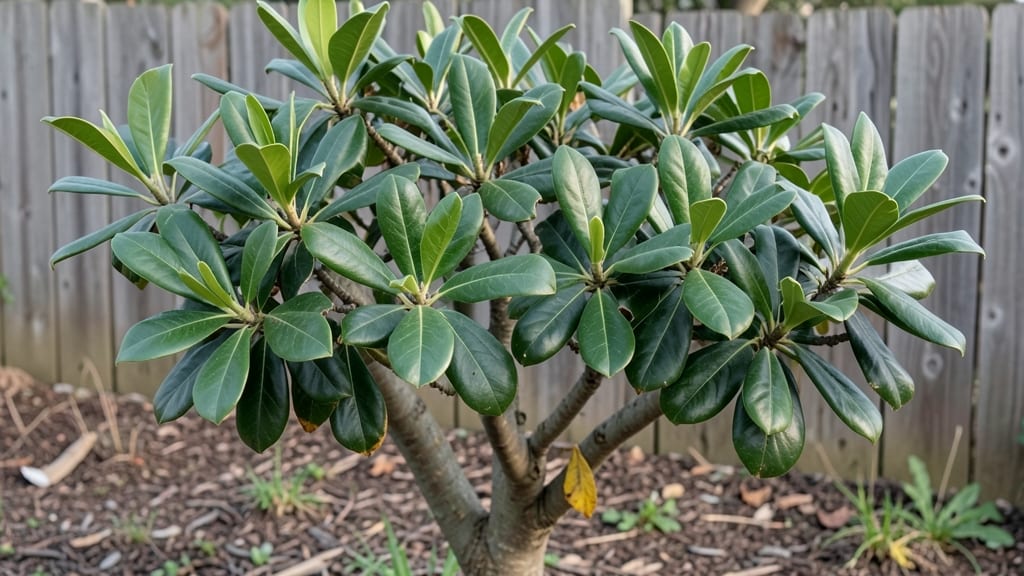
The first sign of saucer magnolia leaf trouble is those ugly brown spots that creep in like an unwelcome guest. 🌿 I’ve seen this fungal blight ruin perfectly healthy trees if you don’t catch it early—and trust me, you don’t want to wait until the leaves start falling prematurely.
The good news? With the right approach, you can stop it before it spreads to the whole tree.
Most fungal blight on saucer magnolias starts with wet leaves and warm, humid conditions—classic spring or summer weather. You’ll spot dark, irregular patches with yellow halos around them, and sometimes a fuzzy white coating if it’s powdery mildew.
The key is acting fast: prune infected branches, improve airflow, and treat with a copper-based fungicide or baking soda spray before the disease takes hold.
By the time you finish cleaning up, your tree will start showing new growth with clean, vibrant leaves—no more crunchy, spotted mess. The secret is consistency: check your magnolia every 7-10 days during rainy seasons, and prune in late winter to keep the canopy open.
It’s not just about fixing the problem; it’s about preventing it from coming back.
This works for any saucer magnolia, whether it’s a young tree or a mature one that’s been around for decades. The same principles apply to other shade trees too—just adjust the fungicide strength if your tree is extra large. Let’s get your magnolia back to its showstopping self!
📚 In This Guide
- What you need
- Instructions
- Tips and common mistakes
- Wrapping up and next steps
What you need
- ● Hand lens or magnifying glass – For closely inspecting leaf spots (5x–10x magnification works best).
- ● Ruler or measuring tape – To track spot size and spread over time.
- ● Camera (smartphone works!) – Capture close-ups of symptoms for comparison with fungal blight references.
- ○ pH test kit (optional but helpful) – To check soil acidity (ideal range: 5.0–6.5 for magnolias).
- ● Fungicide (copper-based or neem oil-based) – Look for labels approved for ornamental trees (e.g., Copper Fungicide or Neem Oil 100%). Quantity: Enough for 2–3 applications, ~1–2 gallons per treatment.
- ● Pruning shears (sterilized!) – Sharp, bypass pruners (clean with 70% isopropyl alcohol before/after use).
- ● Garden hose with nozzle – For thorough leaf washing (use a gentle spray to avoid damaging foliage).
- ● Compost bin or trash bags – To dispose of infected leaves (do not compost them!).
- ● Mulch (2–4 inches of organic mulch) – Use pine straw, wood chips, or shredded bark to improve drainage and reduce soil splashing.
- ○ Rain gauge (optional) – To monitor watering; saucer magnolias prefer 1–1.5 inches of water weekly (adjust for rain).
- ● Gloves (nitrile or rubber) – Protects hands from sap and fungi while pruning.
How to diagnose and treat saucer magnolia leaf fungal blight
Here's my step-by-step approach to catching and curing this common disease before it ruins your tree.
🌿 Step 1: Identify Early Symptoms on Leaves
Start by examining the upper and lower leaf surfaces for tiny, dark purple or brown spots that appear powdery. These are the first signs of fungal blight. I check leaves in late spring to early summer when humidity spikes and conditions become ideal for fungal growth. Look closely at the edges of leaves first—blight often appears there before spreading inward.
Run your fingers gently over the spots. If you feel a rough, powdery texture, that's the fungus itself. Healthy leaves should feel smooth. Don't wait until large patches appear—early action prevents the disease from moving to stems and branches.
💧 Step 2: Adjust Watering Practices Immediately
Fungal blight thrives in wet conditions, so I cut back on overhead watering completely. Water only at the base of the tree using a soaker hose or drip irrigation. This keeps the foliage dry and reduces humidity around the leaves. Water in the early morning so leaves have time to dry before evening dew forms.
Check the soil moisture by inserting your finger 2 inches deep. Water only when the soil feels dry to the touch. Overwatering creates the perfect environment for fungal spores to spread. I've found that saucer magnolias actually tolerate drought better than they do wet leaves.
✂️ Step 3: Prune and Remove Infected Foliage
Use clean, sharp pruners to remove any leaves showing more than 50% discoloration. Drop these immediately into a sealed plastic bag to prevent spores from spreading to other plants or back to your magnolia. I wear gloves during this process—fungal spores can irritate skin.
Focus on removing leaves from the lower third of the tree first, as these collect more moisture from splashing water. After pruning, disinfect your pruners with 70% isopropyl alcohol to prevent cross-contamination. Never compost infected leaves—they'll spread the disease to your compost pile.
☀️ Step 4: Apply Fungicidal Treatment
Once you've removed infected leaves, treat the tree with a copper-based fungicide or a product containing neem oil. Follow the label instructions carefully for dilution rates. I apply the treatment in the early morning on a calm day to avoid wind dispersing the spray. Cover the entire canopy, including the undersides of leaves where spores often hide.
Reapply the fungicide every 7-14 days during wet conditions or after heavy rains. I've found that consistent applications work better than single treatments. Avoid using fungicides when bees are active—apply in the late afternoon when pollinators are less active.
🌱 Step 5: Strengthen Tree Resilience Long-Term
After treating the blight, focus on improving your saucer magnolia's overall health. Apply a balanced, slow-release fertilizer in early spring to provide essential nutrients. I use a 10-10-10 formula spread evenly around the drip line of the tree. Water thoroughly after application to help nutrients reach the roots.
Mulch the base of the tree with 2-3 inches of organic mulch, keeping it 6 inches away from the trunk. This helps regulate soil temperature and retain moisture. I reapply mulch annually in early spring to maintain its protective layer. Healthy trees resist fungal infections much better than stressed ones.
Tips & tricks for managing saucer magnolia leaf fungal blight
Here's what I've learned after dealing with this frustrating issue—these tricks saved my trees from permanent damage.
The Early Detection Game-Changer: I keep a small magnifying glass handy for Step 1. Fungal spots often start as tiny, almost invisible specks that look like dust. Check the undersides of leaves first—they're where spores love to hide. I've caught blight in its earliest stages by looking for these telltale signs before they spread to the upper surfaces. Remember, those powdery spots are the fungus itself, not just discoloration.
Watering Wisdom: In Step 2, I've found that saucer magnolias actually prefer less water than most gardeners think. Instead of watering every few days, I check soil moisture at the 2-inch depth mentioned—if it's dry, I water thoroughly at the base. The key is to avoid any moisture on the leaves at all. I've seen blight disappear completely after just one week of proper watering adjustments.
Pruning Precision: When removing infected leaves in Step 3, I go beyond just the obvious spots. Look for leaves with more than 50% discoloration, but also check nearby leaves that might be showing early signs. I use a separate pair of pruners just for infected trees to prevent cross-contamination. After pruning, I immediately disinfect my tools with 70% isopropyl alcohol—this simple step has prevented multiple reinfections in my own garden.
Treatment Timing: For Step 4, I've learned that timing fungicide applications matters as much as the product itself. I always apply in the early morning when humidity is lower, and I make sure to cover all leaf surfaces—especially the undersides where spores hide. The 7-14 day reapplication schedule is crucial, but I've found that during particularly wet seasons, I need to apply more frequently. I keep a spray log to track applications and notice patterns in when the blight returns.
Pro Tips for Saucer Magnolia Leaf
- Here's what I've learned after dealing with this frustrating issue—these tricks saved my trees from permanent damage.
- The Early Detection Game-Changer: I keep a small magnifying glass handy for Step 1.
- Watering Wisdom: In Step 2, I've found that saucer magnolias actually prefer less water than most gardeners think.
Frequently asked questions
Got questions about saucer magnolia leaf fungal blight?
You’re not alone! Here are some of the most common concerns—and expert answers to help you act fast.
What does saucer magnolia leaf blight look like?
Fungal blight on saucer magnolia leaves often starts as small, dark brown or purple spots with yellow halos. As it spreads, the spots grow larger, turn grayish, and may develop a fuzzy white or gray mold (the fungus’s spores). Severe cases cause leaves to crinkle, drop early, or even die back. Compare your tree’s symptoms to these photos for a quick ID!
When is the best time to treat fungal blight on saucer magnolia?
Act early—ideally in late winter or early spring—before buds swell but leaves emerge. This is when you can prune infected branches and apply preventive fungicides (like copper-based sprays or neem oil). If you spot blight mid-season, treat immediately but focus on removing infected foliage to limit spread.
Can I save my saucer magnolia if the blight is already spreading?
Yes! Prune aggressively—cut out and dispose of infected leaves/branches (don’t compost them!). Thin the canopy for better airflow and apply a systemic fungicide (like myclobutanil) every 2–3 weeks. For severe cases, sterilize pruners with rubbing alcohol between cuts to avoid cross-contamination. Pro tip: Water at the base (not overhead) to keep leaves dry.
Are there chemical-free ways to prevent saucer magnolia leaf blight?
Start with cultural controls:
- Improve drainage—soggy soil invites fungi. Amend clay soil with compost.
- Mulch properly—keep mulch 3–4 inches away from the trunk to prevent moisture buildup.
- Encourage beneficial microbes—apply compost tea or bacillus subtilis (a natural fungus fighter).
- Prune for airflow—remove dense branches to reduce humidity in the canopy.
For mild cases, neem oil or baking soda spray (1 tsp baking soda + 1 quart water + a drop of dish soap) can help as a preventive.
Why does my saucer magnolia keep getting blight even after treatment?
Blight often returns if the root cause isn’t addressed. Check for:
- Poor drainage—test soil moisture and amend if needed.
- Overhead watering—switch to drip irrigation or water at the base.
- Infected debris—remove fallen leaves from under the tree year-round.
- Stress factors—saucer magnolias hate compacted soil or root competition from nearby plants.
If blight persists, test your soil pH—magnolias prefer slightly acidic soil (pH 5.5–6.5). Adjust with sulfur or lime if needed.
Wrapping up and next steps
Catching fungal blight on your saucer magnolia leaf early can save your tree—and your gardening sanity! 🌿 By recognizing the telltale signs (like those dark, crinkled spots) and acting fast with the right tools and techniques, you’ve got a real shot at keeping your magnolia thriving. Remember: prevention is your best friend!
Now that you’re armed with knowledge, grab those pruners and get to work! Check your magnolia weekly during damp seasons, and don’t hesitate to share these tips with fellow plant lovers. Happy (and healthy) gardening! 🌱