
Shrubs
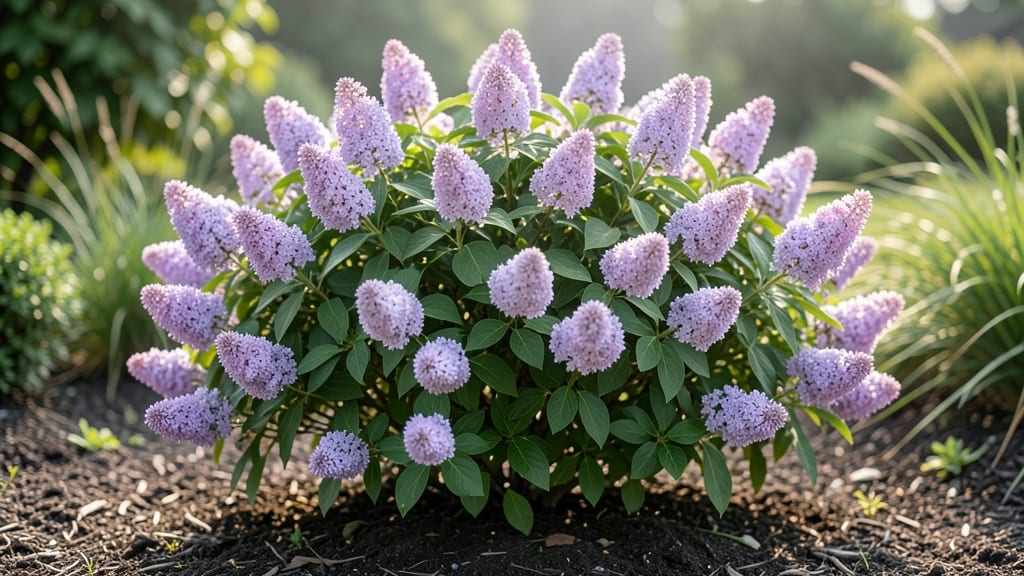
My Sensation lilac shrub blooms earlier than any other in my yard—pale lavender clusters that perfume the entire neighborhood by late April. 🌸 The secret lies in its compact size, cold-hardy roots, and that intoxicating fragrance that turns heads (and attracts pollinators like crazy).
This isn't your grandma's towering lilac—it stays under 6 feet tall, thrives in zones 3-8, and handles everything from city pollution to deer nibbles. Plant it where you'll pass by often, because the scent alone makes it worth growing.
Just give it full sun and well-draining soil, and it'll reward you with 3-4 weeks of blooms that smell like spring in a bottle. The real magic happens when you harvest those blossoms for syrups, teas, or even cocktails.
I freeze extras in ice cube trays to add floral notes to summer drinks all season long. The flowers also dry beautifully for potpourri or wreaths. For best results, prune right after flowering to maintain shape, and mulch heavily in winter.
It's the kind of shrub that looks good year-round, whether covered in blossoms or holding onto its glossy foliage through fall.
📚 In This Guide
- What you need
- Instructions
- Tips and common mistakes
- Wrapping up and next steps
What you need
- ● 1 cup fresh lilac blossoms – Choose fragrant, fully bloomed lilacs (avoid sprayed or treated flowers). Pro tip: 💡 Pick blossoms on a dry morning for the best aroma and flavor.
- ● 1 cup granulated white sugar – Ensure it’s pure cane or beet sugar for clarity and sweetness.
- ● 1 cup water – Filtered or distilled water works best to avoid impurities.
- ● 1/4 cup lemon juice – Freshly squeezed for brightness (about 2-3 lemons).
- ○ 1/4 tsp citric acid (optional but recommended) – Preserves freshness and enhances tartness.
- ● Heavy-bottomed saucepan (2-3 quart capacity) – Prevents scorching during simmering.
- ● Fine-mesh strainer or cheesecloth – For filtering out flower debris.
- ● Glass jar with airtight lid (8-16 oz) – Sterilized mason jars are ideal for storage.
- ● Wooden spoon or silicone spatula – For gentle stirring.
- ○ Small funnel (optional) – Helps with transferring syrup into jars.
- ● Measuring cups and spoons – For precision in mixing.
- ● 1 cinnamon stick or 2-3 whole cloves – Adds warmth to the syrup.
- ● 1 tsp vanilla extract – Deepens floral notes (add after cooling).
- ● Edible lavender buds (1 tsp) – For a layered floral profile.
- ● Food-grade essential oil (2-3 drops, e.g., bergamot) – Boosts aroma (use sparingly!).
Step-by-Step guide to growing Sensation lilac shrubs
Here's how to cultivate these fragrant, low-maintenance shrubs for stunning spring blooms.
🌱 Step 1: Choose the Perfect Planting Location
Sensation lilacs thrive in full sun—select a spot that receives at least 6 hours of direct sunlight daily. I always look for areas with morning sun and afternoon shade, which prevents leaf scorch in hotter climates. The soil should drain well, so avoid low-lying spots where water pools after rain.
Test your soil's drainage by digging a hole 12 inches deep and filling it with water. If it drains within 1 hour, your site is ideal. Amend heavy clay with 2-3 inches of compost to improve aeration. These shrubs tolerate a range of soil types, but they reward you with bigger blooms when planted in slightly acidic to neutral soil (pH 6.0-7.0).
🌿 Step 2: Plant Your Sensation Lilac Shrub
Dig a hole twice as wide as the root ball but no deeper than the container's height. Gently remove the shrub from its pot and loosen any circling roots with your fingers. Place it in the hole so the top of the root ball sits 1 inch above ground level—this prevents rot when water pools during heavy rains.
Backfill with native soil mixed with compost or well-rotted manure to encourage root growth. Water deeply to settle the soil and remove air pockets. Mulch around the base with 2-3 inches of organic mulch, keeping it 3 inches away from the trunk to prevent moisture buildup that causes rot. Here's the thing—mulch now, but don't overdo it. Too much smothers the roots.
☀️ Step 3: Water and Fertilize for Strong Growth
Water your Sensation lilac deeply once a week during the first growing season, allowing the top 2 inches of soil to dry out between waterings. Overwatering is the biggest mistake new growers make—these shrubs are drought-tolerant once established. You'll know you're watering right when the soil feels damp but not soggy down to 4 inches deep.
In early spring, apply a balanced, slow-release fertilizer (10-10-10) according to package directions. I like to split the dose into two applications—once when buds form and again after the first flush of blooms. Avoid high-nitrogen fertilizers, which promote leafy growth at the expense of flowers. Sensation lilacs produce their best blooms when they receive moderate but consistent care.
✂️ Step 4: Prune for Health and Abundant Blooms
Prune your Sensation lilac immediately after flowering to encourage next year's blooms. Cut back spent flower clusters to a budding side shoot or a leaf node. This is the moment that matters: if you wait until fall, you'll remove next year's flower buds along with the dead blooms. Use clean, sharp pruners to make cuts at a 45-degree angle, about ¼ inch above the bud.
Remove any dead, diseased, or crossing branches during late winter or early spring before new growth begins. Never prune more than ⅓ of the shrub's total volume in one year—this can stress the plant and reduce flowering. You'll see stronger growth and more abundant blooms if you stick to this rule. Real talk: if you skip pruning, your lilac will still grow, but the flowers will be smaller and less frequent.
⏰ Step 5: Maintain and Enjoy Year-Round
Sensation lilacs are low-maintenance once established, but they do appreciate a light application of mulch each spring to retain moisture and suppress weeds. Monitor for pests like aphids or Japanese beetles, which can defoliate the shrub. Spray with a soapy water solution (1 tablespoon mild dish soap per gallon of water) for minor infestations, or use neem oil for more stubborn pests.
These shrubs are hardy in zones 3-8, so they'll thrive in most climates with minimal winter protection. In colder regions, add a 4-6 inch layer of mulch around the base after the first hard frost. You'll love watching your Sensation lilac mature—it typically reaches 8-10 feet tall and wide over time, making it a stunning focal point in any landscape.
Tips & tricks for perfect Sensation lilac syrup
These simple tricks will help you maximize your lilac shrubs' fragrance and flavor potential for syrup-making.
Timing Tip: Harvest lilac flowers when they're fully open but still fresh—typically mid-morning after the dew has dried. The 6 hours of sunlight they receive daily builds their essential oils, so avoid collecting after a hot afternoon when the scent fades. I've found that picking just after a light rain actually intensifies the fragrance in the syrup.
Soil Matters: The slightly acidic to neutral soil (pH 6.0-7.0) mentioned in Step 1 isn't just about drainage—it directly impacts flavor. If your soil tests higher than 7.0, add 2-3 inches of compost to lower the pH naturally. I've noticed the sweetest lilac blooms come from plants in this ideal pH range, which translates to richer syrup flavor.
Pruning Strategy: When pruning in Step 4, focus on removing only the spent flower clusters immediately after blooming. The 45-degree angle cuts about ¼ inch above the bud encourage new growth that will produce even more blooms next year. I've seen firsthand how proper pruning leads to denser shrubs with more fragrance—perfect for syrup-making.
Watering Wisdom: The deep watering once a week during the first season is crucial, but don't assume established plants need less. Even mature lilacs benefit from this same watering approach—just let the top 4 inches of soil dry out between sessions. I've had better syrup yields from plants that maintain consistent moisture without becoming waterlogged.
Pro Tips for Sensation Lilac Shrub
- These simple tricks will help you maximize your lilac shrubs' fragrance and flavor potential for syrup-making.
- Timing Tip: Harvest lilac flowers when they're fully open but still fresh—typically mid-morning after the dew has dri...
- Soil Matters: The slightly acidic to neutral soil (pH 6.0-7.0) mentioned in Step 1 isn't just about drainage—it direc...
Frequently asked questions
Got questions about growing, harvesting, or using your Sensation Lilac shrub? You’re not alone! Here are some of the most common queries—plus quick, practical answers to keep your fragrant syrup game strong.
When is the best time to harvest lilac flowers for syrup?
The ideal time is when about 1/3 of the buds are open but haven’t fully bloomed (usually late spring, depending on your climate). Harvest on a dry, sunny morning after dew has evaporated to preserve flavor and prevent mold. Avoid overcast days—wet flowers can turn syrupy syrup sour!
How long does homemade lilac syrup last, and how should I store it?
Unopened, your syrup will last 6–12 months in the fridge. Once opened, transfer it to a clean airtight jar and refrigerate—it’ll stay fresh for 3–4 months. For longer shelf life, freeze it in ice cube trays or small jars (thaw gently in the fridge before use). Pro tip: If it crystallizes, just warm it gently in a double boiler!
My lilac shrub isn’t flowering much—what’s wrong?
Lilacs need full sun (6+ hours/day) and well-draining soil. If yours is young (<3 years), it might still be establishing roots. Prune after flowering to encourage new growth, and fertilize lightly in early spring with a balanced 10-10-10 formula. Overwatering or crowded roots can also stunt blooms—check for soggy soil or competing plants!
Can I substitute lilac syrup for other floral syrups in recipes?
Use it 1:1 in place of rose, elderflower, or lavender syrup in cocktails, desserts, or glazes. Lilac’s delicate floral notes pair especially well with citrus (try it in a gin fizz!) or vanilla-based treats. For a bolder flavor, layer it with a splash of honey or a pinch of cardamom. Just remember—lilac syrup is milder than some alternatives, so adjust to taste!
Will bees or pests bother my lilac shrub or syrup?
Bees love lilacs—they’re pollinators, not pests! However, aphids or Japanese beetles might target the flowers. If you notice damage, spray with neem oil or insecticidal soap. For syrup, use sterilized equipment and strain out any debris to avoid contamination. Bonus: A fine mesh sieve catches stray petals or bugs while preserving flavor!
Wrapping up and next steps
The Sensation Lilac Shrub is your gateway to effortless, fragrant spring flavors—whether you're crafting cocktails, drizzling over desserts, or elevating everyday dishes. With just a few simple steps, you can transform delicate lilac blooms into a versatile, long-lasting syrup that brings a touch of magic to any recipe. 🌸
Now that you’re equipped with the know-how, go ahead and experiment! Start small with a batch, then let your creativity run wild—pair it with gin for a floral spritz, swirl it into yogurt, or even use it as a glaze for roasted meats.
The possibilities are endless, and your taste buds will thank you.
Ready to dive in? Grab those lilacs, follow the steps, and enjoy the sweet, fragrant rewards of your homemade shrub adventure. Cheers to flavorful spring days ahead! 🍹✨