
Shrubs
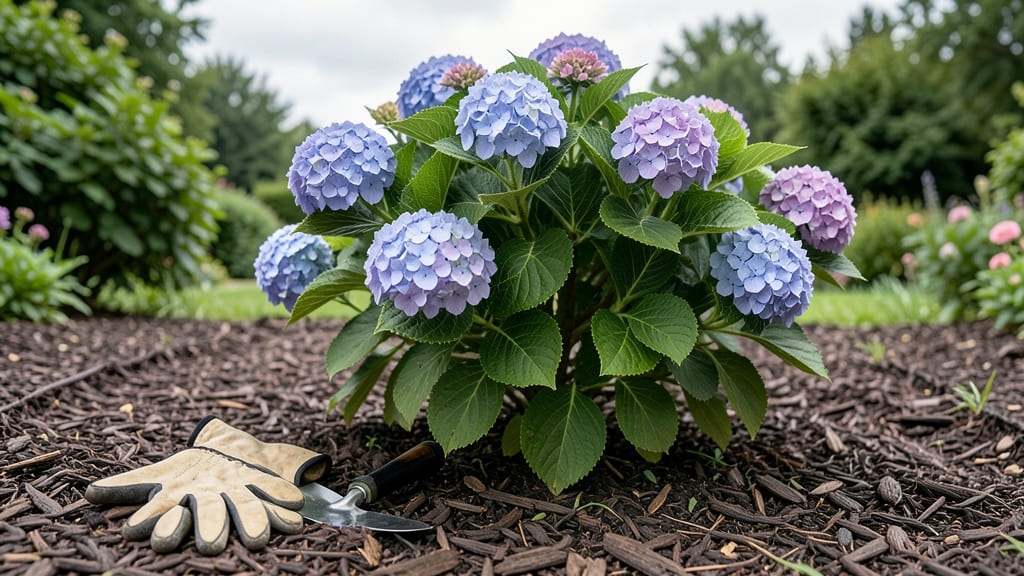
New England’s shade shrubs don’t have to mean dull gardens—fragrant varieties like inkberry holly and wintergreen thrive where sunlight struggles. 🌿 I’ve planted these tough natives in my own backyard, and they’ve turned dark corners into lush, fragrant retreats that bloom from spring through fall.
The key is choosing plants that love moisture and cool air, like the ones I’ll share that handle New England’s wet springs and chilly summers without complaint.
These shrubs aren’t just pretty—they’re practical too. Inkberry holly grows into a dense, evergreen screen that blocks nosy neighbors and winter winds, while wintergreen spreads slowly to fill gaps under trees.
Both handle Zone 3 winters (and colder) without flinching, and their glossy leaves stay vibrant even when other plants fade. Plus, they attract pollinators and birds year-round, turning your shade garden into a mini wildlife haven.
By the end of summer, you’ll have a fragrant, layered garden that stays green when others go dormant. The inkberry’s red berries feed birds through winter, while wintergreen’s minty scent lingers even after the blooms fade.
These plants play well with others—pair them with ferns or hostas for a woodland feel, or use them alone for a low-maintenance privacy screen that never needs trimming.
New England nurseries like White Flower Farm and Wayne’s Wordless Books carry many of these varieties, so you can start planting today. Whether you’re filling a dark corner or creating a fragrant barrier, these shrubs deliver beauty without the fuss. Let’s get your shade garden growing!
📚 In This Guide
- What you need
- Instructions
- Tips and common mistakes
- Wrapping up and next steps
What you need
- ● Shade-Tolerant Shrubs: Choose 3-5 varieties (e.g., Oakleaf Hydrangea, Azalea, Rhododendron, Boxwood, or Inkberry Holly). Plan for 5-10 plants per 10 feet of screen, depending on mature size.
- ● High-Quality Soil Amendments: 2-3 bags of compost or well-rotted manure (per 10 sq ft)
- ● 1 bag of peat moss or coconut coir (for acid-loving plants like Azaleas)
- ● Mulch: 2-3 bags of pine bark fines or shredded hardwood mulch (2-3 inches deep, per 10 sq ft)
- ● Organic Fertilizer: Slow-release 10-10-10 or acid-loving plant fertilizer (follow package rates)
- ● Pruning Tools: 1 pair of bypass pruners (for clean cuts)
- ● 1 pair of loppers (for thicker branches)
- ● 1 hand pruner (for precision trimming)
- ● Garden Gloves: Heavy-duty, waterproof gloves (to protect your hands)
- ● Watering Supplies: 1 hose with adjustable nozzle (for gentle watering)
- ● 5-gallon watering can (for young plants)
- ● Stakes & Twine: 3-4 ft bamboo stakes + soft twine (for supporting young shrubs if needed)
- ● Soil pH Test Kit: Ensures your soil is acidic (pH 4.5-6.0) for Azaleas/Rhododendrons or neutral (pH 6.0-7.0) for others.
- ● Epsom Salt: Adds magnesium for vibrant foliage (1 tbsp per plant, mixed into soil).
- ● Plant Tags: Waterproof labels to track varieties and planting dates.
- ● Frost Cloth: Lightweight frost protection for young shrubs in early spring/fall.
- ● Slow-Release Granular Fertilizer: Osmocote or similar for long-term nourishment.
- ● Wheelbarrow or Garden Cart: For hauling heavy bags of soil/mulch.
Step-by-Step guide to planting shade-loving shrubs in New England
Here’s how to create a fragrant, evergreen privacy screen that thrives in New England’s shaded spots.
🌱 Step 1: Choose the Right Shrubs for Your Shade Conditions
New England’s varied shade—from full dappled light to deep woodland shadows—means you’ll need shrubs that handle low light while still offering beauty. I recommend starting with inkberry holly (Ilex glabra) for dense, evergreen foliage that tolerates wet soil, or mountain laurel (Kalmia latifolia) for fragrant spring blooms and vibrant fall color. Both thrive in partial to full shade and handle New England’s winters beautifully.
For a fragrant twist, add dwarf fothergilla (Fothergilla gardenii), which bursts with bottlebrush-like blooms in spring and turns fiery red in fall. All three grow well in USDA Zones 3-7, so they’re perfect for New England’s climate. Check your specific shade levels—inkberry handles deeper shade, while mountain laurel prefers morning sun and afternoon shade for best blooms.
🪴 Step 2: Prepare the Planting Site for Healthy Growth
Clear the area of weeds and loosen the soil to a depth of 12 inches with a garden fork. New England’s clay-heavy soil can compact easily, so mix in 2-3 inches of compost or well-rotted leaf mold to improve drainage and fertility. This is especially important for mountain laurel, which dislikes soggy roots.
Dig holes twice as wide as the root ball but only as deep—planting too deep can suffocate roots. Space shrubs 4-6 feet apart for a dense screen, but give mountain laurel extra room (6-8 feet) since it spreads wider. Water the holes deeply before planting to help roots settle into moist soil right away.
☀️ Step 3: Plant Shrubs for Long-Term Privacy and Fragrance
Place each shrub in its hole, ensuring the top of the root ball sits level with the surrounding soil—burying too deep can cause rot, while planting too high stresses the plant. Backfill with native soil mixed with a handful of slow-release fertilizer (like 10-10-10) to encourage strong root growth. Press the soil gently around the base to remove air pockets.
Water deeply right after planting to help soil settle, then mulch with 2-3 inches of shredded bark or wood chips, keeping it 3 inches away from the stem to prevent rot. This mulch layer retains moisture and regulates soil temperature—critical in New England’s hot summers and cold winters. Avoid thick mulch piles, which can smother roots.
💧 Step 4: Water and Maintain for Year-Round Beauty
Keep the soil evenly moist but not soggy for the first 4-6 weeks after planting. New England’s unpredictable spring rains can make overwatering tempting, but soggy soil leads to root rot in inkberry and mountain laurel. Water deeply once a week if rainfall is light, checking that the soil is dry 2 inches down before watering again.
Once established, these shrubs are drought-tolerant, but a deep watering every 2 weeks during dry spells keeps them lush. Prune mountain laurel in late winter to shape it, while inkberry and fothergilla need minimal pruning—just remove dead wood in early spring. Fertilize lightly in early spring with a balanced fertilizer to encourage blooms and growth.
Tips & tricks for perfect shade-loving New England shrubs
Took me years of trial and error to figure out what really makes these shade shrubs thrive in New England's tricky conditions. Here's what nobody tells you—
Soil Prep is Everything: In Step 2, when you're loosening that clay-heavy soil, don't just scratch the surface. Use your garden fork to break up those 12 inches of compacted earth all the way down. New England's clay can act like concrete if you don't—especially for mountain laurel which hates soggy roots. I've seen too many plants fail because the roots couldn't penetrate properly. Add that compost or leaf mold right into the holes before planting, mixing it thoroughly with the native soil. This creates a perfect growing environment from day one.
Planting Depth Matters More Than You Think: In Step 3, when you're placing those shrubs, resist the urge to bury them deeper for "extra support." The top of the root ball should sit level with the surrounding soil—no higher, no lower. I learned this the hard way when my first fothergilla plants struggled because I planted them too deep. Too shallow stresses the plant, and too deep suffocates the roots. Use a level if you're unsure, or just make sure the top of the root ball is flush with the soil line.
Mulching Like a Pro: That 2-3 inches of mulch in Step 3 isn't just for looks—it's a game-changer for New England's extreme seasons. Use shredded bark or wood chips, but keep it 3 inches away from the stems to prevent rot. In winter, this mulch acts like insulation, protecting roots from freezing. In summer, it keeps the soil cool and moist. I've seen plants in unmulched beds struggle through our hot summers while mulched plants stay lush. Just remember: thin is better than thick when it comes to mulch.
Pro Tips for Shade Shrubs New England
- Took me years of trial and error to figure out what really makes these shade shrubs thrive in New England's tricky conditions.
- Soil Prep is Everything: In Step 2, when you're loosening that clay-heavy soil, don't just scratch the surface.
- Planting Depth Matters More Than You Think: In Step 3, when you're placing those shrubs, resist the urge to bury them deeper for "extra support."
Frequently asked questions
Got questions about picking the perfect shade shrubs for your New England garden? You’re not alone! Here are some of the most common queries—and their answers—to help you create a lush, fragrant privacy screen with ease.
What are the best shade-tolerant shrubs for New England’s climate?
New England’s humid summers and cold winters call for hardy shrubs like inkberry holly, boxwood, azalea, and rhododendron. These thrive in partial to full shade, handle frost, and often bloom with fragrant flowers. For year-round interest, pair evergreens (like pieris japonica) with deciduous options (like fothergilla) for texture and color shifts.
When is the best time to plant shade shrubs in New England?
Spring (April–May) and early fall (September–October) are ideal for planting. Soil is workable, and shrubs establish roots before extreme heat or cold. Avoid winter planting—frost can stress young roots. If you must plant in summer, water deeply and mulch to retain moisture. Pro tip: Container-grown shrubs can be planted year-round, but spring/fall still offer the best success rates!
How much shade can these shrubs actually tolerate?
Most shade-loving shrubs handle 2–6 hours of direct sun daily, but some (like boxwood or inkberry) thrive in full shade (under 2 hours of sun). Check the light requirements on seed packets or labels—terms like “partial shade” often mean dappled light, while “full shade” means deep, filtered light (e.g., under trees). For dense screens, mix shrubs with varying tolerances to ensure all spots get coverage.
What should I avoid when planting shade shrubs?
Avoid these common pitfalls:
- Poor drainage: Shade shrubs rot in soggy soil. Amend clay soil with compost or plant on a slight mound.
- Overcrowding: Give shrubs space to grow (check mature size tags!). Crowding invites disease and weakens growth.
- Skipping mulch: Mulch (2–3 inches of wood chips) locks in moisture and regulates soil temp—critical in New England’s swings.
- Ignoring soil pH: Many shade shrubs (like azaleas) prefer acidic soil (pH 4.5–6.0). Test your soil and amend with pine needles or sulfur if needed.
Can I use shade shrubs for fragrance as well as privacy?
Shrubs like rhododendron, pieris, and deutzia offer sweet, intoxicating blooms in spring. For year-round fragrance, add wintergreen (ground cover) or dwarf gardenia (for a citrusy scent). Plant these near seating areas or walkways to maximize enjoyment. Just ensure they get enough shade to avoid leaf scorch!
What if my shade shrubs aren’t growing well?
Troubleshoot with this quick guide:
Issue
Possible Cause
Fix
Yellow leaves
Overwatering or poor drainage
Let soil dry slightly between waterings; improve drainage with compost.
No blooms
Too much shade or improper pruning
Thin foliage to allow light penetration; prune after flowering.
Pests (aphids, spider mites)
Stress from heat/drought or over-fertilizing
Spray with water or neem oil; reduce fertilizer in summer.
Leggy growth
Not enough light
Move to a slightly sunnier spot or prune to encourage bushiness.
If problems persist, consult a local nursery—they know New England’s quirks!
Wrapping up and next steps
Transforming your New England garden into a fragrant, ever-green oasis is easier than you think! With the right shade-loving shrubs, you’ll enjoy year-round beauty, privacy, and even a touch of aromatic charm—without the harsh sun demands.
Whether you’re a seasoned gardener or just starting, these resilient plants offer low-maintenance elegance that thrives in your climate.
Ready to take the next step? Start small:
- Pick 1-2 shrubs from our top picks (like Pieris japonica or Hydrangea arborescens) to test your space.
- Check soil drainage and light conditions—most shade shrubs are forgiving but love well-amended soil!
- Plant in early spring or fall for the best root establishment.