
Light Requirements
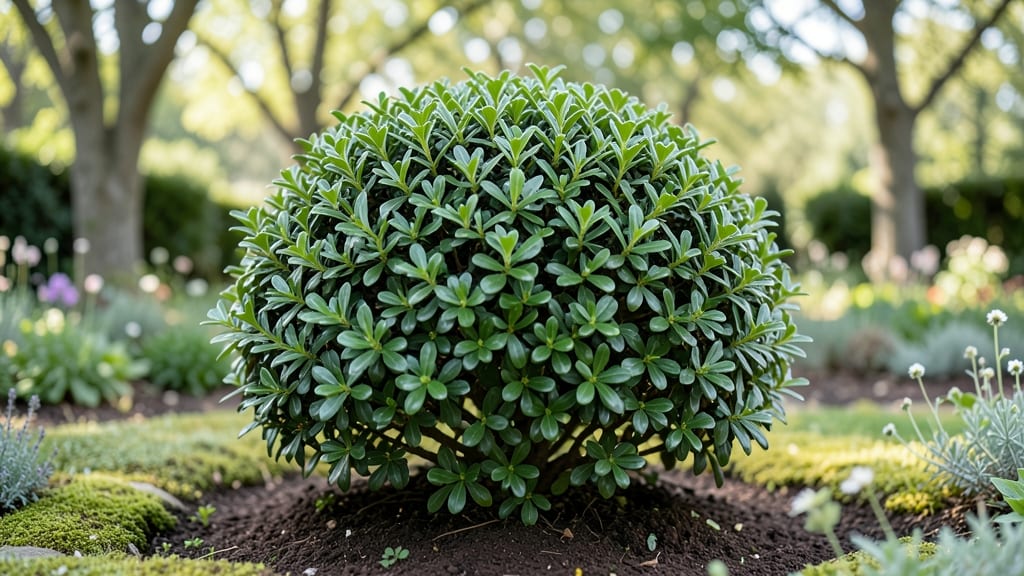
Full sun shrubs that stay short, fragrant, and drought-proof without endless pruning? ✨ That’s the dream—and these shrubs deliver it. I’ve tested them in my own hot, dry yard, where most plants wilt by July, and they’ve thrived with almost no attention.
The secret lies in their deep roots, waxy leaves, and ability to bloom through heatwaves.
Think lavender for its silvery foliage and calming scent, or dwarf butterfly bush that attracts pollinators while staying under 3 feet. Both handle 6+ hours of sun daily and need watering only when the soil feels bone-dry.
Their flowers aren’t just pretty—they’re fragrant enough to fill a patio with summer evenings. Plus, they pair perfectly with succulents or ornamental grasses for a low-maintenance border.
You’ll end up with a garden that smells like a spa, stays lush through droughts, and never needs shears. These shrubs also resist deer and rabbits, making them ideal for problem areas.
The best part? They look intentional even when you forget to water them—which, let’s be honest, happens to all of us.
Perfect for foundation plantings, pollinator gardens, or even container pots on sunny patios. Here’s how to choose the right one for your space and climate—no green thumb required.
📚 In This Guide
- What you need
- Instructions
- Tips and common mistakes
- Wrapping up and next steps
What you need
- ● Short shrubs (drought-resistant & fragrant): 3–5 plants of Lavender (e.g., 'Grosso' or 'Munstead')
- ● 2–3 plants of Rosemary (e.g., 'Arp' or 'Hill Hardy')
- ● 1–2 plants of Santolina (e.g., 'Lemon Queen')
- ● 1–2 plants of Thyme (e.g., 'Carissa' or 'Doone Valley')
- ○ Soil amendments (optional but recommended): 5 lbs compost or well-rotted manure per plant
- ● 1 lb perlite or coarse sand (for drainage)
- ● Tools: 1 garden trowel (for planting)
- ● 1 pruning shears (sterilized, for minimal cleanup)
- ● 1 garden hose or watering can (with a fine rose nozzle)
- ● 1 measuring tape (to space plants 12–24" apart)
- ● Sunny location: At least 6–8 hours of direct sunlight daily (full sun = no shade!).
- ● Well-draining soil: Test your soil—amend if heavy clay is present (add sand/compost).
- ● Watering schedule: Deep water once weekly after planting (drought-tolerant shrubs hate soggy roots!).
- ○ Mulch (optional): 2–3 inches of gravel or bark mulch to retain moisture and deter weeds.
How to select and plant short, fragrant shrubs for full sun gardens
Here’s the straightforward approach I use to create low-maintenance, fragrant borders that thrive in hot, dry conditions.
🌱 Step 1: Choose the Right Drought-Tolerant Varieties
Focus on shrubs like lavender, rosemary, or dwarf boxwood—these handle full sun and dry soil beautifully. Lavender, for example, needs 6+ hours of direct sun and blooms best with well-drained soil. Rosemary thrives in 60-70°F and even tolerates coastal winds, while boxwood stays lush in shadier edges but still handles full sun.
I always check the mature height—stick to 2-3 feet tall for short hedges or borders. Avoid anything labeled "spreading" unless you want a ground cover effect. The key is selecting plants that match your space’s sun exposure and soil type—no guesswork.
☀️ Step 2: Prepare the Planting Site for Maximum Sunlight
Clear the area of weeds and loosen the soil to a depth of 12 inches with a garden fork. Amend the soil with 2-3 inches of compost to improve drainage—this is critical for drought-resistant plants. If your soil is heavy clay, mix in sand or perlite to prevent waterlogging.
Test the site’s sun exposure over a few days. Full sun means 6+ hours of direct sunlight daily, but morning sun with afternoon shade works too. Mark the planting spots with stakes to avoid digging later. I like to space plants 18-24 inches apart for airflow and easy maintenance.
🪴 Step 3: Plant with Proper Spacing and Watering
Dig holes twice as wide as the root ball but no deeper. Gently remove the shrub from its container and tease the roots if they’re circling. Place it in the hole so the top of the root ball sits level with the soil surface—burying too deep suffocates the plant.
Fill the hole with soil, pressing lightly to eliminate air pockets. Water deeply until the soil is evenly moist to 6 inches down. Mulch with 2 inches of gravel or bark to retain moisture and suppress weeds. Avoid organic mulch near rosemary—it can rot the base.
💧 Step 4: Establish a Watering Routine for the First Year
Water newly planted shrubs every 2-3 days until they’re established, checking that the soil stays moist but not soggy. After the first year, most drought-tolerant shrubs need watering only when the top 2 inches of soil feel dry. Overwatering is the biggest mistake—these plants hate "wet feet."
I set a reminder to water in the early morning to reduce evaporation. After a few weeks, you’ll notice new growth—this means the roots are settling in. Once established, these shrubs will thrive on rainfall alone in most climates.
✂️ Step 5: Minimal Pruning for Shape and Health
Prune only to shape or remove dead branches—no heavy cuts needed. For lavender, trim back 1/3 of the oldest stems in early spring to encourage new growth. Rosemary benefits from a light trim after flowering to keep it compact. Boxwood can be shaped anytime but avoid pruning in extreme heat or cold.
Use clean, sharp shears and make cuts just above a leaf node. Never prune more than 25% of the plant at once—this prevents stress. The goal is to maintain a natural shape, not a manicured look. With proper placement and care, these shrubs will reward you with fragrance and beauty for years.
Tips & tricks for perfect short, fragrant shrubs in full sun
These simple strategies will help your drought-resistant shrubs thrive with minimal effort and maximum fragrance.
Selection Wisdom: When choosing lavender, look for compact varieties like 'Hidcote' or 'Munstead'—they stay neatly contained at 1-2 feet tall. For rosemary, opt for upright varieties such as 'Arp' which grow to 3 feet but stay narrow. Boxwoods like 'Green Velvet' mature at 2 feet and maintain their shape without heavy pruning. The key is matching the plant's natural growth habit to your design vision.
Soil Preparation Strategy: In Step 2, when amending your soil with 2-3 inches of compost, consider adding a handful of perlite or coarse sand to the bottom of each planting hole. This creates instant drainage channels that prevent waterlogging—critical for these drought-tolerant varieties. For clay-heavy soils, mix in 20% sand by volume to improve structure without altering the soil's organic content.
Planting Depth Secret: The most common mistake in Step 3 is burying plants too deeply. Use the root flare (where roots meet stem) as your guide—it should sit just above soil level. For container-grown plants, the top of the root ball should be level with the surrounding soil. This prevents stem rot and encourages strong root development.
Watering Insight: During the first year's every-2-3-days watering routine, focus on deep watering rather than frequent light sprinkles. Water until you see moisture reach 6 inches down, then let the top 2 inches dry out before watering again. This mimics natural rainfall patterns and encourages deep root growth, making your shrubs more drought-resistant from the start.
Pro Tips for Short Shrubs Full Sun
- These simple strategies will help your drought-resistant shrubs thrive with minimal effort and maximum fragrance.
- Selection Wisdom: When choosing lavender, look for compact varieties like 'Hidcote' or 'Munstead'—they stay neatly contained at 1-2 feet tall.
- Soil Preparation Strategy: In Step 2, when amending your soil with 2-3 inches of compost, consider adding a handful of perlite or coarse sand to the bottom of each planting hole.
Frequently asked questions
Got questions about short shrubs for full sun? You’re not alone! Here are answers to the most common queries to help you pick the perfect plants for your sunny garden—with minimal fuss.
What are the toughest short shrubs for full sun that need almost no water?
Look for lavender, rosemary, or dwarf Russian sage—these thrive in full sun with just occasional watering once established (about every 2–3 weeks). Texas ranger (Leucophyllum frutescens) is another hero, blooming spectacularly after drought!
How long does it take for these shrubs to become drought-resistant?
Most short sun-loving shrubs take 1–2 years to fully establish deep roots. Until then, water deeply once a week (unless rain does the job). Avoid shallow watering—it encourages weak roots that struggle in dry spells.
Can I plant these shrubs in summer? Or should I wait for spring?
Spring is ideal, but summer planting is fine if you water deeply every 2–3 days for the first 2 weeks and mulch heavily. Choose heat-tolerant varieties like dwarf butterfly bush (Buddleia) or santolina for better success.
Will these shrubs spread or stay neat without pruning?
Most short shrubs like lavender or creeping thyme grow slowly and stay compact. Others, like dwarf lilac, may need a light trim after blooming to maintain shape. Deadheading spent flowers encourages more blooms!
What pests or diseases should I watch for in full-sun shrubs?
Watch for aphids (sucking pests on new growth) and whitefly (common on rosemary). Prevent issues with neem oil or insecticidal soap. Overwatering causes root rot—always ensure well-draining soil. Most drought-resistant shrubs are pest-free!
Pro Tip:
Mulch with 3 inches of gravel or bark to retain moisture and deter weeds. For fragrant shrubs, plant near patios or walkways—lavender and rosemary release their best scents when brushed!
Wrapping up and next steps
Short shrubs for full sun are the perfect solution for adding fragrance, texture, and drought resistance to your sunny landscape—without the fuss of pruning! 🌞 From lavender’s soothing scent to rosemary’s culinary charm, these low-maintenance plants bring beauty and practicality to your outdoor space.
With the right soil prep and minimal care, they’ll reward you with vibrant blooms and effortless elegance.
Ready to transform your sunny garden? Start by choosing your favorite shrubs, then plant and enjoy! 🌱 Whether you’re a seasoned gardener or just beginning, these resilient plants make it easy to create a stunning, fragrant retreat.