
Planting
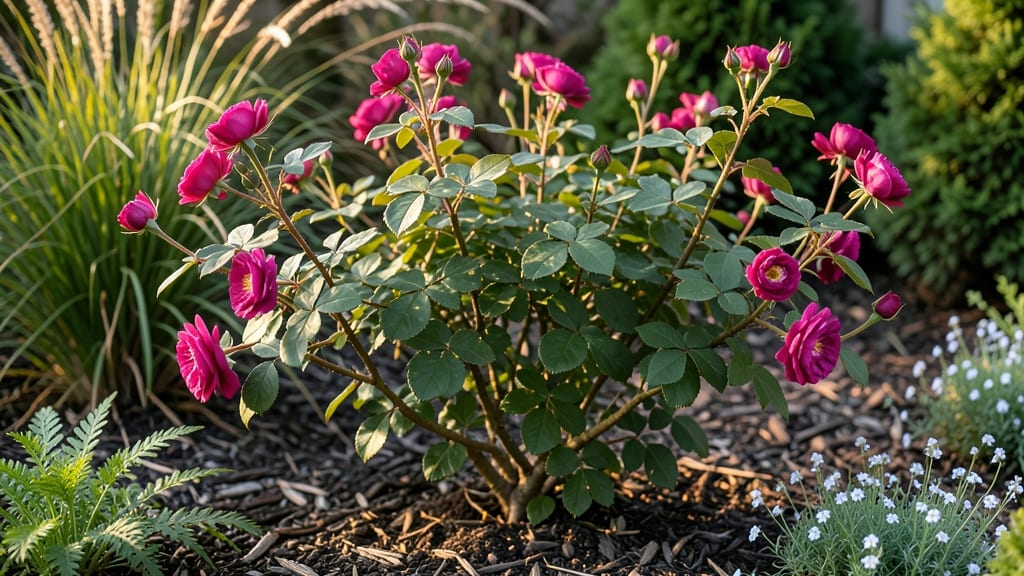
Zone 4's brutal winters don't have to mean giving up on fragrant shrub roses—these hardy varieties thrive when you pick the right ones. 🌿 I've learned the hard way which ones survive our -30°F winters and still reward me with clouds of blooms by June.
The secret isn't just choosing cold-tolerant cultivars, but also protecting them the right way once they're planted.
Start with proven Zone 4 winners like 'Knock Out' series, 'John Cabot', or 'The Fairy'—they've earned their reputation for surviving winters with just basic protection. These shrubs need full sun (6+ hours daily), well-draining soil, and proper spacing (3-5 feet apart) to avoid disease.
The key is planting them deep enough so the graft union stays below soil level, which helps them bounce back from winter damage.
With proper care, you'll end up with a lush, fragrant canopy that blooms from early summer through fall. The blooms attract pollinators all season, and the disease-resistant varieties mean less fuss with pesticides.
My 'John Cabot' shrub has been flowering reliably for five winters now—proof that Zone 4 roses can be both beautiful and tough.
Winter prep is simple but critical: mound soil around the base in late fall, add 4-6 inches of mulch, and wrap young plants with burlap. This protection lets the roots stay warmer while the tops endure the cold.
By spring, you'll see fresh growth pushing through before the snow even melts completely.
📚 In This Guide
- What you need
- Instructions
- Tips and common mistakes
- Wrapping up and next steps
What you need
- ● Shrub rose varieties: 3–5 hardy Zone 4 cultivars (e.g., Knock Out®, Dr. Huey, or John Cabot—check labels for cold-hardiness ratings!).
- ● Well-draining soil: 1–2 cubic yards of amended soil mix (compost + native soil in a 1:3 ratio).
- ● Organic mulch: 3–4 inches of shredded bark or straw (replenish annually).
- ● Rose fertilizer: Slow-release granular (10-10-10) or organic options like fish emulsion (follow package rates).
- ● Pruning shears: Bypass pruners (sharp, sterilized—disinfect with rubbing alcohol between cuts!).
- ● Garden gloves: Heavy-duty, cut-resistant (e.g., Mechanix or Wolverine).
- ● Watering can or hose: With adjustable nozzle for gentle watering.
- ● Soil tester kit: To check pH (aim for 6.0–6.5; amend with lime or sulfur if needed).
- ● Rose stakes or cages: 4–6 ft tall (for support—opt for flexible bamboo or metal).
- ● Frost cloth: Lightweight (30–40g/m²) for late-spring/early-fall protection.
- ● Compost tea: Homemade or store-bought (boosts soil microbes—apply monthly).
- ● Post-hole digger: For planting holes (18–24 inches deep, twice as wide as root ball).
- ● Pruning saw: For thick stems (if your roses grow large).
Step-by-step instructions for planting and caring for shrub roses in Zone 4
Here's how I get fragrant, hardy shrub roses thriving in cold climates—no fancy tricks, just proven methods.
🌱 Step 1: Choose the Right Varieties for Zone 4
Pick cold-hardy shrub roses like 'Knock Out' or 'Dr. Huey'—they handle Zone 4 winters down to -25°F without fuss. These varieties bloom repeatedly, resist disease, and grow into sturdy canopies. I always check the USDA label to confirm hardiness before buying, since some "shrub roses" are actually hybrid teas in disguise.
Look for bare-root plants in late fall or early spring when they're dormant. Container-grown roses work too, but check that roots aren't circling—they'll struggle to establish in cold soil. If buying potted, dig gently around the edges to verify roots before planting.
🪴 Step 2: Plant in Well-Draining Soil with Full Sun
Shrub roses need 6+ hours of direct sun daily, so pick a south-facing spot. Amend your native soil with 3 inches of compost mixed into the top 12 inches—this improves drainage and feeds roots without overwhelming them. Zone 4 soil often compacts, so I add a shovelful of perlite or coarse sand if the area stays soggy after rain.
Dig a hole twice as wide as the root ball but only as deep as the container's root level. This prevents burying the graft union (the swollen bump on the stem) too deep, which can cause disease. Set the plant in, backfill with native soil mixed with compost, and water deeply to settle everything.
☀️ Step 3: Mulch and Protect for First Winter
Spread 3-4 inches of mulch around the base, keeping it 2-3 inches away from the stem to prevent rot. I use shredded bark or straw—both insulate roots while allowing airflow. In the first winter, mound an extra 6 inches of mulch around the base after the ground freezes to shield tender roots from temperature swings.
For extra protection, wrap the canes loosely with burlap or rose cones after the first hard frost. This keeps wind from desiccating the stems but still allows airflow. Remove the wrap in early spring once new growth starts—you'll see tiny green buds swelling along the canes.
✂️ Step 4: Prune for Cold Hardiness and Spring Bloom
Prune in early spring before buds swell, cutting back last year's growth by one-third to encourage strong new shoots. Remove any dead, crossing, or weak stems first—they drain energy from the plant. I make cuts just above an outward-facing bud to shape the shrub naturally.
Never prune in fall for Zone 4 roses—new growth won't harden off before winter and will die back. After flowering, do a light cleanup to remove spent blooms and shape the shrub, but avoid heavy pruning. The goal is to maintain an open center that lets sunlight reach all canes for even blooming.
💧 Step 5: Water Deeply and Fertilize Strategically
Water deeply once a week during the first growing season, soaking the soil to 12 inches deep. Shrub roses develop deep root systems, so shallow watering encourages weak surface roots that freeze in winter. I check moisture by sticking my finger in—if it feels dry at 2 inches down, it's time to water.
Fertilize in early spring with a balanced 10-10-10 formula, applying half the recommended rate. Too much nitrogen makes roses soft and susceptible to winter damage. I avoid fertilizing after mid-summer—new growth won't harden off before cold snaps, and the plant wastes energy preparing for winter instead of storing nutrients in roots.
Tips & tricks for perfect shrub roses in Zone 4
These practical tips will help you avoid common pitfalls and get your cold-hardy shrub roses thriving from day one.
Variety Verification: Always double-check the USDA hardiness zone label when purchasing shrub roses—some "shrub" varieties are actually hybrid teas that won't survive Zone 4 winters. I've learned this the hard way after losing two expensive plants that were mislabeled. Look specifically for varieties like 'Knock Out' or 'Dr. Huey' that are proven to handle down to -25°F without protection.
Root Inspection: When planting container-grown roses, gently loosen the root ball and check for circling roots before placing in the hole. I use my fingers to carefully separate any roots growing in circles—they'll strangle the plant as it grows. This simple step prevents years of stunted growth and poor health in cold climates where roses need every advantage to establish.
Soil Preparation: The 3 inches of compost mixed into the top 12 inches of soil is non-negotiable for Zone 4. I add an extra shovelful of perlite or coarse sand if my soil stays soggy after rain, as compacted clay soil can suffocate roots in winter. Think of this as creating a cozy blanket for your rose's roots—good drainage prevents rot during freeze-thaw cycles.
Winter Protection Timing: The extra 6 inches of mulch for first winter should be added only after the ground has frozen solid. I test this by pushing a screwdriver into the soil—if it won't go in easily, it's time to mound. This prevents the mulch from insulating too early and encouraging late-season growth that would freeze back in hard frosts.
Pro Tips for Shrub Roses Zone 4
- These practical tips will help you avoid common pitfalls and get your cold-hardy shrub roses thriving from day one.
- Variety Verification: Always double-check the USDA hardiness zone label when purchasing shrub roses—some "shrub" varieties are actually hybrid teas that won't survive Zone 4 winters.
- Root Inspection: When planting container-grown roses, gently loosen the root ball and check for circling roots before placing in the hole.
Frequently asked questions
about growing shrub roses in Zone 4—because even the hardiest gardeners need a little clarity! Here are answers to the questions that pop up most often.What are the best shrub roses for Zone 4’s harsh winters?
Look for varieties like Knock Out® roses (e.g., ‘Radrazz’ or ‘Double Knock Out’), Explosion® series, or John Cabot. These are bred for cold hardiness (down to -30°F/-34°C) and disease resistance. Check the American Rose Society for updated recommendations!
Do I need to protect shrub roses from winter in Zone 4?
Most modern shrub roses survive Zone 4 winters without extra protection, but young plants or first-year growth benefit from a 3–4 inch mulch layer (straw or shredded leaves) and light row covers in extreme cold snaps. Avoid heavy blankets—they can trap moisture and rot stems.
When is the best time to plant shrub roses in Zone 4?
Plant in early spring (April–May) or early fall (September–October) to give roots time to establish before winter. Avoid late fall planting—new roots may not harden off before frost. Pro tip: Soak bare-root roses for 1–2 hours before planting!
How do I prevent pests and diseases in Zone 4 shrub roses?
Zone 4’s humidity and temperature swings invite black spot and powdery mildew. Prevent with:
- Airflow: Space plants 3–4 feet apart.
- Watering: Irrigate at the base (not overhead) in the morning.
- Fungicides: Use neem oil or copper fungicide preemptively.
- Cleanup: Prune out dead wood in early spring.
Can I grow shrub roses in containers in Zone 4?
Yes! Choose large containers (15+ gallons) with drainage holes and use well-draining potting mix. Move pots to a sheltered spot (like a garage or against a south-facing wall) for winter. Variegated Knock Out® roses thrive in containers—just ensure they get 6+ hours of sun daily.
Why are my Zone 4 shrub roses not blooming?
Common culprits:
- Winter dieback: Prune damaged stems in early spring to encourage new growth.
- Insufficient sun: Most shrub roses need full sun (6+ hours).
- Over/under-watering: Keep soil consistently moist but not soggy.
- Young plants: Shrub roses often take 1–2 years to establish and bloom.
Wrapping up and next steps
Growing shrub roses in Zone 4 is absolutely doable—and rewarding! With the right hardy varieties, proper care, and a little patience, you’ll enjoy a fragrant, low-maintenance canopy that thrives even in colder climates.
Whether you’re a beginner or a seasoned gardener, these resilient roses will add beauty and charm to your landscape year after year.
Ready to take the next step? Pick your favorite variety from our list, gather your supplies, and start planting this season! 🌸 For extra tips, check out our Zone 4 gardening guide to keep your roses flourishing.